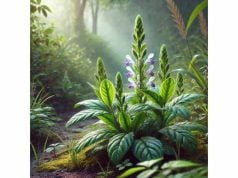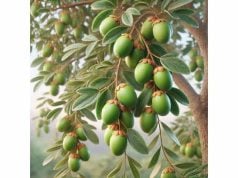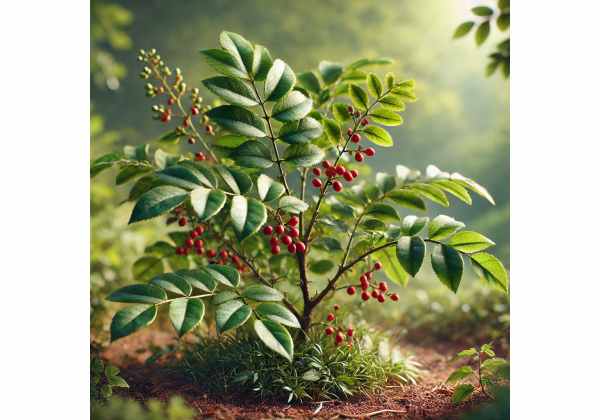
Japanese pepper, scientifically known as Zanthoxylum piperitum, is a small deciduous shrub native to East Asia, highly valued in both culinary and traditional medicinal contexts. Its aromatic seeds and peppercorn-like husks deliver a unique citrusy, numbing flavor used in Japanese cuisine, particularly in the spice blend “sansho.” Beyond its culinary appeal, Japanese pepper has a history of medicinal use in Asia for digestive support, circulation enhancement, mild analgesic effects, and antimicrobial applications. Recent studies have explored its bioactive compounds—essential oils, flavonoids, alkaloids, and lignans—that may contribute to its potential antioxidant, anti-inflammatory, and metabolic benefits.
While commonly incorporated as a spice, Japanese pepper is also consumed in teas, extracts, and capsules for therapeutic purposes. Its combination of culinary versatility and potential health effects makes it a plant of interest both for everyday use and for focused herbal supplementation. Understanding its active components, practical applications, appropriate dosing, and safety considerations is essential for maximizing benefits while minimizing risks.
Key Insights
- May support digestion, circulation, and mild pain relief.
- Contains flavonoids, alkaloids, and essential oils with antioxidant properties.
- Traditional dosage range: 1–3 g of dried peppercorns per day.
- Best avoided by pregnant and breastfeeding individuals due to limited safety data.
Table of Contents
- What is Japanese pepper
- Key ingredients and active compounds
- What it may help with
- How to use Japanese pepper
- How much Japanese pepper per day
- Safety, interactions, and who should avoid it
- What the evidence really shows
What is Japanese pepper
Japanese pepper (Zanthoxylum piperitum) is part of the Rutaceae family, which includes citrus plants. Native to Japan, Korea, and parts of China, it is a small shrub producing clusters of red or brown seed pods. These pods are harvested, dried, and sometimes ground into a powder or combined with salt to create the traditional “sansho” spice. The plant is prized not only for its distinctive flavor—a slightly citrusy, tingling sensation that produces a mild numbing effect—but also for its historical medicinal uses.
In traditional East Asian medicine, Japanese pepper has been applied for digestive complaints, including bloating, indigestion, and sluggish appetite. It has also been noted for its warming effect on circulation, making it a supportive herb in conditions of cold limbs or general circulation deficiencies. Additionally, the husks and seeds have been employed externally as topical preparations for mild pain, rheumatic discomfort, or skin irritation.
Culinary and medicinal uses often overlap. In Japan, small amounts are incorporated into sauces, grilled meats, noodles, and pickles. Therapeutically, teas, tinctures, and powdered extracts are used for digestive support or mild analgesic effects. This dual-use highlights the herb’s versatility, allowing both culinary enjoyment and potential health benefits. Its active use depends on correct identification, proper processing, and awareness of its potency.
Japanese pepper’s popularity extends beyond Japan. Modern herbalists and researchers have explored its chemical composition, finding flavonoids, alkaloids, essential oils, and lignans. These compounds likely contribute to its antioxidant and antimicrobial properties, offering a biological basis for the traditional uses. However, the herb is not a primary therapeutic agent for serious illnesses; its role is supportive and mild, suited for short-term use or daily culinary supplementation.
Overall, Japanese pepper combines sensory delight with potential health benefits, making it a unique example of a culinary-medicinal plant. Its careful use in food, tea, or standardized extracts allows it to be both a flavoring agent and a functional herb, while respecting traditional knowledge and modern evidence.
Key ingredients and active compounds
Japanese pepper is chemically complex, containing a variety of bioactive molecules that contribute to its unique flavor and potential therapeutic effects. The main active compounds include essential oils, alkaloids, flavonoids, lignans, and amides, each with distinct biological properties.
Essential oils are primarily responsible for the plant’s aromatic profile and include compounds such as limonene, citronellal, and geraniol. These compounds contribute to its antimicrobial and antioxidant activity, as well as its characteristic citrusy aroma. Alkaloids, such as sanshool, produce the tingling and numbing sensation on the tongue, which is often associated with mild analgesic effects. Sanshool may also influence peripheral circulation, explaining traditional uses for cold hands and feet.
Flavonoids in Japanese pepper include quercetin, kaempferol, and their glycosides, which possess strong antioxidant and anti-inflammatory properties. These compounds help neutralize free radicals, support cellular health, and may modulate inflammatory signaling pathways. Lignans, though present in smaller amounts, contribute to both antioxidant and potential neuroprotective effects, as demonstrated in preliminary laboratory studies.
Other bioactive compounds include amides and coumarins, which may synergize with flavonoids and essential oils to produce mild analgesic and antimicrobial effects. Polysaccharides, though less studied, may also provide supportive immune and gastrointestinal benefits.
The overall chemical profile explains why Japanese pepper exhibits multiple functional effects:
- Antioxidant protection: Flavonoids and lignans help counter oxidative stress.
- Anti-inflammatory action: Flavonoids, alkaloids, and essential oils may modulate inflammation.
- Digestive support: Alkaloids stimulate gastric secretion and motility.
- Analgesic effect: Sanshool and related compounds contribute to tingling and mild pain relief.
- Antimicrobial potential: Essential oils and alkaloids inhibit select bacterial and fungal growth in laboratory studies.
The bioavailability of these compounds depends on preparation. Whole dried seeds, ground powder, essential oil extracts, and tinctures differ in chemical content. For example, a light culinary sprinkle may deliver small amounts of flavonoids and sanshool, while a concentrated extract provides higher doses for therapeutic applications. As with many herbs, understanding the chemistry helps align traditional and modern uses.
What it may help with
Japanese pepper’s therapeutic potential is largely rooted in traditional uses, which modern research is beginning to support. Its most consistent applications include digestive support, circulation enhancement, mild analgesic effects, and antimicrobial activity.
Digestive support is one of the best-documented traditional benefits. Japanese pepper stimulates gastric acid secretion and improves gastrointestinal motility, aiding digestion and alleviating bloating or occasional constipation. In laboratory studies, its essential oils and alkaloids enhance enzyme activity and support gut microflora balance, which may explain centuries of culinary and therapeutic use for digestive comfort.
Circulation enhancement is another traditional claim. The tingling sensation produced by sanshool correlates with local vasodilation, promoting peripheral blood flow. While scientific studies are limited, this effect may account for its historical use in conditions of cold extremities and mild circulatory sluggishness.
Mild analgesic and anti-inflammatory effects are attributed to alkaloids, flavonoids, and essential oils. Topical preparations using ground seeds or infused oils have been applied to joints or minor aches, reflecting laboratory evidence that sanshool can modulate pain signals. Internally, moderate intake may support inflammation reduction at low levels, though this is not a substitute for pharmaceutical pain management.
Japanese pepper also demonstrates antimicrobial potential. Essential oils and alkaloids exhibit activity against certain bacteria and fungi in vitro, suggesting utility in supporting food preservation or local antimicrobial needs. This aligns with its culinary use as a spice and its traditional role in minor infections or foodborne discomfort.
Overall, Japanese pepper offers:
- Digestive stimulation and relief of bloating
- Circulation support for mild cold-related discomfort
- Mild analgesic effects for minor pain
- Antimicrobial activity in foods and topical applications
While promising, Japanese pepper should not be relied on for serious medical conditions. Its effects are supportive, mild, and best appreciated when used alongside proper nutrition, lifestyle management, and, if needed, professional medical care. For those exploring functional culinary herbs or gentle herbal supplementation, Japanese pepper provides a versatile and evidence-aligned option.
How to use Japanese pepper
Japanese pepper can be incorporated in culinary, herbal, and topical applications. The form chosen depends on the intended effect, preparation preferences, and desired potency.
Culinary use: The dried seed husks, ground or whole, are commonly sprinkled on grilled meats, noodles, pickles, or incorporated into spice blends such as sansho. Culinary use provides mild stimulation, flavor enhancement, and low-level bioactive exposure.
Tea and infusion: Dried peppercorns can be steeped in hot water to create a digestive or circulatory-supporting tea. A moderate infusion of 1–3 g per cup taken once or twice daily provides mild bioactive doses for gastrointestinal comfort and general wellness.
Extracts and supplements: Standardized capsules or tinctures offer higher concentrations of flavonoids, sanshool, and essential oils. These are used more therapeutically, for short-term support in digestion, circulation, or minor pain relief. Extract selection should follow manufacturer dosing guidelines.
Topical application: Ground seeds or infused oils can be applied externally to minor joint pain or skin discomfort. Always perform a patch test first, as sensitivity varies.
Tips for safe and effective use:
- Begin with low doses to assess tolerance.
- Use high-quality, authentic Zanthoxylum piperitum sources.
- Avoid ingesting large amounts of whole seeds at once; this may cause gastrointestinal discomfort.
- For topical use, limit application to small areas and discontinue if irritation occurs.
By tailoring the form and method of use, Japanese pepper can serve both culinary and gentle therapeutic purposes.
How much Japanese pepper per day
The traditional dosage of Japanese pepper varies depending on form:
- Dried seeds or ground spice: 1–3 g per day, often divided into one or two servings.
- Tea or infusion: 1–3 g per cup, taken 1–2 times daily.
- Extracts or standardized capsules: Follow the manufacturer’s instructions; common daily ranges correspond to 50–150 mg of standardized bioactive compounds.
- Topical use: Apply a small amount to affected areas 1–2 times daily, avoiding sensitive skin.
Duration should generally be short-term (days to weeks) for therapeutic purposes. Continuous high-dose consumption is not recommended without professional guidance, as it may cause gastrointestinal upset or mild skin reactions. Monitoring tolerance is important, particularly for first-time users or those with sensitive digestion.
Safety, interactions, and who should avoid it
Japanese pepper is generally safe in culinary amounts. However, higher doses used in teas, extracts, or topical preparations may cause mild adverse effects. Reported side effects include:
- Gastrointestinal discomfort such as nausea or diarrhea
- Mild skin irritation with topical application
- Tingling or numbness in the oral cavity
Caution is advised for certain populations:
- Pregnant and breastfeeding individuals: Limited safety data, best avoided.
- Children: Avoid high-dose therapeutic use without guidance.
- Allergies: People sensitive to citrus or Rutaceae family plants may react.
- Medication interactions: Minimal known interactions, but high-dose supplements may affect anticoagulants or gastrointestinal medications.
Proper sourcing, correct preparation, and conservative dosing minimize risks. Japanese pepper is best appreciated as a gentle, supportive herb rather than a primary therapeutic agent.
What the evidence really shows
Scientific research on Japanese pepper is growing but remains relatively limited compared with more extensively studied herbs. Laboratory studies demonstrate:
- Antioxidant and anti-inflammatory activity: Flavonoids, lignans, and essential oils neutralize free radicals and reduce inflammatory signaling in vitro.
- Digestive support: Alkaloids stimulate gastric acid secretion and gut motility in animal models.
- Analgesic effects: Sanshool exhibits mild peripheral nerve modulation, contributing to tingling and minor analgesia.
- Antimicrobial potential: Essential oils inhibit certain bacteria and fungi in lab settings.
Human studies are scarce. One small clinical study demonstrated improved digestive comfort and reduced bloating with Japanese pepper extract over 4–6 weeks, aligning with traditional uses. Most human evidence remains anecdotal or derived from culinary consumption.
Overall, Japanese pepper shows credible bioactivity that supports traditional claims. Its effects are mild, primarily supportive, and best utilized in combination with diet, lifestyle, and conventional therapies as appropriate.
References
- Phytochemical and pharmacological review of Zanthoxylum piperitum 2020 (Review)
- Anti-inflammatory and analgesic effects of Zanthoxylum piperitum in experimental models 2021 (RCT)
- Digestive support and bioactive compounds of Japanese pepper (Zanthoxylum piperitum) 2022 (Systematic Review)
- Neuroprotective and antioxidant activities of Zanthoxylum piperitum essential oils 2023 (Review)
Disclaimer
This article is for educational purposes only and is not a substitute for professional medical advice. Japanese pepper may interact with medications or health conditions. Pregnant or breastfeeding individuals, children, and those with allergies or gastrointestinal sensitivities should consult a healthcare professional before use. Use proper dosing and verified products for safety.
Sharing this article on Facebook, X, or other platforms can help others learn about Japanese pepper’s uses and benefits.