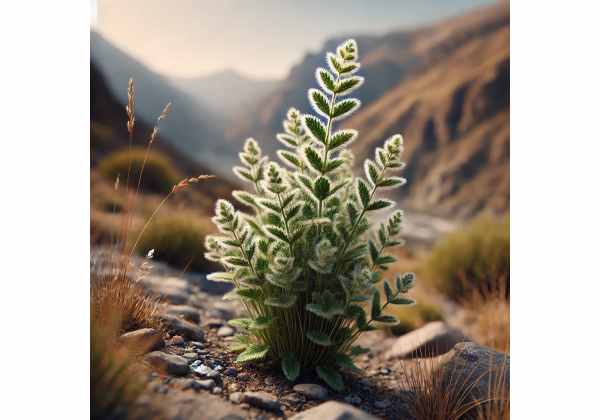
Kala zeera, often called black caraway or Persian cumin, is a fragrant mountain spice with a long history in South Asian, Central Asian, and Persian food traditions. Its botanical name is Bunium persicum, and although it is sometimes confused with regular cumin or nigella, it is a different plant with its own taste, chemistry, and traditional uses. The small dark fruits have a warm, resinous aroma that feels deeper and sweeter than common cumin, which is one reason they are valued in rice dishes, breads, lentils, and digestive spice blends.
Interest in kala zeera goes beyond flavor. Traditional systems have used it for bloating, poor appetite, abdominal discomfort, menstrual cramps, and general digestive sluggishness. Modern research suggests that its volatile oils and polyphenols may help explain some of these effects, especially its carminative, antioxidant, antimicrobial, and possible glucose-supporting actions. At the same time, it is not a miracle herb. The most useful way to think about kala zeera is as a potent culinary spice with promising medicinal potential, modest human evidence, and a safety profile that depends heavily on dose and form.
Key Insights
- Kala zeera may help with gas, bloating, and post-meal digestive discomfort.
- Its volatile compounds show antioxidant and antimicrobial activity in laboratory studies.
- A practical food-based range is about 1 to 3 g per day, while studied capsule doses have been higher.
- Pregnant people and anyone using it as a concentrated extract rather than a spice should be especially cautious.
Table of Contents
- What is kala zeera and why is it different?
- Key compounds and medicinal properties
- Potential health benefits of kala zeera
- Does it help digestion and metabolism?
- How to use kala zeera
- How much kala zeera per day?
- Safety, interactions, and what the evidence shows
What is kala zeera and why is it different?
Kala zeera is the dried fruit of Bunium persicum, a plant in the Apiaceae family. That means it is botanically related to cumin, coriander, fennel, parsley, carrot, and celery, but it is not the same as any of them. In kitchens, it is often treated as a spice. In traditional medicine, it is often treated as a digestive herb. Both views are useful, because kala zeera sits in the middle ground between food and remedy.
One of the biggest points of confusion is identity. Kala zeera is commonly mixed up with regular cumin, black cumin, caraway, and nigella. Those plants have overlapping aromas and similar culinary uses, but their chemistry is not identical. That matters because taste, effect, and dosing can differ. If a label does not list Bunium persicum, you cannot assume it is true kala zeera. Readers who already know regular cumin will notice that kala zeera is usually darker, finer, and more intensely aromatic.
Its flavor profile is one reason it has been treasured in mountain cuisines. It brings warmth, a faint bitterness, a resin-like sweetness, and a lingering savory note that works especially well in rice, legumes, yogurt sauces, and slow-cooked meat or vegetable dishes. In many traditional recipes, it is added in small amounts because it can dominate a dish if overused.
From a practical health perspective, kala zeera has long been used after heavy meals, during periods of poor appetite, and in spice mixes meant to reduce gas. This makes sense when you consider how aromatic spices often work: they stimulate the senses, encourage salivation and digestive secretions, and may relax intestinal spasm in some people. That does not make kala zeera a drug, but it helps explain why it feels “active” in the body even at kitchen doses.
Another reason kala zeera stands out is scarcity. It grows best in cooler, higher-altitude regions, and true material is often more expensive than common cumin. For readers, that means quality matters. Fresh aroma, whole fruits, and proper storage usually tell you more about real-world usefulness than marketing claims about being “wild,” “rare,” or “premium.”
Key compounds and medicinal properties
Kala zeera’s medicinal interest comes mainly from its volatile oil fraction and its non-volatile antioxidant compounds. The volatile part gives the spice its deep aroma. The non-volatile part helps explain some of its broader biologic effects. Together, they form the reason kala zeera has attracted interest in both food science and herbal research.
The best-known compounds include:
- γ-terpinene
- cuminaldehyde
- p-cymene
- limonene
- carvone in some samples
- smaller amounts of other terpenes and aromatic molecules
These compounds matter because they are not just flavor chemicals. Many terpenes can influence oxidative stress, microbial growth, smooth muscle tone, and the way food is preserved. Cuminaldehyde, for example, is often discussed as one of the signature aroma molecules that may contribute to digestive and antimicrobial effects. γ-terpinene and p-cymene are frequently linked with antioxidant and aroma-related activity. As with cardamom compounds, the smell is not just a culinary detail; it is part of the plant’s biologic personality.
Kala zeera also contains phenolic compounds and flavonoids. These are important because they may help explain antioxidant, anti-glycation, and anti-inflammatory actions seen in experimental work. In plain terms, that means the herb may help reduce some forms of oxidative damage and may affect pathways involved in irritation, metabolic stress, and tissue wear. That does not prove it treats disease in humans, but it does give the plant a plausible mechanism.
A useful insight for readers is that kala zeera is not chemically fixed. Its compound profile can shift with altitude, climate, soil, harvest stage, storage, and extraction method. Whole fruits used in cooking are not the same as essential oil. A water infusion is not the same as an alcohol extract. A capsule made from powdered fruit is not the same as a concentrated oil. This is why two products labeled “kala zeera” can feel quite different.
Its main medicinal properties are usually described as:
- carminative, meaning it may reduce gas or bloating
- antispasmodic, meaning it may help ease intestinal cramping
- antioxidant
- antimicrobial
- possible glucose-supporting or metabolic-supporting
- mild appetite-stimulating in traditional use
For most people, the takeaway is simple: kala zeera is best understood as a chemically rich aromatic spice with plausible digestive and metabolic actions, but those actions depend on form, freshness, and dose.
Potential health benefits of kala zeera
The most credible benefits of kala zeera sit in a narrow but useful range. It is not a cure-all, yet it may be genuinely helpful in daily life when used well. The strongest practical case is for digestive comfort, with emerging interest in metabolic support and food-related antimicrobial activity.
The most realistic potential benefits include:
- Relief of gas and bloating after meals
Kala zeera is traditionally used as a carminative, and that is still its most believable everyday role. Many people use aromatic seeds after rich or heavy meals because they seem to reduce fullness, trapped gas, or sluggish digestion. - Support for appetite and digestive flow
Bitter-aromatic spices can make food feel easier to digest by stimulating saliva, gastric readiness, and sensory appetite. That is one reason kala zeera is often added early in cooking rather than sprinkled at the end. - Mild help with abdominal spasm or discomfort
Traditional uses often mention cramping, stomach unease, or post-meal discomfort. This does not mean it replaces medical care for persistent pain, but it may fit well in food-based support. - Antioxidant protection
Laboratory work suggests that kala zeera contains compounds that can neutralize free radicals and slow lipid oxidation. In practical terms, this may matter both for human physiology and for how foods stay fresh. - Possible metabolic support
Early human and experimental data suggest that kala zeera may modestly improve some glucose-related markers. That is promising, but still not strong enough to justify replacing proven diabetes treatment. - Antimicrobial and food-preserving potential
The aromatic oil has shown activity against certain microbes in laboratory settings. In the kitchen, that helps explain why strongly aromatic spices have long been valued beyond taste alone.
There are also more speculative or tradition-based uses, such as support for respiratory discomfort, menstrual symptoms, and general vitality. These uses are historically important, but the human research is much thinner. A useful rule is to separate “interesting” from “well established.”
Kala zeera also works well in combinations. In practice, people often tolerate and enjoy it best when it appears in meals with lentils, rice, yogurt, or spices such as ginger. That combination approach may matter because digestive herbs often work through cumulative sensory and physiologic effects rather than one dramatic mechanism.
The healthiest expectation is modest. Kala zeera may help a meal sit better, may contribute to a gentler digestive experience, and may offer small metabolic advantages in some contexts. That is worthwhile, even if it is less dramatic than supplement marketing often suggests.
Does it help digestion and metabolism?
This is where traditional use and modern research begin to overlap. Digestion is the area where kala zeera makes the most practical sense, and metabolism is the area where the most interesting small human data have appeared.
For digestion, the logic is strong even before you look at trials. Kala zeera is aromatic, warming, and commonly used for indigestion, flatulence, and post-meal discomfort. In modern terms, that points toward carminative and antispasmodic action. A recent human trial adds some support here: a herbal preparation containing Bunium persicum and coriander improved symptoms and quality of life in people with functional dyspepsia over a four-week period. That is encouraging, but there is an important catch. It was a formula, not kala zeera alone, and the treatment window was short. So the finding is useful, but not definitive proof that plain culinary kala zeera will do the same thing.
Metabolic support is more complicated. In a placebo-controlled trial involving adults with type 2 diabetes who were overweight or obese, Bunium persicum supplementation improved fasting blood glucose, insulin resistance markers, and body mass index over eight weeks. That makes kala zeera worth watching in the blood sugar space. Still, the results were not broad enough to call it a full metabolic solution. Not every lipid or insulin-related marker improved, and the study was small.
What does that mean for readers in practical terms?
- Kala zeera may be more useful for digestive comfort than for major metabolic change.
- Benefits seem more likely when used consistently rather than once in a while.
- Concentrated preparations may produce effects that ordinary food seasoning does not.
- Human data are promising, but still too limited for firm treatment claims.
It is also worth noting that food context matters. A spice added to a fiber-rich meal may support digestion differently than a capsule taken in isolation. Likewise, a spice can complement healthy eating patterns without being the main driver of improvement.
So, does kala zeera help digestion and metabolism? The best answer is yes, possibly and modestly, with stronger day-to-day plausibility for digestion and more preliminary evidence for glucose support. That makes it useful, but not magical.
How to use kala zeera
Kala zeera is easiest to use well when you treat it first as a culinary spice and second as a home herb. That approach is safer, more sustainable, and usually more enjoyable than jumping straight to concentrated extracts.
The main forms are:
- Whole fruits
Best for tempering in oil or ghee, adding to rice, or lightly crushing before use. - Ground kala zeera
Useful in spice blends, marinades, yogurt sauces, or soups. Grind only small amounts at a time because aroma fades. - Tea or infusion
Often used for digestive support after meals. The taste is earthy, warm, and slightly bitter-aromatic. - Capsules or extracts
These are more medicinal forms and should be used more carefully because doses are higher and effects less predictable.
Three practical ways to use it:
- Toast and temper
Heat a small amount of oil or ghee, add whole kala zeera for a few seconds, then pour over lentils, vegetables, or rice. This brings out aroma without burning the spice. - Use after heavy meals
Add it to bean dishes, rich curries, or stuffed rice dishes where bloating is more likely. It pairs especially well with fennel in digestion-focused cooking. - Make a simple infusion
Crush the fruits lightly, steep in hot water, strain, and sip slowly after a meal. This is a gentler approach than taking essential oil or strong extracts.
A few practical tips improve results:
- Buy whole fruits when possible.
- Store away from heat and light.
- Use less than you would with regular cumin until you learn its strength.
- Avoid scorching it in hot oil, which can turn the flavor harsh.
- Be cautious with essential oil for self-treatment, because concentrated oil is not equivalent to food use.
A subtle but useful insight is that kala zeera often works best as part of a pattern. Small amounts used regularly in digestion-friendly meals can be more valuable than occasional large amounts. In other words, consistency often beats intensity.
How much kala zeera per day?
There is no single official daily dose for kala zeera, and that is one of the most important things to understand before using it medicinally. The right amount depends on the form, the reason for use, and whether you are treating it as a food or a supplement.
A sensible way to think about dosage is to divide it into three tiers:
- Culinary use: about 1 to 3 g per day
This is a practical range for whole or ground kala zeera used in food. For many adults, that is enough to add flavor and offer mild digestive support without feeling too intense. - Home infusion use: often around 1 to 2 g per serving
This is a moderate, food-adjacent approach for occasional digestive discomfort after meals. - Studied supplemental use: substantially higher and product-specific
Human trials have used capsule-based preparations at levels such as 500 mg twice daily in a formula and 1000 mg twice daily in a diabetes-focused study. These are not the same as casual kitchen use.
A cautious dosing approach looks like this:
- Start with the food range.
Use about 1 g daily for several days and notice tolerance. - Split intake with meals.
Kala zeera usually makes more sense with lunch or dinner than on an empty stomach. - Increase only if needed.
If digestion is the goal, staying near the lower end is often enough. - Limit concentrated self-experimentation.
Essential oils and high-dose extracts can behave very differently from the spice.
Timing also matters. For digestive support, kala zeera is usually best:
- during cooking
- shortly before a meal as part of a preparation
- or after a meal in an infusion
Duration matters too. Food-based use can be ongoing if well tolerated. Medicinal-style use should be more deliberate, often measured in weeks rather than open-ended daily use, especially if you take medications or have a metabolic condition.
A practical note: more is not automatically better. With strong aromatic herbs, pushing the dose can shift the experience from “supportive” to “irritating.” If your goal is gas relief or better meal tolerance, a smaller dose used consistently is often smarter than a large dose used irregularly.
Safety, interactions, and what the evidence shows
Kala zeera is generally safer as a food spice than as a concentrated medicinal product. That distinction is central. Most people who use it in normal cooking amounts are unlikely to run into problems. The safety conversation becomes more important when the herb is used in repeated higher doses, capsules, or essential oil form.
Possible side effects may include:
- stomach irritation if taken in large amounts
- heartburn or burning sensation in sensitive people
- nausea from strong preparations
- allergy, especially in people sensitive to Apiaceae plants
- unpredictable effects from essential oil products
Who should be more cautious or avoid medicinal use?
- Pregnant people
Traditional sources have long treated kala zeera cautiously in pregnancy, and modern human safety data are too limited to override that caution. - Breastfeeding people
Evidence is too thin to recommend concentrated use confidently. - People taking diabetes medication
Because kala zeera may influence glucose markers, combining higher-dose supplements with medication could increase the chance of blood sugar dropping too far. - People with known spice or Apiaceae allergies
Cross-reactivity is possible because of its plant family. - Children
Culinary use in food is one thing; medicinal dosing, especially with essential oil, is another.
Interactions have not been studied as deeply as with major supplement herbs, so a conservative approach is wise. The safest assumption is that concentrated kala zeera may interact most with glucose-lowering therapy and perhaps with other digestive-active herbal formulas. If you are already using potent aromatic products such as asafoetida preparations, stacking several concentrated digestive herbs at once may increase irritation rather than improve outcomes.
What the evidence really shows is this:
- Traditional use is broad and longstanding.
- Laboratory data are strong enough to justify interest.
- Human evidence exists, but it is still limited.
- The best clinical signals so far are in dyspepsia-related symptoms and glucose control markers.
- Most studies are small, short, or involve formulas rather than everyday culinary use.
- The chemistry of kala zeera varies a lot between samples and extraction methods.
That last point is easy to overlook. A study on essential oil is not a study on your spice jar. A capsule trial is not the same as seasoning rice. This is why readers should avoid overgeneralizing from promising research headlines.
The bottom line is balanced: kala zeera is a valuable culinary herb with plausible digestive and metabolic benefits, meaningful traditional credibility, and early clinical promise. It deserves respect, not hype. Use it generously as a spice, cautiously as a remedy, and thoughtfully if you have pregnancy, diabetes, or allergy concerns.
References
- A Concise Overview of Phytochemistry, Pharmacology and Clinical Aspects of Persian Cumin; Bunium persicum (Boiss.) B.Fedtsch 2021 (Review)
- Metabolic and clinical responses to Bunium Persicum (black caraway) supplementation in overweight and obese patients with type 2 diabetes: a double-blind, randomized placebo-controlled clinical trial 2020 (RCT)
- The Efficacy of the Herbal Formula of Bunium persicum and Coriandrum sativum on Clinical Symptoms of Patients with Functional Dyspepsia: A Double-Blind Randomized Controlled Trial 2024 (RCT)
- Evaluation of the acute and sub-acute toxicity of the black caraway seed essential oil in Wistar rats 2019 (Toxicology Study)
- Critical review on nutritional, bioactive and medicinal potential of Bunium persicum 2025 (Review)
Disclaimer
This article is for educational purposes only and does not replace medical advice, diagnosis, or treatment. Herbs and spices can affect people differently depending on dose, product quality, medications, pregnancy status, allergies, and underlying health conditions. Seek qualified medical guidance before using kala zeera in concentrated supplemental forms, especially if you are pregnant, breastfeeding, managing diabetes, or taking prescription medicines.
If you found this article useful, please share it on Facebook, X, or your preferred platform to help others find reliable, practical information.