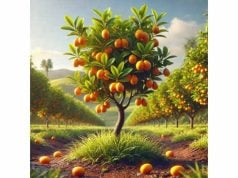
Katong Laut, also known as Cynometra ramiflora, is a tropical coastal and mangrove-associated tree with a long but still lightly documented history in traditional medicine. Unlike globally familiar herbs that have already moved into mainstream supplement shelves, Katong Laut remains closer to the ethnobotanical world: a plant valued locally for selected leaf, root, bark, and seed uses, yet only beginning to attract modern pharmacology research. That makes it interesting, but it also means readers need a more careful guide than the usual “super-herb” claims.
What stands out most are its antioxidant-rich extracts, its traditional use for skin and bowel complaints, and its early laboratory signals for anti-inflammatory, antimicrobial, glucose-lowering, and cytotoxic activity. At the same time, the strongest evidence is still preclinical. There are no established human dosing standards, no robust clinical trials, and no reason to treat this plant as a proven therapy.
The best way to approach Katong Laut is with curiosity and restraint: learn what it is, understand which benefits are plausible, and keep safety and evidence limits in clear view before considering medicinal use.
Quick Facts
- Katong Laut shows early antioxidant and anti-inflammatory potential in laboratory and animal studies.
- Traditional use centers on leaf applications, root purgative use, and selected skin-related remedies.
- Animal research has used 250–1000 mg/kg leaf extract, but no established human medicinal dose exists.
- Pregnant or breastfeeding people, children, and anyone taking diabetes or laxative medicines should avoid unsupervised use.
Table of Contents
- What is Katong Laut
- Key ingredients and medicinal properties
- What might it help with
- How is it used traditionally
- How much per day
- Safety and who should avoid it
- What the evidence shows
What is Katong Laut
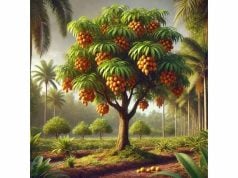
Katong Laut is a medium-sized to large tropical tree in the legume family, Fabaceae. It grows from India across Southeast Asia and into parts of the Pacific, often in coastal forests, mangrove margins, riverine zones, and other humid tropical habitats. The tree is known for its asymmetrical paired leaflets, pendulous young foliage, small pale flowers, and rough, wrinkled pods. In some regions it is grown as an ornamental shade tree, while in others it is valued mainly as timber or as part of local medicinal practice.
From a herbal perspective, one of the first important things to understand is that Katong Laut is not a standard commercial medicinal herb with a long-established supplement profile. It is closer to a regional ethnomedicinal tree whose medicinal reputation comes from traditional use and early experimental studies rather than from clinical practice guidelines. That difference matters because it changes how strongly any health claim should be taken.
It also matters because Cynometra species can be confused with one another. Readers sometimes assume all species in a plant genus have the same effects, but that is rarely true. Related species may share certain classes of compounds while differing in potency, edible use, or safety. With Katong Laut, correct botanical identification is not a minor detail. It is central to quality and to avoiding overgeneralization from related plants.
Traditionally, different parts of Katong Laut have been used in different ways. Ethnobotanical records point to leaf use for certain skin and viral-type complaints, and root use as a purgative. Older regional accounts also describe external preparations made from leaves or seed-derived oil for skin conditions. Those uses tell us where historical interest came from, but they do not prove modern therapeutic effect.
There is another practical point that often gets missed: Katong Laut grows in ecologically sensitive environments. Mangrove and coastal fringe plants are not ideal candidates for casual wild harvesting, especially when demand grows faster than cultivation. That makes responsible sourcing more than a nice extra. It is part of using the plant intelligently.
So what exactly is Katong Laut in modern health terms? The most honest answer is this: it is a promising but still emerging medicinal tree species. It has a credible traditional record, a growing set of phytochemical findings, and several early bioactivity signals. But it should not be treated like a finished supplement category. A better comparison is a plant at the edge of discovery, where identification, extraction method, and context matter as much as the plant name itself.
That is why Katong Laut deserves both interest and caution. Its story is real, but it is still incomplete.
Key ingredients and medicinal properties
The chemistry of Katong Laut is one reason researchers have started to pay closer attention to it. Studies on Cynometra ramiflora extracts report a mix of phenolic compounds, flavonoids, tannins, terpenoids, sterols, and related plant metabolites that can help explain its traditional and experimental uses. More recent phytochemical work has also identified compounds such as gamma-tocopherol, phytol, beta-sitosterol, and long-chain hydrocarbons in certain extracts.
That list is useful, but raw compound names do not mean much unless we connect them to what they may do.
Phenolic compounds and flavonoids are typically associated with antioxidant behavior. In simple terms, they may help neutralize reactive molecules that contribute to oxidative stress. That does not mean Katong Laut can “detox” the body in a marketing sense, but it does make antioxidant findings in laboratory models more believable. Readers who already know the broad role of plant polyphenols from herbs such as green tea and its antioxidant compounds will recognize the pattern: the chemistry suggests potential, but real-world effects depend on dose, absorption, and context.
Tannins deserve separate mention. They often give plant materials an astringent character and may contribute to traditional use for diarrhea, mucosal irritation, and topical applications. Astringency can sometimes support the logic behind folk use, especially for external preparations or short-term digestive use, though it can also irritate the stomach when taken improperly.
Terpenoids and sterols are also interesting because they frequently appear in plants investigated for anti-inflammatory, antimicrobial, and membrane-stabilizing effects. Beta-sitosterol in particular is a well-known plant sterol found in many medicinal species. Its presence does not make Katong Laut unique, but it does add to the idea that the plant contains bioactive constituents worth studying.
Phytol and gamma-tocopherol are especially notable because they connect Katong Laut to two areas of research: lipid-soluble antioxidant activity and membrane-related signaling. These are not magic bullets, but they help explain why some extracts show activity across several assays instead of only one.
When people ask about Katong Laut’s “medicinal properties,” the most defensible answers are:
- Antioxidant potential
- Mild to moderate antimicrobial activity in some extracts
- Anti-inflammatory potential in preclinical models
- Astringent and bowel-moving traditional actions, depending on plant part
- Early glucose-lowering, analgesic, and cytotoxic signals in experimental settings
What is important here is the phrase “depending on plant part.” Leaves, bark, roots, seeds, and solvent fractions are not interchangeable. A methanolic leaf extract tested in a lab can behave very differently from a home-prepared leaf decoction or a powdered bark mixture. This is one of the biggest reasons many promising herbs fail to translate neatly from bench research to practical home use.
The best way to understand Katong Laut’s chemistry is not as proof of broad healing power, but as a map of possibilities. It has the sort of multi-compound profile that often underlies traditional medicinal use. The plant clearly contains biologically active material. The harder question, and the one science still has not fully answered, is which of those properties matter enough in humans to justify routine medicinal use.
What might it help with
Katong Laut may help in several areas, but the strongest way to discuss benefits is to separate traditional use, preclinical promise, and proven human effect. For this plant, those three levels are not the same.
The most plausible benefit category is antioxidant support. Multiple studies on extracts point in that direction, and the plant’s phenolic and flavonoid content gives those findings some chemical credibility. Still, antioxidant activity in a test tube is supportive evidence, not a clinical outcome. It tells us the plant is biologically active, not that it will reliably improve a specific human condition.
A second plausible area is mild anti-inflammatory and pain-related support. Experimental work suggests that Katong Laut extracts may affect inflammatory processes and pain signaling in animal models. This fits reasonably well with older traditional uses for irritated tissues and topical complaints. But it is still too early to describe the plant as a dependable anti-inflammatory remedy in the same way stronger evidence exists for more established options such as boswellia in inflammation research.
Digestive use is another traditional lane worth noting. Root preparations have been used as purgatives, and astringent plant chemistry may help explain why leaf or bark preparations were sometimes valued for bowel-related complaints. This area cuts both ways, though. What helps one digestive complaint can worsen another. A plant with purgative potential is not automatically “good for digestion.” In practice, it may be too stimulating for some people and too unpredictable for unsupervised use.
Glucose support is one of the more interesting modern claims. A recent animal study found glucose-lowering effects from ethanolic leaf extract in alloxan-induced rats. That does not prove the plant treats diabetes in humans, but it does justify cautious scientific interest. Readers should treat this as an early lead, not as a ready-made blood sugar solution.
Antimicrobial and antiviral-type claims also appear in the literature and in traditional records. Some extracts show activity against selected microorganisms, and ethnomedicinal sources mention antiherpetic use of the leaves. These findings are intriguing, but they remain too preliminary to support self-treatment of infections.
The same caution applies to cytotoxic and anticancer language. Katong Laut extracts have shown cytotoxic effects in laboratory settings, but this is one of the easiest areas for plant research to be misunderstood. Cytotoxicity in cells is not the same as safe, useful, targeted cancer therapy in a living person.
So what are the most realistic takeaways?
- Katong Laut may offer antioxidant and anti-inflammatory support at the extract level.
- It has traditional relevance for skin-related and bowel-related uses.
- It shows early promise for glucose-lowering and antimicrobial activity.
- It does not yet have the level of evidence needed for confident medical claims.
The most useful mindset is to think of Katong Laut as a plant with credible biological signals but unfinished clinical translation. Its benefits are plausible enough to merit research, but not settled enough to justify hype.
How is it used traditionally
Katong Laut has not developed one universal preparation style. Instead, its use varies by region, plant part, and purpose. That is typical of many tropical ethnomedicinal trees. The plant is not used in the same polished way as a globally standardized capsule herb. It is more often prepared locally, with simpler methods tied to tradition.
Traditional records suggest a few recurring patterns. Leaves have been used externally for skin-related complaints and, in some traditions, for antiherpetic purposes. Roots have been used as purgatives. Older accounts from South and Southeast Asia also describe external leaf preparations and seed-derived oil applications for skin conditions. These are not modern prescriptions, but they do show how the plant has historically been handled.
In practical terms, traditional use often falls into two categories:
- External use, such as leaf-based pastes, boiled leaf preparations, or oil applications
- Internal use, mainly as a root or leaf preparation with digestive or cleansing intent
That distinction matters. External use is not automatically safe, but it is usually easier to control than internal medicinal dosing. Internal use raises more questions about extract strength, tolerability, and interaction with existing conditions.
A modern reader should also understand that research preparations are often much more concentrated than traditional ones. Laboratory and animal studies commonly use ethanol, methanol, or fractionated extracts. Those extraction methods pull out compounds differently than a simple household infusion or decoction. This is why “traditional use” and “studied extract” should not be treated as interchangeable categories.
If someone is exploring Katong Laut in a traditional or educational context, the safest broad principles are:
- Prefer correctly identified plant material from a reputable source.
- Avoid concentrated self-made internal extracts.
- Treat external use as less risky than internal medicinal use, but still patch-test first.
- Do not assume a traditional application is automatically safe for daily modern use.
This is also a plant where comparison can mislead. Readers sometimes try to map every skin remedy onto a soothing model similar to aloe vera for topical support. Katong Laut is different. It may have topical traditional value, but it is not a gentle, broadly established skin herb with a long modern dermatologic record.
There is also a culinary question. While some sources note food-related use of the plant in certain settings, Katong Laut is not widely known or standardized as a mainstream food-medicine herb. That means medicinal use should not be casually folded into the “it is just a food” category.
A practical summary is this: Katong Laut is traditionally used more like a village medicine tree than like a modern nutraceutical. Its preparations are shaped by local knowledge, specific parts of the plant, and narrow use cases. That heritage is valuable, but it also means modern users should proceed more carefully, not less.
How much per day
There is no clinically established human dose for Katong Laut. That is the most important dosing fact, and it should be stated before anything else.
Because there are no human clinical trials defining a standard adult dose, there is no reliable evidence-based answer for how much leaf, bark, root, powder, tea, tincture, or extract a person should take per day. Any website that gives a neat universal milligram recommendation for Katong Laut is being more confident than the evidence allows.
What we do have are fragments of dosing context from preclinical and traditional settings. In a rat study on blood glucose, ethanolic leaf extract was used at 250, 500, and 1000 mg/kg body weight over 7 to 10 days. That gives researchers a signal of biological activity, but it does not create a safe human dose. Animal doses cannot simply be copied into human use without proper conversion, toxicology data, and clinical testing.
Traditional use is also not standardized enough to solve the problem. Ethnomedical records tell us which parts were used and for what purpose, but they rarely provide a consistent modern dosing framework. Even when older systems use decoctions or pastes, the actual dose can vary by plant age, part used, preparation time, local practice, and intended intensity.
This means the safest modern dosing guidance looks different from a typical supplement guide:
- There is no validated adult daily medicinal dose
- There is no validated pediatric dose
- There is no evidence-based duration of routine use
- There is no well-established conversion from traditional use to capsules or extracts
For readers determined to experiment despite these limits, the most conservative approach is not to self-prescribe an internal extract at all. Instead, discuss the plant with a clinician or a trained ethnobotanical practitioner familiar with the species. That advice may sound cautious, but with understudied plants, caution is often the most practical form of accuracy.
Timing and duration are also uncertain. Since the available glucose-related animal work looked at a short course of 7 to 10 days, and other studies focus on laboratory assays rather than long-term use, there is no solid basis for daily maintenance use over weeks or months.
One helpful principle is to avoid forcing Katong Laut into the dosing logic used for established digestive herbs such as ginger in food and short-term digestive support. Ginger has a deep food tradition and broad human exposure. Katong Laut does not yet have that same modern safety familiarity.
So what should a reader actually do with this information? Use it as a boundary marker. The evidence suggests Katong Laut is pharmacologically active, but not yet sufficiently mapped for confident self-dosing. In herbal medicine, a plant can be promising and still not be ready for routine unsupervised internal use. Katong Laut fits that description very well.
Safety and who should avoid it
Safety is where Katong Laut requires the most restraint. Not because it is known to be highly dangerous, but because the data are too thin to justify confidence.
The genus review on Cynometra makes an important point: there are no human clinical trials and no robust human safety data for the genus as a medicinal source. That immediately changes the tone of any responsible guide. With some herbs, safety advice can build on decades of human supplement use. With Katong Laut, much of the safety picture has to be inferred from traditional use, extract behavior, and the type of effects reported in lab or animal work.
The first concern is part-specific action. A root used traditionally as a purgative is not something to treat casually. Plants that stimulate bowel movement can cause cramping, loose stools, dehydration, electrolyte problems, or worsening symptoms in people with inflammatory bowel issues or fragile digestion.
The second concern is blood sugar overlap. Since leaf extracts have shown glucose-lowering activity in animal research, anyone taking diabetes medicines should assume there is at least a theoretical risk of additive effects. That does not prove harm, but it is enough to justify caution, especially for people already prone to hypoglycemia or using multiple glucose-lowering agents such as berberine or prescription blood sugar therapies.
The third concern is pregnancy and breastfeeding. There is no reliable evidence base to support medicinal use in either group. Because some traditional uses involve bowel stimulation or stronger internal actions, avoidance is the sensible default.
Katong Laut should also be avoided or used only with professional oversight by:
- Children and adolescents
- People with chronic gastrointestinal disease
- Those with significant liver or kidney disease
- Anyone taking multiple medicines with narrow dosing margins
- People prone to dehydration or recurrent diarrhea
- Anyone using the plant as a substitute for treatment of infection, diabetes, or cancer
Potential side effects from inappropriate internal use could include:
- Stomach upset
- Cramping
- Loose stools
- Dehydration
- Dizziness or weakness if glucose drops too low
- Local skin irritation with topical use
There is also a quality problem. Understudied plants are more vulnerable to substitution, contamination, or inconsistent preparation. If a plant is misidentified, harvested from degraded environments, or processed without basic quality control, both safety and effectiveness become far harder to predict.
A final safety insight is worth emphasizing: promising cytotoxic or pharmacological activity does not make a plant safer to experiment with. It means the plant is active enough to deserve respect. That is the opposite of permission for improvisation.
For most readers, the safest conclusion is simple. Katong Laut is not a first-line self-care herb. It belongs in a more cautious category: interesting, potentially useful, but best handled with limits, especially for internal medicinal use.
What the evidence shows
The evidence for Katong Laut is real, but it is early. That distinction is the key to understanding the plant fairly.
At the strongest level, the research shows that Cynometra ramiflora contains bioactive compounds and that its extracts can produce measurable effects in laboratory assays and some animal models. These include antioxidant activity, antimicrobial effects, preliminary anti-inflammatory action, glucose-lowering signals in diabetic rats, and cytotoxic activity against selected cell lines. More recent phytochemical work has also isolated specific constituents that help explain why the plant behaves this way.
What the evidence does not show is equally important.
It does not show that Katong Laut has proven human benefits for diabetes, infection, pain, skin disease, inflammation, or cancer. It does not show an established safe human dose. It does not show long-term safety. And it does not show that traditional uses translate directly into predictable outcomes in modern patients.
In other words, Katong Laut is sitting in the common but often misunderstood middle zone of herbal evidence:
- More than folklore
- Less than clinically validated therapy
That middle zone is where many plant medicines become distorted online. If a plant has any cytotoxic or glucose-lowering data, marketers may rush to frame it as anticancer or antidiabetic. If a plant has any traditional skin use, it may suddenly be called a skin-healing herb. Katong Laut is a good example of why that leap is too fast.
Its real strength in the literature is breadth of early bioactivity, not depth of human proof. Several different lines of investigation point in a promising direction. But most are still built on extracts, models, and short-term observations rather than on rigorous patient outcomes.
There is also a translation problem. Many studies use solvent extracts, fractionated materials, or isolated compounds. Those do not mirror how most people would actually encounter the plant. This is one reason the evidence can look impressive on paper while still being too weak to support confident home use.
The fairest bottom line is this:
- Katong Laut is pharmacologically interesting.
- Its traditional uses are plausible enough to study.
- Its chemistry supports continued scientific interest.
- Its medicinal reputation is ahead of its clinical proof.
For researchers, that is a strong reason to keep going. For readers and consumers, it is a reason to stay measured. Katong Laut may become better defined over time, especially in the areas of antioxidant biology, glycemic support, and topical or digestive ethnomedicine. But right now, it is best described as an emerging medicinal tree species rather than a finished herbal remedy.
That balanced reading is not disappointing. It is useful. It tells you where the plant genuinely stands today, which is exactly what a good herb guide should do.
References
- The Genus Cynometra: A Review of Ethnomedicine, Chemical, and Biological Data 2022 (Review)
- Multifaceted Chemico-Pharmacological Insights into Cynometra ramiflora L.: Unveiling its GC-MS, Cytotoxic, Thrombolytic, Anti-Inflammatory, Antioxidant, Anti-Diarrheal, Hypoglycemic, and Analgesic Potentials 2024 (Preclinical Study)
- Effect of Ethanol Extract of Sala (Cynometra ramiflora Linn.) leaves for reducing Blood Glucose Levels in Male Wistar Rats Induced by Alloxan 2023 (Animal Study)
- Isolation, Antioxidant, cytotoxic and thrombolytic activity of Cynometra ramiflora 2025 (Preclinical Study)
- The medicinal plants of Myanmar 2018 (Ethnobotanical Reference)
Disclaimer
This article is for educational purposes only and is not medical advice. Katong Laut is an understudied medicinal plant with limited human safety and efficacy data. Do not use it to diagnose, treat, or replace care for diabetes, infection, skin disease, gastrointestinal illness, or any other medical condition. Speak with a qualified healthcare professional before using any Katong Laut preparation, especially if you are pregnant, breastfeeding, taking prescription medicine, or managing a chronic illness.
If this article was useful, please share it on Facebook, X, or your preferred platform to help more readers find balanced, evidence-aware herbal information.