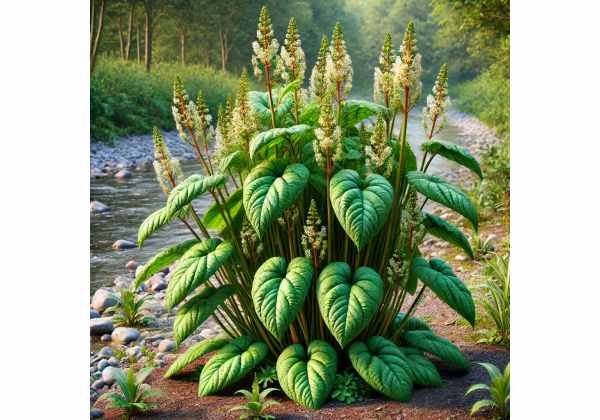
Knutweed, better known as Japanese knotweed or hu zhang, is a fast-growing perennial plant whose underground rhizome has a long history in traditional East Asian herbal practice. Modern interest in the herb centers on one fact above all: it is one of the richest commercial sources of resveratrol, along with related compounds such as polydatin, emodin, and physcion. That chemistry helps explain why knotweed is often discussed for inflammation balance, circulatory support, metabolic health, and antioxidant protection.
Still, the smart way to approach this herb is with both curiosity and restraint. The plant is pharmacologically active, but the best human research often focuses on isolated resveratrol rather than the whole root. That means knotweed may be useful, but it is not a cure-all and it should not be treated like a casual wellness tea for everyone. A good article on this herb has to do two things at once: explain why it attracts so much attention and clarify where the evidence is promising, mixed, or still too thin to justify hype.
Key Insights
- Knotweed is valued mainly for resveratrol-rich compounds that may help reduce oxidative stress and support inflammatory balance.
- Its most realistic uses are as an adjunct for cardiovascular, metabolic, and joint-related support rather than a stand-alone treatment.
- A common supplemental range for knotweed-derived resveratrol is about 100 to 500 mg daily, with some short-term studies using up to 1,000 mg.
- Avoid self-use during pregnancy, breastfeeding, anticoagulant therapy, or in the weeks before surgery unless a clinician approves it.
Table of Contents
- What is knotweed?
- Which compounds drive its effects?
- What does knotweed help with?
- How is it used in practice?
- How much should you take?
- Safety, interactions, and who should avoid it
- What does the evidence actually show?
What is knotweed?
Knotweed in this context refers to Fallopia japonica, the plant many readers know as Japanese knotweed. In the wild, it is famous for its aggressive growth and bamboo-like canes. In herbal medicine, though, the useful part is usually the rhizome and root rather than the tall stems people notice in gardens, roadsides, or riverbanks.
Traditional East Asian systems have used knotweed for centuries, especially for heat, inflammation, blood stagnation, skin concerns, and traumatic injury. In practical modern terms, that historical use translates into today’s interest in circulation, oxidative stress, liver support, respiratory resilience, and inflammatory discomfort. The herb also crosses an unusual line between food and medicine: young spring shoots can be eaten in some regions, while the dried root is the part more commonly extracted for supplements.
What makes knotweed especially notable is that it sits at the intersection of traditional herbalism and modern polyphenol science. It is not just “an herb for inflammation.” It is a plant that naturally concentrates several compounds researchers care about, especially stilbenes and anthraquinones. That gives it a broader medicinal identity than many simple teas or culinary herbs.
A few practical details matter here:
- The medicinal material is usually the dried root or rhizome.
- Quality can vary widely depending on species identification, extraction method, and standardization.
- Supplements may list the plant as Fallopia japonica, Polygonum cuspidatum, or hu zhang.
- Many commercial resveratrol products use knotweed as the source plant even when the front label emphasizes the isolated compound instead of the herb.
This is also a plant where context matters. Knotweed’s reputation in ecology is overwhelmingly negative because it is invasive in many places. That does not cancel its medicinal value, but it does mean foraging and harvesting should be done carefully and legally. Pulling or transporting live rhizome pieces can spread the plant. Medicinal use is best approached through properly processed products rather than casual transplanting or backyard experimentation.
So, what is knotweed? It is best understood as a potent medicinal rhizome with a strong traditional history and an unusually rich polyphenol profile. That gives it real therapeutic interest, but it also means readers should judge it by active chemistry, preparation quality, and evidence, not by folklore alone.
Which compounds drive its effects?
Knotweed’s medicinal reputation comes from a cluster of active constituents, not a single magic molecule. The four names that matter most are resveratrol, polydatin, emodin, and physcion. Together, they help explain why the herb is discussed for antioxidant, anti-inflammatory, cardiometabolic, and tissue-protective effects.
Resveratrol gets the most attention. It is a stilbene polyphenol linked with vascular protection, inflammatory signaling control, and cellular stress response. If you have ever read about longevity compounds, endothelial support, or polyphenols that may influence SIRT1 and AMPK pathways, you have already brushed up against resveratrol science. Readers who want a deeper look at the compound itself may find it useful to compare this herb-focused discussion with a separate resveratrol dosage guide.
Polydatin is often described as a precursor or glycosylated relative of resveratrol. In plain language, it is closely related but not identical, and it may behave differently in the body before some of it is converted. Many herbalists value this because whole-plant extracts may deliver a broader pharmacologic pattern than purified resveratrol alone.
Then there are anthraquinones such as emodin and physcion. These compounds contribute to knotweed’s antimicrobial, anti-inflammatory, and sometimes laxative-leaning behavior. They are also one reason the herb is not automatically gentle for everyone. The same chemistry that makes a plant active can also make it irritating in the wrong person or at the wrong dose.
Other constituents include:
- Flavonoids and catechins with antioxidant activity
- Tannins that may influence astringency and tissue interaction
- Additional phenolics that likely shape the herb’s overall synergy
This is where medicinal properties become more interesting than marketing slogans. Knotweed is not simply “high in antioxidants.” Its compounds seem to work across several overlapping mechanisms:
- Modulating inflammatory messengers such as NF-kB-related pathways
- Supporting nitric oxide and endothelial function
- Influencing oxidative stress defense systems
- Interacting with microbial growth and immune signaling
- Affecting how the body handles stress, metabolism, and cellular repair
A key insight many articles miss is that source and form matter. Whole-root powders, tinctures, and standardized extracts do not behave identically. A product standardized to trans-resveratrol may feel more targeted and easier to compare with research. A broader root extract may offer wider phytochemical coverage, but with less precision.
This is also why product labels deserve a slow read. Some people buy “Japanese knotweed” expecting one thing and receive a product that is really a resveratrol supplement sourced from knotweed. Others buy a whole-herb capsule and assume it provides the same amount of active stilbenes as a standardized extract. Those are not equivalent decisions.
The best way to think about knotweed’s chemistry is this: it is a medicinal polyphenol-rich root with layered bioactivity. Its compounds are promising enough to justify scientific attention, but complex enough that the form you choose changes the likely effect.
What does knotweed help with?
Knotweed is most often explored for three broad goals: inflammation control, cardiometabolic support, and antioxidant defense. Those areas overlap, which is why the herb can seem to show up in articles about joints, circulation, aging, metabolism, and immune resilience all at once.
The most realistic benefit category is inflammatory balance. Knotweed’s polyphenols may help lower some inflammatory signaling and reduce oxidative stress that tends to amplify discomfort. For that reason, people often look at it for joint stiffness, exercise recovery, and chronic low-grade inflammatory patterns. It is not a fast painkiller, and it is not a botanical version of a prescription anti-inflammatory. The better expectation is gradual support over time, especially when it is paired with sleep, movement, weight management, and a solid diet. Readers comparing joint-focused herbs may also want to contrast it with boswellia research, which is more directly known for mobility and comfort.
The second major area is cardiovascular and metabolic support. This interest comes mostly from resveratrol-centered research. In human studies, resveratrol has shown modest potential for improving endothelial function, lowering selected inflammatory markers, and helping certain features of metabolic dysfunction. That does not mean every knotweed product will improve blood pressure or blood sugar in a measurable way, but it does explain why the herb remains popular in “healthy aging” and cardiometabolic supplement formulas.
A third area is tissue protection under stress. This is where antioxidant language can become misleading. The useful point is not that knotweed “fights free radicals” in a vague sense. It is that some of its compounds may help the body respond more effectively to oxidative and inflammatory stress in blood vessels, the liver, the nervous system, and other tissues. That makes it interesting for preventive support, though not strong enough to replace established treatment.
Traditional and experimental uses also extend to:
- Bruising and trauma support
- Skin recovery
- Respiratory inflammatory states
- Microbial defense
- Liver and circulation support
Still, this is where restraint matters. Many of knotweed’s most exciting claims come from cell studies, animal research, or mechanistic models rather than large human trials on the whole herb. So the practical takeaway is not “knotweed treats everything.” It is closer to this: knotweed may be helpful when a goal involves inflammation, vascular stress, or polyphenol support, but the effect is likely to be adjunctive, modest, and product-dependent.
A helpful way to set expectations is to ask what kind of result you want. If you want a dramatic symptom shift in a few days, knotweed is probably the wrong tool. If you want a carefully chosen botanical that may nudge inflammatory and metabolic markers in a better direction over weeks or months, it becomes more sensible.
Used that way, the herb fits best as part of a broader plan rather than as a stand-alone solution.
How is it used in practice?
In practice, knotweed is used in a few different forms, and each one changes the experience. The most common are capsules, tinctures, powders, and standardized extracts. Less commonly, some people use decoctions made from the dried root, while cooks sometimes prepare young spring shoots as a tart seasonal food. Medicinally, however, the root-based supplement forms are the main focus.
Capsules are usually the most practical choice. They make dose control easier, reduce taste issues, and are simpler to compare from one product to another. Tinctures may appeal to herbal users who prefer liquid extracts or want flexible dosing, but the actual amount of active compounds can be harder to judge unless the label is unusually clear. Whole-root powders are the least precise, though some people prefer them for a broader “whole herb” approach.
A useful distinction is whether you are choosing:
- Whole-herb knotweed powder
- A root extract
- A product standardized for trans-resveratrol
- A blend that includes knotweed with other herbs
Each has a different purpose. A whole-root product leans toward traditional herbalism. A standardized resveratrol extract leans toward targeted nutraceutical use. A blend may be convenient, but it becomes harder to know what is actually helping or causing side effects.
Timing also matters more than many people realize. Knotweed or resveratrol-rich products are usually taken with food to improve stomach comfort. Higher daily amounts are often divided into two doses rather than taken all at once. This can make gastrointestinal tolerance better and produce steadier exposure.
People often use knotweed in these practical scenarios:
- As part of a polyphenol or healthy-aging routine
- Alongside exercise and weight-loss efforts for metabolic support
- As a complement to joint and mobility programs
- In herbal protocols aimed at inflammatory or immune balance
The biggest mistake is treating it like a casual add-on. Knotweed is active enough that it deserves the same care you would give any meaningful supplement. Start with one product, track one or two outcomes, and keep the rest of your routine stable. That makes it easier to tell whether the herb is actually doing anything.
A second mistake is choosing a product with vague labeling. Look for the plant name, the plant part used, the extract ratio if given, and whether the label specifies resveratrol content. If the product is standardized, that is usually a sign the manufacturer expects users to care about consistency.
For people with sensitive digestion, a gentler first step may be to try simpler anti-inflammatory food-based options before moving into concentrated botanicals. That is one reason some readers compare knotweed with more familiar options such as ginger’s active compounds and uses.
The best practical use of knotweed is structured and realistic: choose a clear form, take it consistently, and judge it over time instead of expecting an immediate transformation.
How much should you take?
There is no single standard dose for knotweed itself, and that is one of the most important facts to understand before buying it. Research is much stronger for isolated resveratrol than for the whole herb, so dosage guidance usually starts with the active profile of the product rather than the plant name alone.
For supplements standardized to resveratrol or marketed as knotweed-derived resveratrol, a practical adult range is often about 100 to 500 mg per day. This is where many commercial products sit, and it is also close to the lower-to-middle range used in human trials. In some studies, daily intake reaches 1,000 mg, but that is better treated as a research-level or clinician-guided amount rather than a casual starting point.
For whole-root extracts, labels may be expressed as total extract weight rather than active compound content. In that case, the capsule might contain several hundred milligrams of extract but much less actual resveratrol. This is why two knotweed products with the same capsule size can behave very differently.
A cautious adult framework usually looks like this:
- Start low, especially if you are new to polyphenol-rich supplements.
- Take the product with food.
- Stay at the same dose for at least one to two weeks before adjusting.
- Judge both benefit and tolerance, not benefit alone.
A practical starting strategy is:
- Begin with the equivalent of 100 to 250 mg daily of standardized resveratrol, or the manufacturer’s lowest full serving of a reputable knotweed extract.
- Increase only if the product is well tolerated and there is a clear goal for doing so.
- Avoid pushing past 500 to 1,000 mg daily without a strong reason, especially if you take medications.
Higher intake is not automatically better. In fact, one of the clearest patterns in resveratrol literature is that gastrointestinal side effects rise as doses climb. More is also not smarter when the herb is being used for general prevention rather than for a defined clinician-monitored goal.
Duration matters too. Knotweed is not the sort of herb you judge after one dose. If it helps, the result is more likely to show up over several weeks. At the same time, long-term daily use should not be mindless. It makes sense to reassess every month or two and ask whether the supplement is still serving a clear purpose.
Who should be especially conservative with dose? Older adults taking multiple medications, people with liver concerns, anyone on blood thinners, and those using hormone-sensitive therapies. In these groups, the right question is not “What is the strongest dose?” It is “What is the lowest dose that might be useful without creating avoidable risk?”
That mindset produces better outcomes than chasing the highest number on a label.
Safety, interactions, and who should avoid it
Knotweed is often described as natural and therefore gentle, but that is too simplistic. Its active compounds can be very useful, yet they are active enough to create side effects, interactions, and special-population concerns. The safety question is not whether the herb is “good” or “bad.” It is whether it fits the person, the dose, the duration, and the medication list.
The most common side effects are gastrointestinal. People may notice nausea, bloating, reflux, cramping, loose stools, or diarrhea, especially at higher intakes of resveratrol-rich extracts. This is one reason taking the herb with meals and starting low makes sense. If stomach symptoms appear quickly, it is usually better to lower the dose than to push through.
Medication interactions matter more than many labels admit. Knotweed-derived resveratrol may affect platelet function and could interact with drugs that influence clotting. That means extra caution with:
- Warfarin
- Direct oral anticoagulants
- Clopidogrel
- Daily aspirin used for cardiovascular prevention
- Supplements with overlapping bleeding-risk concerns
There is also potential for interaction with some liver-metabolized medications because resveratrol can influence certain enzyme systems. The clinical importance is not fully defined in every case, but the uncertainty alone is enough reason to pause if you are taking multiple prescriptions.
People who should generally avoid self-directed use include:
- Pregnant or breastfeeding individuals
- Children and teenagers unless supervised by a specialist
- Anyone preparing for surgery in the next one to two weeks
- People with significant bleeding risk
- People with hormone-sensitive conditions who have not discussed the herb with their clinician
Hormone-sensitive situations deserve special mention. Resveratrol can interact with estrogen-related pathways in complex ways. It is not accurate to call it simply estrogenic or anti-estrogenic in every context, but it is active enough that anyone with a history of hormone-sensitive cancer, endometriosis, or hormone-based treatment should not self-prescribe it casually.
Liver and thyroid caution are also reasonable. High-dose polyphenol use can be harder to predict in people with existing endocrine or hepatic issues. Even when a supplement looks safe on paper, individual tolerance can vary.
The most practical safety rule is this: knotweed is better treated like a low-dose therapeutic tool than like a general tonic. That mindset encourages cleaner product selection, slower dose escalation, and better respect for drug interactions.
If you are healthy, on no medication, and staying in the lower end of the usual dosing range, short-term use is often tolerated well. If you are medically complex, the threshold for getting professional guidance should be much lower.
What does the evidence actually show?
The evidence for knotweed is promising, but it is uneven. That is the most honest summary. There is solid pharmacologic interest, a meaningful traditional history, and a large amount of preclinical work. But when readers ask the most practical question — does the herb clearly work in humans for specific outcomes? — the answer becomes more qualified.
The strongest human evidence usually comes from resveratrol trials, not whole-knotweed trials. That matters because it tells us the plant contains genuinely important compounds, but it does not prove that every knotweed tea, tincture, or capsule will reproduce the same effects seen with purified resveratrol. In other words, the herb has credible building blocks, but whole-herb clinical certainty is still limited.
What do resveratrol studies suggest? The most consistent findings point toward modest benefits in selected inflammatory and cardiometabolic contexts. Some trials show improvements in inflammatory markers, endothelial function, vascular reactivity, and certain aspects of metabolic dysfunction. These are usually modest shifts, not dramatic reversals of disease. They also vary by dose, formulation, population, and trial length.
Where does the evidence look weaker or more mixed?
- Blood sugar outcomes are inconsistent across populations.
- Benefits in healthy adults are usually smaller than marketing suggests.
- Long-term preventive claims are still ahead of the data.
- Whole-herb knotweed trials remain far fewer than consumers often assume.
Another important limit is bioavailability. Resveratrol is absorbed, but it is also rapidly metabolized. That means lab promise does not always translate neatly into predictable human outcomes. Polydatin and the broader knotweed matrix may modify that story, but the science is still developing.
This is why the best evidence-based positioning of knotweed is not “clinically proven for everything.” It is better described as:
- A traditional medicinal herb with a rich active profile
- A major botanical source of resveratrol and related compounds
- A reasonable adjunct for carefully chosen goals
- A supplement category where product quality and formulation matter enormously
That last point is easy to miss. The evidence does not only depend on the plant. It also depends on whether a person is using the right extract, at a realistic dose, for a sensible reason, over an adequate time frame.
For readers trying to make a practical decision, the current research supports cautious optimism. Knotweed is more than hype, but less than a settled therapeutic standard. It has enough evidence to justify interest, especially in polyphenol-focused and inflammatory-support settings, yet not enough to replace conventional care or to support sweeping claims.
That middle ground is where the herb belongs right now: useful, active, interesting, and still deserving of better human studies.
References
- Resveratrol for the Management of Human Health: How Far Have We Come? A Systematic Review of Resveratrol Clinical Trials to Highlight Gaps and Opportunities 2024 (Systematic Review)
- Effects and safety of resveratrol supplementation in older adults: A comprehensive systematic review 2024 (Systematic Review)
- Advances for pharmacological activities of Polygonum cuspidatum – A review 2023 (Review)
- Anti-inflammatory effects of resveratrol in patients with cardiovascular disease: A systematic review and meta-analysis of randomized controlled trials 2022 (Systematic Review and Meta-analysis)
- New Approaches on Japanese Knotweed (Fallopia japonica) Bioactive Compounds and Their Potential of Pharmacological and Beekeeping Activities: Challenges and Future Directions 2021 (Review)
Disclaimer
This article is for educational purposes only and is not medical advice, diagnosis, or treatment. Knotweed and knotweed-derived resveratrol can interact with medications, may not be appropriate during pregnancy or breastfeeding, and should be used cautiously in people with bleeding risk, hormone-sensitive conditions, liver concerns, or upcoming surgery. Herbs and supplements should never replace prescribed care for cardiovascular, metabolic, inflammatory, infectious, or chronic medical conditions. Discuss use with a qualified healthcare professional before starting any new supplement, especially if you take prescription drugs or have an ongoing health condition.
If this article helped you, please share it on Facebook, X, or your preferred platform.