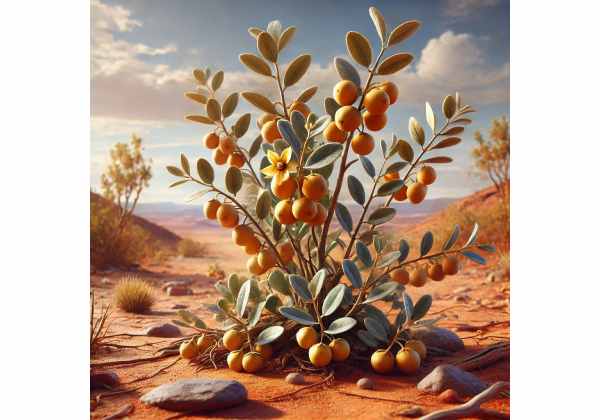
Kutjura, also known as bush tomato, desert raisin, or akudjura, is the dried ripe fruit of Solanum centrale, an Australian desert plant with deep cultural significance and a long history as a traditional food. Its flavor is unlike ordinary tomato. Once dried, it becomes savory, earthy, and slightly caramel-like, which is why it is valued in spice blends, sauces, rubs, and slow-cooked dishes.
What makes kutjura especially interesting is the way food, tradition, and phytochemistry overlap. It contains phenolic acids, flavonoids, small amounts of carotenoids, and other plant compounds that give it antioxidant potential. At the same time, it belongs to the nightshade family, so maturity, correct identification, and sensible use matter.
The strongest case for kutjura is not as a miracle remedy but as a functional culinary plant: a nutrient-dense, flavor-rich native food that may offer antioxidant support and practical digestive benefits when used in meals. This guide explains what kutjura contains, what it may realistically help with, how to use it, how much is sensible, and what safety points deserve attention.
Key Facts
- Kutjura may add antioxidant-rich phenolic compounds to the diet.
- It may also support meal satisfaction by bringing deep savory flavor to low-salt or low-sugar cooking.
- A practical culinary range is about 2 to 6 g of dried kutjura powder or pieces per day.
- Avoid it if you are sensitive to nightshades, unsure the fruit is fully ripe and properly prepared, or react poorly to concentrated savory spices.
Table of Contents
- What is kutjura and what is in it
- Kutjura nutrition and key compounds
- Kutjura benefits for digestion and fullness
- Does kutjura have medicinal potential
- How to use kutjura
- How much kutjura per day
- Kutjura side effects and safety
- What the evidence really says
What is kutjura and what is in it
Kutjura is the traditional food name commonly used for Solanum centrale, a small desert fruit native to arid parts of central Australia. In English, it is often called bush tomato or desert raisin. The plant belongs to the Solanaceae, or nightshade, family, which also includes tomato, eggplant, and potato. That family connection matters because it explains both its culinary appeal and the caution that comes with maturity and species identification.
The fruit is usually not eaten in the same way as a fresh supermarket tomato. Kutjura is prized most when the ripe fruit dries naturally, developing a dense, concentrated taste with notes of sun-dried tomato, tamarillo, smoke, caramel, and savory earthiness. That drying process changes not just the texture but also the way the fruit works in food. It becomes less like a juicy vegetable and more like a potent seasoning ingredient.
Traditionally, bush tomato was one of the most important plant foods in parts of central Australia. Dried fruits could be collected, cleaned, ground, and shaped into cakes or pastes. That long food history is one reason modern writers should be careful not to reduce kutjura to a novelty spice. It is a culturally significant traditional food first, and a commercial bushfood second.
Chemically, kutjura is more interesting than its small size suggests. Research on bush tomato points to a mix of:
- Phenolic acids such as chlorogenic acid and caffeic acid.
- Flavonoid-related compounds, including diosmin and procyanidin-type molecules.
- Other polyphenols such as resveratrol-related and coumarin-like constituents in some analyses.
- Small amounts of carotenoids and vitamin C, though these vary with handling and drying.
- Carbohydrate, fiber, and dry-matter concentration that become more pronounced after drying.
Unlike sweet dried fruits, kutjura is not mainly used for sugar or quick energy. Its value lies more in concentrated flavor and plant compounds. In that sense, it behaves more like a culinary native spice than a snack fruit. The dried format also makes it feel closer to pantry ingredients such as other shelf-stable dried functional fruits, although kutjura is far more savory than sweet.
The most useful way to understand kutjura is as a traditional dried bush food with a strong culinary identity and a growing scientific profile. It is not a standardized supplement, and it is not a typical fresh fruit. It sits in between: a culturally rooted native ingredient with enough chemistry to attract research, but with food use still more established than medicinal use.
Kutjura nutrition and key compounds
Kutjura’s nutritional value is not best understood through the same lens used for fresh berries or high-vitamin tropical fruits. Because it is commonly dried, its profile is concentrated, uneven, and highly dependent on harvest maturity, cleaning, and post-harvest handling. That means no single nutrient headline tells the whole story.
The compounds that attract the most interest are its phenolics. Recent profiling work on native Australian herbs and fruits found bush tomato contains several phenolic acids and flavonoids, including chlorogenic acid, caffeic acid, diosmin, procyanidin B2, epicatechin, pyrogallol, and resveratrol-related compounds. These are the kinds of molecules often linked with antioxidant activity in plant foods. Their presence does not prove disease treatment, but it does support the idea that kutjura is more than a flavoring.
Chlorogenic acid is especially worth noting. It is one of the better-known plant phenolics in nutrition science and is often discussed for its antioxidant behavior and possible metabolic relevance. In kutjura, it appears to be one of the more prominent identifiable phenolic acids. That gives the fruit a more credible phytochemical story than a simple “rich in vitamins” label would.
Its vitamin profile is less dramatic than marketing language sometimes suggests. Bush tomato may contain vitamin C and some carotenoids, but these can be reduced by drying and storage. In one post-harvest study, commercial dried bush tomato showed modest ascorbic acid and anthocyanin values, while lycopene was low or below detection in some samples. That is an important reality check. Kutjura may still be nutritious, but it should not be presented as a reliable vitamin-C powerhouse after processing.
Its nutritional strengths are better described like this:
- Concentrated dry fruit with useful fiber and plant solids.
- A notable source of phenolic compounds relative to its serving size.
- Low-use, high-impact ingredient that can enrich food without needing much volume.
- Potential contributor to antioxidant intake through routine culinary use.
Another point that often gets missed is flavor-driven nutrition. Kutjura can improve the palatability of leaner or simpler dishes. That matters because a food that makes legumes, vegetables, and broths more satisfying may support better eating patterns even if it is used in small amounts. In the real world, people do not eat isolated compounds. They eat meals, and kutjura can make meals more compelling.
It also fits well into the growing interest in resilient native foods. As a desert-adapted species with a long traditional record, it reflects a food system built around harsh environments, seasonality, and practical nourishment.
So the best nutritional summary is a measured one. Kutjura offers concentrated plant compounds, culinary depth, and some antioxidant promise. Its strongest nutritional identity comes from phenolics and food functionality, not from acting like a high-dose vitamin supplement.
Kutjura benefits for digestion and fullness
Kutjura’s most realistic everyday benefits are culinary and digestive rather than overtly medicinal. It may help meals feel more satisfying, more savory, and easier to structure well. That may sound modest, but it is exactly how many traditional foods support health in practice.
One likely benefit is improved meal satisfaction. Kutjura has a rich umami-like depth with bitter-sweet roasted notes, which means a very small amount can make a dish feel fuller and more complete. This matters when someone is trying to reduce added sugar, heavy sauces, or excess salt. A well-seasoned meal often feels more satisfying, and satisfaction can influence portion control more than abstract nutrition rules do.
A second likely benefit is gentle digestive support through culinary use. Kutjura is not known as a classic demulcent or laxative herb, but it has traditionally been eaten in dried, prepared form and works especially well in savory foods that would otherwise feel flat or greasy. In real cooking, that can translate into:
- Better tolerance for lean meat, legumes, and vegetable dishes.
- A more balanced feeling after rich savory meals.
- A stronger appetite for nourishing foods rather than highly processed snacks.
- Less reliance on excessive salt or sugar to create flavor.
There is also a fiber angle. Dried fruits and fruit powders often contribute some fiber and bulk, even in small amounts. Kutjura is not used in enough quantity to act like a fiber supplement, but it may still participate in a meal pattern that supports satiety. The effect is subtle. It is not the same as a dedicated fiber ingredient such as psyllium. Still, a seasoning that makes slower, more deliberate meals more enjoyable can support fullness indirectly.
This is one reason it is better to think of kutjura as a “meal-quality enhancer” than as a targeted digestive remedy. If a person uses it in broths, mince, beans, stews, and savory sauces, the benefit may come less from a single active compound and more from the way it shapes the meal around it. This is similar to how cooks use ginger in digestive-minded cooking: not always as a medicine, but as a smart food ingredient that often makes eating feel better.
Traditional notes also mention that properly cleaned dried fruits were preferred and that poorly prepared fruits could cause stomach pain. That detail is still relevant. Preparation matters. With kutjura, digestive benefit is tied to correct ripeness, proper cleaning, and moderate use.
So, does kutjura help digestion and fullness? In a practical sense, yes, it may. It can make wholesome savory food more satisfying and may support more comfortable meal experiences. But it should not be oversold as a treatment for chronic digestive disease. Its strongest benefit is likely culinary support for good eating, not direct clinical action on the gut.
Does kutjura have medicinal potential
Kutjura does appear to have medicinal potential, but the phrase “medicinal potential” needs to be handled carefully. For this fruit, the strongest modern evidence sits at the level of phytochemistry and antioxidant capacity, not human clinical trials.
Bush tomato has attracted interest because it contains a diverse phenolic profile, and phenolic-rich plants often show antioxidant activity in laboratory testing. That does not mean eating kutjura cures oxidative stress in a clinical sense, but it does support the idea that the fruit may contribute protective plant compounds to the diet.
Researchers and food scientists are especially interested in several possible directions:
- Antioxidant activity linked to phenolic acids and flavonoids.
- Food-preservation potential through plant compounds that may help stabilize products.
- Functional-food use in sauces, seasonings, and value-added products.
- Broader nutraceutical interest because native Australian plants often contain unusual phytochemical combinations.
There is also historical mention of minor traditional uses outside basic nourishment, including use of properly prepared fruit for headaches in some accounts. This kind of ethnobotanical information is worth preserving, but it should not be turned into a claim that kutjura is a proven headache remedy. The supporting evidence is too thin for that.
A better way to think about kutjura’s medicinal profile is to separate three layers:
- Food value.
Strong and longstanding. Kutjura is clearly established as a traditional food. - Functional-food value.
Plausible and increasingly supported. Its phenolics, flavor concentration, and stability make it interesting for health-oriented food formulation. - Clinical medicinal value.
Still limited. There is not enough human research to assign it specific therapeutic outcomes with confidence.
This distinction matters because many plant articles skip from antioxidant compounds directly to disease claims. Kutjura does not deserve that kind of inflation. It deserves a more honest framing. It is a native desert food with measurable phytochemicals and promising antioxidant properties. That is meaningful. It is just not the same as a clinically validated medicinal herb.
Its best medicinal promise may actually lie in the overlap between food and health. A small amount can transform a savory dish, and that makes it easier to build a diet around real ingredients rather than hyper-processed flavor systems. In that sense, kutjura resembles other pantry plants that are discussed for both culinary and wellness value, including black pepper as a food-based bioactive spice.
So yes, kutjura has medicinal potential, especially as a functional food. But the evidence supports careful optimism, not dramatic promises. Its future may be as much about thoughtful food design and cultural food knowledge as about supplement-style herbal medicine.
How to use kutjura
Kutjura is best used as a concentrated savory ingredient, not as a fruit snack. The dried whole fruit or powder is the form most people work with, and a little usually goes a long way. Its deep flavor can overwhelm a dish if overused, so the smartest approach is to start with small amounts and build gradually.
The most common forms are:
- Whole dried fruit.
- Coarsely crushed dried fruit.
- Ground kutjura powder.
- Seasoning blends that include bush tomato with salt, pepper, herbs, or seed spices.
- Sauces, chutneys, relishes, and dry rubs.
In cooking, kutjura shines where you want depth rather than brightness. It is especially useful in:
- Slow-cooked stews and braises.
- Savory mince and patties.
- Roasted vegetables.
- Broths, gravies, and sauces.
- Dry rubs for grilled foods.
- Bushfood spice blends.
A simple practical method is to grind or crush the dried fruit and add it early enough that it can soften and integrate. Whole pieces may be simmered in liquid dishes, but powder is easier to distribute evenly. In dry seasoning mixes, it pairs well with cumin, smoked paprika, garlic, pepper, and toasted seed spices. It also works well with coriander in savory spice blends, especially when you want warm, earthy depth without too much heat.
A few good usage habits help:
- Start with less than you think.
Kutjura is intense. A small pinch in a single serving or a teaspoon in a family dish is often enough to notice. - Use fat and moisture.
It blooms well in stocks, sauces, and oil-based cooking, where its savory notes round out the dish. - Combine with familiar ingredients.
Pairing it with onion, garlic, mushrooms, lentils, or tomato-based sauces helps new users understand it quickly. - Store it well.
Keep the fruit or powder sealed, cool, and dry. Because it is dried, it stores well, but flavor fades with poor handling.
It is also worth saying what kutjura is not ideal for. It is not a casual smoothie powder, and it does not naturally fit sweet preparations. Treating it like a generic “superfood powder” usually leads to disappointing results. It is much more effective in food that respects its savory, desert-fruit character.
For most people, the best use of kutjura is regular but small culinary use. That preserves its identity as a traditional native ingredient and avoids the mistake of forcing a culturally significant food into a supplement mindset it was never meant to occupy.
How much kutjura per day
There is no established therapeutic dose for kutjura in the way there is for a standardized herbal extract. That is because kutjura is primarily a traditional food ingredient, not a clinically studied supplement. Any dosage advice therefore needs to be practical and culinary rather than medicinally prescriptive.
For most adults, a sensible everyday range is about 2 to 6 g of dried kutjura per day. In kitchen terms, that is often about:
- 1/2 to 1 teaspoon powder in a single-serving savory dish.
- 1 to 2 teaspoons powder in a family-sized stew or sauce.
- 2 to 4 whole dried fruits, depending on size and intensity.
- Up to about 8 g in a day for experienced users who tolerate nightshades well and are using it across several meals.
A cautious step-by-step approach works best:
- First try: 1 g to 2 g.
This lets you assess flavor intensity and digestive tolerance. - Regular culinary use: 2 g to 4 g per day.
This is enough for most people to get flavor benefit without overdoing it. - Upper practical range: around 6 g to 8 g per day.
This is best reserved for people already familiar with the ingredient and using it in food, not as a self-designed remedy.
The dose should also match the form. Powder disperses more easily and often feels stronger than whole fruit, especially in dry rubs or sauces. Finely milled blends can seem more intense per spoonful than crushed fruit pieces. Storage also matters. Older, flatter product may tempt people to use too much, while fresher powder needs less.
Timing is flexible because kutjura is not a stimulant. Most people simply use it with lunch or dinner. If the goal is meal satisfaction, it works best in protein-rich or vegetable-rich savory dishes. If the goal is digestive comfort, pairing it with a well-cooked meal is usually better than taking it alone.
There are also two important “do nots” with dosage:
- Do not treat unripe or unidentified bush tomatoes as interchangeable with commercial kutjura.
- Do not assume more is better because it is a natural food.
Some traditional reports note headaches or stomach discomfort with overconsumption. That matches a wider common-sense rule for concentrated native spices: the useful range is often well below the point where excess begins to feel harsh.
So the best dosage advice is clear and modest. Use small culinary amounts, increase slowly, and stay in the range where the fruit improves food rather than dominating it. Kutjura rewards restraint more than force.
Kutjura side effects and safety
Kutjura’s safety profile is generally favorable when the fruit is properly identified, ripe, correctly prepared, and used in ordinary food amounts. In Australia and New Zealand, bush tomato has been recognized as a traditional food rather than a novel one. That is reassuring, but it does not remove the need for caution.
The first safety issue is botanical. Kutjura belongs to a group of Australian bush tomatoes, and not all similar-looking Solanum fruits are equally safe. Confusing species, using unripe fruit, or gathering from unreliable sources creates a very different risk picture than buying a recognized commercial bush tomato product.
The second issue is the nightshade family itself. While Solanum centrale has a long food history and older studies did not find solasodine in tested fruit samples from one district, other Solanum species can contain toxic or irritating steroidal alkaloids. That is why maturity and correct identification matter more here than with many other bushfoods.
Possible side effects from overeating or poor preparation include:
- Stomach discomfort.
- Bitterness-related nausea.
- Headache after excessive intake.
- Mild digestive irritation in sensitive users.
- Symptoms related to general nightshade intolerance.
Traditional accounts also note that inadequately cleaned dried fruits could cause stomach pain, while overindulgence could lead to headaches. These are useful reminders that the safety of traditional foods often depends on handling knowledge, not just species name.
People who should be more cautious include:
- Anyone with known nightshade sensitivity.
- People with a history of strong reactions to tomato, eggplant, or potato skins.
- Those gathering wild fruits without expert local knowledge.
- Pregnant or breastfeeding people considering frequent or unusually high intake, because formal safety data are limited.
- Children, unless the fruit is being used in normal culinary amounts and from a trusted food source.
It is also important not to use leaves, stems, or experimental homemade extracts casually. The edible tradition centers on the fruit, especially in ripe and dried form. Moving beyond that without expertise is unnecessary and increases uncertainty.
Commercial product quality matters too. Good kutjura should smell savory and clean, not moldy, dusty, or chemically harsh. Because it is a dried desert fruit, poor storage can flatten flavor and reduce confidence in freshness. Buying from reputable producers is one of the simplest safety steps.
Overall, kutjura is best thought of as safe in its proper lane: ripe fruit, correct species, good cleaning, moderate culinary use, and trusted sourcing. Most problems arise when people blur the line between traditional food knowledge and guesswork.
What the evidence really says
The evidence for kutjura is promising, but it is not the kind of evidence that supports bold medicinal claims. That distinction matters. Bush tomato has a strong traditional food history and a growing body of phytochemical and food-science research. What it does not yet have is a large clinical literature showing clear treatment effects in humans.
The best-supported facts are these:
- Kutjura is a longstanding traditional food of arid Australia.
- It is chemically active and contains measurable phenolic compounds.
- It has antioxidant potential in laboratory and compositional studies.
- Its nutrient and phytochemical profile changes with drying and post-harvest handling.
- It is safest and most meaningful when understood as a food ingredient rather than a supplement.
The weaker claims are the ones often implied but not really proven:
- That it treats headaches reliably.
- That it acts as a meaningful anti-inflammatory therapy in humans.
- That it provides dramatic metabolic or immune benefits.
- That there is a validated medicinal dosage for clinical use.
This does not make kutjura unimportant. In fact, it highlights what is most valuable about it. Kutjura is a good example of a food whose relevance comes from culture, resilience, flavor, and phytochemical interest all at once. Many modern articles try to force native foods into a supplement narrative, but that often misses the point. Kutjura’s power may lie less in isolated pharmacology and more in the way it supports better meals, stronger food identity, and a broader appreciation of native food systems.
There is also a research gap worth recognizing. Modern science has begun to profile bush tomato compounds, but there is still limited work translating those findings into human outcomes. More studies are needed on bioavailability, culinary processing, long-term intake, and how traditional preparation methods influence composition and tolerance.
So the evidence-based conclusion is balanced. Kutjura is not hype, but it is also not a clinically proven herbal medicine. It is a traditional dried bush food with meaningful culinary value, plausible antioxidant benefits, and a modest but growing research base. That is enough to take it seriously, just not enough to exaggerate it.
For readers who want the simplest takeaway, it is this: use kutjura because it is an excellent native food ingredient with real phytochemical interest, not because it has already been proven to deliver major therapeutic outcomes on its own.
References
- Australian native fruits and vegetables: Chemical composition, nutritional profile, bioactivity and potential valorization by industries 2023 (Review)
- Characterization, Antioxidant Potential, and Pharmacokinetics Properties of Phenolic Compounds from Native Australian Herbs and Fruits 2023
- Aboriginal Food Practices and Australian Native Plant-Based Foods: A Step toward Sustainable Food Systems 2023 (Scoping Review)
- Horticultural development of bush food plants and rights of Indigenous people as traditional custodians – the Australian Bush Tomato (Solanum centrale) example: a review 2012 (Review)
- Food Safety of Australian Plant Bushfoods 2001 (Safety Report)
Disclaimer
This article is for educational purposes only and is not a diagnosis, treatment plan, or substitute for professional medical advice. Kutjura is a traditional food, not a clinically established medicine, and its safety depends on correct species identification, ripeness, preparation, and moderation. Speak with a qualified healthcare professional before using unfamiliar bushfoods regularly if you are pregnant, breastfeeding, highly sensitive to nightshades, or managing a medical condition that affects digestion or food tolerance.
If this article helped you, please share it on Facebook, X, or any platform where thoughtful information about traditional foods can reach more people.