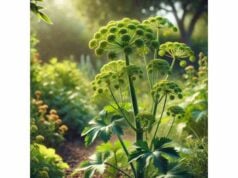
Lace fern, better known to botanists as Asparagus setaceus, is one of those plants that looks soft and delicate but needs a more careful reading when health use is discussed. It is not a true fern, and it is not the same thing as edible garden asparagus. Most people know it as an ornamental houseplant with feathery, airy foliage, yet traditional records from parts of Africa and older materia medica sources also describe it as a medicinal plant. That gap matters. In modern practice, lace fern is not a well-established herbal remedy with standardized extracts, clinical dosing, or strong human trials.
Still, it is worth understanding because it sits at the intersection of traditional use, phytochemistry, and safety concerns. Reports link it with urinary complaints, some respiratory problems, intestinal parasites, and topical use for inflamed skin. The plant also appears to contain bioactive compounds such as saponins and phenolic substances. The most practical takeaway, though, is simple: lace fern is a plant with traditional medicinal interest, but weak modern evidence and meaningful safety limits.
Quick Overview
- Lace fern is mainly an ornamental plant, and its medicinal use remains traditional rather than clinically established.
- Traditional reports connect it with urinary complaints and some respiratory concerns, but modern proof is limited.
- Bioactive compounds may include saponins, phenolics, flavonoids, and related glycosides.
- No standardized medical dose exists; one ethnobotanical report describes a single glass of root infusion as a traditional one-time oral use.
- Avoid self-treatment during pregnancy, breastfeeding, childhood, or in homes with pets because berries and sap can be harmful.
Table of Contents
- What is lace fern?
- Key ingredients and compounds
- Does lace fern have benefits?
- How lace fern is used
- How much should you use?
- Safety, side effects, and interactions
- What the evidence says
What is lace fern?
Lace fern is a perennial climbing or scrambling plant in the asparagus family, not a true fern. Its soft, lace-like appearance comes from flattened branchlets called cladodes, while the true leaves are tiny scales. That distinction may seem botanical, but it helps explain why the plant is often misunderstood. Many readers assume that “fern” means a non-flowering woodland herb, when in fact lace fern is an asparagus relative with a very different chemistry, growth habit, and safety profile.
In everyday life, lace fern is far more familiar as a decorative plant than as a medicine. It is sold for hanging baskets, indoor containers, bonsai-style displays, and cut-flower arrangements. Mature plants can form wiry stems with sharp spines, and they may produce small berries. That is one reason the plant deserves caution around children and pets. A delicate look does not mean gentle handling.
Another important point is identity. Lace fern is often confused with other ornamental asparagus species, and sometimes even with medicinal asparagus plants discussed in traditional systems. That confusion can distort advice. A claim made for Asparagus racemosus or for edible Asparagus officinalis should not automatically be transferred to Asparagus setaceus. They belong to the same genus, but they are not interchangeable herbs. In practical herbal work, that difference is as important as the difference between culinary mint and pennyroyal: related does not mean equivalent.
Traditional use records do exist. In ethnobotanical literature, lace fern appears in reports from East and southern Africa for concerns such as urinary problems, respiratory complaints, and intestinal parasites. Some sources also note broader traditional use categories such as tonic or topical application. Even so, the plant has never developed the kind of modern clinical profile that would place it among well-studied medicinal herbs. There is no widely accepted monograph, no standard extract that clinicians rely on, and no large body of human research to guide routine use.
That makes the most accurate introduction this: lace fern is an ornamental plant with pockets of traditional medicinal use, not a mainstream evidence-based herbal remedy. Anyone considering it for health reasons should begin there rather than with marketing language.
Key ingredients and compounds
When people ask about the “key ingredients” in lace fern, they usually mean the classes of plant chemicals that could explain its traditional uses. The available literature suggests that lace fern and related asparagus species contain several groups worth noting, but the evidence is uneven. In some cases, the compounds are described directly in Asparagus setaceus. In other cases, they are much better characterized in other members of the genus and only loosely informative for lace fern.
The most discussed group is steroidal saponins. These are soap-like plant compounds found across the asparagus genus. Saponins often attract attention because they can influence membranes, bitterness, foam formation, and, in some plants, expectorant or immunologic effects. In asparagus research more broadly, saponins are frequently linked with antioxidant, metabolic, anti-inflammatory, or cytotoxic observations. For lace fern, that does not prove therapeutic benefit, but it does make the traditional respiratory and digestive uses biologically plausible enough to study.
Another relevant group is phenolic compounds, including flavonoids. In the wider asparagus literature, phenolics such as rutin, quercetin, kaempferol, and various phenolic acids are associated with antioxidant activity. Species-specific reports on lace fern also describe phenolic-type constituents, along with related antioxidant potential in test systems. These molecules matter because they are often the first place researchers look when a plant has a traditional reputation for calming irritation or protecting tissues from oxidative stress.
Older and smaller sources also mention glycosides, anthocyanin pigments, and amino-acid-related compounds such as asparagine. These findings are interesting, but they should be read with restraint. A list of compounds is not the same as a demonstrated medical effect. It only tells us that the plant contains chemicals that might influence biology under certain laboratory conditions.
There is also a practical problem with extrapolation. Garden asparagus, the better-studied species in the genus, contains saponins, phenolics, sulfur compounds, fiber-associated fractions, and other constituents that have drawn serious research interest. But lace fern is not grown, extracted, or studied in the same way. The plant part matters. The solvent matters. Fresh roots, dried roots, leaves, rhizomes, stems, and ornamental material from greenhouse production are not chemically identical. Even within the same species, composition can shift with season, maturity, and growing conditions.
So the most useful way to think about lace fern’s ingredients is this: the plant likely contains bioactive phytochemicals from the same broad families that give other asparagus species some pharmacologic interest, especially saponins and phenolic compounds. That supports further research. It does not, by itself, justify confident claims about specific health outcomes, standardized potency, or routine supplementation.
Does lace fern have benefits?
Lace fern may have medicinal potential, but the word “benefits” needs careful handling here. The plant’s reported benefits come from three different levels of evidence, and they are not equally strong. First, there are traditional uses recorded by local communities. Second, there are small laboratory studies using extracts. Third, there is broader asparagus-genus research that shows what related species can do in test systems. Those layers overlap, but they are not the same thing.
The traditional benefit pattern is fairly consistent. Lace fern has been reported for:
- urinary complaints and difficult urination,
- some respiratory issues, including cough or infection-related uses,
- intestinal worms or parasite-related problems,
- topical use for skin irritation or inflamed areas,
- general tonic-type or demulcent use in older descriptions.
These uses make a certain degree of pharmacologic sense. A plant rich in saponins and phenolic substances could, in theory, show mild antimicrobial, anti-inflammatory, or soothing activity. That may be one reason communities kept the plant in medicinal memory. Traditional use often preserves leads long before modern laboratories explain them.
But realistic expectations matter more than possibility. At the moment, lace fern cannot be placed in the same category as well-studied herbs for cough, constipation, blood sugar control, or inflammation. There is no solid evidence that it reliably lowers fever, clears infection, improves kidney function, or treats parasites in modern clinical settings. For most of the claimed benefit areas, the best that can be said is this: the plant has traditional relevance and some laboratory interest, but not proven therapeutic performance in people.
A balanced way to rank its possible benefits would look like this:
- Most plausible: mild bioactive activity related to antioxidant or irritation-modulating plant compounds.
- Traditionally meaningful but unproven: support for urinary, respiratory, or parasite-related folk uses.
- Not established: any claim that lace fern is a dependable treatment for infection, diabetes, cancer, inflammatory disease, or chronic digestive illness.
One overlooked benefit is not medicinal at all: the plant can remind readers how often ornamental species are folded into local healing traditions. That matters for cultural history and for future research. A plant does not need to be ready for modern self-treatment to be worthy of serious attention.
So, does lace fern have health benefits? Possibly, in a narrow and preliminary sense. It may contain compounds with measurable bioactivity, and it has been used traditionally for several conditions. But there is still a large gap between “interesting plant with medicinal history” and “reliable herb for daily use.” Right now, lace fern belongs much closer to the first category than the second.
How lace fern is used
Traditional use records show that lace fern has been prepared in several ways, depending on the condition being addressed and the part of the plant chosen. Roots are the most commonly mentioned medicinal part, but leaves and stems also appear in some regional practices. That variety is important because it tells us people were not treating lace fern as a single uniform remedy. They were matching plant part and preparation to the situation.
Common traditional preparation styles include:
- infusions or decoctions of the root,
- pounded leaf and stem mixtures with water,
- external applications to the skin or affected area,
- combined remedies in which lace fern is mixed with other plants or foods.
In one Ethiopian ethnobotanical report, the plant was recorded for urinary problems and respiratory infection using leaves and stems prepared with black cumin seed and water. In another, the root was boiled into an infusion taken orally for tapeworm and ascariasis. Southern African review literature also records root infusions used for tuberculosis in traditional practice. These descriptions are valuable because they show what communities actually did, rather than what later writers assumed the plant could do.
At the same time, they should not be read as ready-made home instructions. Traditional formulas are part of a local medical system. The dose, strength, plant age, freshness, co-ingredients, and healer judgment all influence the outcome. Remove the plant from that context and the formula becomes much less predictable.
There are also modern practical reasons to avoid casual self-preparation from ornamental specimens. Houseplants may be treated with pesticides, fungicides, leaf-shine products, or fertilizer residues not intended for internal use. Retail plants can also be mislabeled. A home grower might think they have lace fern and actually have another ornamental asparagus species. Even if the identification is correct, medicinal quality control is absent. No one is measuring saponin content, contaminant load, or microbe safety in a decorative pot on a windowsill.
For readers interested in practical use cases today, the safest interpretation is conservative:
- Lace fern belongs in the category of traditional ethnomedicine, not routine self-care herbs.
- Oral use should be viewed as specialized and uncertain, not casual tea practice.
- Topical contact should also be cautious because sap and physical spines can irritate.
- Anyone pursuing traditional plant medicine should work with accurate species identification and professional guidance.
In other words, lace fern has been used in infusions, decoctions, and external preparations, but the fact that something was used traditionally does not mean it is ready for unsupervised modern use. Traditional use is a starting point for understanding, not a shortcut around safety.
How much should you use?
This is the section where caution matters most. There is no clinically established, evidence-based human dosage for lace fern. No standard capsule exists. No validated extract strength exists. No guideline tells you how many milligrams of root, leaf, or whole-plant preparation can be used safely. That alone separates lace fern from better-studied medicinal plants.
What we do have are traditional dose descriptions, and they should be presented as historical or ethnobotanical data, not as confirmed medical recommendations. One Ethiopian study describes a root infusion taken in a single glass all at once for tapeworm and ascariasis. Other traditional records describe root infusions taken several times per day for tuberculosis-related use. These descriptions give us a rough picture of how communities used the plant, but they do not tell us the concentration, extraction strength, dry-weight equivalent, or safety margin.
That uncertainty creates several problems.
First, a “glass,” “cup,” or “bottle” is not a chemically meaningful dose. The volume may be easy to picture, but the amount of active compounds can vary sharply depending on how much plant material was used, whether the roots were fresh or dried, how long they were boiled, and whether the liquid was concentrated.
Second, traditional dosing may be tied to body size, symptom severity, culture-specific preparation habits, or healer observation. Without that context, a copied recipe can become more guesswork than guidance.
Third, the plant is not supported by human safety trials. Even if a traditional dose is recorded, that does not mean it is safe for pregnant adults, children, older adults, or people taking prescription medicines.
The most practical dosage advice, therefore, is not a number but a rule:
- Do not treat lace fern like a standardized supplement.
- Do not extrapolate doses from edible asparagus or from other medicinal asparagus species.
- Do not use old ethnobotanical amounts as if they were modern prescribing instructions.
If a trained practitioner who understands both herbal medicine and plant identification recommends lace fern, the discussion should include plant part, preparation method, source quality, intended duration, and monitoring for adverse effects. Without that framework, “how much” cannot be answered responsibly.
For most readers, the sound conclusion is straightforward: there is no verified daily dose, no proven timing, and no established long-term use pattern for lace fern. Traditional reports suggest intermittent, symptom-focused use rather than routine preventive dosing, but modern self-treatment still cannot be recommended with confidence.
Safety, side effects, and interactions
Lace fern may look gentle, but safety is the strongest reason not to approach it casually as a medicinal herb. Several practical concerns stand out: the plant can have poisonous berries, irritating sap, and sharp spines. That means risk exists whether the plant is swallowed, handled, or simply kept in an active household.
The most commonly discussed side effects are:
- stomach upset after ingestion,
- abdominal pain,
- vomiting,
- diarrhea,
- skin irritation after contact with sap,
- mechanical scratches or punctures from spines.
That profile is enough to shift lace fern out of the “low-risk kitchen herb” category. A plant does not need to be highly toxic to be a poor choice for self-experimentation. Mild-to-moderate gastrointestinal effects, skin reactions, and uncertain dosing are already enough reason for restraint.
People who should avoid self-use include:
- pregnant or breastfeeding adults,
- children and older adults with frailty,
- people with chronic liver or kidney disease,
- anyone with a history of plant-contact dermatitis,
- anyone trying to self-treat infection, parasites, or persistent urinary symptoms,
- households with dogs or cats that may chew foliage or berries.
Drug interactions are not well studied, which creates its own problem. When interaction evidence is sparse, the safest approach is not to assume there is none. Caution is especially reasonable for people taking medicines that affect fluid balance, blood sugar, or complex chronic disease management. That does not mean lace fern is proven to interfere with those drugs; it means the absence of research should push decisions toward supervision, not confidence.
There is also a medical safety issue around delayed care. Traditional respiratory or urinary uses may sound appealing, but cough lasting weeks, urinary burning, blood in urine, suspected parasites, or unexplained abdominal pain deserve proper diagnosis. An unproven plant remedy can postpone treatment of tuberculosis, bacterial infection, kidney stones, inflammatory bowel conditions, or other serious problems. In practice, that is often the greatest risk.
A useful safety summary is this: lace fern should be treated more like a plant with medicinal folklore and handling risk than like a trusted household remedy. If there is any accidental ingestion, significant rash, eye exposure, or persistent vomiting or diarrhea, medical advice should be sought promptly. And if the concern involves a pet, veterinary guidance matters quickly because ornamental asparagus plants are well known troublemakers in animal settings.
What the evidence says
The evidence for lace fern is thin, mixed, and easy to overstate if sources are not separated carefully. A strong way to read the literature is to sort it into four layers: ethnobotanical records, species-specific lab studies, genus-level pharmacology, and clinical evidence.
Ethnobotanical records are the strongest evidence that people have used lace fern medicinally. Multiple studies document local use for urinary, respiratory, parasite-related, and topical complaints. These studies are valuable because they preserve real-world cultural knowledge. But they do not prove effectiveness in the clinical sense. They show what was used, not what worked best under controlled conditions.
Species-specific laboratory evidence for Asparagus setaceus is still small. The available study base suggests that extracts have some measurable biological activity, but not a compelling pattern of strong medicinal performance. In fact, one study found relatively low antioxidant, antibacterial, melanin-inhibitory, and anti-inflammatory significance while also noting dose-dependent cytotoxic activity in certain extracts. That combination matters. A plant extract showing cytotoxicity in a lab dish is not automatically useful for human medicine, and it can also raise safety questions rather than confidence.
Genus-level asparagus research is more developed, especially for edible Asparagus officinalis. Reviews of that species show clear interest in saponins, phenolics, antioxidant effects, metabolic effects, and other bioactive properties. Yet even there, much of the evidence remains limited to in vitro or animal models. That is helpful background, but it does not upgrade lace fern into a proven medicinal plant. At most, it tells us that the genus contains chemically interesting species and that lace fern deserves more direct study.
Human clinical evidence is the missing piece. There is no robust, modern body of human trials showing that lace fern safely treats urinary symptoms, respiratory infections, parasites, or chronic inflammatory problems. There is no accepted therapeutic dose, no standardized extract, and no consensus clinical indication.
So what is the fairest bottom line?
Lace fern is best understood as:
- an ornamental species with documented traditional medicinal use,
- a plant that likely contains meaningful bioactive compounds,
- a candidate for further phytochemical and pharmacologic research,
- and not a validated self-treatment herb for common health problems.
That conclusion may sound restrained, but it is actually useful. It keeps tradition visible, respects the plant’s chemistry, and avoids false certainty. For a reader deciding whether lace fern belongs in daily herbal practice, the answer today is mostly no. For a researcher asking whether it deserves more careful study, the answer is clearly yes.
References
- A Review of the Pro-Health Activity of Asparagus officinalis L. and Its Components 2024 (Review). ([PMC][1])
- Ethnobotanical study of traditional medicinal plants used by the local Gamo people in Boreda Abaya District, Gamo Zone, southern Ethiopia 2024 (Ethnobotanical Study). ([PMC][2])
- Ethnobotanical investigation of medicinal plants utilized by indigenous communities in the Fofa and Toaba sub-districts of the Yem Zone, Central Ethiopian Region 2025 (Ethnobotanical Study). ([PMC][3])
- Investigation of the Biological Activities of Asparagus setaceus Kunth. 2020 (In Vitro Study).
- Asparagus setaceus (Asparagus Fern, Climbing Asparagus, Common Asparagus Fern, Feathered Asparagus Fern, Ferny Asparagus, Lace Fern, Plumosa Fern) | North Carolina Extension Gardener Plant Toolbox Undated (Extension Reference). ([Plant Toolbox][4])
Disclaimer
This article is for educational purposes only and is not medical advice, diagnosis, or treatment. Lace fern is not a well-validated medicinal herb, and traditional use should not replace evaluation by a qualified healthcare professional. Do not use this plant to self-treat infections, urinary symptoms, parasites, persistent cough, pregnancy-related concerns, or chronic disease. Seek prompt medical or veterinary guidance after accidental ingestion, significant skin reaction, or suspected poisoning.
Please share this article on Facebook, X, or your preferred platform if you found it useful.