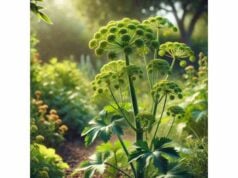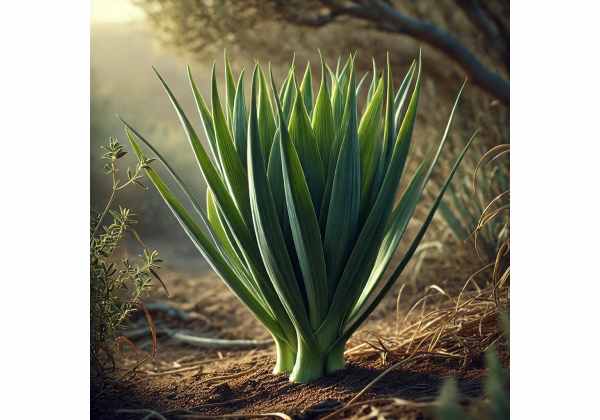
Leek is one of those plants that quietly bridges the kitchen and the apothecary. Mild, sweet, and deeply aromatic when cooked, it belongs to the allium family alongside garlic, onions, and chives, yet it has a gentler personality than most of its relatives. Botanically linked to Allium ampeloprasum, and often treated in modern references as cultivated leek or a close botanical form of it, this vegetable has long been valued not only for flavor but also for its nourishing and medicinal qualities.
What makes leek especially interesting is how many useful traits come together in one familiar food. It offers prebiotic fiber, sulfur-containing compounds, flavonoids, folate, vitamin K, and antioxidant phenolics, especially in the darker green parts. Traditionally, it has been used to support digestion, bowel regularity, circulation, and recovery during cold weather. Modern research points toward gut, cardiovascular, and anti-inflammatory benefits, although the strongest evidence still comes from broader allium research rather than from large leek-specific trials.
That makes leek worth taking seriously, but in the right way: as a health-supportive food first, and only secondarily as a medicinal herb.
Core Points
- Leek supports digestion through fiber, fructans, and gentle aromatic compounds.
- Its sulfur compounds and flavonoids may help support heart and metabolic health as part of a healthy diet.
- A practical food-based range is about 1/2 to 1 cup cooked leek, or about 1 cup raw sliced, per serving.
- People with IBS, fructan sensitivity, or an allium allergy may need to limit or avoid leek.
- The green tops often contain more phenolic compounds than the white shaft.
Table of Contents
- What Is Leek
- Key Ingredients and Medicinal Properties
- What Leek May Help With
- How to Use Leek
- How Much Leek Per Day
- Side Effects, Interactions, and Who Should Avoid It
- What the Evidence Really Shows
What Is Leek
Leek is a cultivated allium grown for its long white shaft and tender green leaves. In daily cooking, it behaves like a softer, sweeter cousin of onion, with less bite and more depth. Botanically, the naming can be a little messy. The title here uses Allium ampeloprasum, which is a broad botanical grouping that includes cultivated leek, while many horticultural and taxonomic sources also treat ordinary leek as Allium porrum or Allium ampeloprasum var. porrum. For readers, the practical point is simple: this is the common edible leek used in soups, braises, savory pies, broths, and warm vegetable dishes.
Unlike bulb onions, leeks do not form a dense round storage bulb. Their edible portion is the blanched lower shaft, which is created by growing soil or mulch around the stem to keep it pale and tender. The darker leaves above ground are fully edible too, though they are tougher and often work better in stocks, braises, or blended soups than in quick sautés. That distinction matters because the green portions often carry more phenolic compounds, while the white shaft is the part most people cook with regularly.
Leek has a long history as both food and remedy. In European and Mediterranean traditions, it has been used as a nourishing vegetable for digestion, bowel movement, urinary flow, chest congestion, and general recovery. It was never as intense or pungent as garlic, but it earned a reputation for being easier to tolerate while still offering some of the same family traits. That makes sense when you taste it. Leek does not hit as sharply as garlic or raw onion. It unfolds slowly, especially with heat.
From a nutritional and medicinal perspective, leek sits in an appealing middle ground. It is more substantial than a garnish herb, but milder than the strongly medicinal alliums. If you already know onion and its sulfur-rich compounds, leek fits beside it as a gentler, more fiber-friendly member of the same broader tradition.
Another useful distinction is between leek as a food and leek as a remedy. In normal meals, it functions primarily as a health-supportive vegetable. In dried powders, concentrated juices, or unusual preparations, it begins to behave more like a botanical ingredient. Most people do best when they stay closer to the first category. Leek’s strongest advantage is not that it acts like a supplement. It is that it makes healthy, savory food easier to enjoy on a regular basis.
So the most accurate way to think about leek is this: it is a nourishing allium vegetable with a long medicinal history, a mild aromatic profile, and a better case as a daily functional food than as a high-dose herbal intervention.
Key Ingredients and Medicinal Properties
Leek’s health value comes from a mix of nutrients, fibers, and bioactive plant compounds rather than from one dominant “active ingredient.” That is important because it helps explain why leek works best as a regular food. Its benefits come from layering, not from force.
The most important compound groups in leek are:
- Organosulfur compounds
- Flavonoids, especially kaempferol derivatives
- Phenolic acids such as ferulic, p-coumaric, and related acids
- Fructans and other prebiotic fibers
- Vitamins and minerals, especially folate, vitamin K, manganese, and some vitamin C
Like other alliums, leek contains sulfur-containing compounds that contribute to its aroma and much of its biological interest. These compounds are less famous than garlic’s allicin-centered chemistry, but they still matter. They are part of why allium vegetables are repeatedly studied for antioxidant, anti-inflammatory, antimicrobial, and cardiometabolic effects. If you want the more concentrated version of that story, garlic’s better-studied sulfur chemistry shows what happens when the same plant family becomes much more pharmacologically intense.
Leek is also notable for its flavonoids, especially kaempferol. This matters more than many readers realize. Kaempferol is a polyphenol associated in research with antioxidant and anti-inflammatory activity, and leek appears to be a useful dietary source. Modern studies also suggest that the green upper leaves often contain more phenolics and stronger antioxidant activity than the pale lower shaft. In everyday terms, this means the parts people trim away too quickly may hold some of the plant’s most interesting chemistry.
Then there are the fructans. These are fermentable carbohydrates that can act as prebiotic fibers, helping feed beneficial gut bacteria. For many people, that is a benefit. It can support bowel regularity, microbiome diversity, and short-chain fatty acid production in the colon. But fructans are also the reason leek can be difficult for people with IBS or FODMAP sensitivity. This dual nature is one of leek’s most useful insights: the very fiber that helps one person may bother another.
Medicinally, leek is best described as having these practical properties:
- Mild digestive and carminative support
- Prebiotic and bowel-supportive activity
- Antioxidant and anti-inflammatory potential
- Gentle cardiometabolic support as part of an allium-rich diet
- Mild antimicrobial potential in laboratory settings
It is also a quietly nutrient-dense vegetable. It is not especially high in calories, but it contributes meaningful fiber, micronutrients, and phytochemicals to meals. That makes it different from herbs used only in tiny amounts. Leek can actually move the nutritional pattern of a meal.
The most balanced interpretation is that leek is medicinal because it is food. Its chemistry is real, its compounds are well enough mapped to be credible, and its effects are cumulative. It does not need to act like a strong extract to be useful. Its strength is consistency, not intensity.
What Leek May Help With
Leek is most useful when its benefits are understood in realistic terms. This is not a dramatic herb. It is a steady one. Most of its advantages come from regular dietary use rather than from a short burst of high dosing.
The most believable benefit is digestive support. Leek provides fiber, water, and aromatic compounds that can help meals feel more substantial without being overly heavy. For people who tolerate fructans well, leek may support bowel regularity and a healthier gut environment. It is one of those vegetables that often improves the texture and digestibility of a meal at the same time. In soups and braises, it softens into a soothing, savory base that many people find easier to handle than raw onion.
A second area is gut microbiome support. The fructans in leek act as prebiotic substrates, which means they can feed beneficial gut microbes. Over time, that can support better fermentation patterns and the production of useful metabolites in the colon. This is where leek acts more like a functional food than a classic medicinal herb. It is not fixing the gut in a direct, drug-like way. It is helping shape the environment in which gut bacteria live.
A third likely benefit is cardiometabolic support. This is not based on leek alone, but on its role inside the broader allium family. Diets richer in allium vegetables are often discussed in relation to heart and metabolic health because of their sulfur compounds, flavonoids, and antioxidant activity. Leek is milder than garlic and onion, and the clinical evidence is less developed, but it still belongs in that conversation. If you already know chives as another gentle allium food-herb, leek fits the same pattern of steady, low-intensity support.
There is also a case for anti-inflammatory and antioxidant support. Laboratory work consistently shows that leek contains compounds that can neutralize free radicals and influence inflammatory pathways. That does not mean eating leek acts like an anti-inflammatory drug. It means leek can contribute to an overall diet that is friendlier to vascular, gut, and tissue health.
Some traditional sources also describe leek for:
- Mild urinary support
- Recovery during colds
- Chest heaviness in broths or warm soups
- General nourishment during convalescence
These older uses still make intuitive sense, especially when leek is part of a warm, hydrating meal. But they should be understood as supportive, not curative.
Leek may be less useful for people who want a strong, immediate effect. It is not the right plant if the goal is a quick laxative result, a major blood sugar intervention, or dramatic symptom control. It is better for long-range benefits:
- Better vegetable intake
- More fiber-rich savory meals
- More allium compounds without the harshness of garlic
- Better culinary variety in health-focused diets
That is the quiet power of leek. It helps by being easy to eat often. Many medicinal plants are impressive on paper but hard to use consistently. Leek succeeds because it fits normal food. That makes its modest benefits more practical than they first appear.
How to Use Leek
Leek is easiest to use well when you treat its white and green parts as slightly different ingredients. The white shaft is tender, mild, and sweet when cooked. The green tops are stronger, more fibrous, and often better for slow cooking, blended soups, and stocks. Using both well is one of the best ways to get more value from the plant.
The classic ways to use leek are culinary:
- Sautéed as a base
- Slice thinly and cook gently in oil or butter.
- Good for soups, stews, bean dishes, and egg dishes.
- Braised or roasted
- Halved leeks become tender and sweet with longer cooking.
- This works well when you want leek to be the main vegetable rather than just a background flavor.
- Soup and broth
- One of leek’s best forms.
- It pairs naturally with potato, celery, carrot, and herbs in cold-weather meals.
- Raw in small amounts
- Thin slices can add brightness to salads or grain bowls.
- Raw leek is sharper and harder for some people to digest.
- Green tops for stock
- Tougher leaves add flavor to broth and can be strained out later.
Because leek sits between onion and herb, it also blends beautifully with other aromatics. In warm soups and restorative broths, it pairs especially well with ginger in warming, savory preparations. That combination is useful when you want food that feels both light and strengthening.
If the goal is more medicinal use, the sensible forms are still food-based:
- Light vegetable broths
- Soups built around softened leek
- Dried leek flakes or powder as a seasoning
- Juiced leek only in small culinary-style combinations, not as a high-dose remedy
What usually makes less sense is trying to force leek into forms it does not naturally suit. It is not a classic tincture herb. It is not a standard tea herb. It is not well established as a concentrated supplement for everyday self-care. People often get more benefit from using more leek in meals than from trying to “medicinalize” it too aggressively.
A few practical techniques improve both tolerance and benefit:
- Wash thoroughly, because soil often hides between the layers.
- Cook slowly for sweetness and better digestibility.
- Use the greens instead of discarding them automatically.
- Start cooked rather than raw if your stomach is sensitive.
- Combine with fat, broth, or other vegetables for gentler digestion.
For people with sensitive digestion, preparation matters a great deal. Well-cooked leek is usually easier to tolerate than raw leek. Long, moist cooking breaks down texture and softens its sulfur edge. That makes soups, braises, and blended vegetable dishes better entry points than raw chopped leek.
The best way to use leek, then, is not as a dramatic remedy but as a repeatable health-supportive ingredient. Its real medicinal value often shows up in the meals you can build around it, not in any one isolated dose.
How Much Leek Per Day
There is no standardized medicinal dose for leek in the way there is for some concentrated supplements. That is because leek is primarily a food. The most useful dosage guidance is therefore food-based, not extract-based.
A practical everyday range looks like this:
- Raw sliced leek: about 1/2 to 1 cup per serving
- Cooked leek: about 1/2 to 1 cup per serving
- Dried leek flakes or powder as seasoning: usually 1 to 2 teaspoons in food, not as a stand-alone medicinal dose
For most healthy adults, using leek several times per week fits comfortably into a health-supportive diet. If someone enjoys it and digests it well, there is usually no need to think in “courses” or “cycles” the way you might with a stronger botanical. The more relevant question is not “How much leek is medicinal?” but “How much leek can I use regularly without digestive trouble?”
That said, tolerance varies a lot. The main variable is fructans. These are the same prebiotic fibers that make leek potentially helpful for gut health, but they can also lead to bloating, gas, cramping, or bowel urgency in susceptible people. If you know you react strongly to onions, garlic, or high-FODMAP foods, start much lower.
A sensible approach is:
- If you tolerate alliums well
- Start with about 1/2 cup cooked leek in a meal.
- Increase to 1 cup if comfortable.
- If you are sensitive or unsure
- Start with a few tablespoons of well-cooked leek.
- Observe bloating, cramping, and stool changes.
- If you are following a low-FODMAP approach
- Treat leek cautiously and individualize intake.
- Many people tolerate only small amounts, and some do better with the green parts than the white shaft.
Timing can matter too. Leek is often easiest to tolerate:
- With a full meal rather than on an empty stomach
- Cooked rather than raw
- Earlier in the day if high-fiber evening meals tend to cause discomfort
Because leek is mostly used as food, long-term use is usually fine for those who digest it well. The bigger issue is not toxicity. It is tolerance. This is one of the cases where the right “dose” is the dose your gut can handle consistently.
If your main goal is digestive fiber but leek repeatedly triggers symptoms, forcing the issue is not wise. Some people do better shifting toward a more targeted option such as psyllium for structured fiber support, then returning to leek only in smaller culinary amounts.
So how much leek per day is right? Enough to support your meals without pushing your digestion past its comfort zone. For many people, that means 1/2 to 1 cup cooked in a meal, a few times each week, with smaller starting amounts if sensitivity is likely.
Side Effects, Interactions, and Who Should Avoid It
Leek is generally very safe as food, but food-safe does not always mean symptom-free. Its main safety issues are digestive tolerance, allium sensitivity, and the difference between normal dietary use and concentrated use.
The most common downside is gas, bloating, and abdominal discomfort, especially in people with IBS or fructan intolerance. This is not a small detail. Leek is part of a group of vegetables that many people with bowel sensitivity find hard to digest. In those cases, the problem is not that leek is “bad.” It is that its fermentable fibers are highly active in the gut. For one person, that means prebiotic benefit. For another, it means cramps and pressure.
The second issue is allium allergy or sensitivity. True allergy is not common, but it does happen. A person who reacts to onion, garlic, or chives may also react to leek. Symptoms can range from oral irritation and stomach upset to rash or stronger allergic signs in susceptible people.
A third practical issue is intake consistency. Leek contains vitamin K, though not in extreme amounts. For most people, that is simply a positive nutritional feature. But for anyone using warfarin or another vitamin K–sensitive anticoagulation plan, major swings in intake can matter more than the vegetable itself. The key is not total avoidance. It is consistency and clinician awareness.
Possible side effects from heavy or poorly tolerated intake include:
- Gas
- Bloating
- Cramping
- Loose stools
- Heartburn in some people
- Mouth or skin irritation in sensitive users
Interactions are more theoretical at food doses than at supplement doses. Ordinary culinary leek is unlikely to create major drug issues on its own. Concentrated juices, powders, or unusual extracts are less predictable. If a person is using diabetes medicine, anticoagulants, or a tightly managed therapeutic diet, it makes sense to mention large dietary changes to a clinician.
Who should be cautious or limit use:
- People with IBS or known fructan sensitivity
- People with a known allium allergy
- People on tightly managed vitamin K–sensitive therapy if intake changes sharply
- People trying concentrated leek products rather than normal food forms
- Infants or medically fragile adults if tolerance is unknown
Pregnancy and breastfeeding are usually straightforward when leek is eaten as normal food. The evidence gap applies more to concentrated medicinal-style use than to soup, braised vegetables, or ordinary home cooking.
For people who want a gentler digestive herb when alliums are too provocative, peppermint for digestive comfort can make more sense than pushing through repeated leek intolerance.
So who should avoid leek entirely? Mostly people with a clear allergy or consistent major bowel reactions. Everyone else is usually deciding less about safety and more about tolerance. That is an important distinction. Leek is a healthy food for many, but not necessarily a comfortable one for all.
What the Evidence Really Shows
Leek has a respectable scientific profile, but its evidence is stronger for plausibility than for hard clinical proof. That means it sits in a useful middle ground: more than folklore, less than a fully validated therapeutic herb.
The strongest evidence concerns composition. Researchers have clearly shown that leek contains organosulfur compounds, flavonoids, phenolic acids, fiber, and micronutrients relevant to human health. There is also solid evidence that the green parts often contain more phenolic compounds and greater antioxidant activity than the pale shaft. That gives real chemical support to the idea that leek is more than just a mild onion substitute.
The next layer of evidence is mechanistic and preclinical. Studies of allium vegetables, including leek, repeatedly point toward antioxidant, anti-inflammatory, antimicrobial, and cardiometabolic potential. This body of work is meaningful, but it has limits. A promising cell study or animal model does not automatically translate into a measurable human benefit from a bowl of soup.
Then there is broader allium evidence. This is where leek benefits from belonging to a well-studied family. Garlic and onion have far more human research behind them, and many of the pathways being discussed for leek are inferred from shared chemistry across the genus. That is reasonable up to a point, but it also creates a common mistake: people sometimes borrow strong garlic claims and paste them onto leek. The plants are related, not interchangeable.
Leek-specific human trials are still relatively sparse. That means there is no strong basis for claiming that leek alone, in ordinary dietary amounts, treats diabetes, lowers cholesterol in a clinically significant way, or acts as a stand-alone anti-inflammatory therapy. What the evidence supports better is this:
- Leek is a nutrient-dense allium vegetable
- It contributes relevant phytochemicals to the diet
- It likely supports health through the same broad dietary pattern that makes allium-rich eating valuable
- It deserves more clinical study than it has received
This is also why the most accurate language around leek is dietary, not pharmaceutical. It may support:
- Better gut ecology in people who tolerate fructans
- A more antioxidant-rich eating pattern
- The broader advantages of allium consumption
- Better vegetable diversity without the harshness of raw onion or garlic
What it does not yet justify is exaggerated supplement-style marketing.
That balanced conclusion is actually one of leek’s strengths. It does not need dramatic claims to be worthwhile. A food that is easy to cook, pleasant to eat, chemically interesting, and potentially supportive across digestion, circulation, and inflammation is already valuable. The evidence says leek belongs in health-oriented meals with confidence, but in high-claim herbal medicine with restraint.
References
- Beyond seasoning nutrients bioactive ingredients and healthcare effects of Allium vegetables 2025 (Review)
- Allium vegetables: Traditional uses, phytoconstituents, and beneficial effects in inflammation and cancer 2023 (Review)
- Chemical constituents and medicinal properties of Allium species 2021 (Review)
- Dehydrated at Different Conditions and Powdered Leek as a Concentrate of Biologically Active Substances: Antioxidant Activity and Phenolic Compound Profile 2021
- Optimization of Polyphenol Extraction from Allium ampeloprasum var. porrum through Response Surface Methodology 2018
Disclaimer
This article is for educational purposes only and does not replace medical advice, diagnosis, or treatment. Leek is generally safe as food, but its fructan content can trigger bloating, gas, and bowel symptoms in some people, especially those with IBS. Medicinal or concentrated use of leek is not well standardized, and most of its benefits are best understood in the context of normal diet rather than as a replacement for medical care. Speak with a qualified healthcare professional if you have a known allium allergy, follow a medically restricted diet, use vitamin K–sensitive anticoagulation, or are managing ongoing digestive symptoms.
If this article helped you, please share it on Facebook, X, or your preferred platform.