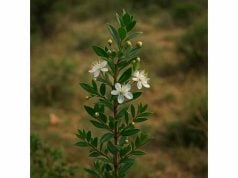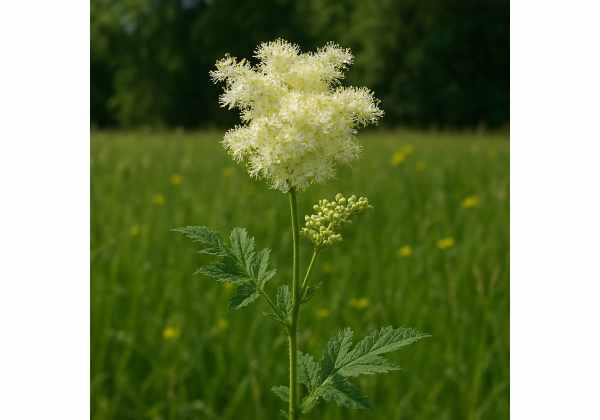
Meadowsweet is one of those herbs that seems to bridge two worlds at once. On one side, it is a graceful meadow plant with frothy, cream-colored flowers and a sweet, almond-like scent. On the other, it is a traditional medicinal herb with a long reputation for easing minor aches, soothing the upper digestive tract, and supporting the body during common cold-type complaints. Botanically known as Filipendula ulmaria, meadowsweet contains salicylate-related compounds, tannins, flavonoids, and other phenolics that help explain its anti-inflammatory, astringent, antioxidant, and tissue-soothing profile. That combination has made it especially interesting to herbalists looking for a plant that can calm irritation without feeling excessively harsh. Still, it should not be treated as a natural version of aspirin in any simplistic sense. Meadowsweet has its own chemistry, its own traditional uses, and its own safety considerations. Used thoughtfully, it can be a practical herb for mild, short-term concerns. Used casually, especially alongside salicylate-sensitive conditions or pain medicines, it deserves more respect than its soft flowers might suggest.
Quick Summary
- Meadowsweet is most often used for minor joint discomfort, common cold support, and upper digestive irritation.
- Its phenolic and salicylate-related compounds help explain its anti-inflammatory and tissue-soothing reputation.
- A common tea range is 1.5 to 6 g as an infusion, with a daily range of 2 to 18 g depending on the preparation.
- Avoid medicinal use if you are sensitive to salicylates, and avoid it during pregnancy and breastfeeding.
Table of Contents
- What Meadowsweet Is and Why It Has Remained Important
- Meadowsweet Key Ingredients and Medicinal Properties
- Potential Health Benefits and What the Evidence Suggests
- Common Uses for Digestion, Colds, Aches, and Gentle Herbal Support
- Dosage, Preparation, and How to Take Meadowsweet
- How to Choose Good Meadowsweet and Avoid Common Mistakes
- Meadowsweet Safety, Side Effects, and Who Should Avoid It
What Meadowsweet Is and Why It Has Remained Important
Meadowsweet, Filipendula ulmaria, is a perennial herb in the rose family that grows in damp meadows, riverbanks, marshy fields, and other moist habitats across Europe and parts of Asia. It is easy to recognize in season by its creamy clusters of flowers, reddish stems, and sweet fragrance. Historically, the flowering tops and sometimes the flowers themselves were used in beverages, household remedies, and medicinal preparations. In older European herbal traditions, meadowsweet was valued for fevers, rheumatic pain, stomach complaints, and general inflammatory states. That range sounds broad, but it becomes more coherent once you understand the plant as mildly anti-inflammatory, slightly astringent, and especially suited to irritated rather than depleted tissues.
Modern European herbal assessment keeps that traditional picture, but narrows it into clearer self-care uses. Official monograph guidance focuses on meadowsweet herb for the supportive treatment of common cold and for the relief of minor articular pain. That is narrower than the folklore, but it is a useful foundation because it matches both the plant’s chemistry and the way people are most likely to use it safely at home. Rather than claiming that meadowsweet is good for everything from indigestion to arthritis to immunity, it is more accurate to say that it has a long-standing role when mild inflammation and irritation are part of the picture.
One reason meadowsweet has remained relevant is that it offers a distinctive kind of herbal balance. Many people know the herb as a plant connected to salicylate-related compounds, which naturally leads to comparison with willow bark and salicin-related pain relief. The comparison is useful, but only to a point. Willow bark is usually framed more directly as a pain and fever herb. Meadowsweet has a softer reputation that includes pain and inflammation, but also digestive comfort and upper-respiratory support. In everyday herbal practice, it often feels less like a blunt pain herb and more like an herb for irritated, inflamed, or overreactive states.
Another reason meadowsweet persists is sensory. The herb smells pleasant and brews into a tea that many people find easier to take than intensely bitter medicinals. That matters. Herbs that are both useful and tolerable tend to survive in household medicine. Meadowsweet belongs in that category. It can fit naturally into a tea routine during a cold, after meals, or during a short spell of minor aches.
It is also worth noting that not every product labeled meadowsweet is the same. Some use the herb, some the flowers, and some tinctures or extracts. The aerial parts and flowering tops are the main traditional medicinal material, and the exact preparation can shift the balance between aroma, salicylate-related constituents, and tannin content. That is one reason thoughtful use begins with product clarity, not just a plant name.
Meadowsweet Key Ingredients and Medicinal Properties
Meadowsweet’s reputation rests on a layered phytochemical profile rather than on one single compound. The herb contains salicylate-related constituents such as salicylaldehyde and salicylic acid derivatives, but also flavonoids, tannins, phenolic acids, catechins, proanthocyanidins, and other polyphenols. This matters because people often reduce meadowsweet to “the aspirin plant,” and that shortcut is misleading. Meadowsweet is not simply plant aspirin. Its activity comes from a wider combination of compounds that together shape its effects on inflammation, tissue tone, and oxidative stress.
Among the better-known constituents are spiraeoside, rutin, quercetin-related compounds, chlorogenic acid, ellagic acid, catechin-type compounds, and tannins. Different plant parts vary in composition. Flowers and upper leaves tend to be richer in certain flavonoids and phenolic acids, while roots contain higher levels of catechins and related compounds. This is one reason many modern phytochemical studies look at separate plant organs rather than treating the whole plant as chemically uniform.
These compounds contribute to several medicinal properties that fit meadowsweet’s traditional use:
- mild anti-inflammatory activity
- antioxidant activity
- astringent and tissue-toning effects from tannins
- support for minor aches and articular discomfort
- supportive use in common cold contexts
- gentle upper-digestive soothing in traditional practice
The tannin side of the herb is especially important and often overlooked. Meadowsweet is not just aromatic and anti-inflammatory; it is also slightly astringent. That may help explain why it has traditionally been used when tissues feel irritated or overly reactive, including in the digestive tract. This gives it a different personality from herbs that are purely aromatic or purely mucilaginous. In practical terms, it can feel both calming and toning at the same time.
Its digestive reputation is sometimes compared with chamomile as another tea-friendly herb for irritated digestion, but the two plants are not interchangeable. Chamomile is often gentler, more obviously calming, and more broadly associated with tension-driven stomach complaints. Meadowsweet has a firmer, more phenolic, more inflammation-oriented profile. That can make it attractive when the issue feels hot, acidic, or irritated rather than simply nervous.
The anti-inflammatory interest around meadowsweet has also grown because laboratory and animal studies suggest that its activity may come from a synergy of genuine plant constituents and their metabolites after digestion. That is a useful reminder that whole-herb preparations may behave differently from isolated compound thinking. Meadowsweet works more like a botanical pattern than a single-molecule supplement.
A final point worth emphasizing is that preparation changes the chemistry the user actually gets. A tea draws out some components differently than a tincture. A dried herb capsule is different again. This is one reason product claims should be read carefully. A strong extract standardized for one group of compounds may not behave exactly like a traditional infusion. Understanding meadowsweet begins with respecting that difference rather than flattening all forms into one imagined “active ingredient.”
Potential Health Benefits and What the Evidence Suggests
The most reliable way to evaluate meadowsweet is to separate established traditional indications from broader experimental promise. Officially, the strongest traditional medicinal support is for the supportive treatment of common cold and for the relief of minor articular pain. Those are modest, realistic uses. They do not claim that the herb treats infection directly or cures arthritis. They place it where it seems most credible: as a traditional helper in mild inflammatory and cold-related self-care.
Preclinical research broadens that picture. Several studies suggest meaningful antioxidant and anti-inflammatory activity, including effects on cyclooxygenase pathways and inflammatory models in animals. Some work also suggests gastroprotective potential, antibacterial activity, and interesting metabolite-driven effects after digestion. This strengthens the herbal logic behind its older uses for pain, inflammation, and irritated tissues. Still, preclinical findings are not the same as clinical proof, and readers are better served by hearing that plainly.
One of the most persuasive modern findings is that both aerial and root extracts have shown anti-inflammatory activity in vitro and in vivo. That helps explain why meadowsweet has historically been used in painful and inflammatory conditions. At the same time, the herb should not be presented as a replacement for modern pain management when symptoms are persistent, severe, or diagnostically unclear. In home use, its most realistic role is modest relief, not disease control.
Digestive use is more nuanced. Meadowsweet has a longstanding folk reputation for “acid” stomach states, heartburn-like discomfort, and irritated digestion, and that reputation is partly supported by its phenolic profile and some gastroprotective animal research. Yet official modern monographs do not center digestive claims as strongly as older herbal traditions do. A balanced way to present this is to say that meadowsweet is a historically respected digestive herb, especially when the stomach feels hot or irritated, but the best formal modern support remains pain and cold-related traditional use.
There is also increasing interest in skin and cosmetic applications because of antioxidant and DNA-protective findings from newer laboratory work. This is scientifically interesting, but it does not justify presenting meadowsweet as a clinically proven anti-aging or anti-cancer herb. Those kinds of claims move much faster than the evidence.
A realistic benefit ranking looks like this:
- supportive use for common cold discomfort
- minor articular pain and inflammatory ache support
- traditional upper-digestive soothing, especially in irritated patterns
- antioxidant and tissue-protective potential
- emerging laboratory interest in skin, DNA-protective, and antimicrobial applications
For readers who mainly want help with digestive spasm and gas, peppermint for digestive spasm and post-meal discomfort is often a more direct comparison. Peppermint is stronger for cramp and gas. Meadowsweet tends to fit better when the complaint feels irritated, acidic, or heat-associated rather than merely tight and windy.
The most honest conclusion is that meadowsweet is a credible traditional anti-inflammatory herb with promising phytochemistry and a few especially plausible modern uses. It is worth using precisely, not mythically. That means appreciating its strengths without turning every lab result into a guarantee.
Common Uses for Digestion, Colds, Aches, and Gentle Herbal Support
In practice, meadowsweet is most often used as a tea, tincture, or capsule for mild, self-limited discomforts rather than as a long-term high-dose botanical. Tea remains the most natural starting point because it reflects traditional use and makes it easier to keep the herb within a moderate range. A warm cup during the early stages of a cold, on a day of mild body aches, or when the upper stomach feels irritated is still the classic pattern.
Common household-style uses include:
- tea during early cold-type symptoms
- support for mild body aches or minor joint stiffness
- traditional use for acidic or irritated upper digestion
- a gentle herb in mixed formulas for inflammatory discomfort
- aromatic, slightly astringent support when tissues feel hot and reactive
For common cold support, meadowsweet is not usually taken because it is thought to kill pathogens directly. It is used more because it may help with the discomfort around the illness: mild feverishness, aches, scratchy inflammation, and the general sense of being run down. This makes it more of a support herb than a primary antiviral herb. That distinction helps keep expectations sensible.
For minor articular pain, meadowsweet is often viewed as a gentle traditional option rather than a robust analgesic. It may fit when the ache is mild, diffuse, or tied to inflammation rather than injury. It is not the right herb for sudden severe pain, hot swollen acute arthritis, or unexplained persistent joint symptoms. In those situations, self-care needs to give way to evaluation.
Its digestive role is especially interesting because many herbalists describe meadowsweet as helpful when the stomach feels irritated by excess acidity or inflammatory reactivity. That makes it conceptually different from strongly bitter digestive herbs or warming carminatives. If someone has digestive discomfort that seems related to stress and irritation rather than coldness or stagnation, meadowsweet may make sense in a blended approach. In that kind of context, it can sometimes be paired conceptually with lemon balm for calm stomach support, though lemon balm leans more toward nervous tension and meadowsweet leans more toward inflammatory irritation.
Some people also use meadowsweet in seasonal formulas with chamomile, fennel, or licorice depending on the pattern. That can work well, but the herb still deserves clear purpose. If the goal is pain support, choose companions that do not blur the response too much. If the goal is upper-digestive soothing, avoid turning the formula into a catch-all “detox” blend with no real logic.
Topical use is less central than internal use, but newer research on protective and antimicrobial activity has created interest in cosmetic and skin-focused preparations. This is still an emerging area rather than a settled home remedy category. For now, most users will get the most from meadowsweet as an internal herb rather than as a DIY skin treatment.
The best practical uses remain the most traditional ones: common cold support, minor aches, and irritated digestion. Meadowsweet works best when it is allowed to stay in that grounded lane.
Dosage, Preparation, and How to Take Meadowsweet
The most concrete dosing guidance for meadowsweet comes from the European monograph. For adults and older adults, the comminuted herb used as an infusion is listed at a single dose of 1.5 to 6 g, with a daily dose of 2 to 18 g depending on indication and preparation. Powdered herb is listed at 250 to 500 mg per single dose and 250 to 1500 mg daily, while a 1:5 tincture is listed at 2 to 4 mL per single dose and 6 to 12 mL daily. Those ranges are broad, which means practical use should stay closer to the lower or middle end unless a qualified practitioner suggests otherwise.
A simple tea method looks like this:
- Measure 1.5 to 3 g dried meadowsweet herb for a lighter cup, or up to 6 g for a stronger traditional infusion.
- Pour hot water over the herb.
- Cover and steep for 10 to 15 minutes.
- Strain and drink warm.
- Repeat within the day only as needed and within reasonable total daily limits.
For many adults, a moderate dose works better than jumping to the upper range immediately. Meadowsweet is not a herb that needs dramatic dosing to make a point. In fact, because of its salicylate-related profile and tannin content, more is not automatically better.
Timing depends on the reason for use. For common cold support, many people begin at the first signs of feeling unwell and take the tea through the day. For minor aches, meadowsweet is often spaced across the day rather than taken all at once. For upper-digestive irritation, it may be more comfortable between meals or after food, depending on the individual response.
Duration also matters. Traditional guidance suggests using it early in a cold and consulting a healthcare professional if symptoms continue beyond about a week. For minor articular pain, longer unsupervised use is not the ideal default. If pain persists, the right next step is evaluation, not simply extending the herb.
Readers sometimes compare meadowsweet with licorice for upper-digestive soothing. That comparison is helpful because both herbs appear in traditional stomach-support discussions, but they behave differently. Licorice is more demulcent and endocrine-relevant. Meadowsweet is more phenolic, astringent, and inflammation-oriented. The dose logic is therefore different too.
A few sensible dosing habits prevent trouble:
- start with the lower end first
- stay with one form at a time
- do not combine it casually with several salicylate-rich or anti-inflammatory herbs
- do not use concentrated extracts as if they were tea
- keep self-care short term unless guided otherwise
Because meadowsweet products vary, labels matter. A capsule may contain powdered herb or a concentrated extract. A tincture may be standardized differently from traditional tea use. When in doubt, the product’s preparation method is as important as the number on the label. Good dosing begins with knowing what form you are actually taking.
How to Choose Good Meadowsweet and Avoid Common Mistakes
A good meadowsweet product should be clearly identified, pleasantly aromatic, and appropriate to the intended use. Dried herb should retain something of the plant’s sweet, slightly almond-like scent. If it smells flat, dusty, or musty, it may be too old or poorly stored to reflect the herb at its best. Because meadowsweet is partly valued for its phenolic and aromatic profile, freshness matters more than people sometimes expect.
The plant part also matters. Most traditional medicinal use centers on the herb or flowering tops, not just any random dried plant material. Products that clearly identify the aerial parts or herb are more reassuring than vague labels that only say “Filipendula extract” with no context. As with many herbs, a fancy extract can actually tell you less than a simple, transparent cut herb product.
One common mistake is assuming that meadowsweet is automatically safe because it is a flower tea. That assumption ignores its salicylate-related chemistry. A pleasant-tasting herb can still matter pharmacologically. This is especially important for people who already react to aspirin or other salicylate-rich products. Another frequent mistake is treating meadowsweet as a general substitute for pain medicine in situations that need evaluation. Minor aches and short-term discomfort are one thing. Ongoing joint pain, significant fever, or unexplained inflammation are another.
Other mistakes include:
- using it at the high end immediately instead of starting moderate
- combining it casually with NSAIDs or other salicylate-related products
- assuming “natural aspirin” means identical effects, risks, or dosing
- using stale herb with little aroma and expecting strong results
- reaching for it in every stomach complaint instead of matching the pattern
Pattern matching really matters with meadowsweet. It tends to make more sense when the problem feels irritated, inflamed, or heat-associated. It makes less sense when someone mainly needs warming movement, strong spasm relief, or deep mucilage. For example, a person with cold, sluggish digestion may respond better to ginger for warming digestive support than to meadowsweet. The herb is not failing in that case; it is simply not the best fit.
Storage should be simple:
- keep it in an airtight container
- protect it from light and humidity
- avoid keeping it near steam or heat
- replace it when aroma and color noticeably fade
Another subtle mistake is over-romanticizing traditional use. Meadowsweet has a real history and real value, but history does not eliminate the need for caution. In fact, herbs with long-standing medicinal use often deserve more respect, not less, because their actions are significant enough to have mattered over centuries.
The smartest way to use meadowsweet is therefore also the least dramatic: choose a clearly labeled product, use it for a clear reason, keep the form appropriate, and stop when the short-term situation has passed.
Meadowsweet Safety, Side Effects, and Who Should Avoid It
Meadowsweet is usually described as a relatively gentle herb in traditional forms, and official monograph material reports no known undesirable effects in the covered traditional uses. That said, its safety profile depends strongly on the user. The single most important concern is salicylate sensitivity. Meadowsweet is contraindicated in people with hypersensitivity to salicylates. That alone makes it a herb that should never be dismissed as “just a tea.”
The next important caution is concurrent use with salicylates and other NSAIDs. Official guidance states that concomitant use is not recommended without medical advice. This is a practical point many people miss. Someone taking aspirin, ibuprofen, or similar medicines should not assume that adding meadowsweet is harmless simply because it is botanical. The interaction question may not be dramatic in every case, but it is important enough to treat seriously.
Pregnancy and breastfeeding are also clear caution zones. Safety has not been established, and use is not recommended during pregnancy and lactation in the absence of sufficient data. The same cautious logic applies to children and adolescents under 18, where official monograph use is not established. This does not mean accidental exposure in food is catastrophic. It means medicinal use should not be improvised in these groups.
Potential side effects are not commonly emphasized, but possible issues include:
- stomach discomfort in sensitive users
- salicylate-type reactions in susceptible people
- poor fit with NSAIDs or aspirin-like medicines
- theoretical irritation if the user is already highly reactive to phenolic herbs
There are also practical “don’t ignore this” safety signals. If fever is high, symptoms worsen, or cold symptoms persist, herbal self-care should stop giving the illusion of enoughness. The same applies to persistent joint pain, which may reflect inflammatory disease, injury, or other conditions needing assessment.
Another caution is conceptual rather than absolute. Meadowsweet should not be used carelessly by people who already have complex medication regimens or who are trying to manage chronic pain without medical oversight. It may still be useful, but the margin for guesswork shrinks in those situations.
For people who want a calming tea but cannot use salicylate-associated herbs, lemon balm for gentle calming support may sometimes be a safer direction than meadowsweet, depending on the reason for use. The herb choice always needs to match both the symptom and the person.
A good safety checklist for meadowsweet looks like this:
- avoid it if you are salicylate-sensitive
- do not combine it casually with NSAIDs or aspirin-like products
- avoid medicinal use in pregnancy and breastfeeding
- avoid unsupervised medicinal use in children and adolescents
- stop and reassess if symptoms persist or worsen
Used this way, meadowsweet can remain what it is best at being: a thoughtful traditional herb for mild inflammatory and cold-related support, not a casual stand-in for every pain or stomach complaint.
References
- Community herbal monograph on Filipendula ulmaria (L.) Maxim., herba 2011 (Monograph)
- Variation in Phenolic Compounds, Antioxidant and Antibacterial Activities of Extracts from Different Plant Organs of Meadowsweet (Filipendula ulmaria (L.) Maxim.) – PMC 2023
- In Vitro Biotransformation and Anti-Inflammatory Activity of Constituents and Metabolites of Filipendula ulmaria – PMC 2023
- DNA-Protective, Antioxidant and Anti-Carcinogenic Potential of Meadowsweet (Filipendula ulmaria) Dry Tincture – PMC 2024
- In vitro and in vivo assessment of meadowsweet (Filipendula ulmaria) as anti-inflammatory agent – PubMed 2016
Disclaimer
This article is for educational purposes only and does not replace medical advice, diagnosis, or treatment. Meadowsweet may be useful for mild, short-term self-care, but persistent joint pain, ongoing fever, worsening cold symptoms, recurrent digestive complaints, or suspected medication interactions deserve professional guidance. Speak with a qualified healthcare professional before using meadowsweet medicinally if you are pregnant, breastfeeding, salicylate-sensitive, taking NSAIDs or aspirin-like medicines, or managing a chronic medical condition.
If this article helped you, please consider sharing it on Facebook, X, or another preferred platform so others can find it.