Queso Oaxaca—also called quesillo—is Mexico’s beloved string cheese: silky, gently elastic, and purpose-built for that satisfying cheese pull. It belongs to the pasta filata family (like mozzarella), giving it standout meltability without greasiness. In the kitchen, it anchors quesadillas and tlayudas, tucks neatly into chiles rellenos, and finishes casseroles with a mild dairy sweetness. Nutritionally, Oaxaca provides high-quality protein, abundant calcium, and meaningful calories to support energy needs. As with most cheeses, it carries sodium and saturated fat, so portions matter. Safety-wise, pasteurization and cold-chain handling are essential, especially for pregnant people or anyone with a weakened immune system. This guide distills the essential benefits, sensible risks, smart shopping, and practical cooking techniques—so you can enjoy Queso Oaxaca confidently, whether you’re after perfectly melted fillings, weeknight shortcuts, or authentic flavors for Mexican dishes.
Fast Facts
- Offers high-quality protein (≈21 g/100 g) and calcium (≈460 mg/100 g) that support muscle and bone health.
- Choose pasteurized varieties and keep refrigerated; avoid raw-milk soft cheeses if pregnant or immunocompromised.
- Typical portion: 28 g (1 oz), used several times per week within a balanced eating pattern.
- People on tyramine-restricted diets or with milk allergy should limit or avoid; lactose-intolerant individuals may tolerate small amounts depending on sensitivity.
Table of Contents
- Queso Oaxaca: Detailed Overview
- Queso Oaxaca Nutrition Profile
- Queso Oaxaca: Evidence-Based Health Benefits
- Queso Oaxaca Risks, Allergies and Interactions
- Choose Queso Oaxaca: Quality, Sustainability and Storage
- Cooking Queso Oaxaca and Nutrient Retention
- Queso Oaxaca Portions, Comparisons and FAQs
Queso Oaxaca: Detailed Overview
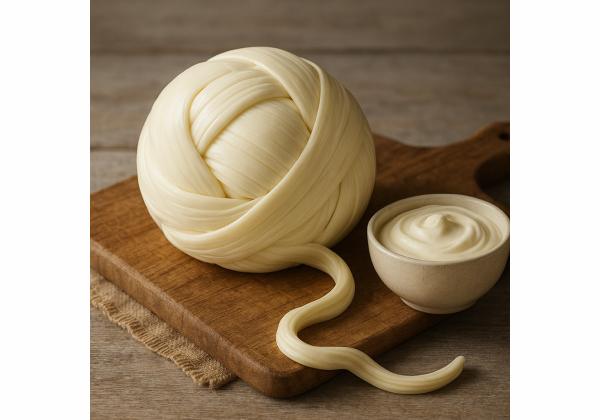
Queso Oaxaca (quesillo) is a semi-soft, fresh, cow’s-milk cheese known for its long, pliable strands that are wound into a ball. It is crafted using the pasta filata technique: curds are heated in hot, lightly salted water, stretched until glossy and elastic, then folded repeatedly to align proteins. This alignment gives Oaxaca its signature “stretch” and clean melt. Flavor is mild—milky, lightly salty, and faintly buttery—so it bonds with spices, chiles, and herbs rather than overpowering them.
Texture and culinary behavior. Oaxaca softens evenly and melts into cohesive layers rather than separating into oil and solids—ideal for quesadillas, tortas, enchiladas suizas, stuffed peppers, molletes, or topping soups like sopa de tortilla. It shreds by hand into ribbons, slices cleanly when chilled, and can be pulled into strings for snacking.
How Oaxaca compares. Think of Oaxaca as the Mexican counterpart to fresh mozzarella, but slightly firmer and stretchier. Compared with Monterey Jack, Oaxaca is milder and more elastic. Versus queso fresco or panela, it’s designed to melt, not crumble. Against aged cheeses (Cotija, añejo), Oaxaca is less salty and less concentrated, with higher moisture and a shorter shelf life.
Freshness and pasteurization. Most retail Oaxaca is pasteurized and made from part-skim or whole milk. Artisanal versions can be pasteurized or made with raw milk and are often sold young (1–7 days). Pasteurization reduces microbial risk in soft and semi-soft cheeses; when in doubt—especially for high-risk groups—choose clearly labeled pasteurized products.
Who enjoys it. Home cooks looking for reliable melting cheese; athletes and active people who want convenient protein; families seeking kid-friendly flavor; and anyone building authentic Mexican recipes that rely on stretch rather than crumble.
Quick buying cue. Choose a tightly wound ball with a smooth, slightly shiny surface and a fresh, clean dairy aroma—no sourness or bitterness. The interior strands should pull apart without crumbling.
Queso Oaxaca Nutrition Profile
Below are typical values for Queso Oaxaca per 100 g. Values vary by brand and fat content; always check your label.
Macros & Electrolytes (per 100 g)
| Nutrient | Amount | %DV* |
|---|---|---|
| Energy | 357 kcal | — |
| Protein | 21.4 g | 43% |
| Total fat | 28.6 g | 37% |
| Saturated fat | 17.9 g | 90% |
| Carbohydrate | 3.6 g | 1% |
| Total sugars | 0.0 g | — |
| Sodium | 786 mg | 34% |
| Potassium | 125 mg | 3% |
| Cholesterol | 89 mg | — |
Minerals (per 100 g)
| Mineral | Amount | %DV* |
|---|---|---|
| Calcium | 465 mg | 36% |
| Phosphorus | — | — |
| Zinc | — | — |
| Iodine | — | — |
Fats & Fatty Acids (per 100 g)
| Component | Amount | %DV* |
|---|---|---|
| Saturated fatty acids | 17.9 g | 90% |
| Trans fatty acids | 0 g | — |
| Monounsaturated/polyunsaturated | small amounts | — |
Allergens & Intolerance Markers
- Contains milk proteins (casein, whey).
- Lactose: present at low-to-moderate levels for a fresh/semi-soft cheese; individual tolerance varies.
- Sodium: moderate; compare labels if limiting sodium.
*%DV based on U.S. reference values (2,000 kcal diet): Total fat 78 g; Saturated fat 20 g; Carbohydrate 275 g; Protein 50 g; Sodium 2,300 mg; Calcium 1,300 mg; Potassium 4,700 mg. Not all nutrients have established DVs or label-required DVs (e.g., cholesterol, total sugars).
Additives & Ingredients (typical): Pasteurized cow’s milk, salt, cultures, microbial rennet/enzymes; some brands add calcium chloride to firm curd. No fortification is customary.
Interpreting the numbers. A 28 g (1 oz) portion provides ~6 g protein and ~130 mg calcium with ~5 g saturated fat. Oaxaca is nutrient-dense; portion control helps keep saturated fat within daily targets while leveraging its protein and calcium.
Queso Oaxaca: Evidence-Based Health Benefits
1) Bone support from complete dairy nutrients. Oaxaca supplies complete protein and bioavailable calcium—two pillars for skeletal maintenance. Protein offers essential amino acids for bone matrix; calcium supports mineralization. In dietary patterns that include dairy, observational syntheses have linked cheese intake with favorable musculoskeletal outcomes (e.g., modest reductions in fracture risk) and with overall nutrient adequacy. While Oaxaca is not fortified with vitamin D, pairing with vitamin-D sources (eggs, fortified tortillas, or safe sun exposure) improves calcium utilization.
2) Cardiometabolic neutrality in context, possibly modest benefits. Large syntheses of prospective cohort data and umbrella reviews evaluating dairy (including cheese) generally report neutral to modestly favorable associations with cardiovascular events and stroke when consumed as part of balanced dietary patterns. Mechanisms may include calcium-fatty acid soaps that reduce fat absorption, milk-derived peptides that influence vascular tone, and substitution effects when cheese displaces ultra-processed toppings or refined carbohydrates. Importantly, heterogeneity exists between populations, products (low- vs. full-fat), and outcomes; benefits are modest and depend on the overall pattern (e.g., DASH-like eating).
3) Protein quality for satiety and muscle repair. Each ounce (~28 g) of Oaxaca provides ~6 g of high-quality milk protein with leucine and other branched-chain amino acids that support muscle protein synthesis. Used strategically (e.g., folded into a bean-and-veg quesadilla), Oaxaca can raise the meal’s protein density with minimal added carbohydrate.
4) Lactose tolerance strategies. Many people with lactose intolerance tolerate small portions of cheese, especially when consumed with other foods. Although Oaxaca is fresher than aged cheeses (and thus not lactose-free), dividing intake into small portions within mixed meals can improve tolerance for some individuals. Enzyme drops/tablets (lactase) or fermentation in recipes (e.g., pairing with beans and vegetables) may reduce symptom likelihood.
5) Culinary advantages that support healthier patterns. Oaxaca’s melt and mildness make vegetables and legumes more appealing—an important behavioral nudge. For example, a vegetable-heavy tlayuda with beans, salsa, and a modest ribbon of Oaxaca can feel indulgent while maintaining nutrient balance.
What this does not mean. Oaxaca is not a “superfood,” nor does cheese consumption override the impact of overall diet, sodium, saturated fat, and energy balance. Benefits are small and best realized when cheese serves as a flavor enhancer and protein source within a plant-forward, minimally processed eating pattern.
Queso Oaxaca Risks, Allergies and Interactions
1) Milk allergy. People with IgE-mediated milk allergy must avoid Oaxaca due to casein and whey proteins. Cross-reactivity spans most dairy products; even baked or cooked cheese remains allergenic.
2) Lactose intolerance. Oaxaca contains lactose. Many individuals tolerate small amounts—especially with meals—but sensitivity varies. If symptoms occur (bloating, gas, diarrhea), reduce portion size, pair with other foods, or use lactase products. Aged cheeses (e.g., Parmesan) are typically lower in lactose than fresh/semi-soft cheeses like Oaxaca.
3) Infection risk (Listeria and others). High-risk groups—pregnant people, older adults, and immunocompromised individuals—should choose pasteurized Oaxaca and avoid products of uncertain origin or cold-chain history. Avoid raw-milk soft or unheated fresh cheeses. When in doubt, use Oaxaca only in fully cooked dishes heated to steaming hot.
4) Sodium and blood pressure. Oaxaca contributes dietary sodium—often ~180–220 mg per 28 g serving. For those with hypertension or salt-sensitive blood pressure, compare brands and keep portions modest. Rinsing cheese is not practical; instead, distribute small amounts across a dish and emphasize herbs, chiles, citrus, and fresh salsas for flavor.
5) Saturated fat and LDL cholesterol. Oaxaca contains saturated fat. In cardiometabolic care, the balance of total dietary pattern matters most. Keep portions small and consider substitution strategies (e.g., replacing processed meats or excessive butter with small amounts of Oaxaca in a bean-vegetable dish) to keep saturated fat within daily targets.
6) Medications: MAOIs and tyramine. Aged cheeses are classic high-tyramine foods. Oaxaca is typically fresh and not aged, thus generally lower in tyramine; however, artisanal or aged variations, improper storage, or brined products can raise tyramine levels. If you take monoamine oxidase inhibitors (or linezolid), follow a tyramine-restricted plan personalized by your clinician and dietitian. When permitted, prefer freshly made, pasteurized Oaxaca and use promptly.
7) Food safety at home. Keep at ≤4 °C (≤40 °F). Use clean utensils, avoid cross-contamination, and discard if left out >2 hours (or >1 hour above 32 °C/90 °F). Watch for off-odors, sliminess, or mold (other than purposeful coatings—uncommon with Oaxaca).
Choose Queso Oaxaca: Quality, Sustainability and Storage
Selecting quality.
- Label scan: Look for “pasteurized,” clear “use-by” date, ingredients (milk, salt, cultures, enzymes; calcium chloride is common), and reputable manufacturer contact details.
- Appearance & feel: A smooth, slightly glossy ball or braid; no cracks or excessive wetness. When pulled, strands should separate cleanly and feel elastic, not crumbly.
- Aroma: Fresh dairy, mildly tangy; reject sharp sour or bitter notes.
- Format: Whole balls keep better than pre-shredded. If you buy pre-shredded, confirm refrigeration and tight seals.
Sustainability pointers.
- Production systems: Dairy emissions arise mainly from enteric methane, feed, and manure. Improvements in feed efficiency, manure management, and energy use can lower impact. Choose brands that disclose sourcing, animal care, and energy practices where available.
- Packaging: Prefer vacuum-sealed packs sized for your household to minimize waste. Store and use efficiently to avoid spoilage (food waste carries its own carbon cost).
- Dietary context: Shifting overall patterns toward more plants while using small amounts of flavorful cheese as a garnish can reduce environmental impacts without abandoning traditional dishes.
Storage & shelf life.
- Unopened: Keep refrigerated; typically 2–6 weeks depending on brand and packaging.
- After opening: Reseal tightly; wrap in parchment then place in a partially closed bag or container to limit moisture loss while preventing surface sweating. Use within 5–7 days.
- Freezing: Not ideal (can turn mealy and weep on thawing), but acceptable for cooked uses. Shred or portion first; freeze up to 2 months and thaw overnight in the refrigerator.
- Cross-contamination: Use clean knives and boards. Don’t return unused cheese to the original package if it contacted raw foods.
Label nuances.
- “Part-skim” vs. “whole-milk” Oaxaca: Part-skim versions have slightly less fat and saturated fat with similar melt.
- “Smoked Oaxaca”: Adds aroma; sodium may be a bit higher.
- Additives: Calcium chloride strengthens curd; no nutritional concern in typical amounts. Natural colorants are uncommon in Oaxaca (annatto is more typical in other styles).
Cooking Queso Oaxaca and Nutrient Retention
Best uses for melt and stretch.
- Quesadillas & sincronizadas: Lay thin ribbons between two tortillas; heat over medium until the cheese flows but doesn’t oil off.
- Tlayudas: Slice or shred onto a crisped tortilla, then add beans, vegetables, and salsa; broil briefly for a blistered top.
- Chiles rellenos: Stuff roasted poblanos with Oaxaca plus beans or seasoned chicken; bake until bubbling.
- Skillet bakes & casseroles: Layer with vegetables and whole grains to create cohesive slices that hold together.
Technique tips that preserve quality.
- Gentle heat. Use medium heat and pull from the pan when cheese just melts; overheating drives fat separation and tough strands.
- Even distribution. Shred or pull into uniform ribbons for consistent melt and fewer hotspots.
- Moisture balance. Pair with moisture-holding ingredients (beans, sautéed vegetables) to keep the melt creamy; avoid watery fillings (drain salsas and vegetables).
- Salt awareness. Since Oaxaca contributes sodium, season fillings with acids (lime), aromatics, and herbs rather than extra salt.
Nutrient retention.
- Protein and minerals (calcium) remain stable during typical cooking.
- Fat loss can occur if overheated, which doesn’t improve nutrition—fat simply separates, reducing texture and palatability.
- Sodium is unaffected by heat; total dish sodium depends on added ingredients (tortillas, salsas, meats).
- Lactose is heat-stable; cooking doesn’t eliminate it.
- Portion strategy: Use ~28 g (1 oz) per serving as a flavorful binder rather than the dominant calorie source.
Smart pairings.
- High-fiber partners: Black or pinto beans, nopales, rajas (roasted poblano strips), calabacitas (summer squash), tomatoes, onions.
- Whole-grain bases: Corn tortillas (nixtamalized), whole-wheat tortillas, brown rice, or quinoa in fusion dishes.
- Acidity & freshness: Tomatillo salsa, pico de gallo, lime juice, cilantro, radish for crunch.
Food safety while cooking. Heat dishes until steaming hot; keep hot foods at ≥60 °C (≥140 °F) if serving buffet-style. Refrigerate leftovers within 2 hours and reheat to steaming.
Queso Oaxaca Portions, Comparisons and FAQs
Portion guidance.
- Everyday use: 28 g (1 oz) is a practical “handful of ribbons” for tacos, quesadillas, or vegetable bakes.
- Pattern-based planning: Enjoy Oaxaca several times per week within an eating pattern rich in vegetables, legumes, whole grains, fruits, nuts, and seeds. Balance higher-fat toppings by trimming processed meats and added oils elsewhere in the day.
Comparisons with similar cheeses (per 28 g, typical).
- Oaxaca vs. fresh mozzarella: Similar protein; Oaxaca may have slightly more saturated fat if whole-milk. Oaxaca is stretchier and saltier; mozzarella is milder and wetter.
- Oaxaca vs. Monterey Jack: Similar melt; Jack is a bit creamier and may be higher in fat; Oaxaca has cleaner stretch and milder flavor.
- Oaxaca vs. queso fresco/panela: Oaxaca melts; queso fresco and panela are for crumbling or grilling with minimal melt.
- Oaxaca vs. asadero/Chihuahua: All are good melters; Oaxaca is the stretchiest, asadero and Chihuahua melt more fluidly.
Calorie-savvy swaps.
- Use ½ the usual cheese plus puréed beans or squash in quesadilla fillings.
- Replace chorizo with sautéed mushrooms or rajas to cut saturated fat and sodium while keeping savory depth.
- Choose part-skim Oaxaca when you want a lighter profile without sacrificing melt.
FAQs.
Is Oaxaca low in lactose? It contains lactose, but many people tolerate small servings, especially with meals. Highly aged cheeses are typically lower in lactose than Oaxaca.
Is Oaxaca safe during pregnancy? Yes—when made from pasteurized milk and handled properly. Avoid raw-milk soft cheeses and any cheese of uncertain origin unless fully cooked until steaming.
Can I freeze Oaxaca? You can, but thawed texture is best in cooked dishes. Shred or portion before freezing and use within two months.
What’s the best substitute if I can’t find Oaxaca? Low-moisture mozzarella or mild Monterey Jack mimic melt; adjust salt to taste.
How do I store cut pieces? Wrap in parchment or wax paper, then place in a partially closed bag or airtight container; use within 5–7 days.
How can I keep sodium reasonable? Measure the cheese, choose lower-sodium tortillas/beans, load up vegetables, and rely on acids, herbs, and chiles for flavor.
References
- Dairy Product Consumption and Cardiovascular Health (2022)
- Cheese consumption and multiple health outcomes (2023)
- Preventing Listeria Infection (2025)
- Eating, Diet, & Nutrition for Lactose Intolerance (2025)
- Los Altos Food Products Inc. – Queso Oaxaca Whole Milk Cheese, Queso Oaxaca (2024)
Disclaimer
This article provides general nutrition and food-safety information and is not a substitute for personalized medical advice. Always consult a qualified healthcare professional for guidance on allergies, lactose intolerance, pregnancy-related food safety, medication interactions (including MAOIs), and individualized nutrition needs.
If you found this guide useful, please consider sharing it with friends or on Facebook or X. Your support helps us keep producing clear, evidence-based articles. Thank you!