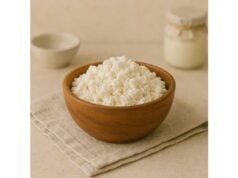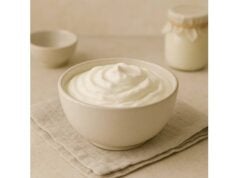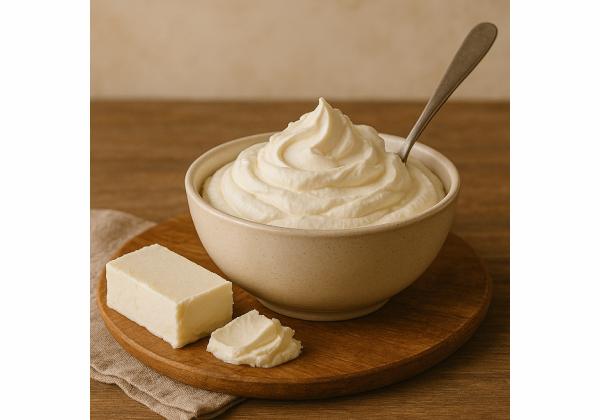
Velvety and spoonable, mascarpone is the Italian cream cheese that turns simple ingredients into luxurious desserts and sauces. Unlike firmer, cultured cheeses, mascarpone starts with heavy cream that’s gently acidified—traditionally with lemon juice or tartaric acid—until it forms a delicate curd. The result is a rich, mildly sweet dairy spread with a clean finish and a texture somewhere between clotted cream and soft cream cheese. In the kitchen, it blends seamlessly into tiramisu and cheesecakes, but it’s just as useful on the savory side: whisked into silky pasta sauces, folded into mashed potatoes, or dolloped onto roasted vegetables and soups. Nutritionally, mascarpone is high in calories and saturated fat but relatively low in sodium and lactose compared with many cheeses. That means small portions go a long way, especially when paired with fruit, whole grains, or vegetable-forward dishes. This guide offers a practical, people-first overview: what mascarpone is and how it’s made, a precise per-100 g nutrition profile, research-based benefits and cautions, how to select and store it, cooking strategies that protect texture and nutrients, and clear portion advice with smart comparisons.
Essential Insights
- Typical serving 30–40 g, 1–3 times weekly, adds ~3–4 g protein and ~12–16 g fat, mostly saturated.
- Naturally low in sodium; lactose per 100 g is modest (≈2–4 g), making small portions tolerable for many with lactose intolerance.
- Main cautions are calorie density and saturated fat (≈26–30 g/100 g); use modest amounts and pair with fiber-rich foods.
- Choose pasteurized mascarpone; high-risk groups should avoid unpasteurized versions unless heated thoroughly.
Table of Contents
- Mascarpone, Defined: Origin, Style, and Taste
- Mascarpone Nutrition Profile (per 100 g)
- Evidence-Based Health Benefits
- Risks, Allergies and Interactions
- Selecting, Quality, Sustainability and Storage
- Preparation, Cooking and Nutrient Retention
- Portions, Comparisons and FAQs
Mascarpone, Defined: Origin, Style, and Taste
What it is. Mascarpone is a fresh, high-fat dairy cheese from northern Italy (Lombardy). Unlike cultured soft cheeses that rely on starter bacteria, mascarpone is typically made by gently heating heavy cream (often 30–40% fat) and adding a mild acid—commonly tartaric or citric acid, or lemon juice—to coagulate milk proteins. The curd is ladled into cloth or baskets and drained under gravity at cool temperatures until thick and spreadable. Because there’s no extended aging or intense fermentation, the flavor remains clean, buttery, and lightly sweet, with almost no tang.
Texture and flavor. Good mascarpone is satin-smooth and spoonable, with a delicate structure that holds soft peaks when chilled. On the palate, it reads like fresh cream: sweet cream aromas, subtle vanilla-like notes from milk fat, and a very mild lactic finish. It lacks the sharpness of cream cheese or sour cream, making it a neutral base that amplifies surrounding flavors (coffee, cocoa, citrus, berries, herbs).
How it differs from cream cheese, ricotta, and clotted cream.
- Cream cheese: Block cream cheese is cultured and stabilized; it’s firmer, tangier, and higher in sodium. Mascarpone is richer, milder, and looser.
- Ricotta: Ricotta is a moist, grainy curd (traditionally whey-based); mascarpone is smooth and buttery with far more fat.
- Clotted cream: Similar richness but produced by slow heating and skimming; clotted cream is not a cheese and tends to be even higher in fat.
Culinary roles.
- Sweet: Foundation for tiramisu, mousse, semifreddo, cheesecake, fruit tarts, whipped frostings, and parfaits.
- Savory: Emulsifies pan sauces; softens tomato acidity in pasta; enriches risotto; adds body to soups; spreads on crostini with herbs and roasted vegetables.
- Breakfast and snacks: Dollop onto warm pancakes with berries, swirl into oatmeal, or fold into yogurt for extra creaminess.
Why it curdles (and how to prevent it). Because mascarpone is high in butterfat but lightly acidified, rapid heating or strong acids can destabilize its emulsion. Two practical rules: temper (warm gradually by whisking in a little hot liquid) and add acid at the end (lemon, wine, or vinegar after off-heat stirring). Over-whipping can also “break” mascarpone; mix gently just until smooth.
Shelf life and variability. Being fresh and high in moisture, mascarpone is short-lived. Commercial versions vary in fat content (often 35–45% by weight), stabilizers, and drainage level, which explains differences in thickness, sweetness, and heat tolerance. Artisanal products may be richer and more delicate; industrial tubs can be slightly firmer for stability.
Mascarpone Nutrition Profile (per 100 g)
Values reflect typical commercial mascarpone made from pasteurized cream. Actual numbers vary by brand and fat content. Percent Daily Values (%DV) use adult DVs for a 2,000 kcal diet.
Macros & Electrolytes
| Nutrient | Amount (per 100 g) | %DV |
|---|---|---|
| Energy | ~410–460 kcal | — |
| Protein | ~3–4 g | 6–8 |
| Total Fat | ~40–45 g | 51–58 |
| Saturated Fat | ~26–30 g | 130–150 |
| Carbohydrate (total) | ~3–4 g | 1 |
| Total Sugars | ~2–3 g | — |
| Dietary Fiber | 0 g | 0 |
| Sodium | ~10–50 mg | 0–2 |
| Water | ~50–55 g | — |
Context: Compared with most cheeses, mascarpone is very high in fat, low in protein, and very low in sodium. Calorie density is the key consideration.
Fats & Fatty Acids
| Component | Amount | Notes |
|---|---|---|
| Saturated Fat | ~26–30 g | Primary driver of %DV; portion control is essential. |
| Monounsaturated Fat | ~10–12 g | Predominantly oleic acid. |
| Polyunsaturated Fat | ~1–2 g | Minor fraction. |
| Cholesterol | ~110–130 mg | Consider in daily totals. |
| Trans Fat (naturally occurring) | trace | From ruminant fat; very low. |
Protein & Amino Acids
Mascarpone provides a small amount of complete dairy protein (~3–4 g/100 g). It is not a significant protein source; pair with yogurt, eggs, legumes, grains, or lean meats if you need more protein in a meal.
Vitamins
| Vitamin | Amount (per 100 g) | %DV |
|---|---|---|
| Vitamin A (RAE) | ~350–450 µg | 39–50 |
| Vitamin B2 (Riboflavin) | ~0.15–0.2 mg | 12–15 |
| Vitamin B12 | ~0.3–0.6 µg | 13–25 |
| Vitamin D | ~0.2–0.5 µg | 1–3 |
Minerals
| Mineral | Amount (per 100 g) | %DV |
|---|---|---|
| Calcium | ~90–140 mg | 7–11 |
| Phosphorus | ~80–120 mg | 6–10 |
| Sodium | ~10–50 mg | 0–2 |
| Potassium | ~80–120 mg | 2 |
Carbohydrates & Glycemic Metrics
| Metric | Detail |
|---|---|
| Lactose | ~2–4 g/100 g (lower than milk; higher than aged cheeses) |
| Glycemic Index | Minimal effect due to low carbohydrate and high fat |
Allergens & Intolerance Markers
- Milk proteins: Present (casein, whey traces); unsuitable for dairy protein allergy.
- Lactose: Low to moderate; many with lactose intolerance tolerate small portions (e.g., 1–2 tablespoons) when eaten with other foods.
Additives & Fortification
- Traditional mascarpone is cream and acid only. Some brands add stabilizers (e.g., pectin, locust bean gum, or guar gum) to improve texture and freeze-thaw stability. Fortification with vitamins is uncommon; check labels.
Practical takeaway: A 30–40 g serving contributes ~120–180 kcal, 12–16 g fat (~8–10 g saturated), 1–2 g carbohydrate, 0–1 g sugar, 0–1 g protein, and very little sodium. Use as a flavor-rich accent rather than the main calorie source.
Evidence-Based Health Benefits
1) Nutrient delivery from a low-sodium dairy option (when portioned).
Many cheeses deliver sodium along with flavor. Mascarpone is unusual: naturally low in sodium. For individuals who enjoy dairy but must manage sodium, small amounts of mascarpone can add creaminess and satisfaction without meaningfully raising daily sodium intake. When used to replace salted spreads (salted butter, processed cheese), it can reduce sodium in that meal.
2) Fat-soluble vitamin A and absorption support.
Mascarpone provides vitamin A in a form the body can use directly (retinol). Because it’s a high-fat food, it also helps the body absorb fat-soluble phytonutrients (such as carotenoids) from vegetables and fruits served alongside—think roasted carrots with a lemon-mascarpone dollop, or a berry compote folded into lightly sweetened mascarpone.
3) Culinary satisfaction that can improve portion control elsewhere.
Richness is a lever for satiety. A modest spoonful of mascarpone can make a vegetable dish or whole-grain bowl feel restaurant-level, which may reduce the perceived need for larger amounts of oils, sugary toppings, or extra salt. The key is judicious use: more flavor from fewer grams.
4) Potential tolerance for some with lactose intolerance.
Because mascarpone is cream-based and lightly acidified (not heavily cultured), it contains less lactose than milk but more than long-aged cheeses. Many people with lactose intolerance tolerate small portions (1–2 tablespoons) without symptoms when eaten with other foods. This allows inclusion of a favorite texture and flavor in a varied diet.
5) Role in balanced desserts and special-occasion meals.
Used strategically, mascarpone helps engineers desserts with lower sodium and clean ingredient lists (cream + acid + flavorings) compared with ultra-processed toppings. In special-occasion meals, centering fruit and whole grains and using mascarpone as a finishing element can produce indulgence with better nutrient balance.
What this does not imply.
Mascarpone is not a protein source or a nutrient powerhouse; its benefits come from culinary leverage and selective nutrients (vitamin A), not from overall nutrient density. Because it’s high in saturated fat and calories, frequency and portion size remain the most important variables for health outcomes. Fold mascarpone into a dietary pattern rich in vegetables, legumes, fruit, whole grains, fish, and unsaturated fats.
Risks, Allergies and Interactions
Saturated fat and cardiometabolic goals.
Per 100 g, mascarpone delivers ~26–30 g saturated fat, easily exceeding the daily limit for many people. In practical terms, keep servings small (30–40 g) and, on days you enjoy mascarpone, emphasize unsaturated fats (olive oil, nuts, seeds, fish) elsewhere. If you’re working to lower LDL cholesterol, consider limiting mascarpone to occasional use or choosing lighter alternatives (see comparisons).
Calorie density.
Because a tablespoon packs significant calories, it’s easy to overdo without noticing. Tactics that help: pre-portion into a small dish before serving, whisk with yogurt or ricotta to lighten, or use micro-dollops across the plate rather than a single large scoop.
Milk allergy vs. lactose intolerance.
- Allergy: Mascarpone contains milk proteins and is unsafe for those with dairy protein allergy.
- Lactose intolerance: Many tolerate small amounts; pair with other foods and monitor symptoms. If sensitive, consider lactose-free cultured dairy or aged cheeses.
Food safety and high-risk groups.
As a fresh, moist cheese, mascarpone can be vulnerable to microbial growth if mishandled. High-risk groups (pregnant individuals, older adults, immunocompromised people) should choose pasteurized products from reputable brands, keep them refrigerated at ≤4 °C (≤40 °F), and discard after the manufacturer’s use-by date. If there’s any doubt about handling, use mascarpone in thoroughly heated dishes.
Biogenic amines and migraine sensitivity.
Fresh cheeses like mascarpone generally contain lower levels of histamine than long-aged varieties; still, sensitive individuals should monitor symptoms and portion sizes.
Medication and condition notes.
- Weight management: Calorie density requires planning; use small amounts to enhance plant-rich meals.
- Hypertension: Mascarpone’s low sodium is helpful, but be mindful of the rest of the meal.
- Diabetes: Carbohydrate is low; watch total energy and pair with fiber-rich foods.
Cross-contact and additives.
Flavored mascarpone (e.g., truffle, chocolate) may include added sugar, salt, or stabilizers. If you have additive sensitivities, choose plain tubs and flavor at home with cocoa, espresso, lemon zest, herbs, or vanilla.
Selecting, Quality, Sustainability and Storage
How to choose a great tub
- Ingredients: The gold standard is cream + acid (tartaric or citric). Stabilizers (e.g., pectin, locust bean gum) can be fine for texture; avoid long lists with sweeteners if you want a neutral base.
- Pasteurization: Prefer pasteurized cream for safety, especially for high-risk groups.
- Texture check: The surface should be smooth, glossy, and uniform without separation or graininess. A faint butter-sweet aroma is ideal; sour or yeasty notes suggest mishandling.
- Fat content: Tubs vary; higher fat tastes richer and stands up better in hot dishes, while slightly lower-fat versions whip lighter but can curdle more easily.
Sustainability and sourcing
- Buy the size you can finish within a week of opening to limit waste.
- Consider brands sourcing cream from regional dairies or using recyclable packaging.
- When cooking, deploy mascarpone as a finishing accent in plant-forward meals; this aligns flavor enjoyment with a lower environmental footprint compared with large meat portions.
Storage best practices
- Refrigerate immediately at ≤4 °C (≤40 °F).
- Keep it covered: After opening, press parchment or plastic wrap directly onto the surface to limit oxidation and drying, then reseal the lid.
- Use clean utensils to prevent contamination; avoid double-dipping.
- Consume within 5–7 days of opening for best quality; discard if you see watery separation that won’t re-emulsify, off-odors, or visible mold.
- Freezing: Possible but not ideal; thawed mascarpone may become grainy. If you must freeze, portion into small airtight containers, thaw overnight in the fridge, and re-emulsify by gently whisking or briefly blending with a spoonful of cream.
Signs of spoilage
- Sharp sour aroma, yeasty/alcohol notes, visible mold, or persistent separation. When unsure, discard—fresh cheeses spoil quickly and should not be risked.
Smart substitutions
- For lighter results, mix ½ mascarpone + ½ Greek yogurt or ricotta for dips and frostings.
- For heat-stable sauces, combine mascarpone with cream cheese (firmer) and finish with a splash of pasta water for a silky texture.
Preparation, Cooking and Nutrient Retention
Core principles
- Temper before heat. Whisk a few tablespoons of hot liquid into cold mascarpone to warm it gently, then return the mixture to the pan off heat.
- Add acid last. Lemon juice, wine, or vinegar can break the emulsion; finish with acid after removing from direct heat.
- Avoid over-whipping. Mix just until smooth to prevent a greasy or grainy texture.
- Portion for impact. Use micro-dollops across a dish—your tongue perceives richness with less.
Savory applications that sing
- Silky pan sauce (5 minutes): After searing chicken or mushrooms, deglaze with a splash of stock; off heat, whisk in 1–2 tbsp mascarpone per serving and finish with lemon zest, parsley, and pepper.
- Tomato relief: Stir 1 tbsp into a tomato-based pasta sauce off heat to soften acidity without heavy cream; thin with pasta water to coat rather than smother.
- Mashed potatoes upgrade: Fold 2 tbsp mascarpone per 500 g potatoes with chives and pepper for restaurant-style creaminess using less butter.
- Soup finisher: Swirl into puréed carrot, tomato, or red pepper soup; garnish with herbs and a drizzle of olive oil.
Sweet uses with better balance
- Lightened tiramisu cream: For a modern take, blend mascarpone with plain Greek yogurt to elevate protein and reduce fat while keeping the classic mouthfeel.
- Fruit-forward desserts: Layer berries or poached pears with mascarpone whisked with vanilla and a touch of honey; sprinkle nuts for texture and fiber.
- Frostings: Stabilize mascarpone with a small amount of cold cream cheese (1:3) to increase heat tolerance for cupcakes or carrot cakes.
Retaining quality and nutrients
- Vitamin A and dairy fats are heat-stable but can separate under high heat; gentle finishing preserves both nutrition and texture.
- The low sodium content means you control seasoning—rely on citrus, vanilla, espresso, cocoa, herbs, and spices for complexity instead of salt.
- Pair with fiber-rich foods (berries, whole grains, beans, vegetables) to improve fullness and glucose responses.
Common mistakes (and fixes)
- Curdling: Temper and keep heat low; add acids last. If a sauce breaks, whisk in a spoonful of cold mascarpone or a splash of pasta water off heat to re-emulsify.
- Greasy mouthfeel: Use smaller amounts; add a squeeze of lemon or grate of zest to lift heaviness.
- Flat flavor: Salt lightly only if needed; otherwise lean on pepper, citrus, herbs, or espresso/cocoa in desserts.
At-home mascarpone (method sketch)
- Heat 500 ml heavy cream to 85–90 °C (185–194 °F); remove from heat, whisk in 1½–2 tsp tartaric or lemon juice; hold warm 5–10 minutes until slightly thickened; chill in the pot; strain through a cloth-lined sieve 8–12 hours in the refrigerator. Keep cold, use within 5–7 days. Always start with pasteurized cream and sterile tools.
Portions, Comparisons and FAQs
Reasonable portions and frequency
- For most adults, 30–40 g (about 2–3 tablespoons) 1–3 times per week fits a balanced pattern—especially when the rest of the plate is vegetables, fruit, and whole grains.
- If you’re managing LDL cholesterol or aiming for a calorie deficit, consider 15–20 g as a flavorful accent and blend with yogurt or ricotta to stretch it.
How mascarpone compares (per 30 g)
- Mascarpone: ~120–180 kcal; 12–16 g fat (8–10 g saturated); 1–2 g carb; 0–1 g protein; <20 mg sodium.
- Cream cheese (block): ~100–110 kcal; 10 g fat (6 g saturated); 1–2 g protein; 90–180 mg sodium; tangier and firmer.
- Ricotta (whole milk): ~45–70 kcal; 3–5 g protein; 3–4 g fat; 45–75 mg sodium; grainy, higher protein, more lactose.
- Crème fraîche: ~100–120 kcal; 10–12 g fat; 0–1 g protein; 10–20 mg sodium; tangier, more heat-stable.
- Whipping cream: ~100–110 kcal per 30 ml; similar fat but lower protein and no curd structure.
Is mascarpone lactose-free?
No. It’s lower than milk but higher than long-aged cheeses. Many with lactose intolerance tolerate 1–2 tablespoons with meals. Personal thresholds vary—start small.
Is mascarpone safe during pregnancy?
Yes if pasteurized and handled properly. Avoid unpasteurized mascarpone unless it will be heated until steaming. Keep cold and use before the date.
Can mascarpone be frozen?
It can, but texture suffers. If freezing, portion, freeze quickly, and plan to use in cooked dishes. Re-emulsify after thawing.
How do I lighten desserts with mascarpone?
Blend 2 parts mascarpone + 1 part Greek yogurt, sweeten lightly, and lean on fruit for bulk and natural sugars. Add vanilla, citrus zest, or espresso for flavor depth without extra fat.
Pairing ideas (sweet and savory)
- Sweet: berries, figs, citrus, espresso, cocoa, honey, toasted almonds or pistachios.
- Savory: roasted tomatoes, mushrooms, spinach, asparagus, smoked fish, herbs (chives, dill, tarragon), lemon zest, black pepper.
Budget tips
- Buy smaller tubs to prevent waste; mascarpone is perishable.
- For sauces, you can stretch with evaporated milk or a small amount of cream cheese for heat stability—and keep mascarpone for final richness.
References
- FoodData Central 2025
- Cheese consumption and multiple health outcomes: an umbrella review and updated meta-analysis of prospective studies 2023 (Systematic Review)
- Milk and dairy products – a scoping review for Nordic Nutrition Recommendations 2023 2024 (Systematic Review)
- How Listeria Spread: Soft Cheeses and Raw Milk 2025 (Guidance)
Medical Disclaimer
This article provides general information and is not a substitute for professional medical advice, diagnosis, or treatment. Nutrition needs and health risks vary. If you are pregnant or immunocompromised, manage conditions such as high cholesterol, hypertension, or diabetes, or take prescription medications, consult a qualified healthcare professional for personalized guidance before changing your diet.
If this guide was helpful, please consider sharing it on Facebook, X (formerly Twitter), or your preferred platform. Your support helps us continue producing clear, practical nutrition content.