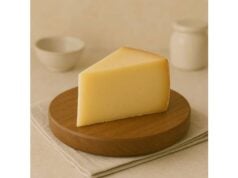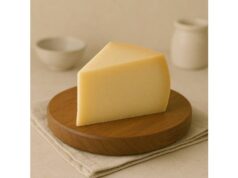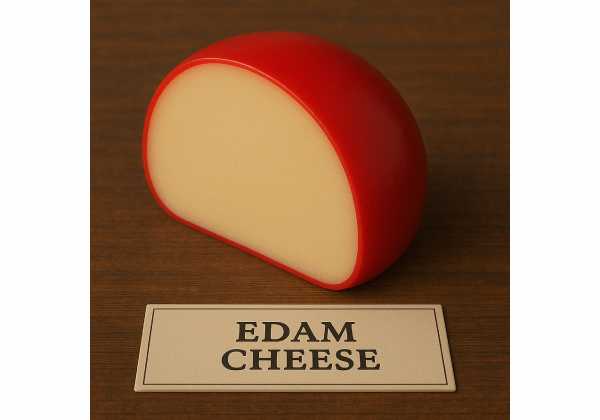
Mild, nutty, and pleasantly elastic, Edam cheese is a semi-hard Dutch classic that fits smoothly into everyday cooking and balanced eating. It slices cleanly for sandwiches, melts evenly on gratins, and cubes neatly for snack boards. Compared with richer cheeses, Edam is typically lower in fat, yet it still delivers valuable nutrients: high-quality protein, abundant calcium and phosphorus for bones and teeth, vitamin B12 for nerves and blood, and a practical dose of zinc and iodine (when present from milk). Its tidy red-wax balls made the style famous, but today you’ll find Edam in blocks and pre-sliced packs that are easy to portion. Because it’s pressed and aged, Edam is naturally low in lactose and often gentler for people who struggle with milk sugar. The flip side is sodium: like most cheeses, Edam carries a notable salt load, so smart portions matter. This guide gives you a precise 100 g nutrition profile, evidence-based benefits and risks, selection and storage tips, and kitchen-tested ways to cook with Edam while keeping nutrition and flavor in balance.
Key Takeaways
- Calcium-rich complete protein with vitamin B12 and phosphorus per 100 g.
- Naturally low in lactose; milk allergy still applies to all cheeses.
- Typical serving: 30 g (1 slice or 2–3 small cubes), enjoy several times weekly within a varied diet.
- Limit if you must restrict sodium or saturated fat, or if advised to avoid aged, unpasteurized cheeses.
Table of Contents
- Edam Cheese: Origin, Style, and Uses
- Edam Cheese Nutrition Profile (per 100 g)
- Evidence-Based Health Benefits of Edam
- Risks, Allergies and Interactions to Know
- Selecting Quality Edam, Sustainability and Storage
- Cooking with Edam and Nutrient Retention
- Portions, Comparisons and FAQs
Edam Cheese: Origin, Style, and Uses
Edam (Edammer) originated in the Dutch town of Edam and became a global traveler’s cheese thanks to its compact, protective rind. Traditionally sold in paraffin or microcrystalline wax—often red for export—Edam is a semi-hard cow’s-milk cheese that is pressed, brined, and aged to a springy, sliceable texture. Flavor runs from milk-sweet and lightly nutty in young wheels to rounder, more savory notes with gentle butter and hazelnut tones as it matures. Compared with Gouda, Edam is usually slightly drier and milder, with smaller, tighter “eyes” (tiny holes) and a clean cut that resists crumbling—handy for tidy platters and batch prep.
Two style clues help you shop and cook confidently:
- Moisture and fat: Standard Edam often lands around 28–30% fat by weight (higher-fat versions exist), yielding a leaner melt than buttery styles like Havarti or young Gouda. It browns evenly without oiliness, making it a friendly choice for gratins and casseroles.
- Age: Young Edam (4–8 weeks) is mild and versatile. Longer-aged pieces (3–6 months or more) develop deeper aroma and a firmer bite that grates well and holds shape in salads.
Culinary uses:
Edam’s steady melt and mild profile make it a go-to for family dishes and meal prep. Try it:
- Melted: On tuna melts, vegetable bakes, whole-grain toasties, and breakfast egg skillets (it melts cleanly and won’t run).
- Cold: Sliced into sandwiches with crisp apples or cucumbers; cubed for lunch boxes; shaved into grain bowls for a salty-savory accent.
- Baked: In savory muffins, scones, or cheese biscuits where a drier cheese avoids greasy crumbs.
- Light sauces: Whisked into warm milk with mustard and white pepper for a streamlined Mornay over steamed broccoli or cauliflower.
Substitutions and pairing:
If a recipe calls for Gouda, young Cheddar, or Fontina, Edam stands in easily with minor adjustments to salt. It pairs gracefully with whole-grain bread, pears, apples, roasted peppers, and leafy greens; choose a crisp white wine or sparkling water with citrus to refresh the palate.
Everyday nutrition strategy:
Because cheese concentrates both nutrients and sodium, treat Edam as a flavorful accent rather than the main event. Use thin slices or small cubes to elevate vegetables, legumes, and whole grains. In baked dishes, combine Edam with a spoonful of plain yogurt or evaporated skim milk to stretch creaminess without pushing saturated fat too high.
Edam Cheese Nutrition Profile (per 100 g)
Serving context: Data reflect plain, unfortified Edam (100 g). Typical eating portions are ~30 g (about one sandwich slice or 2–3 small cubes). Daily Values (%DV) use current adult labeling standards.
Macros and Electrolytes (per 100 g)
| Nutrient | Amount | %DV |
|---|---|---|
| Energy | 357 kcal | — |
| Water | 41 g | — |
| Protein | 25.0 g | 50% |
| Total fat | 28.6 g | 37% |
| Saturated fat | 18.7 g | 93% |
| Carbohydrate | 1.4 g | 1% |
| Total sugars | ~0 g | — |
| Fiber | 0 g | 0% |
| Sodium | 973 mg | 41% |
| Potassium | 188 mg | 4% |
Fats and Fatty Acids (per 100 g)
(can vary with season and feed)
| Component | Amount |
|---|---|
| Monounsaturated fat | 8.13 g |
| Polyunsaturated fat | 0.67 g |
| Omega-3 (total) | 0.25 g |
| Omega-6 (total) | 0.42 g |
| Cholesterol | 89 mg |
Protein and Amino Acids (per 100 g, selected)
| Amino Acid | Amount |
|---|---|
| Leucine | ~2.61 g |
| Lysine | ~2.70 g |
| Valine | ~1.78 g |
| Tryptophan | ~0.36 g |
| Proline | ~3.30 g |
Vitamins (per 100 g)
| Vitamin | Amount | %DV |
|---|---|---|
| Vitamin A (RAE) | 243 µg | 27% |
| Riboflavin (B2) | 0.39 mg | 30% |
| Vitamin B12 | 1.5 µg | 64% |
| Folate (DFE) | 16 µg | 4% |
| Vitamin D | 0.5 µg | 3% |
| Vitamin E | 0.24 mg | 2% |
| Vitamin K (total) | 2.3 µg | 2% |
| Choline | 15.4 mg | 3% |
Minerals (per 100 g)
| Mineral | Amount | %DV |
|---|---|---|
| Calcium | 731 mg | 56% |
| Phosphorus | 536 mg | 43% |
| Zinc | 3.8 mg | 34% |
| Selenium | 14.5 µg | 26% |
| Magnesium | 30 mg | 7% |
| Iron | 0.44 mg | 2% |
Glycemic & Acid–Base Metrics
- Available carbohydrate is ~1.4 g/100 g, functionally negligible glycemic impact in typical portions.
- PRAL (potential renal acid load): ~+18/100 g, similar to most aged cheeses.
Allergens & Intolerance Markers
Contains milk proteins (casein, whey) and trace lactose; lactose levels drop markedly with aging, but milk allergy remains a strict contraindication.
Additives & Fortification
Unfortified cheese contains no added vitamins/minerals. Common rind/surface treatments may include food-grade wax and natamycin (an antifungal) on some brands; remove wax and avoid eating treated rinds unless labeled edible.
Notes: Nutrient values vary by producer, milk composition, age, and moisture. For sodium-reduced or lower-fat Edam, check labels; numbers differ from the table above.
Evidence-Based Health Benefits of Edam
1) Efficient bone-support nutrients
Edam concentrates calcium (~56% DV/100 g) and phosphorus (~43% DV/100 g) in a protein-rich matrix that’s convenient to portion and chew. Calcium and phosphorus work together in bone mineralization, and protein helps maintain bone structure and muscle mass—important in active adults and older adults alike. Because Edam is tasty in small amounts, it can “carry” vegetables and whole grains into a meal, helping you build balanced plates that meet bone-health targets without resorting to large servings of dairy.
2) High-quality protein that satisfies
At ~25 g protein per 100 g, Edam delivers complete protein with all essential amino acids and a naturally high leucine content, helpful for muscle protein synthesis when paired with resistance activity. In daily life, that means a 30 g serving (≈1 slice) adds ~7–8 g protein to sandwiches or salads with minimal meal prep.
3) Vitamin B12 and riboflavin for energy metabolism
With ~64% DV vitamin B12 and ~30% DV riboflavin (B2) per 100 g, Edam supports red blood cell formation and helps convert food into usable energy. For people eating little or no red meat, small cheese portions can contribute meaningfully to B-vitamin intake when combined with eggs, fish, or fortified foods.
4) Naturally low lactose for many
Aging and fermentation reduce lactose in semi-hard and hard cheeses. While tolerance varies, many people with lactose intolerance handle small servings of Edam without symptoms. This makes Edam a practical calcium source for those who can’t drink much milk but still want dairy’s nutritional benefits.
5) Cardio-metabolic context: neutral to favorable when portions are sensible
Cheese is often viewed through a saturated-fat lens, yet the totality of modern evidence suggests neutral to modestly beneficial associations between moderate cheese intake and cardiovascular outcomes within balanced diets. Proposed reasons include the cheese food matrix (calcium, fermentation derivatives, and protein structure) that may blunt LDL-cholesterol responses compared with isolated saturated fat, and the tendency for small, flavorful portions to improve overall meal satisfaction—reducing reliance on refined starches or ultra-processed snacks. In practice, you can enjoy 30 g Edam alongside a plate piled with vegetables, legumes, and whole grains while keeping saturated fat and sodium in check across the day.
From benefits to habits
- Portion with purpose: Use 20–30 g Edam to finish a tray of roasted greens or to top bean-and-grain bowls.
- Balance the plate: Combine with high-potassium foods (spinach, tomatoes, beans) to offset sodium at the meal level.
- Leverage meltability: A thin layer of Edam under whole-grain breadcrumbs gives casseroles crisp, cheesy tops with fewer calories than heavy cream sauces.
Keep expectations realistic: Cheese is nutrient-dense, not a cure-all. The best outcomes come from overall patterns rich in plants, fish, legumes, and minimally processed staples, with cheese as a flavorful accent.
Risks, Allergies and Interactions to Know
Sodium adds up
At roughly 973 mg sodium per 100 g (about 290–330 mg per 30 g slice, brand-dependent), Edam can contribute a large share of daily sodium if portions are generous or if paired with salty foods (bread, cured meats). If you manage blood pressure or fluid retention, limit portion size, choose lower-sodium brands when available, and build the rest of the plate from low-sodium items (fresh produce, unsalted grains, no-salt-added legumes).
Saturated fat and cholesterol
Per 100 g, Edam provides ~18.7 g saturated fat and ~89 mg cholesterol. For many healthy adults, moderate cheese intake within plant-forward, unsaturated-fat-rich patterns is compatible with heart-health goals. People with familial hypercholesterolemia, established cardiovascular disease, or those advised to run tighter saturated-fat limits should tailor intake with a clinician or dietitian. Tactics include smaller servings, less frequent use, and coupling Edam with mono- and polyunsaturated fats (olive oil-roasted vegetables, nut-topped salads).
Lactose intolerance vs. milk allergy
Aged cheeses like Edam are naturally low in lactose, and many people tolerate small servings. However, milk allergy is immune-mediated and independent of lactose: all milk proteins (casein, whey) remain present. If you have a confirmed milk allergy, avoid Edam unless an allergist has advised otherwise.
Pregnancy considerations
Pasteurized Edam (semi-hard, low moisture) is generally considered safe when refrigerated and handled properly. Avoid unpasteurized or soft, surface-ripened cheeses unless cooked until steaming hot. If in doubt, check labels for “pasteurized milk” and follow standard chilled-food safety.
Histamine/tyramine sensitivity and medications
Aged cheeses can contain biogenic amines (histamine, tyramine). Sensitive individuals may experience flushing, headaches, or blood-pressure changes. People on monoamine oxidase inhibitor (MAOI) medications should follow medical advice about tyramine-restricted diets; if permitted, keep portions very small and choose fresher, milder cuts.
Weight management and energy density
Cheese is calorie-dense. Using Edam as a flavor enhancer (20–30 g) rather than the base of a dish helps align with energy goals while preserving enjoyment.
Food safety and storage
Keep Edam refrigerated ≤4 °C (≤40 °F). Rewrap cut faces tightly to limit moisture loss and contamination. Discard if you see extensive mold inside the paste, sour odors, or slimy surfaces. For natural rinds or waxed coatings, trim or remove before eating; wax is not edible.
Selecting Quality Edam, Sustainability and Storage
How to choose good Edam
- Look and feel: Young Edam should be pale cream to light yellow with a smooth, elastic paste and tiny, even eyes. It should slice cleanly and spring back when pressed. Excess sweating, cracks, or strong ammonia odors suggest poor handling or age.
- Packaging: You’ll see waxed balls, vacuum-sealed wedges, and deli-cut slices. Wax protects against moisture loss and bruising in transit; once cut, keep the exposed face tightly wrapped. For convenience, blocks and pre-sliced packs make consistent 30 g portions straightforward.
- Fat and sodium claims: “Light,” “reduced-fat,” or “lower-sodium” Edam exists. Expect a firmer, drier texture and milder flavor; melt behaves slightly less creamy—use a splash of milk or yogurt in sauces to compensate.
Freshness and labeling
- Check “pasteurized milk” if pregnancy-safe cheese matters to your household.
- Mind sell-by vs use-by dates; quality often peaks for several weeks unopened under refrigeration. Once opened, aim to enjoy within 3–4 weeks if kept wrapped and chilled.
Storage tips for best quality
- Temperature: Store at ≤4 °C (≤40 °F); avoid the refrigerator door (temperature swings).
- Wrapping: For cut wedges, wrap first in parchment to let the cheese breathe, then in a loose layer of foil or place in a ventilated cheese box; for slices, use airtight containers with parchment between layers.
- Freezing: You can freeze grated or pre-shredded Edam for up to 2–3 months; thaw in the refrigerator and use in cooked dishes (texture becomes crumbly if frozen in blocks).
- Mold management: If firm cheese develops a small spot of non-black, non-pink mold on an outer surface, trim at least 2.5 cm (1 inch) around and below the spot and rewrap. Discard if mold threads are visible through the interior or if colors are unusual.
Sustainability and sourcing
- Local and seasonal milk: Regional producers may publish animal-welfare, grazing, or regenerative practices; consider supporting farms disclosing pasture access and responsible feed.
- Waste reduction: Buy only what you can use in 2–3 weeks once opened. Freeze grated leftovers and save rind-trims for flavoring soups (remove before serving).
- Packaging: Prefer recyclable wraps or re-usable containers. Wax rinds are not edible; discard responsibly.
Budget and value
Edam offers excellent value per gram of calcium and protein. To keep costs in check, buy a medium block, portion into 30 g servings, and grate or slice just before use for peak flavor.
Cooking with Edam and Nutrient Retention
Heat, texture, and vitamins
Calcium, phosphorus, zinc, and B12 are relatively heat-stable in the cooking temperatures typical for cheese dishes. Water-soluble B vitamins (such as riboflavin) are more sensitive to prolonged high heat, yet short melts and gentle baking preserve most value. Because Edam melts at moderate temperatures, you can keep the heat low to medium, minimizing browning and nutrient loss while achieving a smooth texture.
Methods that work best
- Low-heat melt (sandwiches, quesadillas): Cover the pan to trap steam, which softens the cheese without scorching.
- Gratin finishing: Bake your vegetable or pasta base until nearly done; add a thin Edam layer in the last 5–8 minutes to brown lightly.
- Stovetop sauces: Whisk grated Edam into a warm base (milk or unsalted broth) off the heat to avoid curdling; the residual warmth melts shreds quickly.
- Soups: Stir in at the end with the burner off, using an immersion blender for silky body.
- Baking with reduced fat: If using lighter Edam, add a teaspoon of olive oil or a dollop of yogurt to restore mouthfeel.
How to keep sodium and saturated fat in check
- Portion control: Measure 20–30 g per serving; pre-portion slices or cubes to make restraint effortless.
- Dilute with plants: Bulk up with roasted vegetables, tomatoes, peppers, mushrooms, or leafy greens; add beans or lentils for fiber and potassium.
- Choose smarter carriers: Whole-grain breads and unsalted crackers reduce sodium compared with many packaged options.
- Flavor layering: Use acid (lemon, mustard), herbs (chives, dill), and spices (paprika, white pepper) so you can use less cheese without missing satisfaction.
Kitchen ratios and swaps
- Sauce ratio: For a light cheese sauce serving 2, whisk 120 ml milk, 1 tsp corn starch, and 30–40 g grated Edam off-heat until just melted.
- Bake ratio: For casseroles, figure 25–30 g Edam per serving as a top layer; if a recipe calls for 200 g melting cheese, try 120 g Edam + 80 g sautéed mushrooms for equal savor with fewer calories.
- Swap ideas: Mix Edam with a small portion of sharper, lower-moisture cheese (e.g., aged Parmesan) to amplify flavor while cutting total grams.
Food safety while cooking
Keep hot dishes ≥60 °C (140 °F) and refrigerate leftovers within 2 hours. Reheat gently to avoid oil separation and rubbery textures.
Portions, Comparisons and FAQs
What is a sensible serving?
A practical portion for most adults is 30 g (about one standard slice or 2–3 small cubes). This provides roughly 100–110 kcal, 7–8 g protein, 2.5–3.0 g saturated fat, and ~300 mg sodium (brand-dependent). As part of a balanced pattern, enjoying Edam several times per week is compatible with many health goals when the rest of the diet emphasizes vegetables, legumes, whole grains, fruit, nuts, and unsaturated oils.
How does Edam compare with other cheeses? (per 100 g)
- Gouda (young): Slightly higher fat and a creamier melt; flavor is sweeter and more buttery.
- Cheddar (mild): Sharper taste, often higher sodium; melts readily but can oil off at high heat.
- Mozzarella (part-skim): Lower fat and sodium; stretchier melt, milder flavor.
- Swiss/Emmental: Larger holes, nutty flavor; sodium varies, protein similar.
If you’re monitoring sodium, part-skim mozzarella often beats Edam; if you prioritize calcium per gram, Edam performs strongly.
Is Edam suitable for lactose intolerance?
Many people with lactose intolerance tolerate small portions of aged, low-lactose cheeses like Edam. Start with 15–20 g, eat with other foods, and increase gradually based on comfort. Symptoms after small amounts point more toward milk allergy or another sensitivity—seek medical evaluation.
What about children and older adults?
For kids, thin slices on whole-grain sandwiches supply calcium and protein without overwhelming salt when portions are measured. For older adults, the combination of high calcium, bioavailable protein, and easy chewing makes Edam a pragmatic way to support bone and muscle maintenance—again, in modest amounts.
Is Edam safe in pregnancy?
Yes—if made from pasteurized milk and kept refrigerated. Semi-hard, pasteurized cheeses like Edam are considered safe when stored and handled properly. Avoid unpasteurized versions unless cooked thoroughly.
How do I use less but taste more?
- Shred very finely and sprinkle onto hot dishes to maximize surface area and melt.
- Combine with tangy elements (mustard, vinegar, citrus) and herbs for bright flavor contrast.
- Toast breadcrumbs with a teaspoon of olive oil and 10–15 g grated Edam to top vegetables—big impact, small dose.
Bottom line
Treat Edam as a flavorful accent. Measure portions, pair with plants, and enjoy its melt and mild nuttiness while staying aligned with your sodium and saturated-fat goals.
References
- Nutrition Facts for Edam Cheese 2024 (Data Resource)
- Eating, Diet, & Nutrition for Lactose Intolerance 2018 (Guidance)
- Foods to avoid in pregnancy 2020 (Guidance)
- Consumption of Dairy Foods and Cardiovascular Disease 2022 (Systematic Review)
- Cheese consumption and multiple health outcomes 2023 (Umbrella Review)
Disclaimer
This article provides general nutrition and safety information for educational purposes. It is not a substitute for personalized medical advice, diagnosis, or treatment. If you have high blood pressure, cardiovascular disease, kidney disease, milk allergy, lactose intolerance, are pregnant, or take medications that interact with aged foods (for example, MAO inhibitors), consult a qualified healthcare professional for individualized guidance on cheese selection, portion sizes, and frequency.
If you found this guide useful, please consider sharing it with friends or colleagues on Facebook, X (formerly Twitter), or any platform you prefer. Your support helps us continue creating clear, evidence-based resources.