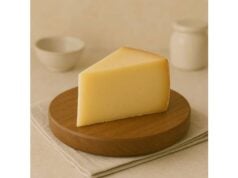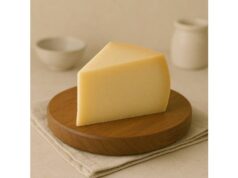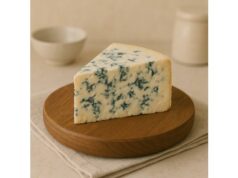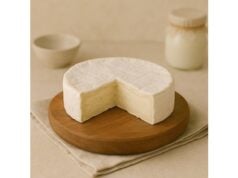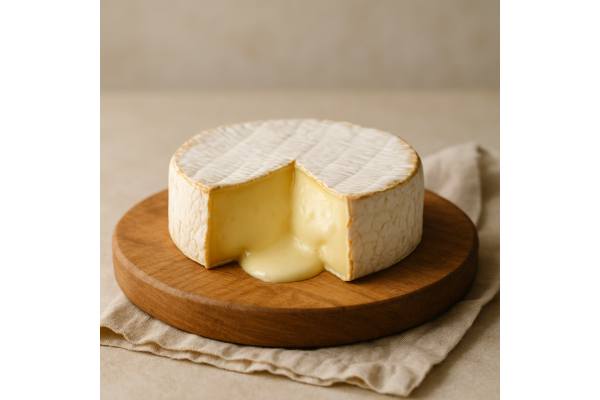
Camembert is a soft-ripened, bloomy-rind cheese with a velvety white surface and a rich, yielding center. Originating in Normandy, France, it’s made from cow’s milk and ripened with the noble mold Penicillium camemberti, which helps develop its mushroomy aroma and buttery, savory taste. Beyond its indulgent flavor, Camembert delivers meaningful amounts of protein, calcium, phosphorus, vitamin B12, and riboflavin, with only trace carbohydrates. It melts beautifully, spreads at room temperature, and performs well on cheese boards, in baked appetizers, and as a finishing element for grains and vegetables. Like all soft cheeses, Camembert requires careful handling and cold storage to preserve quality and minimize safety risks, especially for people at higher risk from foodborne illness. This guide explains what’s inside Camembert nutritionally, the evidence on potential benefits and risks, how to choose and store it, and smart ways to serve it while protecting its delicate texture and aroma. If you’re deciding whether Camembert fits your eating pattern, you’ll find practical portions, comparisons with similar cheeses, and straightforward answers to common questions.
Top Highlights
- Provides complete protein plus calcium and phosphorus for bones and teeth (per 100 g).
- Naturally very low in carbohydrates and sugars; minimal impact on blood glucose.
- Typical serving: 30–40 g (1–1.5 oz), enjoyed up to a few times per week as part of an overall balanced diet.
- Soft, mold-ripened cheeses can pose a listeria risk; people who are pregnant, very young, older, or immunocompromised should follow applicable safety guidance.
- Those with milk allergy or severe lactose intolerance should limit or avoid Camembert.
Table of Contents
- Camembert: Detailed Overview
- Camembert Nutrition Profile (per 100 g)
- Camembert Health Benefits
- Camembert Risks and Allergies
- Selecting Quality, Sustainability and Storage
- Preparation, Cooking and Nutrient Retention
- Portions, Comparisons and FAQs
Camembert: Detailed Overview
Camembert is a surface-ripened cheese historically tied to Normandy, traditionally crafted in small wheels about 250 g each. Its hallmark is a thin “bloomy” rind—white with occasional beige flecks—formed by Penicillium camemberti. Inside, the paste transitions from a soft, chalky core in young wheels to a supple, oozing texture as ripening progresses from the outside inward. Flavor evolves alongside texture: you’ll notice fresh mushroom, cream, and light vegetal notes in younger cheese, deepening into buttery, nutty, and mildly earthy aromas with age. A faint ammonia scent may appear as proteins break down; slight is normal near peak ripeness, but strong ammonia suggests the cheese is past its best.
Production begins with cow’s milk, which may be raw or pasteurized depending on region and regulation. The milk is cultured, coagulated with rennet, and gently ladled into perforated molds to drain under its own weight. After salting, the wheels are inoculated (or surface-sprayed) with P. camemberti and moved to an affinage room (10–13 °C, high humidity). Over 10–21 days, the mold forms a white rind and secretes enzymes that diffuse inward, breaking down fats and proteins. This proteolysis and lipolysis softens structure, boosts umami, and releases aroma compounds. Proper ripening calls for regular turning so moisture and microbial growth remain even.
Camembert is often compared with Brie. Both are bloomy-rind cow’s milk cheeses, but Brie wheels are typically larger and ripen more slowly toward the center. As a result, Brie can taste slightly milder and creamier at comparable ages, while Camembert’s smaller format concentrates aromas sooner and can show more mushroom and savory notes near the rind. Salt, moisture, and milk origin also vary by producer, so sensory differences are best understood brand by brand.
Culinarily, Camembert shines in three roles: as-is at room temperature (classic on a cheese board alongside crisp apples or pears), briefly warmed for a baked appetizer (to coax a molten center), and gently melted as a finishing layer over vegetables or grains. Its low carbohydrate content and notable mineral density make it appealing to low-carb eaters and those seeking satisfying small portions. Because it is rich in saturated fat and sodium, Camembert fits best as a flavor-forward accent rather than a main protein at a meal.
Finally, labeling matters. Some cheeses carry protected designations tied to origin and methods, while many excellent Camembert-style cheeses are made worldwide. Read the ingredient list for milk type (cow’s milk is standard), rennet source (animal or microbial), and whether pasteurized milk was used—important for safety decisions in specific populations.
Camembert Nutrition Profile (per 100 g)
Below is a practical, per-100 g snapshot that aligns with widely used composition databases. Values are rounded to typical label precision. %DV values use common adult Daily Values (for example: calcium 1300 mg, phosphorus 1250 mg, potassium 4700 mg, vitamin A 900 µg RAE, vitamin B12 2.4 µg, vitamin D 20 µg, riboflavin 1.3 mg, total fat 78 g, saturated fat 20 g, sodium 2300 mg, cholesterol 300 mg, protein 50 g).
Macros and Electrolytes (per 100 g)
| Nutrient | Amount | %DV |
|---|---|---|
| Energy | ~304 kcal | — |
| Protein | ~20.0 g | 40% |
| Total Fat | ~24.6 g | 32% |
| Saturated Fat | ~15.4 g | 77% |
| Carbohydrate | ~0.5 g | 0% |
| Total Sugars | ~0.5 g | — |
| Dietary Fiber | 0 g | 0% |
| Sodium | ~854 mg | 37% |
| Potassium | ~190 mg | 4% |
| Water | ~54 g | — |
| Cholesterol | ~73 mg | 24% |
Fats and Fatty Acids (per 100 g)
| Fatty Acid Class | Amount |
|---|---|
| Monounsaturated Fatty Acids (MUFA) | ~7.1 g |
| Polyunsaturated Fatty Acids (PUFA) | ~0.7 g |
| Selected Saturates (butyric, capric, lauric, etc.) | present in small amounts typical of ruminant dairy |
Protein and Amino Acids
Camembert provides complete protein with all essential amino acids. As a soft-ripened cheese, proteolysis during ripening increases free amino acids that contribute to savory (umami) taste.
Vitamins (per 100 g)
| Vitamin | Amount | %DV |
|---|---|---|
| Vitamin A (RAE) | ~244 µg | 27% |
| Riboflavin (Vitamin B2) | ~0.50 mg | 38% |
| Vitamin B12 | ~1.3 µg | 54% |
| Vitamin D | ~0.39 µg | 2% |
| Folate (DFE) | ~63 µg | 16% |
| Niacin (B3) | ~0.65 mg | 4% |
| Vitamin B6 | ~0.21 mg | 12% |
| Choline | ~16 mg | 3% |
| Vitamin K (mostly K2 forms are present in ripened cheeses; amounts vary) | small | — |
Minerals (per 100 g)
| Mineral | Amount | %DV |
|---|---|---|
| Calcium | ~393 mg | 30% |
| Phosphorus | ~352 mg | 28% |
| Zinc | ~2.4 mg | 22% |
| Selenium | ~14.6 µg | 27% |
| Magnesium | ~20 mg | 5% |
| Iron | ~0.3 mg | 2% |
| Iodine | variable (depends on feed and salt) | — |
Glycemic and Acid–Base Metrics
- Glycemic impact: negligible (very low carbohydrate).
- PRAL (acid load): positive (acid-forming), typical of aged cheeses.
Allergens and Intolerance Markers
- Contains milk proteins (casein, whey) and milk fat.
- Naturally low in lactose due to fermentation and aging (often well under 1 g per 100 g), but residual amounts vary by maker and ripeness.
Additives and Fortification
- Traditional Camembert is not fortified. Some industrial versions may use microbial rennet and standardized cultures; check label for enzymes and stabilizers.
Notes: Sugars are primarily residual lactose; there is no established %DV for total sugars. Vitamin K2 (menaquinones) can be present in ripened cheeses, but amounts are not consistently listed on labels.
Camembert Health Benefits
Supports bone and dental health. Camembert supplies a dense package of calcium and phosphorus—the primary mineral pair that forms hydroxyapatite in bone and teeth—along with high-quality protein. Per 100 g, it typically provides around 30% of the Daily Value for calcium and nearly 30% for phosphorus. Paired together, these nutrients support remodeling and maintenance. When eaten in modest portions alongside vitamin D sources and weight-bearing activity, Camembert can contribute to overall skeletal nutrition.
Protein for satiety and meal satisfaction. About 20 g protein per 100 g is a strong showing for a soft cheese. Small portions (30–40 g) add 6–8 g of complete protein to meals or snacks. Protein slows gastric emptying and can help even out appetite between meals. Because Camembert’s fat content is significant, using it as a flavor-forward accent—rather than the main protein—delivers satiety without overwhelming calorie load.
Very low carbohydrate and minimal sugars. Camembert contains only trace carbohydrates (about half a gram per 100 g), so it has negligible impact on post-meal blood glucose for most people. That makes it a flexible option for low-carb or carbohydrate-counting patterns when balanced with vegetables, legumes, and whole grains across the day.
B-vitamins for energy metabolism. Dairy fermentation preserves and sometimes concentrates B-vitamins. Camembert is notably rich in riboflavin (B2), a cofactor in energy-producing pathways, and provides meaningful vitamin B12, important for red blood cell formation and neurological function. Including small portions can help people with low dairy intake fill these micronutrient gaps.
Fermentation and maturation compounds. Surface molds and ripening cultures break down proteins and fats into smaller compounds—such as amino acids, peptides, and short-chain fatty acids—that shape aroma and mouthfeel. This controlled microbial ecosystem is also responsible for rind development and the softening of the paste. While surface-ripened cheeses are not probiotics in the way yogurt can be, the fermentation process creates a complex food matrix that many find easier to digest than fresh milk.
Culinary benefits that support dietary adherence. Enjoyment matters: foods that deliver high pleasure per bite can make healthy patterns more sustainable. Because Camembert spreads readily and melts at low temperatures, tiny portions can transform vegetables (roast broccoli or leeks), whole grains (farro or barley), or legumes (white bean purée) into satisfying dishes—encouraging higher intake of nutrient-dense foods overall.
A note on sodium and saturated fat. Camembert is moderately salty and high in saturated fat. Placing it within a balanced pattern—favoring unsalted nuts, legumes, olive oil, fish, fruits, and vegetables elsewhere—helps keep overall saturated fat and sodium within recommended limits.
Camembert Risks and Allergies
Milk allergy and intolerance. Camembert contains casein and whey proteins that can trigger IgE-mediated milk allergy. Avoid completely if you have a diagnosed milk allergy. For lactose intolerance, aged cheeses like Camembert usually contain very little lactose; many people tolerate 30–40 g portions without symptoms, though sensitivity varies. If you’re highly sensitive, test a small portion at home with medical guidance.
Pregnancy and high-risk groups. Soft, mold-ripened cheeses can harbor Listeria monocytogenes, even when made from pasteurized milk if contamination occurs after pasteurization. People who are pregnant, older adults, very young children, and those with weakened immunity should follow current public health advice for soft cheeses. Heating until steaming hot before eating can reduce risk when guidance allows. Always check labels for milk type (pasteurized vs raw) and storage instructions.
Foodborne illness and handling. Because Camembert is high in moisture and ripened on the surface, it demands strict refrigeration (≤4 °C/40 °F), minimized time in the “danger zone,” and careful hygiene once opened. Discard if you see unusual colors (blue/black/green molds different from the uniform white rind), sliminess, or strong ammoniacal odors.
Sodium and blood pressure. Per 100 g, sodium is typically in the 700–900 mg range. People managing blood pressure or sodium-sensitive conditions should keep portions small and balance higher-sodium items with potassium-rich foods (vegetables, legumes, fruit) across the day.
Saturated fat and lipids. Camembert provides ~15 g saturated fat per 100 g. While the effect of dairy fat on cardiometabolic risk depends on overall diet, replacing part of your saturated fat with unsaturated sources (olive oil, nuts, fish) is a pragmatic approach for most adults.
Medication and condition considerations.
- Histamine sensitivity: Aged cheeses contain biogenic amines like histamine and tyramine. If you’re sensitive or take MAO inhibitors, discuss aged cheeses with your clinician.
- Sodium-restricted diets: Account for Camembert’s salt when adding other savory items (cured meats, salted crackers, olives).
- Microbial rennet: Some versions use animal rennet; those seeking vegetarian options can look for “microbial enzymes” on the label.
Children. Once dairy is introduced and tolerated, very small amounts of pasteurized Camembert can be offered to children who can handle soft textures, but avoid raw-milk versions and watch salt intake.
Selecting Quality, Sustainability and Storage
How to choose a good wheel.
- Rind: Look for a thin, uniform white rind with subtle beige speckling. Avoid heavy cracking, pink/orange slime, or fuzzy green/blue patches (these suggest contamination).
- Aroma: Pleasantly mushroomy and creamy is ideal. A sharp ammonia note can signal overripeness.
- Feel: Gently press the side at room temperature; a ripe wheel should give slightly without collapsing. A firm, chalky center indicates youth; a fully gooey paste indicates later ripeness.
Labels and origin. You’ll find Camembert-style cheeses made worldwide. Some carry protected designations tied to specific regions and methods. Others are high-quality “Camembert” or “Camembert-style” cheeses from small creameries and large dairies alike. Compare ingredient lists (milk, salt, cultures, rennet) and choose pasteurized or raw milk versions based on your safety needs and local regulations.
Sustainability notes. Cheese’s footprint reflects animal feed, manure management, energy for milk cooling and cheesemaking, packaging, and transport. Practical ways to reduce impact include:
- Buying from producers who publish animal welfare and environmental practices.
- Favoring seasonally produced, efficiently transported products where possible.
- Reducing waste by choosing wheel sizes you can finish before quality declines.
Storage at home.
- Temperature: Keep at ≤4 °C/40 °F. Camembert should remain refrigerated except for short serving windows.
- Wrapping: After opening, rewrap in the original paper if breathable, or use parchment/wax paper with a loose secondary cover to limit drying while allowing gas exchange. Avoid tight plastic wrap pressed directly on the rind for long storage—it can trap moisture and promote off-odors.
- Placement: Store on a shelf (not the door) to minimize temperature swings.
- Shelf life: Unopened pasteurized Camembert typically keeps until the printed date if continuously chilled. Once opened, aim to finish within 5–7 days for best quality. Discard if you see unusual mold colors or smell persistent ammonia.
- Freezing: Not recommended for quality; freezing disrupts texture. If you must, use in cooked dishes after thawing and expect a crumbly interior.
Serving readiness. For peak aroma and texture, remove from the refrigerator 30–45 minutes before serving. Score the top rind lightly to release aroma as the paste softens. Serve on a clean board with separate knives to avoid cross-contamination.
Preparation, Cooking and Nutrient Retention
Camembert is delicate. Heat unlocks aroma and flow, but too much heat can cause fat separation and a greasy mouthfeel. These techniques preserve texture and flavor while keeping portions reasonable.
Room-temperature service (no cooking).
- Bring to 20–22 °C (68–72 °F).
- Trim nothing—the rind is edible and contributes aroma.
- Pair with texture: crisp apple slices, lightly blanched green beans, radishes, toasted walnuts, or whole-grain baguette.
- Season sparingly: a drizzle of honey, cracked pepper, or fresh thyme can brighten without masking character.
Baked Camembert (whole wheel).
- Heat oven to 180 °C (350 °F).
- Unwrap and place the wheel in a small oven-safe dish or the wooden box base (if oven-safe). Score a shallow cross on top.
- Bake 12–15 minutes until the center feels molten but the rind remains intact.
- Finish with a teaspoon of warmed honey and a few thyme leaves; serve with steamed broccoli, roasted carrots, or whole-grain crackers.
Tip: Avoid overbaking; once the paste separates, you’ll lose silkiness.
Gentle melting as a finisher.
- Dice chilled Camembert and scatter over hot roasted vegetables or cooked grains immediately before serving; residual heat softens it without oiling off.
- For grilled sandwiches, use low-to-medium heat and a lid to trap steam, melting the cheese before the bread overbrowns.
Sauces and emulsions. Whisk small amounts of Camembert into a warm pan off the heat to enrich pan sauces. Add in stages with splashes of warm stock to keep the emulsion stable.
Maximizing nutrient quality.
- Keep time at room temperature short (under 2 hours total) to protect safety.
- Use modest amounts as a flavor “accent” to help balance saturated fat and sodium across the day.
- Combine with potassium-rich sides (spinach, lentils, roasted squash) to counterbalance sodium.
- If calcium intake is a priority, pair Camembert with leafy greens or calcium-fortified foods elsewhere.
Food safety steps in the kitchen.
- Wash hands and utensils before and after handling.
- Use a clean knife; rewrap immediately after slicing.
- Keep raw meats and Camembert separate on boards and in the fridge.
Portions, Comparisons and FAQs
What is a sensible portion? For most adults, 30–40 g (1–1.5 oz) is a practical serving that offers 6–8 g protein with 3–5 g saturated fat and about 200–350 mg sodium, depending on the brand. Enjoy this amount up to a few times per week as part of a balanced pattern rich in vegetables, legumes, whole grains, nuts, seeds, and fish.
How does Camembert compare to Brie, goat cheese, and aged cheeses?
- Brie vs Camembert: Nutrition is similar, though individual brands vary in moisture and salt. Camembert often has slightly more pronounced mushroomy rind aromas in a smaller wheel.
- Soft goat cheese (chèvre): Typically leaner by weight and tangier, with somewhat less calcium per 30 g serving.
- Hard aged cheeses (Parmesan, Gruyère): Higher in calcium and sodium per gram and lower in moisture; stronger flavors mean tinier portions can go a long way.
- Blue cheeses: Comparable fat but often saltier; their bold flavor can encourage smaller servings.
Is the rind edible? Yes—the bloomy rind is natural and edible. If you dislike the flavor, slice a thin layer off; most aroma compounds concentrate just under the rind, so trimming changes taste.
Does Camembert contain lactose? Fermentation and aging reduce lactose to trace levels in most samples. Many people with lactose intolerance tolerate small portions, though individual responses vary.
What about pregnancy? People who are pregnant are generally advised to avoid soft, mold-ripened cheeses unless cooked thoroughly until steaming hot. Always follow current public health recommendations for your region.
Vegetarian considerations. Some Camembert uses animal rennet; others use microbial rennet. Check the ingredient list if you prefer vegetarian-friendly enzymes.
Can I freeze it? Not ideal. Freezing damages the delicate protein matrix, leading to a crumbly or mealy texture upon thawing. If you do freeze, plan to use in cooked dishes where texture matters less.
Smart pairing ideas that keep portions modest.
- Roast Brussels sprouts tossed with lemon zest and a few Camembert cubes at the end.
- Whole-grain tartines: smear a thin layer on toasted sourdough, top with pear slices and arugula.
- Mushroom barley with a small dice of Camembert folded in off heat.
Budget tips. Buy smaller wheels to reduce waste; choose store brands for cooking applications; save premium artisan wheels for cheese boards where the nuance is most appreciated.
References
- Food Search | USDA FoodData Central 2025 (Database)
- Safer Food Choices for Pregnant Women | Food Safety | CDC 2024 (Guidance)
- Foods to avoid in pregnancy – NHS 2024 (Guideline)
- Limited Effectiveness of Penicillium camemberti in Preventing the Invasion of Contaminating Molds in Camembert Cheese – PMC 2024 (Research)
- Overview of a Surface-Ripened Cheese Community Functioning by Meta-Omics Analyses | PLOS One 2016 (Research)
Disclaimer
This article is for general information and education. It is not a substitute for personalized medical advice, diagnosis, or treatment. If you have a medical condition, food allergy or intolerance, are pregnant, or take prescription medicines, consult your healthcare professional before changing your diet. Food safety guidance can differ by country; always follow your local public health recommendations.
If you found this guide useful, please consider sharing it with friends or on Facebook, X (formerly Twitter), or any platform you prefer. Your support helps us continue creating reliable, people-first nutrition content.