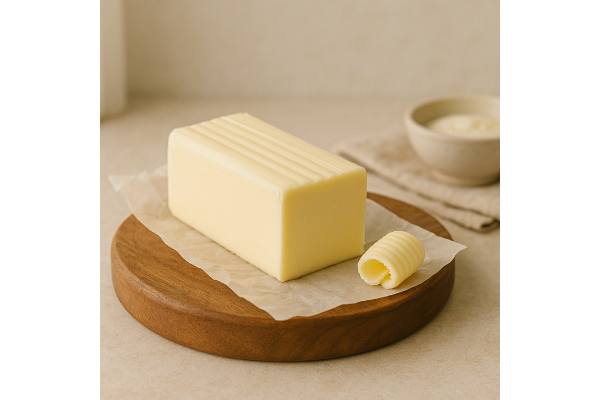
Camel butter is a rare, tradition-rich dairy fat made by churning cream from camel milk, then working and salting the fat just as you would with cow’s milk butter. It has a clean, faintly nutty flavor, an ivory color, and—because camel milk fat skews toward longer-chain fatty acids—a slightly firmer texture at room temperature. In the kitchen, camel butter behaves much like other cultured butters: it spreads, foams, browns, and carries aroma beautifully. It also clarifies into a fragrant ghee that tolerates higher cooking temperatures and keeps longer without refrigeration. Nutritionally, camel butter is an energy-dense food with fat-soluble vitamins (especially vitamin A), and almost no lactose; in ghee, residual milk sugars and proteins fall even lower. At the same time, like all butters, it is rich in saturated fat, so smart portions matter. This guide translates the science and culinary know-how into clear, practical steps—how to choose quality, store it safely, cook with it without waste, and fit it into a balanced pattern that respects health goals.
Quick Facts
- Energy-dense flavor carrier; clarifies to ghee that keeps longer and tolerates higher heat.
- Naturally very low in lactose; ghee typically contains only trace milk sugars and proteins.
- Typical serving: 1 teaspoon (5 g) to 1 tablespoon (14 g), used 1–2 times daily as a finishing fat.
- Safety note: choose pasteurized sources and refrigerate; avoid raw-milk butter in pregnancy and for immunocompromised people.
- Limit or avoid if you must restrict saturated fat or follow a strict low-fat or low-cholesterol plan.
Table of Contents
- Camel butter: detailed overview
- Camel butter nutrition profile
- Camel butter benefits: evidence-based
- Risks, allergies and interactions
- Selecting quality, sustainability and storage
- Preparation, cooking and nutrient retention
- Portions, comparisons and FAQs
Camel butter: detailed overview
What it is and how it differs. Camel butter is produced by churning camel cream until fat globules coalesce, then washing and working the grain to expel buttermilk. Because camel milk has smaller fat globules, a thicker globule membrane, and a different casein profile than cow’s milk, it naturally resists creaming; traditional processors overcome this with souring (to change pH and viscosity), vigorous agitation, or mechanical separators. The resulting butter is ivory to pale straw in color (camels convert more carotene to retinol, so less carotene remains to tint the fat) and slightly firmer at room temperature than cow butter due to a higher proportion of long-chain fatty acids. The aroma is clean and lactic; cultured variants can show a gentle tang.
Types you may encounter.
- Sweet cream camel butter: churned from fresh pasteurized cream; mild aroma, softest spread.
- Cultured (fermented) camel butter: cream is soured before churning; fuller flavor and better keeping quality.
- Salted vs unsalted: salt improves flavor and shelf life; unsalted suits baking and sauces where salt control matters.
- Clarified butter (camel ghee): water and milk solids are removed; keeps longer and withstands higher cooking temperatures; virtually lactose-free and very low in residual proteins.
Why it is relatively rare. Camel milk yields less butter per liter compared with cow’s milk because the cream separates less readily and the fat globules coalesce more slowly. Modern processors use temperature steps, biological cultures, and separators to improve yield and consistency, but the category remains niche outside camel-dairying regions.
Culinary personality. Camel butter’s clean dairy sweetness and slightly firm body make it excellent for:
- finishing couscous, roasted carrots, or freekeh;
- pan-sauces for grilled fish, chicken, or mushrooms;
- enriched flatbreads (brushed on just off the heat);
- cookies and shortcrusts where a neutral butter flavor is preferred;
- ghee for tempering spices, searing shrimp or paneer, and drizzling over lentils.
Sustainability context. Camels thrive in arid zones on sparse forage, an advantage where water is limited. In those contexts, small camel dairies can support pastoral livelihoods. As with any animal product, sustainability varies by husbandry, transport, and cold chain; choosing producers that publish animal-welfare, grazing, and quality-control practices is a practical consumer lever.
Camel butter nutrition profile
How to read these tables. Values below are per 100 g to make comparisons easy; most home servings are much smaller (5–14 g). Camel butter’s macronutrient profile closely resembles other butters, with species-specific differences in fatty acids. Vitamin levels vary by season, feed, and whether the butter is cultured or clarified. When buying packaged camel butter, defer to the product label.
Macros and electrolytes (per 100 g)
| Nutrient | Amount | % Daily Value |
|---|---|---|
| Energy | ~720 kcal | — |
| Total Fat | ~81.0 g | 104% |
| Saturated Fat | ~51.0 g | 255% |
| Monounsaturated Fat | ~21.0 g | — |
| Polyunsaturated Fat | ~3.0 g | — |
| Trans Fat (ruminant, natural) | ~2–4 g | — |
| Protein | ~0.8 g | 2% |
| Total Carbohydrate | ~0.1 g | 0% |
| Total Sugars (includes lactose) | ~0.1 g | — |
| Sodium (unsalted) | ~10–20 mg | 0% |
| Sodium (salted)* | ~500–750 mg | 22–33% |
| Water | ~16–18 g | — |
*Salted values depend on brand; check the label.
Fats and fatty acids (per 100 g)
| Component | Amount | Notes |
|---|---|---|
| Short-chain fatty acids (C4–C8) | Lower than cow butter | Contributes to a slightly firmer texture. |
| Palmitic acid (C16:0) | ~24–30 g | Main saturated fatty acid. |
| Oleic acid (C18:1) | ~18–22 g | Main monounsaturated fatty acid. |
| Stearic acid (C18:0) | ~10–13 g | Neutral effect on LDL in common patterns. |
| Linoleic + alpha-linolenic acids | ~2–3 g | Essential fatty acids present in small amounts. |
| Cholesterol | ~200–220 mg | No established %DV. |
Vitamins (per 100 g)
| Vitamin | Amount | % Daily Value |
|---|---|---|
| Vitamin A (retinol activity equivalents) | ~600–800 µg | 67–89% |
| Vitamin E (alpha-tocopherol) | ~2.0–2.5 mg | 13–17% |
| Vitamin K (phylloquinone) | ~6–8 µg | 5–7% |
| Vitamin D | ~1–2 µg | 5–10% |
Minerals (per 100 g)
| Mineral | Amount | % Daily Value |
|---|---|---|
| Calcium | ~20 mg | 2% |
| Phosphorus | ~20 mg | 2% |
| Potassium | ~20–30 mg | 0% |
| Sodium (see above) | — | — |
Allergens and intolerance markers
- Contains milk proteins (casein/whey) in tiny amounts; ghee has even less but may still contain trace proteins.
- Lactose is very low in butter (~0.1 g/100 g); ghee typically has negligible lactose.
- Naturally occurring ruminant trans fats present in small amounts.
Contaminants and residues
- As a high-fat dairy product, butter can concentrate fat-soluble residues (e.g., some pesticides) if present in the milk supply; reputable producers test raw milk and feed.
Glycemic and acid–base metrics
- Carbohydrate content is negligible; expected glycemic impact is effectively zero.
- Dietary acid load is primarily determined by overall pattern; butter’s contribution is modest but consider balance with vegetables and legumes.
Footnote: Per-100 g values reflect aggregated butter composition (with camel-fat specifics where known). Individual products vary; rely on the product’s nutrition facts for exact numbers and %DV calculations (fat DV 78 g, saturated fat DV 20 g, sodium DV 2,300 mg, vitamin A DV 900 µg RAE, vitamin E DV 15 mg, vitamin K DV 120 µg, vitamin D DV 20 µg).
Camel butter benefits: evidence-based
1) An efficient flavor carrier that promotes dietary satisfaction at small doses. Because fat carries aromatic compounds exceptionally well, a teaspoon (5 g) of camel butter used as a finishing fat often delivers the same flavor satisfaction that larger volumes of oil or sauces would. This “less-but-better” strategy is practical for calorie control: ~36 kcal and ~2.6 g saturated fat per teaspoon can be budgeted consciously in a day’s meals.
2) Vehicle for fat-soluble vitamins A, D, E, and K. Camel butter supplies retinol (vitamin A) and small amounts of vitamins D, E, and K. In mixed meals, these fats help absorb carotenoids and fat-soluble vitamins from vegetables (e.g., carrots, spinach, tomatoes). Clarifying into ghee removes water and non-fat solids but retains the fat-soluble vitamins.
3) Very low lactose; ghee is typically near-zero in milk sugars. For people with lactose malabsorption, butter is among the most tolerable dairy foods because lactose rides in the water fraction, which is minimal. Ghee removes even more lactose with the milk solids. This does not apply to diagnosed milk protein allergy, where even traces can trigger reactions (see Risks).
4) Culinary performance that supports healthy cooking patterns. Camel ghee tolerates higher pan temperatures than whole butter because milk solids that scorch at lower heat are removed. That means you can sear quickly, then finish off-heat with a tiny knob of butter for aroma, controlling browning and limiting thermal degradation.
5) Traditional and cultural roles in arid regions. In camel-keeping cultures, clarified butter (ghee) made from camel milk extends shelf life where refrigeration is limited. This stability reduces waste, a meaningful benefit in hot climates and remote areas, and preserves a calorie-dense, portable energy source for pastoralists.
How it fits into cardiometabolic goals. The evidence base continues to show that replacing a portion of dietary saturated fat with unsaturated fats (from nuts, seeds, olive oil, and fish) improves blood lipids and cardiovascular risk markers. Camel butter does not break this rule—it is still butter—but its neutral, clean flavor makes it easier to use sparingly as an accent while shifting the base of cooking to unsaturated oils. For many households, a workable pattern is to:
- cook primarily with olive or rapeseed (canola) oil;
- use 1 teaspoon of camel butter at the end for aroma;
- clarify some of your camel butter to ghee for occasional high-heat dishes;
- pair meals with vegetables, legumes, and whole grains to balance calorie density.
Digestive comfort and culinary tolerance. People with sensitive digestion often tolerate butter and ghee better than creamy sauces or fresh milk, largely because of the low lactose content and the ability to use very small, controlled amounts for flavor.
Risks, allergies and interactions
Saturated fat and heart health. Like all butters, camel butter is high in saturated fat. If you’re managing LDL cholesterol, hypertension, or cardiovascular risk, align intake with clinical guidance that emphasizes limiting saturated fat and replacing some with polyunsaturated fats where possible. In practical terms, that means using butter in teaspoons, not ladles, and letting olive oil, nuts, and fish carry more of the day’s fat calories.
Calories add up quickly. At ~720 kcal per 100 g, even modest “extra” uses—another tablespoon here, a second slice of buttered bread there—can stall weight management. Measure by the teaspoon at first; over time, you’ll learn the visually comfortable amount that fits your targets.
Milk allergy vs. lactose intolerance. Butter contains tiny amounts of milk proteins; ghee contains even less, but trace proteins can persist. Anyone with IgE-mediated milk allergy should avoid both unless a specialist has confirmed tolerance for a specific, meticulously produced product. Lactose intolerance is different: most people with lactose malabsorption tolerate butter and ghee because lactose content is minimal to negligible.
Raw-milk butter hazards. Butter made from unpasteurized cream can carry pathogens if the supply chain and hygiene are imperfect. Populations at higher risk (pregnancy, older adults, immunocompromised individuals) should choose pasteurized products. Even with pasteurized butter, good storage—cold temperatures and clean handling—remains essential.
Pesticide and contaminant residues. Dairy fat can concentrate fat-soluble residues from feed and environment. Buying from producers with documented testing programs and certified supply chains reduces this risk; organic certification can help but is not a guarantee unless backed by transparent quality control.
Smoke, fumes, and oxidation. Whole butter’s milk solids brown at relatively low temperatures; overheating repeatedly creates browned residues and off-flavors and can accelerate formation of unwanted thermal by-products. For high-heat work, use camel ghee or a high-oleic oil; reserve whole butter for finishing, baking, and low-to-moderate sautéing.
Medication and condition considerations.
- Pancreatitis or fat-malabsorption: high-fat foods may worsen symptoms; follow individualized dietary plans.
- Gallbladder disease: fatty meals can provoke symptoms; small servings at a time are more comfortable.
- Vitamin A intake: butter contributes to vitamin A intake; avoid doubling up with high-dose retinol supplements unless advised.
When to avoid camel butter entirely.
- Confirmed milk protein allergy unless an allergist has cleared a specific product.
- Active foodborne illness outbreaks or official recalls tied to a given producer.
- Strict low-fat therapeutic diets as directed by a clinician.
Selecting quality, sustainability and storage
Label cues that matter.
- Pasteurized vs raw: pasteurized cream is the safer baseline. Choose raw-milk versions only if you fully trust the producer and are not in a higher-risk group.
- Cultured wording: “cultured” or “fermented” signals tangier flavor and often better keeping quality.
- Salt content: salted butter varies widely in sodium (roughly 0.5–0.75%); if you salt your food at the table, choose unsalted butter and add salt separately.
- Ingredients: high-quality camel butter typically lists only cream and (if salted) salt. Ghee should list only milkfat.
Judging freshness at the counter. Look for a clean aroma (sweet, lactic) with no “painty,” soapy, or fishy notes; these suggest oxidation and lipolysis. Color should be ivory to pale straw, uniform, with no gray patches. In sticks or blocks, the cut surface should be smooth, not weepy. If buying from a deli case, ask about the packing date and storage temperatures.
Sourcing responsibly. Favor producers who share specifics on herd health, feed (including how they avoid pesticide-contaminated forages), milking hygiene, and milk testing. Transparent cold-chain details—from milking to churning to shipping—are strong quality signals, especially for a product that travels far from arid production zones to urban markets.
Storage and shelf life.
- Refrigeration: store at ≤4 °C. Wrapped sticks last 3–4 weeks; cultured butter may keep a bit longer. Keep tightly wrapped to limit oxygen and odor pickup.
- Freezing: butter freezes well for 6–9 months. Wrap portions airtight; thaw in the fridge. Ghee keeps several months at room temperature if sealed and protected from light and moisture, and longer refrigerated.
- Light and air: both accelerate oxidation. Use opaque, airtight containers; consider splitting large blocks to keep a working portion and a reserve portion sealed.
- Cross-contamination: designate a butter knife, and avoid double-dipping into condiment jars; crumbs and moisture shorten shelf life.
Sustainability tips at home. Buy sizes you can finish before flavor fades; rotate freezer stock; use parchment or butter bells for short-term room-temperature service (≤2 hours) and return promptly to the fridge; repurpose near-end sticks for clarified butter or baking.
Preparation, cooking and nutrient retention
Make camel ghee (clarified butter) in 15 minutes.
- Cut 250 g camel butter into chunks and melt over very low heat in a light-colored saucepan.
- When fully melted, keep at a gentle simmer. Milk solids will sink (some foam will rise).
- Cook until the solids at the bottom turn light golden and the bubbling quiets (do not brown darkly).
- Strain through a fine mesh lined with cheesecloth into a clean, dry jar.
- Cool, cover, and store: room temperature (dark, dry cupboard) for several weeks; refrigerate for months.
Why clarify? Removing water and milk solids raises heat tolerance and flavor stability. It also reduces lactose and milk protein residues to trace levels, a win for many with lactose malabsorption and for recipes prone to scorching.
Use heat strategically.
- Whole butter: best for finishing sauces, gentle sautéing, baking, and quick pan basting.
- Ghee: use for searing, tempering spices, and roasting. Because ghee lacks milk solids, it browns less and smokes later than whole butter.
- Compound butters: fold herbs, lemon zest, or spices into softened camel butter; chill in a log; slice and finish grilled meats or vegetables. Flavor intensity means you can use less.
Flavor pairings that make small amounts feel abundant.
- Vegetables: carrots, squash, okra, eggplant, and leafy greens—finish with 1 teaspoon ghee plus lemon.
- Grains and pulses: freekeh, bulgur, lentils, chickpeas—stir in 1 teaspoon camel butter off-heat with herbs.
- Spices: cumin, coriander, paprika, turmeric, fenugreek, and black pepper bloom beautifully in ghee.
- Sweet uses: shortbread, semolina cakes, date-based cookies—the neutral dairy notes of camel butter let spices and nuts shine.
Retain nutrients and protect flavor.
- Add butter off-heat at the end of cooking to preserve aroma and limit oxidation.
- Avoid repeatedly heating and cooling the same butter; decant small amounts to a separate dish for cooking.
- Protect ghee from moisture; introduced water shortens its shelf life and invites spoilage.
Baking with camel butter. You can substitute camel butter 1:1 for cow butter in most recipes. Expect slightly crisper textures in cookies and a clean butter aroma. For laminated doughs (croissants), the firmer plasticity can be an advantage during lock-in and early turns; keep dough temperature carefully controlled.
Portions, comparisons and FAQs
Portion guidance.
- Everyday cooking: 1 teaspoon (5 g) per serving as a finisher (≈36 kcal; ≈4.0 g fat; ≈2.6 g saturated).
- Occasional richer dishes: up to 1 tablespoon (14 g) per serving (≈100 kcal; ≈11.3 g fat; ≈7.1 g saturated).
- Salt budgeting: if using salted butter at ~0.7% sodium chloride, 1 teaspoon contributes ~35–40 mg sodium; account for other salty ingredients.
How camel butter compares (per 100 g, typical):
- Camel butter: ~81 g fat; ~51 g saturated; vitamin A ~600–800 µg; lactose ~0.1 g.
- Cow butter: very similar fat and calories; often slightly higher short-chain fatty acids and softer at room temperature.
- Sheep/goat butter: richer flavor; may contain more short- and medium-chain fatty acids; similar calories.
- Ghee (clarified camel or cow): similar calories per 100 g but lower moisture and negligible lactose/proteins; better for high heat and longer storage.
- Olive oil: ~100 g fat (no water), but only ~14 g saturated and higher monounsaturated fats; different culinary role—best as a base fat with butter as a finisher.
FAQs
Is camel butter lactose-free? It is very low in lactose (about 0.1 g/100 g). Clarified camel butter (ghee) generally contains only trace lactose. People with lactose malabsorption usually tolerate both; those with milk protein allergy should avoid them unless medically cleared.
What is the smoke behavior? Whole butter browns and smokes at relatively low temperatures due to milk solids. Ghee tolerates higher heat; use it for searing, then finish with a small knob of whole butter for aroma.
Can I make camel butter at home? If you can access camel cream, yes—chill well, use a stand mixer or jar-shake method, and be patient. Camel cream churns more slowly than cow cream; adding a splash of cultured buttermilk and using cooler temperatures can help.
Is it safe during pregnancy? Choose pasteurized products and store cold. Avoid raw-milk butter because of pathogen risk. Ghee made from pasteurized butter is acceptable when handled hygienically.
Does camel butter contain healthy fats? It contains small amounts of monounsaturated and polyunsaturated fats, but saturated fat dominates. For heart health, keep portions modest and balance your overall pattern with unsaturated fats from oils, nuts, seeds, and fish.
How long does ghee keep? Properly clarified, strained, and jarred ghee keeps several weeks at room temperature in a dark cupboard if sealed and dry, and months in the fridge. Always use a clean, dry spoon.
Any off-limits dishes? None by cuisine—just watch heat with whole butter. For deep-frying, use ghee or a high-oleic oil instead of whole butter.
References
- A Review on Camel Milk Composition, Techno-Functional Properties and Processing Constraints 2024 (Review).
- Recent Advances in Camel Milk Processing 2021 (Review).
- Butter from Different Species: Composition and Quality Characteristics 2023 (Review).
- Saturated fatty acid and trans-fatty acid intake for adults and children: WHO guideline 2023 (Guideline).
- A Critical Review of Risk Assessment Models for Listeria monocytogenes in Dairy Products 2023 (Systematic Review).
Disclaimer
This guide is for general information and does not replace personalized advice from a qualified health professional. Camel butter is an energy-dense food high in saturated fat; appropriate portions depend on your medical history, medications, blood lipids, and dietary goals. If you are pregnant, immunocompromised, or have a milk protein allergy, follow your clinician’s guidance on dairy fat choices. For suspected foodborne illness or allergic reactions, seek medical care promptly.
If this article helped you, please consider sharing it with others on Facebook, X (formerly Twitter), or any platform you prefer. Your support helps us continue producing careful, practical resources.