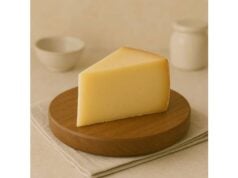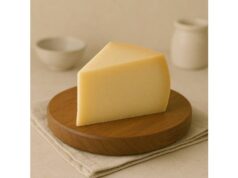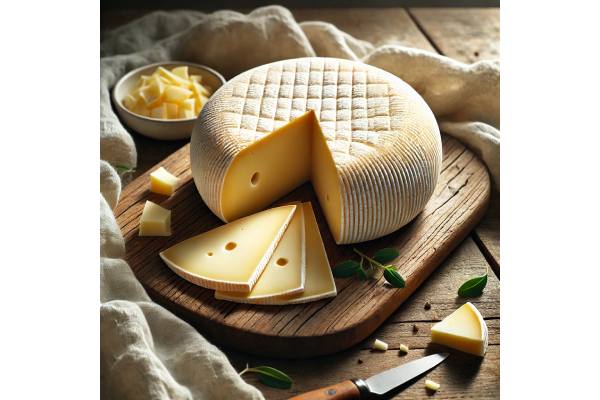
Caciocavallo is a traditional, stretched-curd (“pasta filata”) cheese from southern Italy with a pear-shaped form and a thin, glossy rind. Aged from about one month to a year, it develops a clean dairy aroma that deepens into notes of butter, toasted nuts, and gentle spice. Beyond flavor, it offers a dense package of nutrients: high-quality protein for muscle maintenance, abundant calcium for bones, and meaningful amounts of vitamin A and riboflavin. Because the lactose in milk is consumed during fermentation and ripening, aged Caciocavallo is naturally very low in lactose—often none is detectable—making it suitable for many people who struggle with regular milk. In the kitchen, its superb melt and stretch work in baked pasta, grilled sandwiches, and vegetable gratins, while aged wheels shave beautifully over salads and soups. Below, you’ll find a concise overview, then a practical deep dive into nutrition, benefits, risks, selection, storage, and smart ways to use Caciocavallo at home.
Top Highlights
- Delivers concentrated protein (~36 g/100 g) and ~66% of the daily calcium in one 100 g portion.
- Naturally very low in lactose after aging; many matured wheels have none detectable.
- Typical serving: 30 g, enjoyed 3–4 times weekly as a flavor accent rather than a main protein.
- Safety note: high in sodium and saturated fat; people on MAOIs or low-tyramine diets should favor younger, low-amine cheeses and small portions.
- Pregnant people should choose pasteurized versions and store them cold to reduce Listeria risk.
Table of Contents
- Caciocavallo cheese: detailed overview
- Caciocavallo nutrition profile
- Caciocavallo benefits: evidence-based
- Risks, allergies and interactions
- Selecting quality, sustainability and storage
- Preparation, cooking and nutrient retention
- Portions, comparisons and FAQs
Caciocavallo cheese: detailed overview
Caciocavallo belongs to the same family of stretched-curd cheeses as Provolone and Scamorza, yet it has a personality of its own. The curd is acidified, then stretched in hot water until silky and elastic. Cheesemakers form a characteristic bulb with a narrow “neck,” tie it in twos with twine, and hang the pairs to dry—traditionally “a cavallo,” or “straddled” over a beam, which likely inspired the name. After brining, wheels are left to mature for at least about 30 days, but many are aged far longer. Time in the cellar drives off moisture and concentrates flavor and nutrients: proteins tighten, fat globules redistribute, and the rind turns straw-yellow to amber.
You’ll meet Caciocavallo in several styles. Fresco (young) slices cleanly and melts readily, with a sweet, milky profile. Stagionato (aged) becomes firm to hard, suitable for grating; aromas recall browned butter, hay, and roasted nuts, sometimes with a peppery finish. Affumicato (smoked) adds a gentle campfire note from natural smoking. Regional variations matter too. The Protected Designation of Origin (PDO) “Caciocavallo Silano,” made in southern Italian regions, follows strict production rules that preserve its identity. “Podolico,” produced in smaller quantities from the milk of the rustic Podolica breed, is prized for seasoning complexity that reflects mountain pastures and seasonal transhumance.
Culinarily, Caciocavallo bridges the gap between a melter and a grating cheese. Younger wheels excel on pizza bianca, in baked ziti, or layered in eggplant parmigiana where you want stretch without excessive oiling off. Aged wedges shave thinly over bitter greens, soups, risotto, and roasted brassicas; the salt and umami sharpen vegetables’ sweetness. Thin slices pan-toast into a golden crust that stays soft underneath, ideal for crostini with tomato, fig, or grilled peppers. Because it is richly flavored, small amounts deliver big results—a helpful lever for moderating sodium and saturated fat while enjoying the cheese’s character.
From a nutrition standpoint, expect high protein density, ample calcium and phosphorus, and useful fat-soluble vitamin A. Sodium varies by producer and age (salt uptake continues during brining and early maturation), so label reading matters. Lactose, on the other hand, typically falls to very low or undetectable levels during ripening—useful for many people with lactose intolerance. The flip side of extended aging is the potential accumulation of biogenic amines (notably tyramine), which can trigger migraines in sensitive individuals and interact with certain medicines; you’ll find clear guidance in the risks section.
Caciocavallo nutrition profile
Serving context: Values below are per 100 g of Caciocavallo. Typical table use is 20–40 g; many dishes shine with just 20–30 g per portion.
Macros & Electrolytes (per 100 g)
| Nutrient | Amount | % Daily Value |
|---|---|---|
| Energy | 431 kcal | — |
| Protein | 35.7 g | 71% |
| Total Fat | 31.1 g | 40% |
| Carbohydrates (available) | 2.3 g | 1% |
| Total Sugars | 2.3 g | — |
| Sodium | 960 mg | 42% |
| Potassium | 80 mg | 2% |
| Water | 30.0 g | — |
Fats & Fatty Acids
| Nutrient | Amount | % Daily Value |
|---|---|---|
| Saturated Fat* | ~20–21 g | ~100% |
| Monounsaturated Fat* | ~8 g | — |
| Polyunsaturated Fat* | ~1–2 g | — |
| Cholesterol** | ~100 mg | — |
- Typical ranges from producer data and ripening studies; varies by brand and age.
** Cholesterol has no %DV on current labels; include in personal targets if advised.
Vitamins (per 100 g)
| Vitamin | Amount | % Daily Value |
|---|---|---|
| Vitamin A (RAE) | 420 µg | 47% |
| Riboflavin (B2) | 0.45 mg | 35% |
| Thiamin (B1) | 0.01 mg | 1% |
| Vitamin E (alpha-tocopherol) | 0.43 mg | 3% |
Minerals (per 100 g)
| Mineral | Amount | % Daily Value |
|---|---|---|
| Calcium | 860 mg | 66% |
| Phosphorus | 590 mg | 47% |
| Magnesium | 20 mg | 5% |
| Zinc | 3.75 mg | 34% |
| Selenium | 7.8 µg | 14% |
| Iron | 0.3 mg | 2% |
Allergens & Intolerance Markers
- Milk proteins (casein, whey): present.
- Lactose: typically very low to none detectable in aged samples.
- Biogenic amines (tyramine, histamine): can increase with ripening; amounts vary widely by process and storage.
Glycemic & Acid–Base Metrics
- Carbohydrates are minimal; expected glycemic impact is very low.
- Like other hard cheeses, Caciocavallo contributes to dietary acid load; pair with potassium-rich vegetables.
Additives & Fortification
- Traditional Caciocavallo contains milk, salt, rennet, and starter cultures; fortification is uncommon.
Notes on data: Core macro, vitamin, and mineral values reflect composition tables for Caciocavallo. Fatty acid subtypes and lactose depletion vary with ripening and milk/feed; representative ranges are provided where brand-specific values differ.
Caciocavallo benefits: evidence-based
High-quality protein that satisfies. With roughly 36 g protein per 100 g, Caciocavallo supplies all essential amino acids, supporting muscle repair and satiety. Compared with many snack foods, a 30 g shaving (about a small matchbox-size piece) adds ~11 g protein to a salad or grain bowl—enough to curb hunger while keeping portions modest. Using flavorful, aged cheese as a “condiment” protein is a practical way to meet targets without relying on large servings of meat or refined carbs.
Calcium and phosphorus for skeletal health. One 100 g portion delivers about two-thirds of the daily calcium requirement, plus nearly half the phosphorus, both vital for bone mineralization. Because calcium is tightly bound in the casein matrix, hard cheeses can be a reliable, bioavailable calcium source. If you rarely drink milk, occasional servings of aged cheese can help fill the gap—especially when combined with vitamin D from sunlight or other foods.
Riboflavin and vitamin A for cell and vision support. Riboflavin (B2) participates in cellular energy production and antioxidant recycling. Vitamin A (as retinol) supports skin integrity, night vision, and immune function. These nutrients accumulate in the fat fraction; aged cheeses like Caciocavallo, which lose water over time, often test higher by weight than fresh dairy.
Naturally low in lactose. During fermentation and ripening, lactose is metabolized by bacteria, then further hydrolyzed and consumed. In matured Caciocavallo, lactose is frequently below limits of detection. This does not remove the milk proteins that cause dairy allergy, but it can make the cheese tolerable for many with lactose malabsorption.
Cardiometabolic context—how it fits. Diet patterns that include moderate dairy (especially fermented types) are not uniformly associated with higher cardiovascular risk and can align with heart-healthy eating when total saturated fat and sodium are managed. Cheese is calorie-dense and salty, but its matrix—protein, calcium, and fermentation by-products—may influence how fats are absorbed and how satiating the food is. In real-world diets, people often use small amounts of aged cheeses to boost flavor, which can substitute for less nutritious calories elsewhere. Practical applications include: swapping 25–30 g of intense Caciocavallo for 60–80 g of processed cheese; pairing small shavings with high-fiber foods that blunt post-meal lipid and glucose excursions; and using the cheese’s umami to reduce added salt in a dish.
Performance and recovery. For active individuals, a Mediterranean-style snack of wholegrain bread, roasted vegetables, and 25–30 g Caciocavallo offers a compact mix of protein, fats, and sodium that can help with post-sweat rehydration and appetite normalization. The sodium content is high, so this is not a license to oversalt meals; instead, it suggests using cheese strategically around training rather than scattering it across every plate.
Digestive comfort for some. People with IBS who tolerate hard cheeses often credit the low lactose and the ability to use thin shavings to add flavor without overloading the gut with fermentable carbs. If high-amine foods trigger headaches or flushing, choose younger Caciocavallo (fresh to lightly aged) and keep portions small, or opt for low-amine cheeses as outlined later.
Bottom line: Caciocavallo can play a positive role in a balanced diet when used as a high-flavor accent, paired with fiber- and potassium-rich foods, and portioned with care to manage sodium and saturated fat.
Risks, allergies and interactions
Sodium and saturated fat. At ~960 mg sodium per 100 g (≈42% DV) and roughly 20–21 g saturated fat per 100 g (≈100% DV), Caciocavallo is high in both. For most people, the practical answer is portion control: 20–30 g delivers strong flavor with far less salt and saturated fat, especially if you avoid additional salting of the dish. People with hypertension, heart disease, or high LDL cholesterol should align cheese intake with their clinician’s advice and overall dietary pattern.
Milk allergy vs. lactose intolerance. Aged Caciocavallo is usually very low in lactose, but it still contains milk proteins (casein and whey) that trigger true dairy allergy. Anyone with a diagnosed milk allergy must avoid it entirely. Those with lactose intolerance may tolerate aged servings; test tolerance with a 10–15 g shaving first and increase only if symptom-free.
Biogenic amines (tyramine, histamine). Amines can accumulate as cheese ages. In sensitive individuals they may trigger headaches, flushing, or blood-pressure spikes. Interaction with monoamine oxidase inhibitor (MAOI) medications is the major concern: tyramine can precipitate a dangerous hypertensive episode. Practical guidance:
- If you take an MAOI (for depression or Parkinson’s disease) or the antibiotic linezolid, favor younger cheeses, confirm with your prescriber what is allowed, and keep single-serving portions small (e.g., 15–25 g).
- If you are prone to amine-triggered migraines, try fresh or minimally aged cheeses and store them well-sealed and cold to slow amine formation.
Pregnancy and food safety. Choose pasteurized Caciocavallo, keep it refrigerated at ≤4 °C, and observe use-by dates. Listeria monocytogenes, a bacterium that can grow at fridge temperatures, poses higher risk in pregnancy, older adults, and immunocompromised people. Hard and semi-hard pasteurized cheeses are generally lower risk than soft fresh varieties, but safety still depends on hygiene and storage. Avoid unpasteurized versions and any cheese with signs of spoilage (slime, off-odors, mold growth not part of the rind style).
Histamine intolerance. Independent of MAOIs, some people experience flushing, hives, or GI symptoms after amine-rich foods. If this fits your pattern, choose younger cheeses or alternatives (e.g., fresh mozzarella), and trial small amounts of lightly aged Caciocavallo to assess tolerance.
Kidney stone risk. High-calcium foods like cheese can be appropriate even for calcium oxalate stone-formers when eaten with meals (calcium binds oxalate in the gut), but overall sodium intake is a stronger driver of urinary calcium losses. Prioritize smaller portions, limit table salt elsewhere, and pair cheese with potassium-rich produce.
Medication match-ups (beyond MAOIs). If you use antihypertensives, monitor total sodium. If you take fat-soluble vitamin supplements (A, D, E, K), include cheese in your total daily fat-soluble vitamin budget.
When to avoid completely.
- Confirmed milk allergy (IgE-mediated).
- Current strict low-tyramine diet under medical supervision (unless your clinician has cleared a specific product and portion).
- Active Listeria outbreak tied to a specific manufacturer (follow official recalls).
Selecting quality, sustainability and storage
What to look for on the label.
- Milk & heat treatment: “Pasteurized” is safest for pregnancy and vulnerable groups. “Raw milk” or “latte crudo” can offer distinctive flavors but requires impeccable maturation and cold-chain handling—best avoided by at-risk individuals.
- PDO/region: “Caciocavallo Silano” (PDO) signals traditional production in specific southern Italian regions. “Podolico” indicates milk from the hardy Podolica breed, often with seasonal, pasture-influenced nuances.
- Age: “Fresco” (~1–2 months) melts readily and tastes milky; “stagionato” (several months to a year) grates and tastes nutty and piquant.
- Style cues: “Affumicato” = smoked; expect extra savory depth.
- Salt & saturated fat: Compare per-100 g values; some producers target lower salt (e.g., ~1.5–1.8 g/100 g of salt, ≈600–700 mg sodium), others are higher.
How to judge a cut piece. The rind should be clean and intact (lightly waxed or natural), without sticky patches or ammonia odor. Paste ranges from elastic and pale straw (young) to firm and golden (aged). Tiny tyrosine crystals in older wedges are a positive sign of proteolysis and age, not a defect. Surface oiling is normal at room temperature; excessive sweating in the case may reflect warm display.
Flavor quality by age.
- Younger (≤2–3 months): clean dairy, butter, faint yogurt tang; best for melting.
- Mid-aged (3–6 months): nuts, baked custard, subtle spice; slices for antipasto, cubed into salads.
- Aged (≥6–12 months): concentrated umami, peppery rind; grate or shave.
Sustainability angles. Small and PDO producers often rely on local forage and traditional whey cultures. Pasture-based systems can support biodiversity and soil health; look for producers who disclose grazing practices, animal welfare standards, and minimal-additive processing. Buying wedges instead of pre-shredded packs reduces plastic and food waste, and allows better quality control at home.
Storage and handling.
- Refrigeration: Keep at ≤4 °C. Once cut, rewrap tightly in breathable paper (cheese paper or parchment) plus a loose outer layer of foil, or place in a vented container. Avoid cling film directly on the paste for long periods—trapped moisture and anaerobic pockets can encourage off-flavors.
- Freezing: Not ideal. Texture becomes crumbly and weeps fat on thawing. If necessary, grate and freeze in thin layers for cooking only; use within 6–8 weeks.
- Shelf life after opening: Young styles: 7–10 days; aged: 2–3 weeks if well wrapped and kept cold. Rewrap after each use and keep away from aromatic foods.
- Trim or toss? A little surface mold on a hard rind can be cut away with a 2.5 cm margin; discard if the paste is slimy or smells of ammonia.
Reducing waste. Save rinds to enrich soups and beans (remove before serving). Stale ends can be grated into breadcrumbs for a savory crust.
Preparation, cooking and nutrient retention
Melting behavior. As a stretched-curd cheese, Caciocavallo softens and stretches smoothly, with moderate oiling if overheated. For glossy, elastic pulls in baked dishes, keep oven temps moderate (190–205 °C) and cook just until bubbling. Excessive heat or prolonged broiling pushes fat out and can create greasy pools. Grate on the coarse side or slice thin to promote even melt.
Flavor pairing principles.
- Balance salt with acid and bitterness: tomatoes, roasted peppers, grilled radicchio, lemony arugula, and capers cut richness and keep sodium perception in check.
- Add crunch and polyphenols: walnuts, pistachios, and toasted breadcrumbs introduce texture and compounds that complement dairy fat.
- Lean proteins and legumes: pair small amounts of cheese with beans, chickpeas, or grilled chicken to raise protein while keeping saturated fat modest.
- Herbs and spice: oregano, marjoram, and cracked pepper enhance aroma so you can use less cheese.
Techniques that respect nutrients. Calcium and protein are stable to normal cooking; vitamins in the fat fraction (vitamin A) tolerate brief heat better than prolonged high-temperature frying. Sensible tactics:
- Add grated or shaved cheese near the end of cooking for flavor retention.
- Broil briefly to brown the surface but avoid extended high heat that causes fat separation.
- In soups or risotto, stir off heat to preserve texture and prevent stringiness.
- Use small knobs or thin slices rather than thick slabs for more surface aroma per gram.
Smart swaps that lower sodium and saturated fat.
- Use 20–25 g aged Caciocavallo as a finishing accent instead of 60 g of a milder cheese; the umami punch means you won’t miss volume.
- Combine half-portions with high-moisture vegetables (zucchini ribbons, spinach) to spread flavor.
- Replace some cured meat in sandwiches with grilled vegetables and a thin layer of melted Caciocavallo for equal satisfaction and less salt.
Quick applications (home-cook tested):
- Sheet-pan broccoli with lemon and Caciocavallo: roast florets, then finish with 20 g grated cheese and lemon zest.
- Tomato-white bean bake: nestle beans in garlicky tomato sauce, top with 30 g shaved Caciocavallo, and bake to bubbling.
- Crisp-edge cheese toasts: pan-toast thin slices until the edges caramelize; serve with sliced figs or roasted peppers.
Food-safety habits while cooking: Keep raw produce and cheese on separate boards; rewrap immediately after slicing; return unused portions to the fridge quickly; and avoid leaving cheese at room temperature for more than 2 hours (or 1 hour in hot weather).
Portions, comparisons and FAQs
Recommended portion and frequency. For most adults without special dietary restrictions, 20–30 g per eating occasion, 3–4 times weekly, fits well into balanced patterns like Mediterranean-style diets. Athletes or people with higher energy needs might use 30–40 g around training; those managing blood pressure or LDL cholesterol benefit from the low end of the range and careful salt budgeting the rest of the day.
How Caciocavallo compares to similar cheeses (per 30 g typical piece).
- Caciocavallo (aged): ~130 kcal; ~11 g protein; ~9 g fat (≈6–7 g saturated); ~290 mg sodium; minimal lactose.
- Provolone: similar protein, often slightly less sodium in some brands, similar saturated fat.
- Scamorza (fresh or lightly smoked): milder, softer melt, slightly lower fat per weight.
- Parmigiano Reggiano: drier, more intense; you can use smaller amounts (10–15 g) to achieve the same flavor impact.
- Mozzarella (fresh): much lower sodium and saturated fat per weight but also less flavor density; you’ll usually use more to taste.
FAQs
Is Caciocavallo lactose-free? Aged wheels are typically very low in lactose; some show none detectable. If you have lactose intolerance, start with a small tasting (10–15 g) to confirm tolerance.
Is it safe in pregnancy? Yes—if pasteurized and handled correctly. Choose pasteurized versions, keep them cold (≤4 °C), avoid pre-cut cheeses from open displays, and consume by the use-by date.
What about migraines and “cheese reactions”? Try younger Caciocavallo (1–2 months), which tends to have lower amine levels, and keep portions small. If you take an MAOI medicine, follow medical advice on tyramine limits; aged cheeses are often restricted or portion-limited.
Is Caciocavallo vegetarian? Many traditional versions use animal rennet. If you require vegetarian rennet, check the label or ask the producer.
Can I eat it on a low-carb or keto diet? Carbs are minimal. The constraint is saturated fat and sodium; portion carefully, and build the rest of the meal from non-starchy vegetables, legumes (if using carbs), and unsalted components.
Best substitutes? Provolone (especially piccante), Scamorza (for melting), and aged Asiago (for grating) approximate texture and function; adjust salt to taste.
Any tips for sensitive stomachs? Pair with cooked vegetables and whole grains to slow digestion, skip cured meats in the same meal to reduce combined salt and amines, and avoid very late-night snacking if reflux is an issue.
References
- Caciocavallo 2019.
- Ripening-Associated Changes in Fatty Acid Composition and Nutritional Indices in Caciocavallo Silano PDO Cheese 2025 (Open Access Research).
- A global analysis of dairy consumption and incident cardiovascular disease 2025 (Systematic Analysis).
- What You Need to Know About Preventing Listeria Infections 2025 (Guidance).
- The Prescriber’s Guide to the MAOI Diet—Thinking Through Tyramine Troubles 2022 (Clinical Review).
Disclaimer
This article is for general education only and is not a substitute for personalized medical advice, diagnosis, or treatment. Nutrition needs and safety considerations vary by individual health status, medications, and life stage (including pregnancy). Always consult a qualified healthcare professional or registered dietitian for recommendations tailored to you. If you suspect a foodborne illness or an allergic reaction, seek medical care immediately.
If you found this guide useful, please consider sharing it with friends or colleagues on Facebook, X (formerly Twitter), or any platform you prefer. Your support helps us continue creating accurate, practical resources.