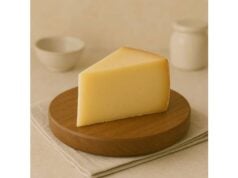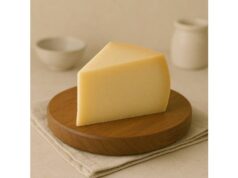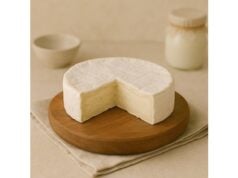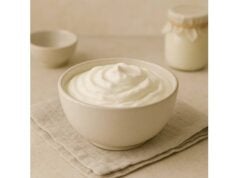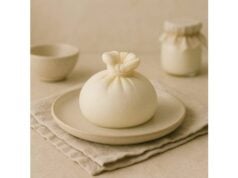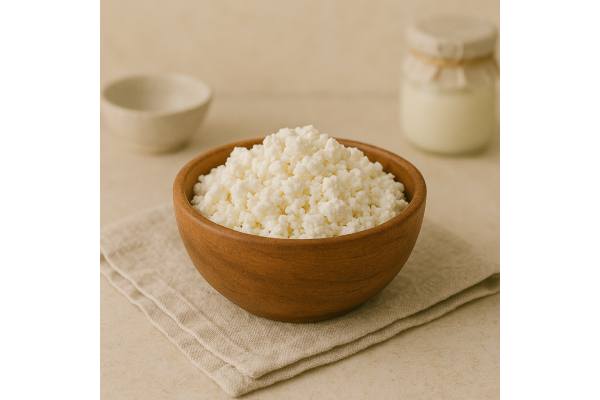
Bryndza is a tangy, spreadable sheep’s milk cheese with deep roots in the Carpathian region—especially Slovakia, where “Slovenská bryndza” holds protected status. Its bold, savory flavor comes from lactic fermentation and a short maturation that preserves moisture and aroma. In the kitchen, bryndza melts into sauces and dumplings, brightens salads, and spreads easily on warm bread. From a nutrition standpoint, it delivers high-quality protein, readily absorbed calcium, and meaningful amounts of riboflavin and vitamin A—yet it can also be salty. Because it is a fermented fresh cheese, some products contain live cultures that may complement a diverse diet. This guide distills what matters most: the nutrition numbers per 100 g, evidence-based health effects, who should be cautious, and how to buy, store, and cook bryndza for maximum quality and safety. Whether you are exploring bryndza for its heritage or its taste, you will find practical, people-first answers below.
Top Highlights
- Provides about 20 g protein and ~50% DV calcium per 100 g; savory, spreadable, and versatile in hot or cold dishes.
- Fermented sheep’s cheese that may contain live cultures; choose pasteurized products if pregnant or immunocompromised.
- Typical serving: 30 g (about 2 tablespoons), up to several times weekly as part of a balanced diet.
- People who should limit: those on low-sodium diets, with uncontrolled hypertension or chronic kidney disease, and anyone avoiding unpasteurized dairy.
Table of Contents
- Bryndza cheese: origin and makeup
- Bryndza nutrition profile (per 100 g)
- Evidence-backed benefits of bryndza
- Risks, allergies and interactions
- Buying bryndza: quality, sustainability and storage
- Preparing bryndza: cooking and nutrient retention
- Portions, comparisons and FAQs
Bryndza cheese: origin and makeup
Bryndza is a traditional, soft, crumbly-to-creamy cheese made primarily from sheep’s milk. The curd is fermented with lactic acid bacteria and then milled with salt into a spreadable paste. In Slovakia, “Slovenská bryndza” is protected and tied to specific geographic practices. Many commercial products blend sheep’s cheese with a smaller amount of cow’s curd to stabilize texture and price while retaining the characteristic flavor.
What sets bryndza apart is its lactic fermentation and relatively short maturation (often weeks, not months). This keeps moisture high and the flavor bright—tangy, slightly piquant, and markedly salty. The aroma reflects both sheep’s milk lipids (which carry short- and medium-chain fatty acids) and the metabolites of lactic acid bacteria. Depending on the producer, bryndza may be made from pasteurized or raw milk, and it may be thermized (gently heat-treated). Pasteurized products are the safest choice for high-risk groups.
Culinarily, bryndza plays a starring role in national dishes such as bryndzové halušky (potato dumplings with bryndza and crisped bacon or mushrooms). It also works in quick weekday meals: whisk a spoonful into hot pasta water for an instant sauce, fold into omelets, or smear on toast with spring onions and pepper. Because bryndza is soft, it blends into dressings and dips without grittiness. The salt level is notable; small amounts go a long way.
From a nutrition lens, bryndza concentrates milk’s protein and minerals. A standard 30 g serving provides roughly 6 g protein and ~15% Daily Value (DV) for calcium, alongside sodium that can approach 10–12% DV depending on the brand. It is also energy-dense, so portions matter if you are watching calories or saturated fat. As a fermented cheese, some products contain living cultures at purchase, though heating will inactivate them.
Seasonality subtly affects taste and composition. “May bryndza,” made when ewes graze lush pastures, can taste fresher and more herbal. Texture and tang vary by water content, salt, and the milk’s fat profile. Because bryndza is often sold in tubs, freshness and storage conditions make a visible difference: look for a clean, uniform paste without separation or sour, yeasty off-odors.
Finally, bryndza’s sustainability profile hinges on small-ruminant dairy systems. Pasture-based flocks can support biodiversity and traditional landscapes, but transport, refrigeration, and packaging still contribute to footprint. Choosing local producers and right-sized packages helps minimize waste.
Bryndza nutrition profile (per 100 g)
Below is a consolidated, scannable profile for typical sheep bryndza. Values are for 100 g; %DV uses current U.S. Daily Values for adults and children ≥4 years.
Macros and electrolytes (per 100 g)
| Nutrient | Amount | %DV |
|---|---|---|
| Energy | 314 kcal | — |
| Protein | 20.5 g | 41% |
| Total fat | 25.4 g | 33% |
| Carbohydrate (total) | 1.7 g | 1% |
| Sugars | 0 g | — |
| Dietary fiber | 0 g | — |
| Sodium | 888 mg | 39% |
| Water | 49.5 g | — |
Fats and fatty acids (per 100 g)
| Nutrient | Amount | %DV |
|---|---|---|
| Saturated fat | — | — |
| Polyunsaturated fat | 1.2 g | — |
| Cholesterol | 51 mg | 17% |
Note: Saturated fat varies by producer and season; many labels list ~13–18 g per 100 g. Check your product’s panel if you are limiting saturated fat.
Vitamins (per 100 g)
| Nutrient | Amount | %DV |
|---|---|---|
| Vitamin A (retinol activity equivalents) | 315 µg RAE | 35% |
| Riboflavin (Vitamin B2) | 0.39 mg | 30% |
| Vitamin C | 0 mg | — |
Minerals (per 100 g)
| Nutrient | Amount | %DV |
|---|---|---|
| Calcium | 644 mg | 50% |
| Phosphorus | 605 mg | 48% |
| Magnesium | 30 mg | 7% |
| Iron | 0.9 mg | 5% |
| Salt (as labeled) | 2.2 g | — |
Allergens and intolerance markers
- Contains milk proteins (casein, whey) and lactose traces (typically low in fermented cheeses).
- Naturally high in sodium; some brands also list “thermized” or “pasteurized,” indicating heat treatment level.
Additives & fortification
- Traditional bryndza is not fortified. Stabilizers are uncommon; read labels on blended products.
Glycemic and acid–base notes
- Very low carbohydrate; negligible impact on blood glucose for most people.
- Like many cheeses, bryndza is acid-forming in potential renal acid load models; balance with vegetables and fruits.
Footnotes: Nutrition figures reflect typical sheep bryndza; brand values vary. %DV uses current FDA Daily Values.
Evidence-backed benefits of bryndza
1) Dense calcium and quality protein for bones and muscles.
Per 100 g, bryndza supplies about half the DV for calcium and over 20 g of complete protein. Calcium supports bone remodeling and neuromuscular function, while casein- and whey-derived peptides contribute essential amino acids. For adults who struggle to meet calcium needs, a modest daily portion of bryndza alongside leafy greens and yogurt can close gaps without reliance on supplements.
2) Fermented dairy pattern and cardiometabolic outcomes.
Large cohort analyses and updated meta-analytic evidence suggest dairy consumption—particularly cheese—can be part of heart-healthy patterns. In pooled analyses including European and Asian cohorts, higher cheese intake was associated with modestly lower incident cardiovascular disease, especially coronary outcomes and certain stroke subtypes, within generally balanced diets. While mechanisms are multifactorial, hypotheses include dairy’s mineral matrix (calcium, phosphorus), milk fat globule membrane components, and fermentation-derived bioactives that may modulate lipids and vascular function.
3) Potential microbiome-related effects.
As a naturally fermented cheese, bryndza may carry lactic acid bacteria (for example, Lactococcus and Lactobacillus species) at purchase. Human intervention research using bryndza has shown increases in beneficial lactic acid bacteria and short-chain fatty acid–associated taxa when bryndza was included regularly in a structured diet and exercise program over several weeks in adults. These observations align with broader findings that some cheeses can deliver viable microbes capable of transiently interacting with the gut ecosystem. Keep in mind, however, that heating bryndza will inactivate living microbes; to capture live-culture exposure, enjoy some unheated portions (in safe, pasteurized products if you are in a high-risk group).
4) Practical satiety and nutrient density in small portions.
Because bryndza is salty and intensely flavored, people often use less than they would of mild cheeses. A 30 g serving spreads richly on toast or finishes a pan of dumplings, delivering roughly 6 g protein and ~15% DV calcium. That small amount can make plant-forward meals more satisfying without large increases in calories.
5) Flexible for lactose sensitivity.
Fermentation and curd draining reduce lactose substantially compared with milk. Many lactose-sensitive adults tolerate small portions of fermented cheeses. Tolerance is individual; begin with 15–30 g and evaluate comfort.
How to apply this in daily eating
- Use bryndza to add calcium to vegetarian dishes (mushroom buckwheat, roasted beets, barley pilafs).
- Pair with potassium-rich sides—cucumbers, tomatoes, radishes, apricots—to balance sodium.
- Rotate with other fermented dairy (yogurt, kefir) for microbial diversity and varying protein sources.
Bottom line: within balanced diets emphasizing vegetables, legumes, whole grains, and unsalted nuts, bryndza can contribute valuable minerals and protein, with fermentation offering potential added benefits.
Risks, allergies and interactions
Sodium load.
Typical bryndza delivers ~2.2 g salt (≈880–900 mg sodium) per 100 g. A standard 30 g portion can approach 260–280 mg sodium—roughly 11–12% of the 2,300 mg DV. If you manage hypertension, heart failure, or chronic kidney disease, keep portions modest and account for the rest of your day’s sodium budget. Rinse is not practical for spreadable cheese; instead, dilute saltiness by stirring bryndza into unsalted ricotta or strained yogurt.
Pregnancy, older adults, and immunocompromised individuals.
Unpasteurized soft cheeses carry a higher risk of Listeria monocytogenes. Choose bryndza made from pasteurized milk and avoid raw-milk versions unless heated thoroughly (e.g., baked until bubbling). Always verify the label; when eating out, ask the kitchen to confirm pasteurization and, if needed, request the cheese be fully cooked.
Allergy and intolerance.
Bryndza contains milk proteins (casein and whey). People with IgE-mediated dairy allergy must avoid bryndza entirely. For lactose intolerance, bryndza is usually lower in lactose than milk, but tolerance varies; start small and assess. If you have casein intolerance or are on a strict low-histamine plan, fermented cheeses may trigger symptoms; consider alternatives like firm tofu or lactose-free cottage cheese.
Drug and condition interactions.
- Blood pressure medications: sodium excess can blunt control; plan portions accordingly.
- MAO inhibitors: bryndza is fresh and not a long-aged cheese, so tyramine content is typically lower than in aged cheddar or blue; even so, if you are on MAOIs, discuss cheese choices with your clinician and introduce cautiously.
- Renal disease: high phosphorus and sodium warrant individualized advice; dietitians often limit portions or recommend lower-phosphorus options.
Food safety at home.
Keep bryndza cold (≤4 °C), minimize time at room temperature, and use clean utensils to prevent cross-contamination. Discard if you see mold growth, gas pockets, or off-odors. Opened tubs generally keep 5–7 days in the coldest fridge zone; follow the producer’s “use within” guidance.
Signs to seek care.
After eating soft cheese, contact a clinician promptly if you develop fever, muscle aches, or gastrointestinal symptoms lasting more than a day—especially during pregnancy or if immunocompromised.
Buying bryndza: quality, sustainability and storage
How to read the label
- Milk treatment: prefer pasteurized if you are pregnant, older, or immunocompromised. Raw-milk bryndza is for low-risk consumers and should be kept cold and consumed quickly.
- Ingredients: traditional bryndza is essentially sheep’s cheese plus salt; some brands blend in cow’s curd for consistency.
- Salt statement: if available, compare “salt per 100 g” across brands; look for options near 2.0–2.2 g per 100 g if limiting sodium.
- Date codes: choose the latest “use by” or “best before.” For short-shelf-life tubs, buy close to the day you plan to use them.
Quality cues at purchase
- Texture should be creamy or finely crumbly, not gritty or weeping liquid.
- Aroma should be clean and lactic, not yeasty or ammonia-like.
- Color ranges from ivory to pale cream; avoid gray or green specks.
Where to buy
- Specialty cheese counters and Central/Eastern European grocers often stock multiple styles.
- Farmers’ markets may offer seasonal raw-milk versions—ask about pasteurization and hygiene.
- For online orders, choose refrigerated shipping with temperature control.
Sustainability pointers
- Portion-smart packaging: small tubs reduce waste if you eat bryndza occasionally.
- Local sourcing: minimizes transport footprint and supports regional dairy systems.
- Pasture-based producers: may contribute to rural biodiversity; look for producers who disclose grazing practices.
Storage after opening
- Refrigerate immediately at ≤4 °C in a covered container.
- Keep a clean “cheese spoon” to avoid introducing crumbs or saliva.
- Use within 5–7 days for best quality; if separation occurs, stir thoroughly.
- Do not freeze creamy bryndza—freezing disrupts emulsion and texture.
Batch cooking tip
If you buy a larger tub, divide into 30 g portions in small airtight jars. This controls portions, reduces repeated exposure to air, and keeps flavors brighter through the week.
Preparing bryndza: cooking and nutrient retention
Keep it cool to keep the cultures.
If you want potential live-culture exposure, enjoy some bryndza unheated: whisk into a yogurt-herb dip, spread on bread with chives, or crumble over warm—but not scorching—vegetables. Heat above ~60–70 °C will inactivate microbes.
Balance flavor and sodium.
Bryndza’s salt is part of its character. To tame sodium without losing taste:
- Dilute with unsalted dairy (strained yogurt, quark, ricotta) at a 1:1 ratio for spreads.
- Use bryndza as a finishing accent instead of a base, e.g., a spoon over roasted potatoes or grilled zucchini.
- Pair with high-potassium sides (tomatoes, cucumbers, spinach) and acid (lemon, vinegar) to enhance perceived saltiness without adding more salt.
Heat behavior and melting
Bryndza softens readily and emulsifies into sauces; its higher moisture and protein make it ideal for creamy finishes rather than extended high-heat baking. In dumplings or pasta, reserve some cooking water and toss off heat to create a glossy coating.
Retention of key nutrients
- Calcium and protein are heat-stable; cooking does not meaningfully reduce them.
- Riboflavin is light-sensitive rather than heat-labile; minimize UV exposure in clear containers.
- Live cultures are sensitive to heat; add bryndza near the end if you want some unheated portion.
- Sodium is unchanged by cooking; dilution with other ingredients is the only way to reduce sodium per serving.
Techniques and ideas
- Five-minute bryndza sauce: Off heat, whisk 30 g bryndza into 120 ml hot pasta water with a spoon of olive oil; finish with cracked pepper and parsley.
- Spring salad topper: Crumble 20–30 g over radishes, cucumbers, and tender lettuce; dress with lemon.
- Protein boost omelet: Fold a spoonful into an herb omelet; the cheese melts into fine curds without weeping.
- Roasted beet and buckwheat bowl: Toss warm buckwheat with roasted beets, walnuts, and a spoon of bryndza; the acidity brightens the dish.
- Spread for rye toasts: Mash bryndza with paprika, chives, and a little unsalted yogurt; serve with sliced tomatoes.
Food safety in recipes
For high-risk diners, prefer cooked dishes (simmered sauces, baked casseroles) using pasteurized bryndza to reduce microbial risk. Always refrigerate leftovers promptly and reheat to steaming hot.
Portions, comparisons and FAQs
How much bryndza is a portion?
A practical serving is 30 g (about 2 tablespoons). That portion supplies approximately 6 g protein, ~190–200 mg calcium (≈15% DV), and ~260–280 mg sodium (≈11–12% DV), depending on brand. Enjoying 1–3 such servings per week fits comfortably into many balanced dietary patterns; if you are very active or have higher protein needs, you may use more while moderating sodium elsewhere.
How does bryndza compare to feta or ricotta?
- Feta (usually from sheep/goat) is brined and firmer, with similar salt but a crumbly block texture; flavor is sharper, less creamy.
- Bryndza is milled into a spreadable paste, tangier and creamier.
- Ricotta is lower in salt and fat, very mild, and not fermented in the same way; it is a good “diluter” for bryndza spreads if you need less sodium.
Is bryndza low in lactose?
Fermentation and draining reduce lactose; most bryndza has very little lactose compared with milk. Many lactose-intolerant people tolerate small servings. Individual thresholds vary—try 15–30 g and assess.
What about saturated fat?
Saturated fat figures vary widely (often ~13–18 g per 100 g) depending on milk fat, season, and brand. If you are limiting saturated fat, keep portions modest, combine with unsaturated fats (olive oil, nuts, seeds), and prioritize vegetables and whole grains alongside.
Can children eat bryndza?
Yes, in age-appropriate amounts. Because of salt, keep portions small for toddlers and avoid raw-milk products. Mix with unsalted dairy to reduce sodium per bite.
Is pasteurized bryndza still “fermented”?
Yes. Pasteurization refers to the milk before fermentation; cultures are then added to make the cheese. Some final products retain live cultures, while others may be thermized post-fermentation; check labels and enjoy a portion unheated if live cultures matter to you.
Simple ways to keep portions in check
- Pre-portion into 30 g jars after opening.
- Use as a finishing accent instead of a base sauce.
- Pair with high-volume, low-sodium foods (greens, roasted vegetables, boiled potatoes).
Quick substitution guide
- For lighter spreads: mix bryndza 1:1 with unsalted Greek yogurt.
- For bakes: blend with farmer’s cheese or ricotta to reduce salt without losing creaminess.
- For salads: crumble sparingly and boost herbs, acid, and texture (seeds, toasted rye breadcrumbs).
References
- Cheese, sheep, Bryndza | Nutridatabaze.cz 2025 (Database)
- A global analysis of dairy consumption and incident cardiovascular disease | Nature Communications 2025 (Systematic Review and Cohort Analyses)
- The Efficacy of Short-Term Weight Loss Programs and Consumption of Natural Probiotic Bryndza Cheese on Gut Microbiota Composition in Women – PubMed 2021 (RCT)
- How Listeria Spread: Soft Cheeses and Raw Milk 2025 (Guidance)
- Daily Value on the Nutrition and Supplement Facts Labels 2024 (Reference DV List)
Disclaimer
This article is for general education and is not a substitute for personalized medical advice. Dietary needs and safety considerations vary by age, health status, medications, and pregnancy. Always consult a qualified health professional or registered dietitian about your specific situation, especially if you are pregnant, immunocompromised, managing chronic disease, or on a medically restricted diet.
If you found this guide useful, please consider sharing it with friends and colleagues on Facebook, X (formerly Twitter), or any platform you prefer. Your support helps us continue creating clear, high-quality nutrition content.