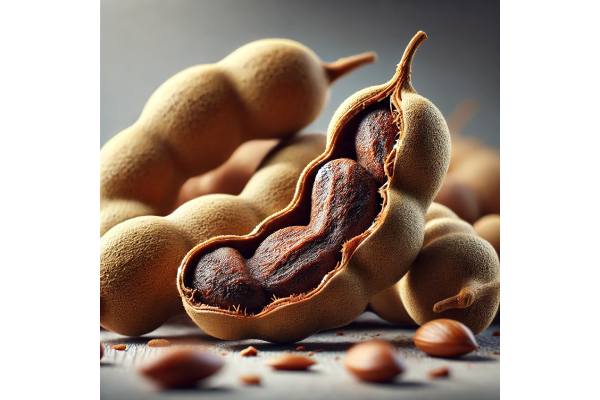
Tamarind is a sweet–tart fruit that adds bright acidity and complexity to dishes from India, Southeast Asia, the Caribbean, and beyond. Inside a brittle brown pod, the sticky pulp delivers concentrated flavor along with fiber, potassium, magnesium, and notable B vitamins such as thiamin. In the kitchen, tamarind acts like a natural souring agent: it lifts curries and chutneys, balances rich meats, tenderizes proteins in marinades, and anchors refreshing beverages and desserts. Beyond taste, the fruit contains organic acids (especially tartaric acid) and polyphenols that contribute antioxidant activity. You can buy whole pods, seedless blocks, or ready-to-use paste and concentrates—each suited to different recipes and prep times. While tamarind is generally safe when eaten as food, there are a few considerations: processed candies sometimes contain excessive sugar, certain traditional candies have been linked historically to lead contamination, and the fruit’s pronounced acidity may bother sensitive teeth or reflux. This guide explains how to choose, store, and cook tamarind, what a practical portion looks like, and how to enjoy its flavor while staying mindful of safety.
At a Glance
- Provides fiber (≈5 g/100 g) and potassium (≈600 mg/100 g); supports digestive regularity and electrolyte balance.
- Very tart; frequent sipping or sticky candies may contribute to dental enamel wear in susceptible people.
- Typical culinary portion: 1–2 tablespoons (15–30 g) tamarind paste, up to several times per week within a varied diet.
- Limit or avoid if you follow a low-potassium diet (e.g., advanced kidney disease) or have poorly controlled reflux.
Table of Contents
- Tamarind: Detailed Overview
- Tamarind Nutrition Profile
- Evidence-Based Health Benefits
- Risks, Allergies and Interactions
- Selecting, Quality, Sustainability and Storage
- Preparation, Cooking and Nutrient Retention
- Portions, Comparisons and FAQs
Tamarind: Detailed Overview
Tamarind (Tamarindus indica) is a leguminous tree that thrives in tropical climates. Its pods enclose sticky, dark brown pulp around glossy seeds. The pulp’s signature flavor—sweet at first, sharply sour, then aromatic—comes from a mix of organic acids (predominantly tartaric), natural sugars, and fragrant compounds. Cooks use tamarind to add sourness the way others might use lemon, vinegar, or pomegranate molasses, but tamarind’s depth is unique: it rounds off heat in spicy curries, balances fat in fried or grilled foods, and brightens fruit-forward beverages.
Common forms include:
- Whole pods: Best for maximal aroma and authenticity. You’ll crack the shell, pull away fibers, then soak and strain the pulp.
- Seedless pulp blocks (often labeled “tamarind slab”): Densely compressed pulp with some fibers. A good balance of value and ease.
- Ready-to-use paste or concentrate: The most convenient for quick weeknight cooking and drinks. Pastes are typically less intense (often just pulp and water); concentrates are reduced and more potent.
Culinary roles by cuisine illustrate its range. In South India, tamarind powers rasam and sambar. In Thailand, it sharpens pad thai and som tam. In the Caribbean and Mexico, it’s the backbone of refreshing aguas and tangy candies, as well as glazes for seafood or pork. In the Middle East, it adds lift to stews and sauces.
Nutrition-wise, tamarind is relatively energy-dense compared with many fresh fruits because the pulp is concentrated and low in water. Per 100 g pulp, you’ll get meaningful fiber, potassium, and magnesium, plus thiamin and riboflavin. The acids and polyphenols also contribute antioxidant capacity. Still, context matters: concentrated pastes and candies can be high in natural and added sugars. The goal is flavorful, modest amounts used to balance meals, not large servings eaten alone.
Storage and safety are straightforward: keep unopened pods or blocks in a cool, dark cupboard; refrigerate opened paste. Look for producers that test for heavy metals, and avoid extremely sticky candies for children unless you trust the brand’s quality controls. The next sections detail the precise nutrition, benefits, and practical strategies for buying and cooking tamarind confidently.
Tamarind Nutrition Profile
Reference: raw tamarind pulp, per 100 g (not concentrate; values rounded to common label precision).
Macros & Electrolytes
| Nutrient | Amount (per 100 g) | % Daily Value |
|---|---|---|
| Energy | 239 kcal | — |
| Carbohydrate | 62.5 g | 23% |
| Dietary Fiber | 5.1 g | 18% |
| Total Sugars | 38.8 g | — |
| Protein | 2.8 g | 6% |
| Total Fat | 0.6 g | 1% |
| Saturated Fat | 0.3 g | 2% |
| Sodium | 28 mg | 1% |
| Potassium | 628 mg | 13% |
| Water | 31.4 g | — |
Carbohydrates
| Component | Amount | Notes |
|---|---|---|
| Starch | ~0.1–0.5 g | Minimal; most carbs are sugars. |
| Free Sugars (glucose, fructose, sucrose) | ~39 g | Varies by cultivar and ripeness. |
| Organic Acids (primarily tartaric) | variable | Drive the sour taste; not counted as sugars. |
Vitamins
| Vitamin | Amount | % Daily Value |
|---|---|---|
| Thiamin (B1) | 0.43 mg | 36% |
| Riboflavin (B2) | 0.15 mg | 12% |
| Niacin (B3) | 1.9 mg | 12% |
| Vitamin C | 3.5 mg | 4% |
| Folate (DFE) | 14 µg | 4% |
| Vitamin K | 2.8 µg | 2% |
| Vitamin A (RAE) | 6 µg | 1% |
Minerals
| Mineral | Amount | % Daily Value |
|---|---|---|
| Magnesium | 92 mg | 22% |
| Phosphorus | 113 mg | 9% |
| Calcium | 74 mg | 6% |
| Iron | 2.8 mg | 16% |
| Copper | 0.09 mg | 10% |
| Zinc | 0.1 mg | 1% |
Bioactives / Phytonutrients
- Tartaric acid dominates the acid profile and contributes antioxidant capacity and a low pH for tenderizing.
- Polyphenols (procyanidins, catechins, phenolic acids) are present in pulp; seeds and shells contain additional phenolics used in extracts and functional ingredients.
Glycemic & Acid–Base Metrics
- Glycemic impact: The pulp is carbohydrate-dense, but typical culinary portions are small and often paired with protein or fat.
- pH and acidity: Concentrates and beverages can be quite acidic; dilute adequately and avoid frequent sipping to protect enamel.
Additives & Fortification (product-specific)
- Pastes/Concentrates: Some brands add sodium benzoate or potassium metabisulfite (sulfites) as preservatives.
- Sauces/Candies: May include significant added sugars and salt; check labels if managing blood sugar or sodium intake.
Footnote: % Daily Values use current U.S. labeling DVs (e.g., potassium 4700 mg/day, fiber 28 g/day). Values for whole pods, blocks, and concentrates vary by water content; consult your product’s label for exact amounts.
Evidence-Based Health Benefits
1) Flavor-forward calorie control and sodium reduction. Tamarind’s intense sourness can replace part of the salt or sugar needed to make foods satisfying. A spoonful of paste brightens stews, grilled meats, and legumes, helping you season assertively without relying solely on salt or added sweeteners. This “flavor leverage” is practical: use 1–2 teaspoons in dressings or marinades to amplify taste and reduce sodium by 10–20% compared with your usual recipe, adjusting to preference.
2) Digestive regularity and meal satisfaction. With about 5 g fiber per 100 g and a viscous, sticky matrix, tamarind pulp adds soluble and insoluble fibers that support stool bulk and bowel regularity when used regularly in meals. Because typical portions are modest, pair tamarind with fiber-rich ingredients—lentils, chickpeas, whole grains, or crunchy vegetables—to achieve a meaningful daily total (25–38 g) while enjoying the flavor benefits.
3) Potassium and magnesium for muscle and nerve function. A 100 g portion provides around 13% DV of potassium and 22% DV of magnesium. These minerals support normal muscle contraction, nerve signaling, and blood pressure regulation when part of a balanced diet. In hot climates, tamarind-based beverages diluted with water and a pinch of salt can be a pleasant way to restore fluids and electrolytes after activity—provided you control added sugar.
4) Polyphenols and organic acids with antioxidant activity. The pulp contains polyphenols and abundant tartaric acid. Together they help neutralize reactive oxygen species in vitro and can protect flavors and colors in foods. While lab and extract studies are far more concentrated than typical culinary use, using tamarind as a souring agent nudges your overall polyphenol intake upward in a flavorful way.
5) Emerging clinical findings (supplement forms). Human studies of food-form tamarind are limited. However, modern research has evaluated tamarind-derived or combined extracts for joint comfort and functional outcomes. For example, proprietary blends containing tamarind seed extract have reported improvements in knee function and activity-related discomfort in adults with osteoarthritis. These findings apply to standardized supplements rather than ordinary cooking, but they illustrate the fruit’s bioactive potential. If you explore such products, choose brands with transparent ingredient standardization and clinical testing, and use them under professional guidance—especially if you take medications.
6) Culinary versatility that supports diverse, plant-forward eating. Tamarind pairs naturally with legumes, vegetables, seafood, and lean meats. It brings balance to spicy dishes and depth to roasted vegetables and soups. That pattern—flavorful, plant-forward meals seasoned with naturally sour ingredients—aligns with many healthy dietary traditions.
Practical ways to capture these benefits:
- Add 1 tablespoon paste to lentil stews or tomato soups to boost brightness while holding back on added salt.
- Whisk a quick dressing: tamarind paste, warm water, garlic, cumin, honey (or date syrup), and olive oil; toss with slaws or grain bowls.
- Use a tamarind marinade for chicken or tofu (tamarind, yogurt, ginger, garlic); the low pH promotes tenderness and browning.
Bottom line: tamarind’s best-supported advantages arise from its role in building satisfying, nutrient-dense meals and modest contributions of fiber, potassium, magnesium, and polyphenols. Treat extract studies as directional, not definitive nutrition claims for everyday cooking.
Risks, Allergies and Interactions
Acidity and dental enamel. Tamarind beverages and candies are strongly acidic. Frequent sipping or prolonged contact with teeth can contribute to enamel erosion over time. To lower risk, enjoy tamarind drinks with meals, use a straw when appropriate, and avoid brushing immediately after acidic foods (rinse with water first).
Reflux and sensitive stomachs. The sourness that livens up recipes can aggravate gastroesophageal reflux in susceptible people. Start with small amounts and avoid undiluted concentrates.
Sugar load in processed products. Traditional candies, drinks, and sauces can be very sweet. For children in particular, sticky tamarind candies pose a double concern: sugar plus acidity. Choose reputable brands, offer them occasionally, and favor tamarind used in meals over candy.
Heavy metals in certain traditional candies. Historical public-health investigations have linked some tamarind candies and folk remedies to lead contamination, often from packaging or glazes rather than the fruit itself. Modern supply chains are safer, but risk varies by source. Buy from trusted manufacturers that test for heavy metals, especially for children and during pregnancy.
Allergy. Tamarind belongs to the legume family. True allergy is uncommon but reported, including oral itching, hives, or swelling. People with multiple legume allergies (e.g., peanut, lupin) should be cautious and discuss testing with an allergist if symptoms ever occur.
Medication interactions (absorption). Tamarind fruit pulp has been shown to increase the absorption of certain drugs in controlled settings. Notably, small clinical studies reported higher exposure to aspirin, and other work suggests effects on ibuprofen. Although these studies used deliberate co-administration and specific preparations, it’s prudent to separate medicinal doses of such drugs from large amounts of tamarind beverages or extracts. If you take daily antiplatelets, anticoagulants, or NSAIDs, ask your clinician about timing and any personalized precautions.
Potassium management. Because tamarind contributes potassium, people instructed to limit potassium (e.g., advanced chronic kidney disease) should track total dietary intake. Typical recipe amounts are small, but habitual large servings of paste or candies could add up.
Sulfites and preservatives. Some bottled pastes and sauces contain sulfites or benzoates. If you’re sensitive, read labels and choose products with short, transparent ingredient lists.
Seeds and choking risk. Whole seeds are hard and glossy; remove them from dishes served to small children.
Practical safeguards:
- Use culinary—not medicinal—amounts unless guided by a professional.
- Choose food-grade paste or reputable concentrates; avoid unknown candies for children.
- Separate high-dose medications from tamarind-rich drinks by a few hours when feasible.
Selecting, Quality, Sustainability and Storage
How to choose:
- Pods: Look for firm, dry shells that crack cleanly. Inside, the pulp should be pliable and richly brown, with strings that pull away easily. Avoid pods with visible mold or a fermented smell.
- Pulp blocks/slabs: Choose dense, uniform blocks without excessive crystallized sugar or white spots. A little stickiness is normal.
- Paste/concentrate: Prefer products with “tamarind” as the first ingredient. Short ingredient lists are a plus. For concentrate, a little goes a long way; smell should be fruity-tart, not sharply chemical.
Label tips:
- Ingredients: For paste, ideally just tamarind and water. For shelf stability, some add salt or preservatives; decide based on your needs.
- Quality assurances: Look for heavy-metal testing, lot numbers, and origin transparency. Established brands with consistent sourcing reduce the risk of contaminants.
- Sweetness and sodium: Sauces may include sugar and salt. If you manage blood sugar or blood pressure, compare brands and choose lower-sugar options.
Sustainability and sourcing:
- Tamarind trees are hardy, long-lived, and often grown in mixed agroforestry systems that support biodiversity and soil health. Buying from cooperatives and brands that invest in fair wages and local processing supports sustainable livelihoods. Packaging matters too: glass jars and recyclable pouches minimize plastic waste and potential leaching.
Storage and shelf life:
- Pods: Pantry, cool and dry, up to several months; refrigerate in a breathable bag for longer.
- Blocks: Airtight container in the pantry; for long storage, refrigerate. If the block hardens, soften by soaking a piece in warm water before use.
- Paste: Refrigerate after opening. Use a clean spoon and keep the jar rim free of residue. Typical fridge life is months if handled cleanly; freeze in tablespoon portions for convenience.
- Concentrate: Store tightly sealed in the refrigerator; potency and acidity help preserve quality, but check aroma and color before use.
Food safety at home:
- Always dilute concentrates before tasting.
- If you see mold or smell fermentation unrelated to a recipe, discard.
- For children, skip very sticky candies and prioritize tamarind used in meals.
Preparation, Cooking and Nutrient Retention
From pod or block to ready pulp (5–10 minutes):
- Break and soak: Crack the pod or cut a chunk from a block; cover with warm water (about 3–4 tablespoons water per tablespoon pulp).
- Mash: After 5 minutes, massage to loosen fibers and seeds.
- Strain: Push the mixture through a fine sieve. You now have a smooth, tangy pulp for cooking or drinks.
Working with paste and concentrate:
- Paste: Use directly in sauces, curries, and glazes. Start with 1–2 teaspoons per serving and adjust.
- Concentrate: It’s potent. Dilute with warm water—often 1:2 to 1:4 concentrate to water—to mimic fresh pulp before adding to recipes.
Techniques for best flavor and nutrition:
- Add late for brightness: Stir tamarind near the end of cooking to preserve volatile aromas; simmering for just a minute integrates flavors without flattening acidity.
- Balance wisely: Sourness is one leg of the flavor “tripod” with salt and sweet. If a dish tastes dull, a half-teaspoon of tamarind can wake it up; if it tastes harsh, add a touch of sweetness or fat.
- Marinades: The low pH helps tenderize and speeds surface browning during searing. Limit marination of delicate proteins to 20–60 minutes to avoid mushy textures.
- Beverages: For a lighter drink, dissolve a tablespoon of paste in 250–300 ml water, sweeten to taste (or with fruit), and add a pinch of salt. Serve with meals to reduce enamel exposure.
- Pairings that retain nutrients: Combine tamarind with iron-rich legumes (dal, chickpeas) and vitamin C-containing ingredients (tomato, peppers, citrus) to support non-heme iron absorption at the meal level.
- Avoid excessive boiling of vitamin-C-rich partners: Tamarind itself is not a major vitamin C source, but when you cook it with vitamin-C-rich vegetables, keep simmer times moderate and cover pans to limit losses.
Smart substitutions and blends:
- If tamarind is unavailable, a mix of lemon juice, brown sugar, and a touch of pomegranate molasses approximates the sweet–sour profile, though it lacks tamarind’s aromatic depth.
- Blend tamarind with date syrup or honey to create gloss for roasted vegetables and meats without relying on heavy reductions.
Safety in the kitchen:
- Enamel care: avoid constant “tasting sips” of strong, undiluted tamarind liquids; taste once diluted in the cooking pot.
- Separate timing with medications as advised in the safety section.
Portions, Comparisons and FAQs
Practical portion sizes
- Everyday cooking: 1 tablespoon (≈15 g) tamarind paste per serving in a mixed dish is a common, flavorful amount.
- Beverage base: 1 tablespoon paste in 250–300 ml water, lightly sweetened, served with a meal.
- Marinades and dressings: 1–2 teaspoons per serving, balanced with fat, salt, and aromatics.
These amounts keep sugars and acidity modest while delivering the sensory “lift” tamarind is prized for. If you’re tracking carbohydrates closely, remember that concentrated pastes are denser than fresh fruit.
How tamarind compares to other souring agents
- Lemon or lime: Brighter, more volatile citrus notes; lower sugar; less “round” body than tamarind.
- Vinegars: Higher acetic acid bite; fewer fruit-aroma notes.
- Pomegranate molasses: Also sweet–tart, but with berry and floral tones; more viscous and typically sweeter.
Whole fruit vs. paste vs. concentrate
- Whole fruit offers maximal aroma and the most control but takes prep time.
- Paste is versatile and predictable for recipes.
- Concentrate is economical and potent but requires careful dilution to avoid overpowering acidity.
Frequently asked questions
Is tamarind good for weight management?
It can help indirectly: its bold flavor can reduce the need for added fat, salt, or sugar, and it encourages vegetable- and legume-rich meals that are naturally filling. Tamarind itself isn’t a fat burner; treat it as a flavor tool within an overall pattern of balanced eating.
Can I eat tamarind daily?
Yes, in culinary amounts as part of varied meals. If you have reflux, sensitive teeth, or a potassium restriction, tailor frequency and portion size to your needs.
Is tamarind safe in pregnancy?
As a food ingredient, yes. Choose reputable brands and avoid questionable candies due to historical contamination concerns. If you take daily medications (e.g., low-dose aspirin), ask your clinician about timing with tamarind-rich beverages.
What about supplements made from tamarind seeds?
Some human studies suggest benefits for joint comfort and function when tamarind seed extract is combined with other botanicals. These are not the same as using tamarind in cooking. Discuss any supplement with a healthcare professional, especially if you’re on medications.
Does tamarind help with iron?
Tamarind contains iron and organic acids, and it pairs well with iron-rich legumes. For meaningful iron support, focus on the whole meal pattern (legumes, leafy greens, vitamin-C-rich produce) rather than relying on tamarind alone.
Can kids have tamarind?
Yes, in meals. Limit very sticky candies and ensure any drink is diluted and enjoyed with food. Remove seeds in dishes for young children.
References
- FoodData Central Food Search 2024 (Database)
- Childhood Lead Poisoning Associated with Tamarind Candy and Folk Remedies —California, 1999–2000 2002 (Public Health Report)
- The influence of Tamarindus indica L. fruit pulp on the bioavailability of aspirin in human volunteers 1996 (RCT)
- Efficacy of a proprietary combination of Tamarindus indica seeds and Curcuma longa rhizome extracts in osteoarthritis: a clinical investigation 2023 (RCT)
- Tropical fruits as a potential source for the recovery of bioactive compounds: Tamarindus indica L., Annona muricata, Psidium guajava and Mangifera indica 2024 (Systematic Review)
Disclaimer
This information is for general education and is not a substitute for personalized medical advice, diagnosis, or treatment. Always consult your healthcare professional about diet changes, supplements, and how foods like tamarind may interact with your medications or health conditions. If you suspect an allergy or experience adverse symptoms, seek medical care.
If you found this guide useful, please consider sharing it on Facebook, X (formerly Twitter), or your favorite platform. Your support helps us keep creating balanced, evidence-informed nutrition content. Thank you.