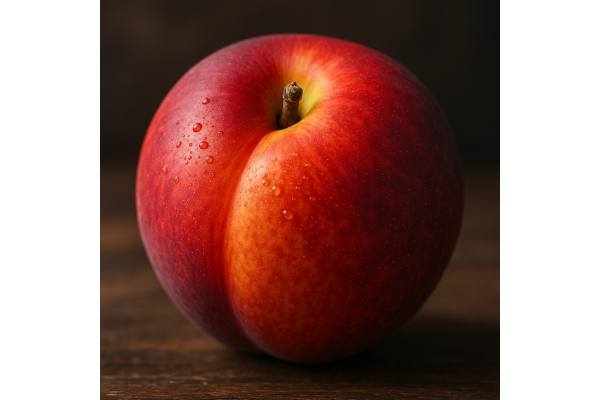
Juicy, fragrant, and easy to eat out of hand, nectarines bring bright flavor with very few calories. This smooth-skinned relative of the peach offers vitamin C, small amounts of provitamin A carotenoids, potassium for blood-pressure balance, and helpful polyphenols. In the kitchen, nectarines shine raw in fruit bowls and salads, but they also hold their shape in heat—ideal for grilling, roasting, and quick jams. Because nectarines are naturally sweet yet modest in sugar per 100 g, they fit everyday eating patterns from Mediterranean to flexitarian. You will also find them in smoothies, salsas, chutneys, and light desserts. Botanically, nectarines are the same species as peaches (the difference is a natural smooth-skin mutation), so most buying, storage, and allergy considerations overlap. Below, you will find a concise nutrition snapshot, then a practical guide to benefits, risks, selection and sustainability, prep techniques that preserve nutrients, and portion tips so you can enjoy nectarines with confidence.
Essential Insights
- One medium nectarine (~140 g) supplies ~60 kcal, ~2 g fiber, and vitamin C for everyday immune and skin support.
- Potassium (~200 mg per 100 g) helps balance sodium and supports healthy blood pressure when part of a fruit-rich diet.
- Safety note: avoid eating kernels (pits) and be cautious with peach/nectarine allergy; cook or peel if needed.
- Typical serving: 1 medium fruit (120–150 g), enjoy 1–2 servings daily within your fruit allotment.
- People with lipid transfer protein (LTP) allergy, oral allergy syndrome, or sensitive IBS (sorbitol) may need to limit.
Table of Contents
- Nectarine: Detailed Overview
- Nectarine Nutrition Profile
- Evidence-Based Health Benefits of Nectarine
- Nectarine Risks, Allergies and Interactions
- Selecting Quality Nectarines, Sustainability and Storage
- Preparing Nectarines: Cooking and Nutrient Retention
- Nectarine Portions, Comparisons and FAQs
Nectarine: Detailed Overview
Nectarines (Prunus persica var. nucipersica) are stone fruits in the rose family, valued for their smooth skin, aromatic flesh, and balanced sweet-tart flavor. They originated in Asia alongside peaches and later spread through the Mediterranean and the Americas. Today, you will find yellow- and white-fleshed varieties, clingstone and freestone types (how firmly the flesh clings to the pit), and a spectrum of textures from crisp to meltingly soft as ripeness advances.
A ripe nectarine is mostly water—around 88%—with modest natural sugars and a small but meaningful contribution of fiber. Compared with many snacks, a 100 g portion offers about 44 kcal, about 1.7 g fiber, and roughly 200 mg of potassium. While nectarines are not high in any single vitamin, they deliver a mix of vitamin C, vitamin E, small amounts of provitamin A carotenoids (including beta-carotene and beta-cryptoxanthin), and assorted polyphenols. This “little of everything” profile makes them versatile: easy to slot into breakfasts, pack in lunches, or pair with proteins at dinner without pushing calories too high.
Culinarily, nectarines behave like peaches but with a slightly firmer bite and brighter acidity, which helps them hold structure on the grill, in galettes, and in quick sautés. The smooth skin saves prep time—you can eat them unpeeled after a rinse—though peeling can help those with specific allergies or texture preferences. Their natural pectin sets well in compotes and spoonable “no-pectin” jams. In savory cooking, nectarines bring contrast to salty cheeses (feta, halloumi), bitter greens (arugula, radicchio), and charred meats or tofu, where their acidity helps cut richness.
From a practical standpoint, nectarines are a seasonal win: peak flavor and lowest prices arrive in late spring through summer in the Northern Hemisphere, with southern imports extending availability. Choose fruit that feels heavy for its size with a sweet fragrance and no green tint at the stem (a sign of under-ripeness). Store at room temperature until aromatic and yielding slightly to a gentle press, then refrigerate to slow further ripening for a few days. Handle with care—thin skins bruise readily, which accelerates softening and flavor loss.
Finally, note the safety basics common to stone fruits. Never eat the kernel (pit) due to natural cyanogenic compounds; discard it intact. For allergy-prone individuals, especially those who react to peaches or certain pollens, consider peeling, cooking, or choosing varieties you tolerate, and consult an allergist for personalized guidance. With these straightforward habits, nectarines can add color, hydration, and variety to your daily eating pattern.
Nectarine Nutrition Profile
Below is an at-a-glance profile for raw nectarines, standardized per 100 g, with % Daily Value (%DV) based on U.S. labeling standards for adults. Values are rounded to sensible precision.
Macros and Electrolytes (per 100 g)
| Nutrient | Amount | %DV |
|---|---|---|
| Energy | 44 kcal | — |
| Water | 88 g | — |
| Carbohydrate | 10.6 g | 3.8% |
| Dietary Fiber | 1.7 g | 6.0% |
| Total Sugars | 7.9 g | — |
| Protein | 1.0 g | 2.1% |
| Total Fat | 0.32 g | 0.4% |
| Sodium | 0 mg | 0% |
| Potassium | 200 mg | 4.3% |
Carbohydrates and Glycemic Metrics
| Item | Amount | Note |
|---|---|---|
| Total carbohydrate | 10.6 g | Includes ~7.9 g natural sugars |
| Starch | ~0.1 g | Very low starch when ripe |
| Fiber | 1.7 g | Mostly insoluble with some soluble pectins |
| Glycemic Index | Low to moderate | Typical range for stone fruits ~35–55; varies with ripeness and variety |
| Estimated Glycemic Load | ~5 per 100 g | Low GL supporting stable post-meal response |
Vitamins (per 100 g)
| Nutrient | Amount | %DV |
|---|---|---|
| Vitamin C | 5.4 mg | 6.0% |
| Vitamin A (RAE) | 17 µg | 1.9% |
| Vitamin E (alpha-tocopherol) | 0.77 mg | 5.1% |
| Vitamin K | 2.2 µg | 1.8% |
| Thiamin (B1) | 0.05 mg | 4% |
| Riboflavin (B2) | 0.04 mg | 3% |
| Niacin (B3) | 1.12 mg | 7.0% |
| Pantothenic acid (B5) | 0.18–0.26 mg* | ~4–5% |
| Vitamin B6 | 0.03–0.04 mg* | ~2% |
| Folate (DFE) | 5–7 µg* | ~2% |
| Choline | 6.2 mg | 1.1% |
*Range reflects natural variation across cultivars and ripeness.
Minerals (per 100 g)
| Mineral | Amount | %DV |
|---|---|---|
| Potassium | 200 mg | 4.3% |
| Magnesium | 9.0 mg | 2.1% |
| Phosphorus | 26 mg | 2.1% |
| Calcium | 6 mg | 0.5% |
| Iron | 0.28 mg | 1.6% |
| Zinc | ~0.17–0.24 mg* | ~2% |
| Copper | ~0.08–0.12 mg* | ~9–13% |
| Manganese | ~0.06–0.08 mg* | ~3–4% |
Fats and Fatty Acids (per 100 g)
| Type | Amount |
|---|---|
| Saturated fat | 0.028 g |
| Monounsaturated fat (incl. oleic) | 0.088 g (oleic ~0.086 g) |
| Polyunsaturated fat (incl. linoleic) | 0.113 g (omega-6 ~0.111 g) |
| Omega-3 (ALA and others) | ~0.002 g |
Bioactives and Phytonutrients (per 100 g)
| Compound | Approx. Amount | Note |
|---|---|---|
| Beta-carotene | ~150 µg | Provitamin A carotenoid |
| Beta-cryptoxanthin | ~98 µg | Provitamin A carotenoid (lower conversion) |
| Lutein + zeaxanthin | ~130 µg | Eye-health carotenoids |
| Polyphenols | Variable | Includes chlorogenic acids, anthocyanins (more in skin), flavonols |
Allergens and Intolerance Markers
- Potential triggers: lipid transfer proteins (LTPs) and profilins common to peach/nectarine; sorbitol (a polyol) may provoke GI symptoms in sensitive individuals.
Additives and Fortification
- Fresh nectarines are unfortified. Canned or dried products can contain added sugars or syrups—check labels.
Glycemic and Acid–Base Metrics
- Glycemic load per typical 100 g serving is low.
- Potential renal acid load (PRAL) is alkaline-forming (approximately −3 per 100 g), reflecting high organic acids and potassium.
Evidence-Based Health Benefits of Nectarine
Supports heart-smart patterns. Nectarines fit the dietary patterns consistently linked to better cardiovascular outcomes. Their nutrient makeup—low sodium, modest natural sugars, potassium, and fiber—aligns with blood-pressure-friendly eating. When you routinely swap ultra-processed snacks for fruit, cohort and meta-analytic data show lower risk of cardiovascular mortality. Nectarines help you reach the “about five servings a day” mark often cited as a practical target, and their portability makes daily adherence easier.
Everyday antioxidant and skin support. The combination of vitamin C and carotenoids contributes to antioxidant capacity and collagen maintenance. A single medium fruit supplies a noticeable fraction of daily vitamin C, and the skin concentrates colorful phytonutrients (anthocyanins in red-blushed varieties; carotenoids throughout). While nectarines are not a high-vitamin-A food, the provitamin A they do provide accumulates alongside other sources—think dark greens and orange vegetables—supporting epithelial integrity and normal vision over time.
Digestive comfort and microbiome diversity. With ~1.7 g fiber per 100 g (about 2.4 g per medium fruit), nectarines add bulk and water to the diet. Their pectin and other soluble fibers gently slow gastric emptying, while insoluble fractions add stool form. Combined with hydration, this can help maintain regularity. For those building fiber gradually, nectarines are a comfortable starting point due to their softer textures when ripe.
Weight-conscious satisfaction. Calorie density matters for satiety. At ~44 kcal per 100 g and a large proportion of water, nectarines deliver volume for minimal energy. Pair sliced nectarines with protein (Greek yogurt, cottage cheese, tofu) and a healthy fat (nuts, seeds) to create a snack or light meal with staying power. Compared with pastries or candy, a similar-calorie portion of nectarine provides more micronutrients and fiber with fewer added sugars.
Blood-sugar steadying in mixed meals. The natural sugars in nectarines come packaged with fiber and a low glycemic load per typical portion. Eaten with proteins and fats, the overall meal glycemic response is generally modest. Ripeness influences glycemic index across many fruits; choosing fruit that is ripe but not over-soft and pairing it well supports steadier post-meal glucose in most people.
Exercise recovery and hydration. Summer sports and heat increase fluid needs. Nectarines contribute both water and electrolytes (notably potassium), making them a refreshing add-on to water or milk-based smoothies after workouts. Their organic acids (malic, citric) also perk up flavor without adding sodium.
Culinary versatility encourages fruit adherence. Behaviorally, foods you enjoy in multiple forms become habits. Nectarines excel raw, grilled, roasted, blitzed, or pickled. That variety cuts monotony and raises the odds you will meet your daily fruit target across seasons—core to the risk reductions observed in large population studies.
Practical tip: Keep nectarines within reach—washed in a visible bowl on the counter while they finish ripening, then a few at a time in the fridge. When nutrient-dense options are the default, your “healthy choice” becomes the easy choice.
Nectarine Risks, Allergies and Interactions
Allergy considerations. Nectarines share major allergens with peaches. The most clinically relevant is Pru p 3, a lipid transfer protein (LTP) associated with reactions that can range from oral tingling to systemic symptoms, particularly in regions where LTP sensitization is common. People sensitized to related LTPs in other plant foods or pollens may experience cross-reactivity. Another mechanism—pollen-food allergy syndrome (oral allergy syndrome)—can cause mouth and throat itchiness in individuals sensitized to certain pollens; symptoms are usually mild and more likely with raw fruit. Strategies that may reduce reactions include peeling the fruit (most allergens concentrate in or near the skin), choosing cooked preparations (brief cooking can denature some—but not all—proteins), and seeking evaluation with component-resolved diagnostics if you have a history suggestive of LTP sensitization or more than mouth-only symptoms.
Do not consume kernels (pits). Nectarine pits, like other stone fruit kernels, naturally contain cyanogenic glycosides (for example, amygdalin) that can release hydrogen cyanide when chewed or crushed. Swallowing small fragments accidentally is unlikely to be harmful, but deliberate consumption of kernels is unsafe and should be avoided, especially in children. Keep pits out of reach, and never pulverize or brew them.
Digestive tolerance and FODMAPs. Nectarines contain sorbitol, a natural sugar alcohol. In sensitive individuals—particularly those with irritable bowel syndrome—excess sorbitol can cause gas, bloating, or loose stools. Tolerance varies. If you are sensitive, start with a smaller portion (e.g., half a fruit), pair with protein and fat, and assess your personal response. Very ripe fruit tends to be sweeter and sometimes less well tolerated in large amounts.
Glycemic management. For most people, a medium nectarine fits easily into blood-sugar-friendly eating. If you manage diabetes, consider your meal’s full carbohydrate count and combine fruit with protein, fat, or fiber-rich foods. Overripe fruit can taste sweeter; weighing portions or using the per-100 g values in the nutrition table supports consistent tracking.
Medication and condition cautions.
- Latex-fruit syndrome: Cross-reactivity with certain plant proteins may overlap with latex sensitivity; if you have severe latex allergy, discuss stone fruits with your allergist.
- Potassium management: Nectarines are not high in potassium, but if you have advanced kidney disease with strict potassium limits, tally fruit potassium within your individualized plan.
- Infants and choking: Slices should be soft, thin, and skin-free for early eaters; pits are a choking hazard.
- Food safety: Wash fruit under running water before cutting. Once cut, refrigerate and eat within 2–3 days. Discard fruit that smells fermented, has mold, or is heavily bruised and oozing.
Bottom line: Most healthy adults can enjoy nectarines daily. If you have a known stone-fruit allergy, suspected LTP sensitization, or IBS triggered by sorbitol, personalize your approach with a clinician or dietitian.
Selecting Quality Nectarines, Sustainability and Storage
How to pick ripe, flavorful fruit.
- Color and aroma: Look for a full, rich background color (golden-yellow for yellow-fleshed varieties; creamy for white-fleshed) with a fruity fragrance at the stem end. Avoid a green cast near the stem—that fruit was picked too early.
- Feel: Choose fruit that feels heavy for its size and yields slightly to a gentle press at the shoulder (opposite the stem). Rock-hard fruit will ripen at home; badly bruised fruit deteriorates quickly.
- Skin: Smooth, taut skin with even blush is ideal. Minor freckling is cosmetic only. Deep cuts or shriveled skin indicate moisture loss.
Ripening and short-term storage. Place firm nectarines in a single layer at room temperature, away from direct sun, for 1–3 days. To speed ripening, tuck them into a breathable paper bag with a ripe banana or apple. Check daily; when the fruit becomes aromatic and yields slightly, move it to the refrigerator to slow further ripening. Eat within 3–5 days for best texture.
Longer storage and preservation.
- Refrigeration: Keeps ripe fruit fresh a bit longer, but prolonged cold dulls aroma. Bring to room temperature before serving to restore flavor.
- Freezing: Slice, pit, and (optionally) peel. Toss gently with lemon juice. Freeze on a parchment-lined tray until firm, then store in airtight containers up to 8–10 months. Best for smoothies, compotes, and baking.
- Canning and drying: If canning, choose water or light syrup and follow safe canning procedures. Drying concentrates sugars and reduces vitamin C; keep portions modest.
Minimizing waste and maximizing value.
- Plan ripeness: Buy a mix of firm and ready-to-eat fruit to stagger peak days.
- Salvage strategies: Slightly bruised nectarines are perfect for compotes, quick jams, and baking.
- Edible peels: The peel contains a notable share of polyphenols; if tolerated, leave it on after washing.
Sustainability pointers.
- Seasonal and local: In season, local fruit reduces transport emissions and often tastes better.
- Packaging: Choose loose fruit or recyclable packaging when possible.
- Water footprint: Stone fruits are moderate in water needs; reducing waste (buy what you will use, freeze surplus) is the biggest consumer-level lever.
Food safety checklist. Wash hands, cutting boards, and knives before and after handling. Rinse fruit under running water, rubbing gently; no soap is needed. Refrigerate cut fruit promptly. Discard any fruit with moldy spots that penetrate the flesh.
Take-home: A bit of attention—choosing well, ripening correctly, and storing smart—pays off with better flavor, fewer losses, and more consistent nutrient retention through the week.
Preparing Nectarines: Cooking and Nutrient Retention
Prep basics. Rinse nectarines under cool running water and pat dry. If you prefer peeled fruit (for texture or allergy reasons), blanch for 10–20 seconds, then slip off the skin, or use a sharp paring knife. To halve, run a knife along the natural seam, twist to separate, and remove the pit. For clingstone varieties that resist twisting, slice off cheeks around the pit.
Cooking methods and what they do to nutrients.
- Raw: Best for vitamin C retention and crisp textures. Pair with protein for steadier glycemia and longer fullness.
- Grilling/broiling (2–4 minutes): Intensifies sweetness via caramelization and moisture loss, concentrating sugars but not increasing total sugar. Vitamin C decreases modestly; carotenoids and polyphenols can become more bioavailable as cell walls soften. Brush lightly with oil to reduce sticking; add herbs (thyme, basil) to lift aroma.
- Roasting (200–220°C, 10–15 minutes): Similar to grilling; excellent for batch prep. Use parchment to prevent sticking.
- Sautéing (3–5 minutes): Quick heat in a small amount of oil preserves texture and color; add a splash of lemon to slow browning.
- Poaching (light syrup or spiced water): Gentle heat maintains shape; vitamin C and water-soluble B vitamins may leach into the liquid—reclaim them by reducing the poaching liquid into a sauce.
- Microwaving (1–2 minutes): Efficient and preserves many nutrients due to short time; stop when just tender.
Techniques that preserve quality.
- Cut right before serving. Slice just before eating to reduce vitamin C and aroma losses.
- Acidulate. Toss slices with lemon or lime to slow enzymatic browning.
- Use the peel. If tolerated, keep the peel to retain more polyphenols and fiber.
- Pair smart. Combine with vitamin E–rich nuts or seeds and a protein (yogurt, ricotta, tofu) to create a nutrient-dense plate.
Easy, nutrient-forward ideas.
- Breakfast bowl: Greek yogurt, sliced nectarine, toasted pumpkin seeds, and a drizzle of honey; add oats or muesli for extra fiber.
- Savory salad: Arugula, grilled nectarines, halloumi or feta, cucumber, and a lemon-olive oil vinaigrette.
- Sheet-pan dessert: Roast nectarines with cinnamon and a handful of almonds; serve with skyr.
- Salsa: Dice nectarines with red onion, jalapeño, lime, and cilantro for tacos or grilled fish.
- No-cook compote: Macerate slices with lemon juice and minimal sugar; the fruit’s own pectin lightly thickens the juices.
For baby-led weaning (after other solids are established): Offer very ripe, thin slices or mashed nectarine; remove skin if needed. Supervise closely and avoid hard, underripe fruit.
For low-FODMAP experimentation: Trial small portions (e.g., 40–60 g) with meals, note tolerance, and adjust. Cooking rarely changes sorbitol content meaningfully, but combining with protein and fats may blunt GI symptoms for some.
Bottom line: Gentle handling, quick cutting, brief cooking, and strategic pairings let you enjoy nectarines in many forms while keeping nutrients and flavor intact.
Nectarine Portions, Comparisons and FAQs
Real-world portions.
- 1 medium nectarine (≈140 g): ~60–65 kcal, ~15 g carbs, ~2–2.5 g fiber, ~280 mg potassium.
- 100 g (about ¾ of a small fruit): ~44 kcal, ~10.6 g carbs, ~1.7 g fiber, ~200 mg potassium.
- 1 cup sliced (≈140–150 g): nutrition similar to a medium fruit.
A practical day might include one whole nectarine with breakfast and another serving later as part of a snack or dessert. If you count carbohydrates, use the per-100 g table above and weigh fruit occasionally to calibrate your eye.
How do nectarines compare to peaches and plums?
- Peaches vs. nectarines: Nearly identical nutrition because they are the same species; differences are sensory (skin texture, acidity, aroma). Choose whichever you digest and enjoy more.
- Plums: Often slightly lower in vitamin C but may contain different polyphenols (e.g., more anthocyanins in dark plums). Rotating among stone fruits broadens your phytonutrient intake.
Fresh, frozen, canned, or dried—what is best?
- Fresh: Top pick for vitamin C and texture when in season.
- Frozen: Harvest-ripe fruit frozen quickly can rival fresh for most nutrients and wins for convenience and waste reduction.
- Canned: Look for fruit packed in water or unsweetened juice; heavy syrups add sugars without added benefit.
- Dried: Useful for compact energy for hiking but concentrates sugars; keep portions small (e.g., 20–30 g).
Can people with diabetes eat nectarines? Yes—portion and pairing matter most. Combine with protein/fat (nuts, yogurt, cheese, tofu) and include the carbs in your meal plan. Monitor your personal response.
Is the peel nutritious? Yes. The peel contains a notable share of polyphenols and fiber. If you tolerate it, keep the peel after washing. If you experience oral itching due to allergy, peeling and/or cooking may help.
Are white-fleshed nectarines “better” than yellow? Nutritionally they are similar. White-fleshed types taste sweeter at equal sugar because they are lower in acid. Yellow-fleshed types bring more tang and sometimes slightly higher carotenoids. Pick what helps you eat fruit more often.
Any reason to avoid nectarines? Avoid pits (do not crush or consume). People with confirmed peach/nectarine LTP allergy should follow their allergist’s plan. Those with sorbitol sensitivity or IBS may need smaller portions. Individuals on potassium-restricted diets should count their total daily potassium.
Budget tips. Buy in season for the best price-to-flavor ratio. Choose “imperfect” fruit for cooking. Freeze surplus slices at peak ripeness to enjoy off-season.
Sensible frequency. For most adults, 1–2 nectarines daily can fit well within a balanced diet, especially when they replace lower-nutrient snacks.
References
- Nutrition Facts for Nectarines 2024.
- International tables of glycemic index and glycemic load values 2021: a systematic review 2021 (Systematic Review).
- Fruit and Vegetable Intake and Mortality: Results from Two Prospective Cohort Studies 2021.
- Pru p 3-specific IgE affinity is crucial in severe peach-allergy patients 2024.
- Acute health risks related to the presence of cyanogenic glycosides in raw apricot kernels and products derived from raw apricot kernels 2016 (Risk Assessment).
Disclaimer
This guide is for general education and is not a substitute for personalized medical advice, diagnosis, or treatment. Nutrition needs and food tolerances vary widely, especially for people with allergies, IBS, diabetes, kidney disease, or other medical conditions. Consult a qualified health professional or registered dietitian for guidance tailored to your health status and medications.
If you found this article helpful, please consider sharing it with friends or colleagues on Facebook, X (formerly Twitter), or any platform you prefer. Your support helps us continue creating practical, evidence-based resources.