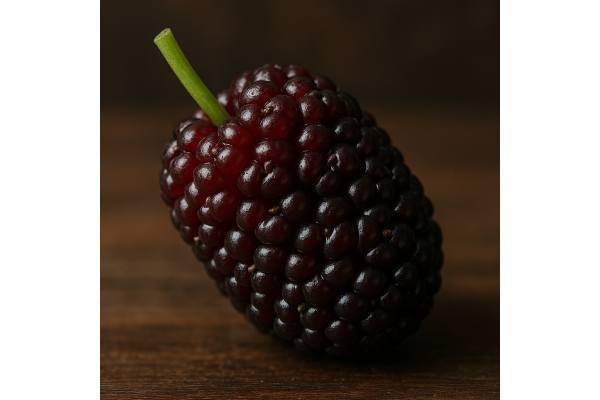
Mulberries are the soft, wine-colored berries that stain your fingers and reward you with a perfumed, sweet-tart burst. Grown on deciduous trees across temperate and subtropical regions, they come in several species—most notably white mulberry (Morus alba), red mulberry (M. rubra), and black mulberry (M. nigra). Fresh mulberries are naturally low in calories and rich in vitamin C, iron, and plant pigments called anthocyanins that contribute to their deep color. Beyond snacking, they shine in compotes, yogurt bowls, salads, and quick jams, or can be dried for an easy, shelf-stable trail mix addition. Leaves from white mulberry are also used in teas and standardized extracts that can blunt sharp rises in blood sugar after carb-heavy meals. If you have pollen allergies or take blood sugar–lowering medications, there are a few precautions to know. This guide gathers what matters most—nutrition facts per 100 grams, practical health benefits with realistic expectations, sourcing and storage tips, preparation notes to protect nutrients and color, and clear answers to common questions about portions and safety.
Fast Facts
- Mulberries provide vitamin C (≈40% DV per 100 g) plus iron, potassium, and anthocyanins that support antioxidant defenses.
- White mulberry leaf preparations can reduce post-meal glucose spikes; effects apply to tea/extracts, not whole berries alone.
- Typical serving: 1 cup fresh mulberries (≈140 g), enjoyed 3–5 days per week as part of a varied fruit intake.
- People with birch or olive pollen allergy, or those on diabetes drugs, should use mulberry leaf extracts cautiously and speak with a clinician.
Table of Contents
- Mulberry overview and types
- Mulberry nutrition profile
- Evidence-based mulberry benefits
- Risks, allergies and interactions
- Selecting sustainable mulberries and storage
- Preparation, cooking and nutrient retention
- Portions, comparisons and FAQs
Mulberry overview and types
Mulberries are aggregate fruits made of tightly packed drupes, similar to blackberries but with their own perfume and delicate texture. The trees are vigorous and long-lived; some specimens have produced fruit for centuries. Three species dominate markets and home gardens:
- Black mulberry (Morus nigra): The most intensely flavored, with inky purple-black fruit and high anthocyanin content. It tends to be the most perishable and is prized for fresh eating, syrups, and preserves.
- Red mulberry (M. rubra): Native to North America, bearing deep red to nearly black fruit with a robust, slightly musky flavor.
- White mulberry (M. alba): Originally from Asia; fruit can be white, pink, purple, or black. The berries are often milder and honey-sweet; the leaves feed silkworms and are commonly used for tea or standardized extracts.
Mulberries ripen across late spring to midsummer depending on climate and cultivar. Because they’re thin-skinned and very juicy, they don’t travel as well as firmer berries; farm stands, pick-your-own orchards, and backyard trees are common sources. When ripe, mulberries detach easily with a gentle tug and often drop when the tree is shaken, which is why many home growers harvest on a clean tarp.
Flavor and culinary uses. Fresh mulberries are balanced by lively acidity (especially M. nigra). Use them where you’d use blackberries or raspberries: fold into yogurt and ricotta, scatter over salads with goat cheese and toasted nuts, bake in clafoutis and crumbles, or simmer with a little sugar and lemon into a quick, glossy compote. Their vivid pigments bleed into doughs and batters, producing dramatic swirls in muffins or semifreddo.
Leaves and functional uses. White mulberry leaf (and some fruit extracts) contains 1-deoxynojirimycin (DNJ), an alpha-glucosidase inhibitor that slows carbohydrate breakdown in the small intestine. In teas and standardized extracts, this can temper post-meal sugar spikes when paired with carb-rich foods. This effect is not a license to skip medical care or change medications without advice; rather, it’s a supportive dietary tool under guidance.
Sustainability notes. Mulberry trees are resilient, drought-tolerant once established, and often require fewer sprays than delicate cane berries. In some regions, white mulberry can naturalize aggressively; check local guidance before planting and prefer non-invasive selections.
What this guide covers. You’ll find the per-100-gram nutrition profile with % Daily Values (DVs), evidence-based benefits with realistic effect sizes, clear safety considerations (allergies, interactions), plus buying, storing, and cooking strategies that preserve color and vitamin C.
Mulberry nutrition profile
Below are values for raw mulberries per 100 g, with %DV based on adult reference intakes. Because cultivars vary, treat small deviations as normal. Dried mulberries concentrate sugars and calories; see the Comparisons section for details.
Macros and electrolytes (per 100 g)
| Nutrient | Amount | %DV |
|---|---|---|
| Energy | 43 kcal | — |
| Water | 88.3 g | — |
| Carbohydrate | 9.8 g | — |
| Dietary fiber | 1.7 g | 6% |
| Total sugars | 8.1 g | — |
| Protein | 1.4 g | 3% |
| Total fat | 0.39 g | 1% |
| Saturated fat | 0.03 g | 0% |
| Sodium | 10 mg | 0% |
| Potassium | 194 mg | 4% |
Carbohydrates detail
| Component | Amount | Notes |
|---|---|---|
| Sugars (mainly fructose, glucose) | 8.1 g | Naturally occurring; no added sugar in fresh fruit |
| Starch | ~0 g | Minimal |
| Fiber (soluble + insoluble) | 1.7 g | Supports digestive health and satiety |
Vitamins (per 100 g)
| Vitamin | Amount | %DV |
|---|---|---|
| Vitamin C (ascorbic acid) | 36.4 mg | 40% |
| Vitamin K (phylloquinone) | 7.8 µg | 7% |
| Vitamin E (alpha-tocopherol) | 0.9 mg | 6% |
| Riboflavin (B2) | 0.10 mg | 8% |
| Vitamin B6 | 0.05 mg | 3% |
| Thiamin (B1) | 0.03 mg | 3% |
| Niacin (B3) | 0.62 mg | 4% |
| Folate (DFE) | 6 µg | 2% |
| Vitamin A (RAE) | ~2–3 µg RAE | <1% |
Minerals (per 100 g)
| Mineral | Amount | %DV |
|---|---|---|
| Iron | 1.9 mg | 11% |
| Calcium | 39 mg | 3% |
| Magnesium | 18 mg | 4% |
| Phosphorus | 38 mg | 3% |
| Zinc | 0.12 mg | 1% |
| Copper | 0.06 mg | 7% |
| Selenium | 0.6 µg | 1% |
Bioactives / phytonutrients
| Compound class | Presence | Notes |
|---|---|---|
| Anthocyanins (e.g., cyanidin-3-glucoside, cyanidin-3-rutinoside) | High in black and red mulberries | Color and antioxidant capacity; sensitive to heat and pH |
| Flavonols (quercetin, rutin, kaempferol glycosides) | Present | Support vascular and antioxidant defenses |
| Phenolic acids (chlorogenic, gallic) | Present | Contribute to overall polyphenol content |
| Stilbenes (resveratrol) | Trace–low | Variable; not a major source |
| DNJ (1-deoxynojirimycin) | Mainly in leaves; minor/variable in unripe fruit | Alpha-glucosidase inhibition; functional extracts standardize DNJ content |
Allergens & intolerance markers
- Mulberry fruit and pollen can cross-react with birch and olive pollens due to shared proteins (PR-10, LTPs). See Risks section for who should be cautious.
- Fresh berries contain minimal FODMAPs per serving; larger amounts or dried fruit may cause GI symptoms in sensitive individuals.
Glycemic & acid–base
- Glycemic load (GL) is low per 100 g due to modest available carbohydrate and fiber.
- Mulberries are not a meaningful source of acid load in typical diets.
Footnote on fortification/additives: Fresh mulberries are unfortified. Dried mulberries may be sweetened or sulfur-treated—check labels if avoiding added sugar or sulfites.
Evidence-based mulberry benefits
1) Supports antioxidant defenses
Black and red mulberries are rich in anthocyanins—the pigments that give them their deep color. These compounds help quench reactive oxygen species in cell and animal models and may help stabilize cell membranes under stress. In small human trials using berry-rich diets (various fruits), anthocyanin intake is associated with improvements in markers like oxidized LDL and flow-mediated dilation. While mulberries aren’t the only source, regularly including them builds overall polyphenol diversity. Practical tip: pair fresh mulberries with vitamin C–preserving treatments (see Cooking section) and avoid prolonged high-heat cooking to retain anthocyanins.
2) A modest iron contribution—especially useful in plant-forward diets
At about 1.9 mg iron per 100 g (~11% DV), mulberries provide more iron than most other common berries. That’s not enough to correct deficiency, but it’s meaningful when layered with legumes, seeds, and leafy greens. Vitamin C in mulberries may enhance the nonheme iron you eat in the same meal by reducing it to a more absorbable form. For example, topping iron-rich oatmeal or chia pudding with mulberries is a simple absorption-friendly pairing.
3) Vitamin C for immune and connective tissue support
A 100 g portion delivers ≈36 mg vitamin C (40% DV), supporting collagen synthesis, bone health, and immune function. Because mulberries have delicate skins, they’re best rinsed briefly right before eating to avoid vitamin C loss from prolonged moisture exposure.
4) Post-meal glucose moderation (from leaves and certain extracts)
White mulberry leaf contains DNJ, which partially blocks enzymes that break down starches and sucrose. Randomized, placebo-controlled human trials show that mulberry leaf extract or mulberry-based beverages can reduce postprandial (post-meal) glucose and insulin excursions when taken with a carb-rich load. In practical terms, using a standardized mulberry leaf tea or extract immediately before a high-carbohydrate meal can flatten a sharp sugar rise. This benefit applies to leaf tea/extracts, not to eating handfuls of berries by themselves. If you use glucose-lowering medications, consult your clinician to avoid additive effects.
5) Gentle calorie density with satisfying volume
At ~43 kcal per 100 g and a satiating water content, mulberries fit the pattern of high-volume, lower-calorie fruit choices that support weight maintenance when they displace refined sweets. They also offer ~1.7 g fiber per 100 g, contributing to fullness and digestive regularity.
6) Potential neuroprotective activity (preclinical)
Black mulberry extracts demonstrate antioxidant and neuroprotective effects in cell and model-organism studies, including reduced oxidative stress and improved resistance to beta-amyloid–induced toxicity. These are early-stage findings and do not imply disease treatment or prevention in humans. Still, they reinforce the value of polyphenol diversity in a fruit-rich dietary pattern.
Set expectations. Mulberries are healthful, flavorful berries. Their best-supported clinical effect relates to post-meal glucose moderation from leaf preparations. The fruit itself contributes vitamins, minerals, and polyphenols as part of a balanced eating pattern—not as a standalone therapy.
Risks, allergies and interactions
Allergy and cross-reactivity. Mulberry fruit and pollen share proteins with birch (Bet v 1–like) and olive pollens and with lipid transfer proteins (LTPs) found in several fruits. People sensitized to these may experience oral allergy syndrome (itching or tingling of the mouth/lips), hives, or—in rare cases—systemic reactions after eating mulberries or inhaling pollen. Heating can reduce reactivity for some proteins but not all. If you’ve had pollen-related oral allergy to apples, peaches, or hazelnuts, try a small cooked portion first or consult an allergist before introducing raw mulberries.
Medication interactions.
- Diabetes medications: White mulberry leaf tea or extracts can lower post-meal glucose. Combined with glucose-lowering drugs (e.g., metformin, sulfonylureas, insulin), there’s a plausible risk of additive hypoglycemia. Monitor closely and coordinate with your clinician.
- Blood pressure medications: Some users report mild reductions in blood pressure with mulberry leaf products; if you take antihypertensives, monitor for dizziness or excessive lowering.
- Anticoagulants: Mulberries contain modest vitamin K (~7–8 µg/100 g). This is unlikely to meaningfully affect warfarin dosing for most people but consistency in intake is still wise.
Population cautions.
- Pregnancy and lactation: Culinary amounts of fruit are considered typical. For leaf extracts or concentrated products, safety data are limited; avoid high-dose supplements unless advised by your clinician.
- Children: Fresh fruit is fine in age-appropriate forms (watch for choking hazards). Avoid unripe fruit, which can cause GI upset.
- Kidney stone formers: Oxalate content in mulberries is moderate; if you’ve been instructed to limit oxalates, keep portions moderate and pair with dairy or calcium-rich foods to bind oxalate in the gut.
Food safety. Mulberries are fragile and mold quickly. Refrigerate promptly, avoid soaking, and discard any fruit that is mushy, fermented-smelling, or visibly moldy. Dried mulberries may contain added sugar or sulfites; read labels if you’re limiting either.
Environmental and local concerns. In some regions, male white mulberry trees shed significant pollen that can aggravate seasonal allergies. If you’re landscaping and sensitive to pollen, ask for female trees or fruiting cultivars that minimize pollen exposure.
Bottom line: culinary mulberries are very safe for most people. Leaf-based products can be beneficial but deserve the same respect as other glucose-lowering agents—coordinate their use with a healthcare professional, especially if you’re on related medications.
Selecting sustainable mulberries and storage
Buying and seasonality. Fresh mulberries are at their best from late spring through midsummer. Because they bruise easily, you’ll most often find them at farm markets, specialty grocers, or directly from growers. Choose plump berries with saturated color (deep purple-black for M. nigra, ruby to black for M. rubra, golden to near-black for M. alba types) and a fragrant aroma. Avoid containers with juice pooling at the bottom, which signals crushing and rapid spoilage.
Sustainability and where they grow. Mulberry trees are resilient, tolerate a range of soils, and support pollinators when allowed to flower. They typically require fewer pesticide inputs than delicate cane berries. If planting, check local guidance: white mulberry can naturalize in some areas. Opt for locally adapted cultivars from reputable nurseries.
Storage.
- Refrigerator (short-term): Keep unwashed berries in a shallow container lined with paper towel, loosely covered, at 0–4°C. Expect 1–3 days before quality declines.
- Freezer (long-term): Spread in a single layer on a parchment-lined sheet, freeze solid, then transfer to an airtight bag. Use within 6–8 months for best flavor and color.
- Counter (same-day only): If perfectly ripe and you plan to eat them within hours, room temperature is fine; otherwise, refrigerate.
- Dried mulberries: Store in an airtight jar in a cool, dark cupboard. If the room is warm or humid, refrigerate to prevent rancidity.
Reduce waste and preserve quality.
- Sort gently on arrival; remove any broken or moldy fruit to protect the rest.
- Do not wash until just before eating. Prolonged moisture accelerates mold and vitamin C loss.
- For imperfect fruit, make a quick compote: simmer with a squeeze of lemon and a little sugar until glossy and spoonable; refrigerate up to 5 days or freeze in small containers.
Flavor pairings. Mulberries are excellent with lemon, orange zest, ginger, fresh mint, basil, vanilla, honey, toasted almonds, pistachios, goat cheese, ricotta, yogurt, and dark chocolate. Their acidity cuts rich meats in savory sauces (think pan reduction with mulberries, balsamic, and shallot).
Label literacy (dried products). Choose unsweetened, unsulfured dried mulberries if you prefer products without added sugar or sulfites. If sweetened, count the added sugars into your daily budget.
Preparation, cooking and nutrient retention
1) Cleaning and prepping. Rinse briefly under cool running water just before use, then drain thoroughly on a towel. Mulberries often retain small stems; they are edible but can be pinched off for a more delicate texture if serving fresh.
2) Keep vitamin C and color. Vitamin C is water-soluble and heat-sensitive, and anthocyanins fade with prolonged heat or alkaline conditions. To preserve nutrients and color:
- Use quick, gentle heat (brief sauté or fast simmer) when making sauces.
- Add a splash of lemon to help stabilize pigments and brighten flavor.
- Minimize exposure to air by cooking in small batches and cooling promptly.
- For baking, fold berries in last to limit smearing and pigment breakdown.
3) Everyday ways to use mulberries.
- Fresh: Scatter over Greek yogurt with toasted pistachios; fold into cottage cheese with lemon zest; spoon onto oatmeal or overnight oats for iron-plus-vitamin C synergy.
- Savory: Reduce a handful with balsamic and a pinch of pepper for a pan sauce over chicken or mushrooms.
- Frozen: Blend into smoothies; freeze into ice pops with plain yogurt and honey.
- Preserved: Quick jam: 4 cups mulberries + ¾ cup sugar + juice of 1 lemon; simmer 10–12 minutes to 220°F (if using a thermometer) until thick and glossy.
4) Leaf tea or standardized extracts. If you choose to try white mulberry leaf for post-meal glucose moderation:
- Use standardized products that disclose DNJ content when possible.
- Take with or just before carbohydrate-rich meals.
- Track blood glucose if you monitor—and coordinate with your clinician, especially if you take glucose-lowering medications.
5) Retaining texture. Mulberries are softer than blackberries. To keep pieces intact in baked goods:
- Chill berries and batter before folding.
- Use wider strokes with a spatula.
- Choose muffins, quick breads, clafoutis, or cheesecakes over long-bake pies.
6) Food safety and handling.
- Never consume mulberries that smell fermented or are visibly moldy.
- If foraging, identify species confidently and harvest far from roadsides or contaminated soils.
- Wash hands and tools promptly; mulberry pigments can stain wood and fabrics.
Portions, comparisons and FAQs
Portion guidance. A typical serving is 1 cup fresh mulberries (~140 g). As part of varied fruit intake, most adults can enjoy 3–5 fruit servings daily from mixed sources; mulberries can account for several of those servings across the week. For dried mulberries, use a small handful (≈30 g) because drying concentrates sugar and calories.
Calorie and sugar comparison (per 100 g, fresh)
- Mulberries: ~43 kcal; sugars ~8 g; fiber ~1.7 g
- Blueberries: ~57 kcal; sugars ~10 g; fiber ~2.4 g
- Raspberries: ~52 kcal; sugars ~4.4 g; fiber ~6.5 g
- Blackberries: ~43 kcal; sugars ~4.9 g; fiber ~5.3 g
Mulberries sit at the lower-calorie end with moderate sugars and modest fiber compared with raspberries and blackberries.
Fresh vs dried mulberries. Drying removes water, concentrating nutrients and sugars. A 30 g dried portion can contain ~18–20 g sugar. Dried fruit is convenient for trail mixes and baking, but watch portions if you’re managing carbohydrate intake.
Who benefits most?
- People seeking to diversify fruit intake with a berry that offers vitamin C and iron together.
- Individuals exploring post-meal glucose strategies under clinical guidance—using leaf tea or standardized extracts, not just the fruit.
- Home cooks who value peak-season flavor and colorful, quick preparations.
FAQs
Are mulberries low FODMAP? A small fresh serving (½ cup, ~70 g) is generally well tolerated. Larger amounts or dried mulberries may bother those sensitive to fructose. Adjust to your comfort.
Can I eat the stems? Yes, the green stems are edible but fibrous. For fresh presentations, pinch them off after rinsing if texture bothers you.
Do mulberries stain? They can—especially black and red types. Wear an apron for big batches and rinse cutting boards promptly.
Is mulberry leaf tea the same as eating mulberries? No. The glucose-modulating effects are consistent in leaf preparations (tea, standardized extract) taken with carbs. The fruit offers vitamins, minerals, and polyphenols but does not reliably blunt post-meal glucose on its own.
How many mulberries can I eat daily? One to two cups of fresh fruit fits easily for most adults within a balanced diet. If you use leaf extracts, follow labeled doses and your clinician’s guidance.
References
- Nutrition Facts for Mulberries 2024
- Mulberry leaf extract improves glycaemic response and insulaemic response to sucrose in healthy subjects: results of a randomized, double blind, placebo-controlled study 2021 (RCT)
- Evaluation of the Postprandial-Hyperglycemia-Suppressing Effects and Safety of Short-Term Intake of Mulberry Leaf and Water Chestnut Tea: A Randomized Double-Blind Placebo-Controlled Crossover Trial 2025 (RCT)
- Black Mulberries (Morus nigra L.) Modulate Oxidative Stress and Beta-Amyloid-Induced Toxicity, Becoming a Potential Neuroprotective Functional Food 2024
- Allergic reactions to genus Morus plants: a review 2020
Disclaimer
This information is educational and general in nature. It is not a substitute for personalized medical advice, diagnosis, or treatment. Always consult your healthcare professional before changing your diet, using mulberry leaf teas or extracts, or adjusting any medication. If you have food allergies, diabetes, are pregnant or breastfeeding, or manage chronic conditions, seek individualized guidance.
If you found this helpful, consider sharing it with a friend or on your favorite platform—Facebook, X (formerly Twitter), or elsewhere. Your support helps us keep creating high-quality, evidence-based guides.