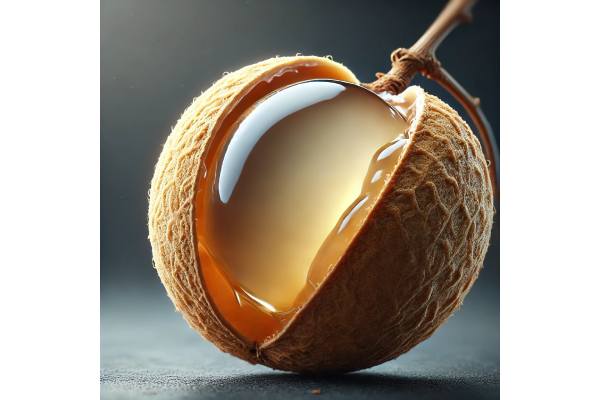
Longan (Dimocarpus longan) looks like a small lychee with a smooth tan shell and translucent, juicy flesh. Often called “dragon’s eye,” it’s prized across Southeast and East Asia for its floral sweetness and gentle musk. Fresh longan offers hydration and a notable hit of vitamin C, while dried longan appears in teas, desserts, and traditional tonics. In savory kitchens, longan adds bright contrast to grilled meats, rice dishes, salads, and spicy soups. In sweets, it shines in fruit salads, coconut milk puddings, sorbets, and simple syrup preserves. Beyond flavor, longan supplies potassium, copper, and a spectrum of plant compounds concentrated in the peel and seed (used mainly in extracts). This guide distills what matters: how longan fits a balanced diet, what a 100-gram portion delivers nutritionally, credible evidence on potential health benefits, sensible cautions for allergies and sulfites in dried products, and practical advice for buying, storing, and cooking to preserve nutrients and flavor.
Quick Overview
- Per 100 g, longan provides about 60 kcal, ~15 g carbohydrate, and ~84 mg vitamin C.
- Rich in vitamin C and copper; supports collagen formation and antioxidant defense.
- Typical serving: 100 g (about 30–35 fruits), enjoyed a few times per week within total fruit intake.
- People with sulfite sensitivity should avoid certain dried longan; rare fruit allergy is reported.
- Those with diabetes should count sugars (≈14 g per 100 g) into their carbohydrate plan.
Table of Contents
- Longan: detailed overview
- Longan nutrition profile (per 100 g)
- Longan health benefits (evidence-based)
- Longan risks, allergies and interactions
- Selecting longan, quality, sustainability and storage
- Preparation, cooking and nutrient retention
- Longan portions, comparisons and FAQs
Longan: detailed overview
Longan is an evergreen tree fruit in the soapberry family (Sapindaceae), closely related to lychee and rambutan. Each fruit holds a glossy dark seed wrapped in translucent aril (the edible flesh) covered by a thin, leathery shell that peels easily when fresh. The flavor is sweet and perfumed—less overtly floral than lychee—with a clean finish that pairs well with citrus, ginger, mint, coconut, and chili.
Culinary uses vary by form:
- Fresh: eaten out of hand; added to fruit salads, salsas, and cold noodle bowls; skewered with shrimp or grilled pork for a sweet-salty contrast.
- Canned: packed in syrup or juice; convenient for desserts, smoothies, and cocktails when fresh fruit is out of season.
- Dried: concentrated sweetness for teas, broths, congee, and baked goods; store well and are shelf-stable.
Nutritionally, longan is a hydrating, lower-calorie fruit with meaningful vitamin C and small amounts of copper and potassium. The aril contains most of the edible nutrients; the peel and seed are richer in polyphenols (often studied in extracts rather than culinary amounts). A standard 100-gram serving—about a handful—supplies around 60 calories and ~15 grams of carbohydrate, with minimal fat and modest fiber.
Availability peaks in warm months from tropical producers. Fresh longan should feel heavy for its size, with taut shells and springy flesh; overly soft shells or fermented aromas signal over-ripeness. Keep the seed out of reach of young children due to choking risk, and do not consume the seed itself.
Whether you enjoy longan fresh, canned, or dried, it fits easily into an overall fruit intake of 1½–2 cups per day for most adults, and it complements both savory and sweet dishes without dominating them.
Longan nutrition profile (per 100 g)
Snapshot (raw, edible portion)
Approximate values per 100 g. Daily Values (DV) reflect standard adult targets and help contextualize amounts.
Macros & Electrolytes
| Nutrient | Amount per 100 g | %DV |
|---|---|---|
| Energy | 60 kcal | — |
| Water | ~83 g | — |
| Carbohydrate | 15.1 g | 6% |
| Dietary fiber | 1.1–1.3 g | 4–5% |
| Total sugars | ~13.8 g | — |
| Protein | 1.3 g | 3% |
| Total fat | 0.1 g | 0% |
| Sodium | 0 mg | 0% |
| Potassium | ~266 mg | 6% |
Vitamins
| Vitamin | Amount per 100 g | %DV |
|---|---|---|
| Vitamin C (ascorbic acid) | ~84 mg | 93% |
| Thiamin (Vitamin B1) | ~0.03 mg | 3% |
| Riboflavin (Vitamin B2) | ~0.14 mg | 11% |
| Niacin (Vitamin B3) | ~0.3 mg | 2% |
Minerals
| Mineral | Amount per 100 g | %DV |
|---|---|---|
| Copper | ~0.17–0.19 mg | 19–21% |
| Iron | ~0.13 mg | 1% |
| Calcium | ~1 mg | 0% |
| Phosphorus | ~20–22 mg | 2% |
Carbohydrates
| Component | Amount per 100 g |
|---|---|
| Starch | ~0 g |
| Total sugars | ~13.8 g |
| Fiber | 1.1–1.3 g |
Fats & Fatty Acids
| Component | Amount per 100 g |
|---|---|
| Saturated fat | ~0.0 g |
| Monounsaturated fat | ~0.0 g |
| Polyunsaturated fat | ~0.0 g |
| Cholesterol | 0 mg |
Bioactives / Phytonutrients (qualitative)
- Phenolic compounds (notably in peel/seed): gallic acid, corilagin, ellagic-type tannins, and flavonoids; the edible aril contains lower concentrations.
- Carotenoids are minimal; vitamin C is the dominant antioxidant nutrient in the flesh.
Glycemic & Acid–Base Metrics
- Available carbohydrate ≈ 14 g per 100 g.
- Glycemic load (estimate): if GI is in the low-to-moderate range typical for many tropical fruits, GL per 100 g would be modest. Individual responses vary; pair with protein/fat for steadier glycemia.
Additives & Fortification
- Fresh longan is unfortified. Dried or canned products may include sulfites (dried) or added sugars (syrup-packed). Check labels.
Contaminants/Residues
- Occasional recalls of dried longan report undeclared sulfites. Choose reputable brands and read ingredient lists, especially if you have sulfite sensitivity.
Notes on variability: Nutrition varies by cultivar, ripeness, and processing. Values above reflect commonly cited datasets for raw longan.
Longan health benefits (evidence-based)
1) Strong vitamin C support for collagen and antioxidant defense
With roughly 84 mg vitamin C per 100 g, longan helps meet daily needs for a nutrient essential to collagen synthesis (skin, blood vessels, cartilage) and to recycling of other antioxidants. Vitamin C also enhances absorption of non-heme iron from plant foods when eaten in the same meal, a practical benefit if your diet relies on legumes or leafy greens.
2) Copper and potassium for everyday physiology
Longan contributes small but meaningful amounts of copper (about one-fifth of the Daily Value) and potassium (about 6% DV) per 100 g. Copper supports enzymes involved in energy production and connective-tissue integrity, and potassium helps maintain normal blood pressure and muscle function. While longan alone won’t transform mineral status, it plays a supportive role within a varied fruit rotation.
3) Polyphenol diversity (mostly outside the aril) and antioxidant potential
Laboratory and review articles describe phenolic-rich extracts from longan peel and seed with antioxidant and anti-tyrosinase activity, among other bioactivities. These findings primarily reflect extracts at concentrations higher than typical dietary intake from the aril. Still, they help explain traditional uses and encourage whole-fruit utilization (e.g., culinary syrups or teas from dried aril) as part of an antioxidant-aware diet. For everyday eaters, the practical takeaway is that longan contributes vitamin C–centered antioxidant capacity, with polyphenols providing additional, though modest, support in the edible flesh.
4) Hydration and gentle energy
The aril is ~83% water with ~15 g carbohydrate per 100 g, offering quick energy and hydration suitable for snacks, light desserts, or to round out protein-forward meals. Because fiber is modest (~1.1–1.3 g), pairing longan with yogurt, nuts, or chia seeds adds staying power.
5) Weight-conscious dessert swaps
At ~60 kcal per 100 g, longan can replace higher-calorie desserts without sacrificing sweetness. Serving it chilled with lime zest, mint, or shaved coconut provides sensory satisfaction with fewer calories and less added sugar than many packaged treats.
What the evidence does not show
Human trials directly linking longan fruit intake to disease risk reduction are limited. Most mechanistic data come from cell and animal studies of peel/seed extracts. Consider longan a pleasant, nutrient-rich fruit that fits within a pattern of varied fruits and vegetables rather than a standalone “functional” cure.
Longan risks, allergies and interactions
Allergy
Fruit allergy to longan is rare but documented in case reports (symptoms may include hives, oral itching, wheeze, or anaphylaxis). People with known allergies to related fruits (e.g., lychee, rambutan) should try a small amount first under safe conditions. If you’ve had severe reactions to tropical fruits, consult an allergist before adding longan.
Sulfites in dried longan
Some dried longan products use sulfites to preserve color and shelf life. Sulfites can provoke reactions (e.g., wheeze, hives) in sensitive individuals, particularly those with asthma. Read labels carefully; choose unsulfured options if you’re sensitive. Occasional recalls have cited undeclared sulfites in dried longan, underscoring the need to purchase from reputable suppliers and check ingredient statements.
Added sugars in canned longan
Canned longan packed in heavy or light syrup adds free sugars without extra fiber. If you prefer canned fruit, look for juice-packed versions, drain the liquid, and rinse gently to reduce sugar.
Blood sugar management
Per 100 g, longan contains ~14 g sugars and modest fiber. People with diabetes or prediabetes should count longan toward meal carbohydrate goals, pair it with protein/fat, and monitor personal responses.
Gastrointestinal tolerance
Eating large amounts of dried longan may cause GI discomfort due to concentrated sugars or fibers. Start with small portions and increase as tolerated.
Children and choking risk
The seed is hard and spherical. Peel the shell, remove the seed, and slice the aril for young children. Do not offer whole seeded fruits to toddlers.
Medication interactions
No well-documented drug interactions exist for culinary amounts of longan. If you use herbal formulas or concentrated extracts, discuss them with your clinician, especially alongside anticoagulants or diabetes medications.
Storage safety
Refrigerate fresh longan soon after purchase and keep cut fruit chilled. Discard any fruit with off-odors, fermentation, or mold.
Selecting longan, quality, sustainability and storage
How to choose good longan
- Look: shells should be smooth, taut, and evenly tan to light brown. Avoid cracked shells, dark wet spots, or visible mold.
- Feel: fruit should feel heavy for its size; light fruit may be dehydrated.
- Smell: a clean, mildly floral aroma is ideal; sour or alcoholic notes indicate fermentation.
- Taste test: if allowed at markets, the flesh should be firm, juicy, and sweet with no bitterness.
Sustainability pointers
- Seasonal buying reduces transport emissions and often improves flavor.
- Choose minimal-packaging options or reusable produce bags.
- If you use large quantities, consider whole-fruit utilization: arils for eating, and peels/seeds (not eaten directly) can be simmered to scent syrups or teas, then composted.
Storage
- Short term (fresh): refrigerate unwashed fruit in a breathable bag. Typical quality window is 3–7 days; some cultivars last longer when very fresh.
- Longer term: peel and seed, then freeze arils in a single layer; transfer to an airtight container for up to 6–8 months for smoothies or desserts.
- Dried: store in a cool, dark place in an airtight container. After opening, keep sealed and dry.
- Canned: shelf-stable unopened; once opened, transfer to a covered container and refrigerate, using within 3–5 days.
Quality troubleshooting
- Tough, dry flesh: fruit was picked too early or stored too warm. Use in simmered dishes or syrups.
- Sour/fermented notes: over-ripe; do not consume if signs of spoilage appear.
- Surface mold: discard affected fruit; inspect neighboring fruit and increase airflow.
Buying formats and when to use them
- Fresh for snacking, salads, and bright finishes.
- Dried for teas, porridges, braises, and baking (rehydrate first).
- Canned for consistent availability; best in chilled desserts and blended drinks.
Preparation, cooking and nutrient retention
Basic prep (fresh)
- Rinse briefly. 2) Crack the shell with a thumbnail or the back of a spoon. 3) Peel, then split and pop out the seed. 4) Serve whole arils or slice.
Keep more vitamin C
Vitamin C is heat- and oxygen-sensitive, so treat longan like other fresh fruits:
- Prep just before serving to reduce exposure to air.
- If heating, use short cooking times and minimal water (quick stir-fries or brief poaches).
- For compotes or teas, add longan near the end of simmering to preserve aroma and color.
- When canning, expect reduced vitamin C compared with fresh; prioritize fresh or frozen for nutrient retention.
Flavor pairings that also balance glycemia
- Protein: Greek yogurt, cottage cheese, tofu, grilled chicken or shrimp.
- Healthy fats: coconut, almonds, pistachios, sesame.
- Acid and herbs: lime, ginger, mint, basil—these intensify sweetness without added sugar.
Techniques and ideas
- Stir-fry finish: add halved longans during the last minute with chili and fish sauce for sweet-salty contrast.
- Chilled soup: blend longan with cucumber and coconut water; finish with lime and mint.
- Syrup poach: briefly simmer longan in lightly sweetened ginger syrup; chill and serve over shaved ice.
- Tea infusion (dried): steep rehydrated longan with jujube and ginger; strain and sweeten to taste.
Food safety
Keep cut fruit refrigerated; return leftovers to the fridge within 2 hours. Use clean knives and cutting boards to avoid cross-contamination with raw meats.
Longan portions, comparisons and FAQs
Reasonable portion
A practical serving is 100 g (roughly 30–35 fruits, depending on size). That fits easily into most meal plans and contributes ~60 kcal, ~15 g carbohydrate, and ~84 mg vitamin C.
How often can I eat longan?
Enjoy a few times per week within total fruit goals (often 1½–2 cups daily for adults). Rotate with fruits that bring more fiber (berries, pears) to round out nutrients.
Fresh vs dried vs canned
- Fresh: highest vitamin C, hydrating, minimal processing.
- Dried: concentrated sugars and flavor; great in teas and porridges but higher in calories per gram. Check for sulfites if sensitive.
- Canned: convenient; drain/rinse if packed in syrup to reduce added sugars.
How does longan compare to lychee?
- Flavor: longan is slightly less floral and more clean-sweet.
- Nutrition: both are vitamin C–rich; typical vitamin C is comparable, varying by cultivar and ripeness.
- Texture: longan flesh tends to be firmer; shells are smoother.
Can longan fit a diabetes-friendly diet?
Yes—within a carbohydrate plan. Start with 100 g, pair with protein/fat, and monitor your glucose response. Dried longan is more carbohydrate-dense; portion accordingly.
Is the seed edible?
No. The seed is not eaten and is a choking hazard. Discard after removing.
Any sports or recovery uses?
For light training, longan’s fast-acting carbs and vitamin C can complement post-workout snacks. Combine with protein (e.g., yogurt) for muscle repair.
Is longan low FODMAP?
Data are limited. As a general rule, moderate portions of fresh fruit are often tolerated, but those with IBS should personalize intake and track symptoms.
References
- Nutrition Facts for Longans (Dragon’s Eye) 2024 (Database)
- A review on the chemical composition, biological activity, and potential health benefits applications of Longan (Dimocarpus longan Lour.) 2025 (Systematic Review)
- FoodData Central Food Search 2025 (Database)
- HY Success Inc. Alert on Undeclared Sulfites in Fat Choy Kee Dried Longan 2024 (FDA Recall)
- Longan Growing in the Florida Home Landscape 2020 (Guideline)
Disclaimer
This guide is for general education and is not a substitute for personalized medical advice, diagnosis, or treatment. If you have a medical condition, take prescription medicines, are pregnant or breastfeeding, or have a history of food allergies, consult a qualified healthcare professional before making significant dietary changes or using herbal or concentrated fruit extracts. In case of suspected food allergy or severe reaction, seek emergency care.
If you found this helpful, please consider sharing it with friends or colleagues on Facebook, X (formerly Twitter), or your preferred platform. Your support helps us continue creating clear, evidence-based nutrition resources.