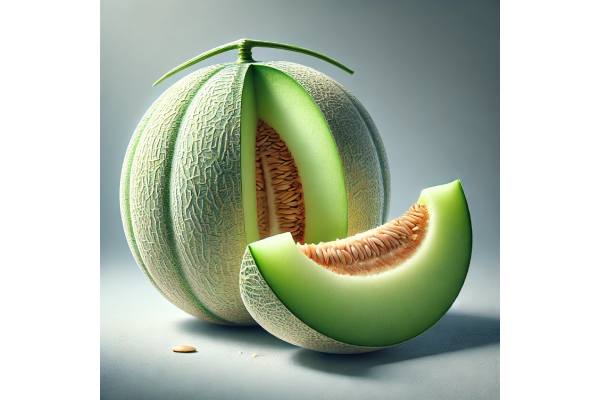
Honeydew melon brings a clean, floral sweetness and plenty of refreshment to warm-weather tables, yet its appeal goes far beyond taste. This pale-green melon (a cultivar of Cucumis melo) is about 90% water, naturally low in calories and fat, and provides meaningful vitamin C and potassium—two nutrients many people undershoot. In the kitchen, honeydew is versatile: slice it for snack plates, cube it for fruit salads and chilled soups, blitz it into smoothies or aqua fresca, or pair it with salty, savory, and spicy elements for contrast. Choosing a good one can feel tricky because honeydew lacks the obvious netting and aroma cues of cantaloupe, but a few tactile tests make it easier (you’ll find them below). This guide walks you through honeydew’s nutrients per 100 grams, evidence-backed health effects, allergy and medication caveats, buying and storage tips, prep methods that keep nutrients intact, and portion guidance for different eating patterns. Use it to decide when honeydew fits your goals and how to enjoy it at its peak.
Top Highlights
- About 90 g water and 18 mg vitamin C per 100 g; naturally low in calories (≈36 kcal).
- Potassium (~228 mg/100 g) supports healthy blood pressure when part of a balanced diet.
- Food safety: wash the rind before cutting; refrigerate cut melon within 2 hours and finish in 3–4 days.
- A practical serving is 1 cup (about 170 g), enjoyed several times weekly within overall fruit goals.
- People with chronic kidney disease or on potassium-raising medicines should moderate portions and get individualized advice.
Table of Contents
- Honeydew melon: detailed overview
- Honeydew melon nutrition profile (per 100 g)
- Evidence-based health benefits
- Risks, allergies and interactions
- Selecting, quality, sustainability and storage
- Preparation, cooking and nutrient retention
- Portions, comparisons and FAQs
Honeydew melon: detailed overview
Honeydew belongs to the Cucumis melo species (Inodorus group), the same broad family as cantaloupe and casaba. Unlike cantaloupe’s netted rind and musky aroma, honeydew wears a smooth, waxy skin that shifts from pale green to creamy ivory as it ripens. The flesh is tender and juicy with a clean, lightly floral sweetness. Because it is mostly water and naturally low in sodium and fat, honeydew is inherently refreshing—and an easy way to increase fluid intake during hot months or after exercise.
Where it shines in nutrition: a modest but useful amount of vitamin C (for collagen formation and antioxidant defense) and potassium (important for nerve conduction and fluid and blood pressure regulation). It also contributes small amounts of B-vitamins (notably vitamin B6 and folate) and minerals like magnesium. Compared with cantaloupe, honeydew generally offers less vitamin A but similar hydration and potassium support.
Culinarily, honeydew plays well with opposites. Its sweetness balances salty, rich, or spicy foods: prosciutto, feta, chèvre, chili, lime, mint, basil, and ginger are classic partners. Dice it into salsas for grilled fish or tofu; shave thin ribbons and marinate briefly with citrus and olive oil; or freeze chunks for no-sugar sorbet. In plant-forward menus, it delivers a dessert-like note without added sugars.
Peak honeydew is firm yet yields slightly at the blossom end, with a matte (not shiny) rind and a waxy feel. A uniform, subtle cream-tinged color suggests maturity; greenish, glossy skins are typically underripe. Honeydew does not broadcast aroma the way cantaloupe does, so rely on touch and appearance. After harvest, it continues to soften and develop flavor at room temperature; chilling slows that process and is best after cutting.
Because the rind can harbor dirt and microbes, wash and scrub the exterior under running water before the first cut. Use a clean cutting board and knife; once cut, refrigerate promptly in a covered container. Those simple steps maintain freshness and reduce foodborne illness risk (more in the safety section).
Finally, honeydew’s mild sweetness can help with dietary adherence. If you’re swapping sugar-heavy desserts, chilled honeydew with lime and a pinch of salt or a dusting of chili powder satisfies with far fewer calories and contributes fluids, vitamin C, and potassium rather than added sugars.
Honeydew melon nutrition profile (per 100 g)
The tables below show nutrient amounts per 100 g of raw honeydew melon with percent Daily Value (%DV) where applicable. Values are typical averages for raw honeydew; natural variability occurs by cultivar, season, and ripeness.
Macros and Electrolytes (per 100 g)
| Nutrient | Amount | %DV |
|---|---|---|
| Energy | 36 kcal | — |
| Water | ~90 g | — |
| Carbohydrate, total | 9.1 g | 3% |
| Dietary fiber | 0.8 g | 3% |
| Total sugars | 8.1 g | — |
| Protein | 0.5 g | 1% |
| Total fat | 0.1 g | 0% |
| Saturated fat | 0.04 g | 0% |
| Sodium | 18 mg | 1% |
| Potassium | 228 mg | 5% |
Vitamins (per 100 g)
| Vitamin | Amount | %DV |
|---|---|---|
| Vitamin C (ascorbic acid) | 18 mg | 20% |
| Vitamin B6 (pyridoxine) | 0.09 mg | 5% |
| Folate (DFE) | 19 µg | 5% |
| Vitamin K (phylloquinone) | 2.9 µg | 2% |
| Vitamin A (RAE) | 3 µg | 0% |
| Choline | 9.1 mg | 2% |
Minerals (per 100 g)
| Mineral | Amount | %DV |
|---|---|---|
| Magnesium | 10 mg | 2% |
| Calcium | 6 mg | 0% |
| Phosphorus | 11 mg | 1% |
| Iron | 0.17 mg | 1% |
| Zinc | 0.06 mg | 1% |
| Copper | 0.024 mg | 3% |
| Manganese | 0.012 mg | 1% |
| Selenium | 0.4 µg | 1% |
Glycemic and related metrics
| Metric | Value | Notes |
|---|---|---|
| Estimated Glycemic Index (GI) | ~56–66 (medium) | GI varies by ripeness, test method, and individual response. |
| Estimated Glycemic Load (GL), 100 g | ~5 | Using GI ≈ 62 and ~8–9 g available carbohydrate. |
| Typical serving GL (1 cup ≈ 170 g) | ~9–10 | Still considered low to moderate. |
Notes:
%DV values use current FDA Daily Values for adults. Energy and total sugars do not have %DV targets. Nutrient data reflect raw honeydew without salt or added ingredients. Minor bioactives (e.g., trace flavonoids) are present at very low levels compared with berries or citrus.
What these numbers mean in practice:
- Hydration: About 90 g of water per 100 g makes honeydew one of the most hydrating fruits.
- Immunity and collagen: 18 mg vitamin C per 100 g delivers roughly one-fifth of the Daily Value.
- Blood pressure support: Each 100 g contributes ~5% of the Daily Value for potassium with negligible sodium.
- Carbohydrates: Despite medium GI, the glycemic load of a practical portion remains low thanks to modest available carbs.
- Calories: At ~36 kcal/100 g, honeydew fits weight-conscious menus without sacrificing satisfaction.
Evidence-based health benefits
1) Hydration and fluid balance
Honeydew’s hallmark is water: roughly 90% by weight. That makes it a smart choice when your fluid needs rise—warm weather, exercise, fever, or dry environments. Potassium works with water and sodium to help maintain fluid balance inside and outside cells. In a mixed diet emphasizing fruits and vegetables, these properties support normal blood volume and thermoregulation. Practically, eating chilled honeydew alongside water provides both fluids and electrolytes with minimal sodium.
2) Blood pressure support through potassium
Adequate potassium intake helps counterbalance sodium’s effect on blood pressure. Meta-analyses of randomized trials show that increasing potassium intake can reduce systolic and diastolic pressure, especially in people with hypertension or higher sodium intakes. Honeydew contributes roughly 228 mg of potassium per 100 g with very little sodium, so regularly including it—along with other potassium-rich fruits, vegetables, and legumes—can be one element of a heart-healthy pattern. It’s not a stand-alone “treatment,” but it’s a helpful food swap for salty snacks or sweets.
3) Vitamin C for collagen and antioxidant defense
At ~18 mg vitamin C per 100 g, honeydew provides about one-fifth of the adult Daily Value. Vitamin C is a cofactor for enzymes that stabilize and cross-link collagen, which supports skin, blood vessels, and connective tissue. It also regenerates other antioxidants and supports normal immune function. Pairing honeydew with other vitamin C sources (kiwi, berries, citrus) and flavonoid-rich foods (mint, basil) layers benefits while keeping the plate light.
4) Weight-management friendly
Honeydew’s low energy density (≈36 kcal/100 g) and high water content promote volume with relatively few calories. Swapping it for concentrated sweets can reduce added sugars and overall calories. Serving ideas that maximize satiety: honeydew with Greek yogurt and toasted nuts; melon-cucumber salad with feta; or a spicy melon salsa to enliven lean proteins. These combinations add protein and fats that slow gastric emptying and stabilize post-meal glucose.
5) Exercise recovery and heat exposure
Rehydration is about more than fluids; potassium helps replace sweat losses, especially in hot conditions. For recreational athletes, a bowl of honeydew with a pinch of salt and a squeeze of lime can complement water or a low-sugar sports drink. While elite endurance events require tailored fueling, everyday training sessions benefit from simple, water-rich produce like honeydew.
6) Gentle on digestion (with a caveat)
A 100 g portion has ~0.8 g fiber, which is modest. That, along with high water content, means honeydew is generally well tolerated by many people during gastrointestinal “easy days” or when recovering appetite after illness. However, some individuals with irritable bowel symptoms find very large portions of ripe melon fermentable; if you notice bloating, shrink the portion and combine with protein/fat to slow transit.
7) Pregnancy-friendly portion
Honeydew contributes folate (≈19 µg DFE/100 g) and vitamin C, plus hydration—useful during pregnancy when fluid needs rise. Because pregnancy increases susceptibility to foodborne illness, the safety steps in the storage section (washing the rind, prompt refrigeration) are especially important.
How often to eat it?
A practical rhythm is 1 cup (≈170 g) per serving, several times weekly as part of getting 1.5–2.5 cups of fruit per day depending on energy needs. Variety matters—rotate with berries, citrus, stone fruit, and apples for a fuller nutrient spectrum.
Risks, allergies and interactions
Food safety—melons and refrigeration
Melons grow on the ground, and their rinds can carry soil and microbes. Because you cut through the rind into edible flesh, always wash and gently scrub the whole melon under running water before slicing. After cutting, refrigerate within 2 hours (within 1 hour if outdoors above 32°C/90°F) and consume within 3–4 days. Discard cut melon left out too long; harmful bacteria can multiply even if the flesh looks and smells fine. Store cut pieces in covered containers at ≤4°C (≤40°F).
Allergies and cross-reactivity
Some people experience oral allergy syndrome (pollen-food allergy syndrome) from raw melon—an itchy mouth or throat due to cross-reactive proteins, especially in those with grass or ragweed pollen allergy. Symptoms are usually mild and limited to the mouth; cooking the fruit (e.g., grilling) or choosing canned melon can reduce reactions. Anyone with systemic symptoms (hives, wheeze, vomiting, faintness) after eating melon should seek medical care and personalized guidance.
Medication and medical conditions
- Chronic kidney disease (CKD): Potassium clearance declines as kidney function falls. A food can be considered “high potassium” once a serving provides ~200 mg or more; 1 cup of honeydew (~170 g) often exceeds that threshold. People with CKD should individualize portions with a renal dietitian.
- Drugs that raise potassium: ACE inhibitors, ARBs, potassium-sparing diuretics (e.g., spironolactone, eplerenone), and some supplements can elevate serum potassium. If you take these, avoid very large portions of high-potassium foods in one sitting and ask your clinician what serving size is appropriate for you.
- Diabetes and glycemia: Honeydew has a medium GI but low glycemic load in common portions. Pair with protein/fat (e.g., yogurt, nuts) and lean toward 1 cup servings to blunt glucose excursions.
- Latex-fruit syndrome: Rarely, latex allergy coexists with reactions to certain fruits; melon is an occasional trigger. Discuss with an allergist if this applies to you.
Other considerations
- Foodborne outbreaks and recalls change over time. When there’s an advisory regarding melons, follow official guidance on discarding implicated lots.
- Infants under 1 year: Honeydew can be offered safely when developmentally ready for solids; cut into age-appropriate shapes and textures to reduce choking risk, and follow the same washing and refrigeration rules.
If you have kidney disease, are on potassium-affecting medications, or have a history of food allergies, personalized advice from your healthcare team is the safest route.
Selecting, quality, sustainability and storage
How to choose a ripe honeydew
- Color and finish: Look for a creamy, matte rind with a slightly waxy feel. Bright green or glossy skins signal underripe fruit.
- Weight: A ripe melon feels heavy for its size, a sign of high juice content.
- Give at the blossom end: Gentle pressure at the opposite end from the stem should produce a slight give—not hard and not squishy.
- Surface: Honeydew rinds are naturally smooth; avoid deep cuts, soft spots, or sunken areas. Minor “sugar spots” (tiny pale freckles) are fine.
- Aroma: Unlike cantaloupe, a strong perfume is not a reliable cue; trust the tactile tests above.
Storage timeline
- Whole, uncut: Ripen at room temperature (18–22°C / 64–72°F) for 1–3 days if underripe. Once ripe, refrigerate whole melons for up to 5–7 days to prolong quality.
- Cut melon: Cover and refrigerate at ≤4°C (≤40°F) and finish within 3–4 days.
- Freezing: For smoothies or sorbet, freeze bite-size cubes on a sheet, then store in a freezer bag for up to 3 months. Texture becomes soft on thawing—best for blended uses.
Safety steps every time
- Wash hands.
- Wash and gently scrub the whole rind under running water before the first cut.
- Use a clean cutting board and knife (separate from raw meats).
- Refrigerate cut pieces quickly; avoid letting trays of fruit sit out at room temperature during parties or picnics.
Minimizing waste and maximizing value
- If your melon is underripe, cube and macerate with citrus juice and a pinch of sugar or salt; the seasoning draws water and evens out flavor.
- Too ripe? Blend with lime and mint for ice pops, or puree into chilled soups.
- Compost rinds and seeds where facilities allow, or toast the seeds with spices for a crunchy garnish.
Sustainability pointers
- Buy in season to reduce transport energy and maximize quality.
- Choose locally grown melons when available; shorter supply chains often mean less spoilage and less refrigeration time.
- Avoid single-use plastic clamshells if you can safely purchase whole fruit; whole melons typically store well on their own.
Preparation, cooking and nutrient retention
Core prep skills
- Wash first, then cut. Trim the ends to create flat surfaces, stand the melon upright, and slice off the rind in vertical strips. Halve, scoop seeds, then cube or slice to your recipe’s needs.
- Uniform pieces help texture and presentation; 2–3 cm (¾–1¼-inch) cubes hold well in salads without turning mushy.
- Acid and salt are friends. A squeeze of lime or lemon and a pinch of salt heighten flavor without added sugar.
Techniques that protect nutrients
- Serve fresh and chilled. Vitamin C is heat-sensitive and degrades over time with exposure to heat and air. Keeping melon cold and minimizing cut-to-table time preserves more vitamin C.
- Cut just before serving. Smaller surface area and less time for air exposure help retain vitamin C and aroma.
- Pair wisely. Adding protein (yogurt, cottage cheese, tofu) or healthy fats (nuts, seeds) slows gastric emptying and can blunt post-meal glucose spikes from the melon’s natural sugars.
- Skip long cooking. Grilling or roasting makes delicious caramelized edges for appetizers, but expect some loss of vitamin C. Keep heat brief and use larger chunks to limit exposure.
Flavor pairings and formats
- Savory salads: Honeydew + cucumber + feta + mint + olive oil + lime.
- Salsa: Diced honeydew + jalapeño + red onion + cilantro + lime for fish, shrimp, or white beans.
- Smoothie base: Frozen honeydew + plain yogurt or kefir + ginger + a handful of spinach; add chia for fiber.
- Chilled soup: Puree honeydew with cucumber, basil, and a touch of yogurt; finish with cracked pepper and pistachios.
- Snack plate: Wedges with prosciutto or smoked tofu and a few olives for salty contrast.
Food safety in recipes
- For platters or buffets, portion in smaller bowls and rotate from the fridge instead of letting one large bowl warm for hours.
- In lunchboxes, pack with an ice pack to keep melon below 4°C (40°F) until mealtime.
- For infants and toddlers, cut into age-appropriate shapes (thin strips or very small cubes) and supervise closely.
Portions, comparisons and FAQs
Smart portions
- Per 100 g: ~36 kcal, 9.1 g carbs, 0.8 g fiber, ~228 mg potassium, ~18 mg vitamin C.
- 1 cup, diced (~170 g): ~60–65 kcal, ~15–16 g carbs, ~1–1.5 g fiber, ~380–400 mg potassium, ~30 mg vitamin C (values vary).
- Everyday cadence: Enjoy 1 cup at a sitting, several times per week, rotating with other fruits to reach your daily fruit target without crowding out variety.
Who should be more careful?
- People with chronic kidney disease or on ACE inhibitors/ARBs/potassium-sparing diuretics should individualize honeydew portions to manage potassium.
- Those with pollen-food allergy syndrome may react to raw melon; try cooked or canned forms, or choose alternative fruits.
Comparisons with other melons
- Cantaloupe: Usually higher in vitamin A (beta-carotene) and vitamin C; similar hydration and potassium. Choose cantaloupe when targeting vitamin A; pick honeydew for its milder flavor and clean sweetness.
- Watermelon: Slightly fewer calories per 100 g, very high water content, and contains lycopene (a red carotenoid). Honeydew provides more vitamin C per 100 g than many watermelons but far less lycopene.
- Casaba/Galia: Often similar hydration with varying aromas; nutrient profiles are broadly comparable, with specifics differing by cultivar.
Frequently asked questions
Is honeydew “low sugar”?
It contains natural sugars (~8 g per 100 g). It is not sugar-free, but its glycemic load is low in typical servings. Combine with protein/fat to smooth post-meal responses.
Is it good for weight loss?
Yes—as a low-energy-density food, it can replace calorie-dense desserts and snacks. Satiety improves when honeydew is paired with protein or fiber-rich sides.
Can I eat it on a low-carb or keto diet?
Strict keto plans usually limit fruit. If you include fruit, keep portions small (e.g., ½ cup) and account for ~7–8 g net carbs per 100 g.
What about FODMAPs?
Tolerances vary. Many people do fine with 1 cup portions. If you’re sensitive, start smaller (½ cup), eat it with a meal, and monitor symptoms.
Are the seeds edible?
Yes—rinse, dry, and roast with a light oil and spice for a crunchy garnish (note: they’re calorie-dense compared with the flesh).
How can I tell if it’s gone bad?
Discard if you notice slimy texture, sour or fermented smell, or surface mold. When in doubt with cut melon left at room temperature too long, err on the side of food safety.
Budget tip
Buy whole melons rather than pre-cut trays when feasible; whole fruit is often cheaper per kilogram and lasts longer. If you do buy pre-cut, choose packs nestled in ice or from well-refrigerated displays.
References
- Daily Value on the Nutrition and Supplement Facts Labels — 2024 (Guidance)
- International tables of glycemic index and glycemic load values 2021: a systematic review — 2021 (Systematic Review)
- Preventing Listeria Infection | Listeria Infection | CDC — 2025 (Guidance)
- Oral Allergy Syndrome Symptoms, Diagnosis & Treatment | AAAAI — 2024 (Guideline/Patient Education)
- Honeydew Melon | SNAP-Ed — 2025 (USDA Resource)
Disclaimer
This guide is informational and does not replace personalized medical advice. Nutrition needs and tolerances vary by health status, medications, allergies, and life stage. If you have chronic kidney disease, diabetes, food allergies, are pregnant, or take potassium-raising medications, seek individualized guidance from your healthcare professional or a registered dietitian before changing your diet.
If you found this article useful, please consider sharing it on Facebook, X (formerly Twitter), or your favorite platform to help others discover trustworthy nutrition guidance.