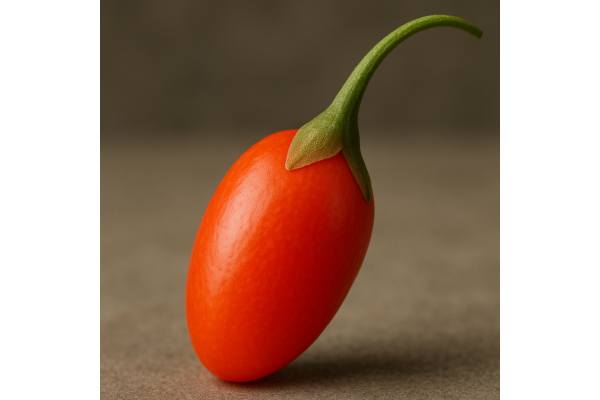
Goji berries—also called wolfberries—are small, bright red fruits from the Lycium shrub that have been enjoyed for centuries in parts of Asia and, more recently, as a pantry staple worldwide. Dried goji berries taste gently sweet with a hint of tang, and they slip into breakfasts, trail mixes, teas, soups, and smoothies with ease. Nutritionally, they deliver fiber, vitamin C, plant protein, and distinctive carotenoids (notably zeaxanthin) that support vision health. A growing body of research explores benefits for lipid balance, oxidative stress, and macular pigment—while emphasizing realistic expectations and appropriate portions. As with any concentrated dried fruit, sugar density and sourcing quality matter, and a few people may react to goji’s lipid transfer proteins or experience medication interactions. This guide translates the science into practical advice: how to choose good-quality berries, how to store and prepare them to protect nutrients, what a sensible serving looks like, and who should exercise caution. Use it to decide whether goji berries fit your diet—and how to enjoy them safely and deliciously.
Core Points
- One 30 g serving of dried goji provides fiber and vitamin C with modest protein for satiety.
- Zeaxanthin and related carotenoids in goji support macular pigment and eye health.
- Possible interaction with warfarin; people on anticoagulants should avoid concentrated goji products.
- Typical serving: 20–30 g dried goji, up to 1–2 times per day within your fruit allowance.
- Those with lipid transfer protein (LTP) food allergies or latex–fruit syndrome should limit or avoid.
Table of Contents
- Goji berry: detailed overview
- Goji berry nutrition profile (per 100 g)
- Evidence-based health benefits of goji
- Risks, allergies and drug interactions
- Choosing quality, sustainability and storage
- Preparation, cooking and nutrient retention
- Portions, comparisons and FAQs
Goji berry: detailed overview
Goji berries come from Lycium barbarum and Lycium chinense, hardy shrubs in the nightshade family. They are harvested ripe, then eaten fresh or, more commonly, dried. Dried goji has a raisin-like chew with notes of cranberry and tomato, which explains why it works in both sweet and savory cooking. You will find it stirred into porridge, baked into granola bars, simmered with chicken or pork in Chinese soups, or steeped as a ruby-hued tea.
From a nutrition standpoint, goji is unusual for a fruit: per 100 g dried, it provides substantial fiber, meaningful protein for a fruit, and vitamin C. It is also one of the richest edible sources of zeaxanthin, a carotenoid that concentrates in the eye’s macula. Researchers have studied goji in whole fruit, juice, and standardized extracts (especially Lycium barbarum polysaccharides, often abbreviated LBP). Human trials vary in size and quality, but a consistent theme is modest, supportive effects—especially for macular pigment and certain lipid markers—when goji is used alongside a healthy diet rather than as a standalone “cure.”
Goji’s popularity has a few implications. First, quality and authenticity matter. Sourcing affects pesticide residue risk and heavy metal contamination; reputable suppliers test lots and share origin details. Second, goji is a dried fruit—so portion awareness helps you capture benefits without overdoing sugar. Third, a small group should exercise caution: people with specific fruit or nightshade allergies, and anyone taking warfarin or similar anticoagulants.
Culinarily, goji is versatile. It can be eaten out of hand, rehydrated and folded into salads, simmered in broths (where it softens and sweetens the dish), blended into smoothies, or brewed as tea. Pairing goji with a little fat—from yogurt, nuts, or seeds—can help your body absorb its fat-soluble carotenoids. Gentle heat preserves texture and flavor while limiting vitamin C losses. Thoughtful storage (cool, dark, airtight) also protects color and nutrients over time.
Goji berry nutrition profile (per 100 g)
The values below reflect typical dried goji berries. Nutrient content varies by cultivar, growing region, and processing. Use these numbers to compare goji with other dried fruits and to plan portions within your daily goals.
Macros and Electrolytes (per 100 g dried)
| Nutrient | Amount | %DV* |
|---|---|---|
| Energy | 350 kcal | — |
| Carbohydrate | 77.1 g | 28% |
| Dietary Fiber | 12.9 g | 46% |
| Total Sugars | 45.7 g | — |
| Protein | 14.3 g | 29% |
| Total Fat | 0.4 g | 1% |
| Sodium | 298 mg | 13% |
*%DV based on U.S. Daily Values.
Carbohydrates (detail)
| Component | Amount | Notes |
|---|---|---|
| Total carbohydrate | 77.1 g | Primarily natural sugars plus fiber |
| Dietary fiber | 12.9 g | Mostly insoluble with some soluble fractions |
| Total sugars | 45.7 g | Naturally occurring; not added |
Vitamins (per 100 g dried)
| Vitamin | Amount | %DV |
|---|---|---|
| Vitamin C | 48.6 mg | 54% |
| Vitamin A (as carotenoids) | present | variable by batch† |
| Vitamin B complex | — | limited data in typical retail labeling |
Minerals (per 100 g dried)
| Mineral | Amount | %DV |
|---|---|---|
| Calcium | 190 mg | 15% |
| Iron | 6.8 mg | 38% |
| Sodium | 298 mg | 13% |
Bioactives / Phytonutrients
| Compound or Class | Typical Range or Note |
|---|---|
| Zeaxanthin (incl. zeaxanthin dipalmitate) | High among foods; levels vary widely across cultivars and drying methods |
| Phenolics (e.g., chlorogenic acid, rutin) | Present; contribute to antioxidant capacity |
| Lycium barbarum polysaccharides (LBP) | 5–8% of dried fruit by weight in many analyses; dose standardization varies across products |
Allergens & Intolerance Markers
- Contains non-specific lipid transfer proteins (nsLTPs), which can cross-react with certain fruit and pollen allergens in sensitive individuals.
- As a nightshade fruit, may trigger reactions in those with confirmed nightshade sensitivity.
Contaminants / Residues
- Risk is highly dependent on farming and post-harvest handling. Choose suppliers that provide residue testing and avoid unverified herbal teas or concentrates if you take interacting medications.
†Vitamin A is naturally present as provitamin carotenoids (not preformed retinol). Labels and databases may report IU or omit standardized RAE values due to variability.
Footnote on data sources: Values summarize typical dried goji listings in widely used nutrition databases. Individual brands will differ; check your package for exact numbers.
Evidence-based health benefits of goji
Eye health: macular pigment support. Goji berries provide zeaxanthin, the dominant carotenoid in the macular pigment that filters blue light and supports retinal function. Controlled trials have shown that regular goji intake can increase macular pigment optical density in healthy adults over several weeks. This effect is consistent with the carotenoid profile of goji and aligns with the known physiology of zeaxanthin deposition in ocular tissues. The most practical implication is preventive support, not treatment of eye disease: goji complements a diet rich in leafy greens and orange or yellow produce, adequate omega-3 intake, and consistent UV protection.
Lipid and metabolic markers. Meta-analyses of randomized trials suggest modest improvements in fasting triglycerides and HDL cholesterol with wolfberry consumption, especially when the fruit is eaten in whole form as part of an overall healthy pattern. These changes are small-to-moderate, not dramatic, and generally accumulate alongside other diet and lifestyle strategies. Short-term trials in otherwise healthy adults also report reductions in selected oxidative stress biomarkers after several weeks of daily goji intake.
Immune and antioxidant tone. Lycium barbarum polysaccharides (LBP) have been investigated for immunomodulatory properties. In human studies using whole fruit or standardized preparations, reported outcomes include improvements in subjective well-being and small shifts in immune or oxidative endpoints. While mechanisms are still being worked out, the combination of vitamin C, polyphenols, carotenoids, and polysaccharides likely contributes to the observed effects.
Energy and well-being. Several small clinical trials using goji-containing beverages or preparations have reported improvements in self-rated energy, calmness, and sleep quality. These findings, while encouraging, come from studies with short durations and variable blinding; they should be interpreted as supportive—not definitive—evidence that goji can be a helpful component of an overall nourishing routine.
What this means for you. Expect incremental benefits that make sense within the big picture: better macular pigment when intake is consistent; small lipid improvements alongside a healthy eating pattern; and potential antioxidant/immune support in the context of whole-diet changes. Choose whole dried berries or culinary uses over highly concentrated, unverified extracts unless you have product-specific evidence and clinician guidance.
Risks, allergies and drug interactions
Allergy and cross-reactivity. Goji berries contain lipid transfer proteins (nsLTPs), a class of stable plant proteins implicated in fruit and nut allergies throughout the Mediterranean and elsewhere. Case reports and clinical series document reactions ranging from oral allergy syndrome to anaphylaxis. Cross-reactivity has been observed with other LTP-rich foods (for example, peach and certain nightshades), and some patients with pollen sensitization may be at higher risk. If you have a diagnosed LTP allergy, latex–fruit syndrome, or a history of severe food reactions, avoid goji unless cleared by your allergist.
Medication interactions. The best-documented interaction is with warfarin. Case reports describe elevated INR and bleeding after consumption of concentrated goji infusions or herbal teas in people stabilized on warfarin. Because dried goji is often brewed or eaten in variable amounts, and because individual sensitivity differs, those taking warfarin or similar vitamin K–antagonist anticoagulants should avoid goji and goji-based teas, unless your prescribing clinician specifically approves and monitors. If you are on direct oral anticoagulants, antiplatelet agents, diabetes medications, or blood pressure drugs, discuss goji with your clinician as a precaution.
Contaminants and residues. As with many imported dried botanicals, residue risk depends on agricultural practices. Independent surveillance in the EU reports low overall non-compliance rates across foods, but variability exists by commodity and origin. Reduce risk by buying from suppliers who publish residue and heavy metal testing, choosing organically farmed products when available, and avoiding products with added dyes or unspecified “herbal blends.”
Gastrointestinal tolerance. Goji’s fiber can cause bloating or loose stools in larger portions, especially if you are not accustomed to high-fiber dried fruit. Introduce gradually and drink water. People following low-FODMAP protocols should trial cautiously because dried fruit sugar alcohols and fructose load can be problematic for some.
Pregnancy and lactation. Culinary amounts appear reasonable for most, but evidence for concentrated extracts is limited. If you are pregnant, trying to conceive, or breastfeeding, avoid high-dose goji preparations and stick to modest food portions after discussing with your healthcare provider.
Children and pets. For children, treat goji like other dried fruit: small portions, watch for choking in very young kids, and factor sugars into daily totals. For pets, avoid sharing; several plant foods safe for humans can be unsafe for animals, and veterinary guidance is best.
Choosing quality, sustainability and storage
How to identify good-quality goji:
- Color: Look for a uniform deep red to red-orange hue without dark, greasy, or gray patches. Excessively vivid color can reflect added dyes—consider that a red flag.
- Texture: Plump and slightly soft is ideal. Very brittle berries may be over-dried; sticky clumps may indicate poor storage.
- Aroma: Clean and mildly sweet, not musty.
- Label cues: Country or region of origin, harvest year, and lot number. Prefer brands that provide third-party testing for pesticide residues and heavy metals.
Organic vs conventional. Organic certification can reduce pesticide exposure risk, but it is not a guarantee of better nutrient content. Choose certified organic if feasible or prioritize producers who voluntarily publish lab results. For teas and concentrates, seek products with documented identity testing (botanical species confirmation) and contaminant screening.
Sustainability notes.
- Water and land use: Goji shrubs are relatively hardy. Sustainable farms employ drip irrigation and soil moisture monitoring to reduce water use.
- Packaging: Choose bulk bins with good turnover or sealed pouches with minimal plastic. Recycle where possible.
- Supply chain transparency: Brands that disclose farm partnerships and fair labor practices support resilient growers and higher product quality.
Storage to protect nutrients:
- Transfer berries to an airtight container upon opening.
- Store in a cool, dark cupboard away from heat and sunlight; prolonged light exposure fades carotenoids.
- For long-term storage (2–6 months), refrigerate in a sealed jar or freezer bag to slow oxidation and preserve color. Let berries come to room temperature before opening to avoid condensation.
Shelf life: Unopened, most dried goji keeps 12–18 months. After opening, aim to finish within 3–4 months for best flavor and carotenoid retention. Discard if you notice off-odors, visible mold, or insect activity.
Preparation, cooking and nutrient retention
Everyday ways to use goji:
- Out of hand: Enjoy 20–30 g as a snack, or mix with nuts and seeds for a more balanced macronutrient profile.
- Rehydrated: Soak 10–15 minutes in warm water to plump; drain and add to salads, yogurt bowls, or pilafs.
- In broths and stews: Simmer a tablespoon or two toward the end of cooking for gentle sweetness and color in chicken, mushroom, or root-vegetable soups.
- Tea: Steep 1–2 tablespoons in hot water for 5–10 minutes. Strain and sip; eat the softened berries to reduce waste.
- Baked goods: Fold a small handful into granola bars, muffins, or overnight oats.
Retention tips for key nutrients:
- Vitamin C: Sensitive to heat and oxygen. Add rehydrated berries near the end of cooking and keep simmering times short. Store dried berries airtight and avoid repeated exposure to warm, humid air.
- Zeaxanthin and other carotenoids: Fat-soluble. Pair goji with healthy fats—yogurt, kefir, nut butter, olive oil dressings—to enhance absorption. Carotenoids are relatively heat-stable compared with vitamin C; gentle simmering is acceptable.
- Polyphenols: Many are stable with brief heating; long or high-heat processes can reduce totals. Low-and-slow cooking or quick infusions help preserve them.
Flavor optimization:
- Balance sweetness: Combine goji with tart elements (citrus zest, vinegar) or savory umami (miso, mushrooms) to avoid monotone sweetness in cooked dishes.
- Texture: If berries seem tough, rinse and soak briefly before adding to recipes.
- Spice pairings: Ginger, star anise, cinnamon, and Sichuan pepper complement goji in both teas and braises.
Food safety at home:
- Rinse quickly under cool water before eating if your brand does not pre-wash berries, then dry thoroughly. This removes dust without encouraging mold.
- Avoid brewing highly concentrated “medicinal” goji teas if you take anticoagulants or have not discussed dosing with a clinician.
Simple, nutrient-savvy pairings:
- Greek yogurt + goji + pumpkin seeds (fat for carotenoid uptake, protein for satiety).
- Brown rice congee with goji, shiitake, and scallions (comforting, modest sugar load).
- Citrus and fennel salad with rehydrated goji and toasted almonds (vitamin C synergy and texture contrast).
Portions, comparisons and FAQs
What is a sensible serving?
For most adults, 20–30 g of dried goji (about 2–3 tablespoons) is a practical serving once or twice per day within your fruit allowance. This provides fiber and vitamin C without overshooting daily sugar goals. If you are tracking carbohydrate intake, consider goji’s sugars similar to raisins or dried cranberries.
How does goji compare with other berries?
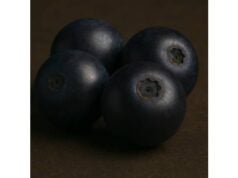
- Versus blueberries (fresh): Blueberries excel in anthocyanins; goji stands out for zeaxanthin and higher fiber per gram when dried.
- Versus raisins: Goji offers more protein and vitamin C with comparable sugars; both require portion control.
- Versus cranberries (sweetened dried): Many commercial cranberries are sugar-added; unsweetened goji avoids added sugars but still contains natural sugars typical of dried fruit.
Is goji “low-carb” or “keto”?
No. As a dried fruit, goji is carbohydrate-dense. Very small amounts can fit within some low-carb plans, but whole berries are not keto staples.
Can athletes use goji?
Yes, in small pre- or post-workout servings combined with protein and fluids. The natural sugars and potassium (when present) support glycogen top-ups; fiber content argues for modest amounts around intense sessions.
Can I drink goji tea instead of eating the fruit?
Tea provides flavor and some soluble compounds but delivers fewer fiber-bound phytonutrients than whole berries. If you brew tea, eat the soaked berries to capture more nutrients—and avoid concentrated preparations if you take anticoagulants.
Who should limit or avoid goji?
- People with confirmed LTP food allergies, latex–fruit syndrome, or severe nightshade reactions.
- Anyone taking warfarin or similar anticoagulants (avoid unless monitored by a clinician).
- Individuals who must limit potassium or oxalate should check product nutrition and discuss with their clinician, since values can vary and are not always listed.
How often can I eat goji?
As a dried fruit, treat it like raisins: a small serving once or twice daily fits many balanced patterns. Rotate with fresh, lower-sugar fruits to maintain overall variety.
Are powders or capsules better than whole berries?
Whole berries are usually the most transparent option: you see the food and can portion it easily. Extracts and powders vary in standardization; use only products with clear labeling, third-party testing, and clinician guidance, especially if you take medications.
References
- USDA FoodData Central 2025.
- Goji Berry Intake Increases Macular Pigment Optical Density in Healthy Adults: A Randomized Pilot Trial 2021 (RCT).
- Cardiovascular disease risk reduction with wolfberry consumption: a systematic review and meta-analysis of randomized controlled trials 2022 (Systematic Review).
- Bleeding due to a probable interaction between warfarin and Gouqizi (Lycium barbarum L.) 2017 (Case Report).
- The 2023 European Union report on pesticide residues in food 2025 (Official Report).
Disclaimer
This article is for general information only and does not substitute for personalized medical advice, diagnosis, or treatment. Always consult your healthcare professional before making significant dietary changes, using concentrated herbal products, or if you have medical conditions, allergies, or take prescription medications. If you experience any adverse reaction after consuming goji berries, stop use and seek medical guidance.
If you found this guide useful, please consider sharing it on Facebook, X, or your favorite platform to support our ongoing work in creating clear, evidence-informed nutrition resources. Thank you.