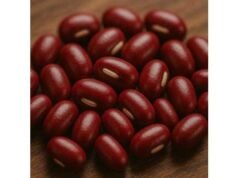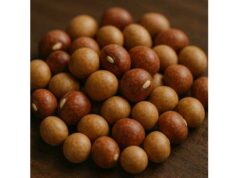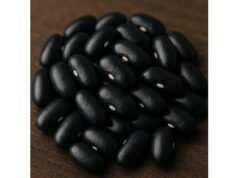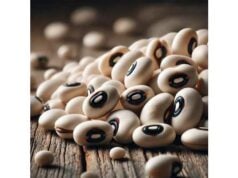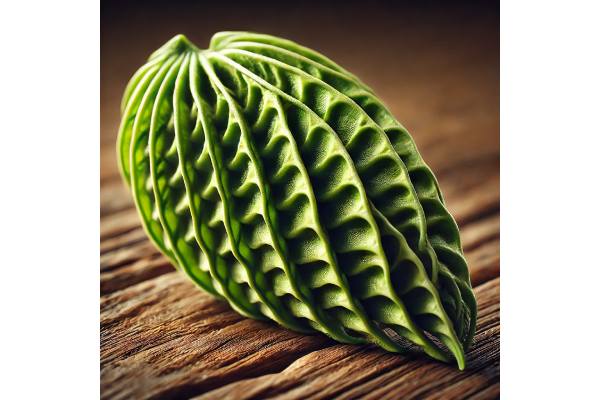
Winged bean (Psophocarpus tetragonolobus) is a tropical legume prized across Southeast Asia for its versatility—pods, seeds, leaves, flowers, and even tubers are edible. Home cooks love the crisp, four-winged pods for quick stir-fries and salads, while the nutty, protein-dense mature seeds can stand in for chickpeas or soy in soups, curries, and spreads. Farmers value winged bean because it fixes atmospheric nitrogen, thrives in humidity, and grows on trellises that make harvesting simple. Nutritionally, it offers a rare combination: the tender pods are light and vitamin-rich, and the mature seeds are calorically dense with notable protein, minerals, and healthy fats. That means you can use one plant for two very different roles—crisp vegetable and hearty protein—depending on what you pick and when. This guide covers what to buy, how to cook each edible part, the numbers behind its nutrition, safety notes (including allergy considerations), and practical ways to fit winged bean into weeknight meals without fuss.
Quick Overview
- Young pods are low-calorie vegetables; mature seeds provide concentrated protein, minerals, and healthy fats.
- Like other lupin relatives, winged bean can trigger allergy in a subset of peanut/lupin-allergic individuals.
- A typical serving is 1 cup cooked pods (100–120 g) or ¾ cup cooked seeds (120–150 g), several times per week.
- People with peanut or lupin allergy—or those on strict potassium/sodium limits—should review the safety section first.
Table of Contents
- Winged Bean: Detailed Overview
- Winged Bean Nutrition Profile
- Evidence-Based Health Benefits of Winged Bean
- Winged Bean Risks, Allergies and Interactions
- Selecting Winged Bean: Quality, Sustainability and Storage
- Preparation, Cooking and Nutrient Retention for Winged Bean
- Portions, Comparisons and FAQs on Winged Bean
Winged Bean: Detailed Overview
Winged bean is sometimes called goa bean, four-angled bean, or four-cornered bean for the frilly “wings” that run along each pod. The plant is a climbing perennial often grown as an annual in warm, humid climates. What sets winged bean apart is its whole-plant edibility:
- Pods are harvested young for a crunchy vegetable experience.
- Seeds are picked at full maturity and cooked like other dry legumes.
- Leaves can be wilted like spinach.
- Flowers are edible garnishes.
- Tubers—unusual among legumes—are starchy, mildly nutty, and protein-bearing.
Culinarily, you can treat the pods like sugar snap peas or yardlong beans: quick, high-heat cooking preserves snap and color. The mature seeds behave more like chickpeas or soybeans: soak, boil, and flavor deeply. That dual identity means winged bean functions as both a vegetable and a protein source from a single plant, a valuable trait for gardeners and cooks who want flexibility.
Agronomically, winged bean is a nitrogen-fixing legume with vigorous nodulation. In practice, intercropping or rotating it with grains can improve soil fertility and reduce synthetic nitrogen needs. The vine habit also makes vertical gardening efficient, producing large amounts of vegetable matter in small spaces. In tropical Asia, it shows resilience to heavy rain and heat when given sturdy trellising and regular picking, which keeps pods tender and encourages ongoing flowering.
For shoppers, fresh pods appear in season at Asian markets and tropical farmers’ stalls. Outside producing regions, you are more likely to find dried seeds, occasional jarred pods, or frozen slices. Each format has its role: pods for quick sides and stir-fries; seeds for hearty stews and spreads; frozen slices for meal-prep convenience.
Winged Bean Nutrition Profile
Reference form: Values below are per 100 g for commonly eaten parts. % Daily Value (%DV) uses U.S. adult DVs. Ranges reflect cultivar and data sources. When “with salt” is shown, rinsing can reduce sodium.
A. Young Pods (immature, cooked, drained)
| Nutrient | Amount (per 100 g) | %DV |
|---|---|---|
| Energy | 38–45 kcal | — |
| Protein | 5.0–5.5 g | 10–11% |
| Total fat | ~0.7 g | 1% |
| Carbohydrate | ~7–8 g | 3% |
| Dietary fiber | ~3–4 g | 11–14% |
| Total sugars | ~2 g | — |
| Sodium | ~5–20 mg | 0–1% |
| Potassium | ~180–250 mg | 4–5% |
| Vitamin C | ~10 mg | 11% |
| Vitamin A (RAE) | low–moderate | — |
| Iron | ~1 mg | 6% |
| Calcium | ~40–60 mg | 3–5% |
Notes: Pods are a low-calorie vegetable with modest protein for a green veg and useful vitamin C.
B. Mature Seeds (cooked, boiled)
| Nutrient | Amount (per 100 g) | %DV |
|---|---|---|
| Energy | ~147 kcal | — |
| Protein | ~10.6 g | 21% |
| Total fat | ~5.8 g | 7% |
| Saturated fat | ~0.8–1.4 g | 4–7% |
| Carbohydrate | ~14.9 g | 5% |
| Dietary fiber | data vary (≈5–8 g)* | 18–29% |
| Total sugars | trace | — |
| Sodium (no salt added) | ~5–10 mg | 0% |
| Sodium (with salt; unrinsed) | ~250–430 mg | 11–19% |
| Potassium | ~480 mg | 10% |
| Calcium | ~240 mg | 19% |
| Phosphorus | ~260 mg | 21% |
| Iron | ~7.4 mg | 41% |
| Zinc | ~2–3 mg | 18–27% |
| Copper | ~0.5 mg | 56% |
| Magnesium | ~80–110 mg | 19–26% |
*Fiber varies by source and processing; soaked/boiled values trend lower than raw database entries.
C. Leaves (raw, for context)
| Nutrient | Amount (per 100 g) | %DV |
|---|---|---|
| Energy | ~74 kcal | — |
| Protein | ~5.9 g | 12% |
| Carbohydrate | ~14 g | 5% |
| Total fat | ~1.1 g | 1% |
| Vitamin C | ~45 mg | 50% |
| Calcium | ~224 mg | 17% |
| Iron | ~4 mg | 22% |
Fatty acids (seeds, cooked): Predominantly unsaturated—roughly 1–2 g monounsaturated and 1–2 g polyunsaturated per 100 g, with modest saturated fat. No cholesterol.
Protein & amino acids (seeds): Winged bean seed protein contains all essential amino acids, with methionine relatively limiting. Pair with grains, sesame, or eggs for a complementary profile.
Bioactives: Seed coats and leaves contribute polyphenols; seeds contain phytosterols. Like other legumes, antinutrients (phytate, trypsin inhibitors) are reduced by soaking and cooking.
Allergens: Winged bean is a legume; proteins share features with lupin and may cross-react in peanut- or lupin-allergic individuals (see Safety).
Fortification & additives: Fresh and dried products are unfortified. Jarred pods or canned seeds may include salt; flavored snacks may add oil/sugars—check labels.
Evidence-Based Health Benefits of Winged Bean
A flexible path to higher-quality protein. Mature winged bean seeds supply roughly 10–11 g protein per 100 g cooked, with useful minerals (iron, calcium, phosphorus, zinc). For eaters trying to shift away from processed meats, replacing part of a meal’s animal protein with winged bean seeds maintains satiety while improving fiber intake and reducing saturated fat.
Support for iron and calcium intake. Unusually for a legume, cooked winged bean seeds provide meaningful calcium alongside iron and phosphorus. In practical terms, ¾ cup cooked seeds can contribute a notable share of daily iron and nearly a fifth of daily calcium—valuable for people who rely on plant sources. Pair with vitamin C-rich foods (citrus, tomatoes, peppers) to enhance non-heme iron absorption.
Glycemic friendliness in mixed meals. The combination of protein, fiber, and fat in cooked seeds slows digestion and can blunt post-meal glucose rises when winged bean replaces refined starches. Meanwhile, the pods behave like other green vegetables—very low in calories and carbs—making them easy to add to balanced plates without overshooting energy needs.
Digestive and appetite benefits. Like other legumes, winged bean contains soluble and insoluble fiber. With gradual introduction and proper soaking/cooking, many people experience improved regularity and better meal satisfaction, which may help with weight management by reducing grazing between meals.
Sustainability advantages that stick. As a nitrogen-fixing climber, winged bean can reduce fertilizer inputs and support soil health in tropical systems. Its whole-plant edibility boosts food yield per square meter, and the vine habit fits small plots and home trellises.
Dietary diversity and culinary adherence. Because the pods cook in minutes (vegetable role) and the seeds act like a hearty bean (protein role), winged bean adapts to many cuisines—Thai and Indonesian stir-fries, Filipino ginisa-style sautés, coconut curries, or Mediterranean-style salads. Foods that are easy to cook in multiple ways are the ones people keep eating—key to sustaining healthier patterns.
Expectation setting. Winged bean is not a magic bullet; it’s a nutritious whole food. Benefits accrue when it consistently replaces lower-quality choices within an overall balanced diet rich in vegetables, fruits, whole grains, and adequate protein.
Winged Bean Risks, Allergies and Interactions
Allergy and cross-reactivity. Winged bean belongs to the legume family and is closely related to lupin. A subset of peanut-allergic individuals may also react to lupin family proteins. Reactions range from mild oral itching to hives, wheeze, or anaphylaxis. If you have a known peanut or lupin allergy—or if you have reacted to baked goods containing lupin flour—avoid winged bean until you discuss testing or supervised challenge with an allergy professional.
Antinutrients and proper cooking. Raw winged bean seeds, like many legumes, contain trypsin inhibitors and lectins that can impair digestion. Correct processing—soaking and thorough boiling—reduces these compounds to safe levels and improves texture. Do not eat raw or undercooked mature seeds.
FODMAP tolerance. As with other beans, the seeds contain oligosaccharides that may produce gas or bloating in sensitive individuals. Tolerance improves with overnight soaking, discarding soak water, and steady portion increases over a few weeks. Start with ½ cup cooked seeds and plenty of fluids.
Minerals and kidney considerations. Cooked seeds provide potassium and phosphorus. People with advanced kidney disease who must restrict these minerals should consult their renal dietitian on appropriate portions. Jarred or canned products can have high sodium; rinse thoroughly.
Infants, pregnancy, and breastfeeding. Properly cooked winged bean in household recipes is generally appropriate. Introduce to toddlers and infants as mashed or finely chopped beans to reduce choking risk. Families with a history of peanut/lupin allergy should consult a clinician before first exposure.
Food safety. Cooked seeds and pods are perishable. Refrigerate within 2 hours, keep 3–4 days, or freeze in meal-size portions for up to 3 months. Reheat to steaming hot.
Bottom line: use proper soaking and cooking for seeds, rinse brined products, and confirm allergy status when relevant.
Selecting Winged Bean: Quality, Sustainability and Storage
What to buy
- Fresh pods: Choose crisp, bright green pods with well-defined wings and no black spots. Smaller pods (10–15 cm) are sweeter and less fibrous.
- Dried seeds: Look for uniform color and size with no cracks or insect damage. If possible, buy from vendors who turn stock frequently.
- Frozen pods/slices: A solid option outside of season; check that pieces are free-flowing, not clumped in ice.
- Leaves and shoots: Use fresh, unbruised greens for quick sautés or soups.
Sustainability and sourcing
Winged bean is a nitrogen-fixing crop that can reduce reliance on synthetic fertilizers and fits well in tropical rotations. When possible, support growers using integrated pest management, trellising that reduces disease pressure, and diverse rotations. Because many parts are edible, waste is low. If you garden in frost-free or long-summer regions, a trellis and regular picking will reward you with weeks of pods and greens.
Storage
- Fresh pods: Refrigerate dry, unwashed, in a breathable bag; use within 3–5 days.
- Leaves/flowers: Wrap in a paper towel inside a container; use within 2–3 days.
- Dried seeds: Airtight container in a cool, dark cupboard; best within 12–18 months.
- Cooked pods or seeds: Refrigerate 3–4 days; freeze up to 3 months in labeled portions.
Cost savers
- Buy seeds in bulk and cook once for the week; freeze extras.
- Mix pods with other quick-cook vegetables (bell peppers, Chinese chives) to stretch servings without losing protein from seeds in the meal.
Preparation, Cooking and Nutrient Retention for Winged Bean
Pods (vegetable role)
- Trim the ends; if the pods are large or late-picked, slice lengthwise to reduce fiber.
- Stir-fry or sauté (3–5 minutes): High heat with oil, garlic, and aromatics; finish with soy sauce or fish sauce and a squeeze of lime.
- Quick blanch (60–90 seconds): Drop into salted boiling water, then shock in ice water for vibrant salads and cold noodle bowls.
- Grill or roast (6–8 minutes): Toss with oil, salt, and pepper; char until edges crisp.
Mature seeds (protein role)
- Sort and rinse. Remove debris; rinse well.
- Soak 8–12 hours. Use 3–4× water; add fresh water before cooking.
- Boil until tender. Simmer 60–90 minutes (pressure cooker: 20–25 minutes, natural release). Seeds should be soft to the center.
- Season at the end. Salt late to avoid tough skins; add acid (lime, tomatoes) near serving.
Batch-cooking blueprint
- Basic pot: Bay leaf, onion, and a piece of kombu or ginger. Cool in cooking liquid for 30 minutes to reabsorb flavor, then portion.
- Freezer portions: 1–1½ cups cooked seeds per container (a handy recipe unit).
How to retain nutrients
- Keep pod cooking time short; vitamin C and chlorophyll are heat-sensitive.
- For iron absorption, pair seeds with vitamin C (tomatoes, citrus, pineapple).
- Rinse brined or salted canned products to reduce sodium.
- Avoid prolonged reheating; warm just to steaming.
Flavor frameworks
- Southeast Asian: Garlic, chilies, shrimp paste or soy, lime, basil.
- South Asian: Mustard seeds, turmeric, cumin, coconut, curry leaves.
- Mediterranean: Olive oil, lemon, garlic, oregano, roasted peppers.
- Plant-forward comfort: Tomato, paprika, smoked chili, and a splash of vinegar.
Troubleshooting
- Pods taste grassy or tough: They were harvested late. Slice thinly and stir-fry hot, or simmer briefly in curry where texture matters less.
- Seeds remain firm after long cooking: Extend simmering; next time, soak longer or add a pinch of baking soda to the cooking water.
- Gas/bloating: Increase portions gradually; consider replacing the soak water and adding aromatics like ginger or asafoetida.
Portions, Comparisons and FAQs on Winged Bean
What is a practical serving?
- Pods: 1–1½ cups cooked (100–150 g). Great as a vegetable side or folded into noodle and rice dishes.
- Seeds: ¾–1 cup cooked (120–150 g). This typically supplies 13–16 g protein, 4–9 g fiber, and notable iron, calcium, and phosphorus, depending on source and salt content.
Winged bean vs. other legumes
- Versus green beans: Winged bean pods have more protein and vitamin C per 100 g and a distinctive crunchy bite.
- Versus chickpeas: Winged bean seeds provide similar protein per serving but often more calcium and iron; flavor is nutty, slightly bean-sweet.
- Versus soy/edamame: Soy offers isoflavones and slightly higher protein; winged bean brings higher calcium per cooked 100 g and a different fatty-acid balance.
Is winged bean good for weight management?
Yes—use pods to add volume for few calories, and seeds to anchor meals with protein and fiber that enhance fullness.
Can athletes use winged bean for recovery?
Absolutely. Combine cooked seeds with carbohydrate (rice, potatoes, flatbread) and vegetables to support glycogen repletion, muscle repair, and micronutrient intake.
How about the leaves and tubers—worth using?
- Leaves are surprisingly protein- and calcium-rich for a green; they wilt quickly in soups and stir-fries.
- Tubers are starchy with a mild, nutty taste and contain more protein than most roots. Treat like potato: boil, roast, or mash, and season boldly.
Weekly planning ideas
- Batch-cook seeds on Sunday, then:
- Day 1: Coconut-tomato curry with pods and seeds.
- Day 3: Lemon-garlic pasta with blistered pods and toasted sesame.
- Day 5: Warm salad of seeds, charred peppers, herbs, and citrus dressing.
Budget and pantry tips
- Dried seeds are economical; a single 500 g bag yields multiple meals.
- Keep frozen pod slices on hand for quick stir-fries when fresh isn’t available.
References
- Winged bean (Psophocarpus tetragonolobus (L.) DC.) for food and nutritional security: synthesis of past research and future direction 2019 (Review).
- Dual-purpose of the winged bean (Psophocarpus tetragonolobus (L.) DC.), the neglected tropical legume, based on pod and tuber yields 2021 (Research).
- What is a Lupin Allergy? 2023 (Educational/Allergy).
- Lupin and Allergenicity Frequently Asked Questions 2018 (Guidance).
- Winged beans, mature seeds, cooked, boiled, with salt 2024 (USDA-based Data).
Disclaimer
This content is educational and not a substitute for personalized medical advice, diagnosis, or treatment. If you have peanut or lupin allergy, chronic kidney disease with electrolyte restrictions, or other medical conditions, speak with a qualified clinician before adding winged bean. Always soak and cook mature seeds thoroughly, refrigerate leftovers promptly, and follow local food safety guidance.
If you found this guide helpful, please consider sharing it on Facebook, X (formerly Twitter), or any platform you enjoy. Your support helps us continue producing careful, evidence-informed food guides.