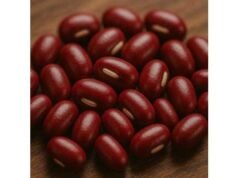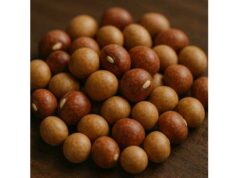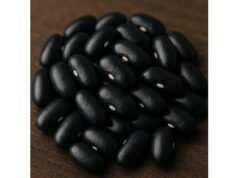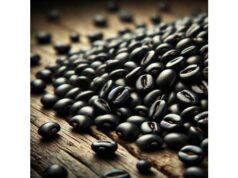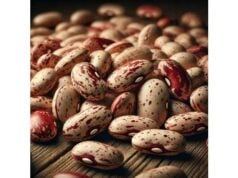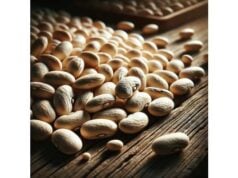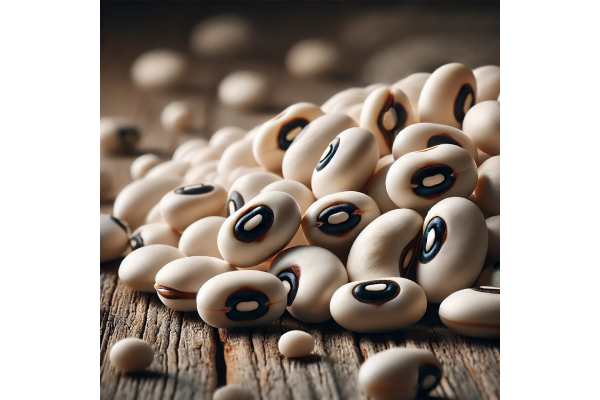
Black-eyed peas (Vigna unguiculata), also called cowpeas, are small cream-colored beans marked by a black “eye.” They are beloved in West African, Mediterranean, Southern U.S., and South Asian kitchens for their quick cooking, nutty flavor, and ability to make a meal feel hearty without a heavy price tag. A typical cooked portion delivers plant protein, prebiotic fiber, potassium, folate, magnesium, and iron with very little fat or sodium. That combination supports steady energy, digestive health, and satiety, whether the beans are simmered into stews, folded into salads, or served with rice, greens, and tomatoes. As legumes, black-eyed peas also help the soil: they fix nitrogen, thrive in heat and variable rainfall, and store well for months. If you are building more plant-forward meals or simply want budget-friendly nutrition that fits into familiar dishes, black-eyed peas are a smart, adaptable staple. This guide gives you a complete, practical look at their nutrition, evidence-based benefits, safety and allergies, how to shop and store, and the best cooking methods for flavor and nutrient retention.
Top Highlights
- Per 100 g cooked: about 7–8 g protein and 6–7 g fiber; low fat and naturally low sodium.
- Always cook thoroughly; do not eat raw or undercooked dried beans due to lectins.
- Typical serving: ½ cup cooked (≈85–100 g), enjoyed 3–7 times per week as comfortable.
- People with legume allergies, those on potassium-restricted diets, or during a low-FODMAP elimination may need limits.
Table of Contents
- Black-eyed peas: detailed overview
- Black-eyed peas nutrition profile
- Evidence-based health benefits
- Risks, allergies and interactions
- Selecting, quality, sustainability and storage
- Preparation, cooking and nutrient retention
- Portions, comparisons and FAQs
Black-eyed peas: detailed overview
Black-eyed peas are a subspecies of cowpea domesticated in West Africa and now grown across tropical and temperate regions. You will find them dried, canned, or frozen; whole or split; and in a range of heirloom types that vary slightly in size and color around the “eye.” Their mild, earthy taste welcomes aromatics like onion, garlic, ginger, bay leaf, and herbs, as well as chiles, cumin, curry leaf, smoked paprika, and citrus. Because they soften relatively quickly, black-eyed peas are reliable for weeknight cooking and batch prep alike.
Culturally, they show up in dozens of beloved dishes: West African bean-and-cassava fritters (akara), Mediterranean stews with tomatoes and greens, Hoppin’ John and Succotash in the American South, and hearty soups or curries across India. In grain bowls and salads they hold their shape yet stay tender, and they readily purée into spreads and dips. Their versatility makes it easy to swap them in for more processed proteins or refined starches without feeling like you are “dieting.”
Nutritionally, black-eyed peas contribute protein, fiber, and a suite of minerals and B vitamins while being very low in saturated fat and sodium. The fiber includes both soluble and insoluble types as well as resistant starch—components linked with steadier post-meal glucose responses and a more diverse gut microbiome. The beans’ lysine-rich protein complements grains (rice, corn, wheat), which are relatively richer in methionine, so traditional pairings naturally balance amino acids across the day.
From a sustainability perspective, black-eyed peas are standouts. As nitrogen-fixing legumes, they reduce the need for synthetic fertilizer in rotations and help rebuild soil structure. They tolerate heat and patchy rainfall better than many crops and can be intercropped with cereals to diversify yields. For home cooks, dried beans store well in a cool, dry pantry for months, and cooked beans freeze beautifully, reducing waste and cooking time later in the week.
If you are new to them, start with canned black-eyed peas (rinse to reduce sodium) or cook a small batch from dry using a quick soak or pressure cooker. Layer flavor with a simple sofrito or tadka, add greens for color and potassium, finish with acid for brightness, and you have a high-value, high-satisfaction meal in minutes.
Black-eyed peas nutrition profile
Basis: cooked, boiled black-eyed peas (mature seeds), per 100 g. Percent Daily Values (%DV) use adult references for a 2,000 kcal diet. Values are rounded for kitchen use and vary modestly by variety, age, and cooking method.
Macros and electrolytes (per 100 g cooked)
| Nutrient | Amount | %DV |
|---|---|---|
| Energy | 116–130 kcal | — |
| Protein | 7.0–8.0 g | 14–16% |
| Total Carbohydrate | 20–22 g | 7–8% |
| Dietary Fiber | 6.0–7.0 g | 21–25% |
| Total Sugars | ~2–3 g | — |
| Total Fat | 0.4–0.6 g | 1% |
| Saturated Fat | ~0.1 g | 1% |
| Sodium | 1–10 mg | 0% |
| Potassium | ~270–320 mg | 6–7% |
| Water | ~68–72 g | — |
Carbohydrates
- Slowly digestible starch plus soluble fibers and resistant starch support a low glycemic impact in typical portions.
- Naturally very low in free sugars; sweetness comes mostly from caramelized aromatics and vegetables in recipes.
Protein and amino acids
- About 7–8 g plant protein per 100 g cooked; rich in lysine and relatively lower in methionine and cysteine—pair with grains for complementary amino acids.
- Digestibility improves with soaking, adequate heat, and (optionally) fermentation or sprouting.
Fats and fatty acids (typical)
| Component | Amount | Notes |
|---|---|---|
| Total fat | 0.4–0.6 g | Very low overall |
| Monounsaturated fatty acids | ~0.05–0.1 g | Mostly oleic acid |
| Polyunsaturated fatty acids | ~0.2–0.3 g | Primarily linoleic; trace alpha-linolenic |
| Saturated fatty acids | ~0.1–0.2 g | Predominantly palmitic |
Minerals (per 100 g cooked)
| Mineral | Amount | %DV |
|---|---|---|
| Calcium | ~25–35 mg | 2–3% |
| Iron | ~2.0–2.6 mg | 11–14% |
| Magnesium | ~40–55 mg | 10–13% |
| Phosphorus | ~85–120 mg | 7–10% |
| Zinc | ~1.0–1.6 mg | 9–15% |
| Copper | ~0.08–0.16 mg | 9–18% |
| Manganese | ~0.3–0.6 mg | 13–26% |
| Selenium | ~1–3 µg | 2–5% |
Vitamins (per 100 g cooked)
| Vitamin | Amount | %DV |
|---|---|---|
| Thiamin (B1) | ~0.15–0.22 mg | 13–18% |
| Riboflavin (B2) | ~0.05–0.09 mg | 4–7% |
| Niacin (B3) | ~0.5–1.2 mg | 3–8% |
| Pantothenic Acid (B5) | ~0.2–0.5 mg | 4–10% |
| Vitamin B6 | ~0.06–0.12 mg | 4–7% |
| Folate (DFE) | ~180–220 µg | 45–55% |
| Choline | ~25–35 mg | 5–6% |
Bioactives and phytonutrients
- Phenolic compounds (including flavonoids and phenolic acids) contribute antioxidant capacity; colored seed coats and added vegetables/spices raise overall polyphenol intake in meals.
- Resistant starch and oligosaccharides feed beneficial gut microbes and encourage short-chain fatty acid production.
Allergens and intolerance markers
- As legumes, black-eyed peas contain storage proteins that can trigger allergy in sensitive individuals; cross-reactivity with other legumes is possible.
- FODMAPs (raffinose-family oligosaccharides) may cause gas and bloating for some; soaking, sprouting, fermenting, and thorough cooking reduce them.
Anti-nutrients and processing notes
- Phytic acid, tannins, trypsin inhibitors, lectins are present primarily in raw or undercooked beans. Proper soaking and full boiling or pressure-cooking markedly reduce these compounds and improve mineral bioavailability.
Footnote: Canned black-eyed peas are pre-cooked and often salted; draining and rinsing typically lowers sodium. Some brands use calcium chloride as a firming agent—safe, but beans will be a bit firmer.
Evidence-based health benefits
Cardiometabolic support you can taste. Swapping refined starches or a portion of processed meats for black-eyed peas often increases fiber and potassium while lowering saturated fat and sodium—changes that align with improved blood pressure and cholesterol patterns. Across randomized trials, regular pulse consumption (beans, peas, lentils) modestly improves fasting glucose, post-meal glycemia, and LDL cholesterol when it replaces more refined carbohydrates in the diet. Mechanistically, soluble fibers bind bile acids (helping lower LDL over time), potassium helps counterbalance sodium’s effect on vascular tone, and magnesium participates in glucose and endothelial regulation.
Steadier energy and better fullness. With roughly 6–7 g fiber and 7–8 g protein per 100 g cooked, black-eyed peas raise the satiety of a plate without adding many calories. Replacing part of the rice or pasta with a generous scoop of beans can reduce the overall glycemic load of a meal and prolong fullness—an everyday strategy that helps many people manage cravings and energy dips.
Gut microbiome nourishment. The beans’ fermentable fibers and resistant starch feed beneficial microbes that produce short-chain fatty acids (SCFAs) like butyrate. SCFAs support intestinal barrier integrity and may modulate inflammation and glucose signaling. If you are new to legumes, build up slowly so your microbiota adapts; most people find that tolerance improves within days to weeks of steady intake.
Micronutrient density for plant-forward patterns. Per 100 g cooked, black-eyed peas provide folate (often ~50% DV), iron, magnesium, phosphorus, manganese, zinc, and potassium—nutrients of interest for people limiting animal foods or diversifying proteins. Pairing with vitamin C-rich ingredients (tomatoes, peppers, citrus, salsa verde) enhances iron absorption from plant sources; finishing dishes with lemon or lime is both delicious and functional.
Weight-friendly meal building. Beans’ low energy density makes it easier to craft plates that feel abundant without overshooting calories. Practical moves: half-and-half bowls (half the usual grains, half beans), thickening soups with puréed beans instead of heavy cream, or using mashed beans to replace some of the ground meat in patties and fillings.
Food security and sustainability benefits. The same traits that make black-eyed peas reliable for smallholder farmers—nitrogen fixation, heat tolerance, modest water needs—translate into sustainability advantages for everyone. At home, their long shelf life, low cost per serving, and freeze-friendliness reduce waste and stretch budgets while improving nutrient intake.
How much and how often? Patterns that include about 3–6 cooked legume servings per week (≈300–600 g total) are common in research and guidance. For many, a simple goal is ½ cup cooked at meals a few times per week, adjusted for hunger, tolerance, and personal health goals.
Risks, allergies and interactions
Undercooking risk and lectins. Like other beans, raw or undercooked black-eyed peas contain lectins that can cause acute gastrointestinal upset (nausea, vomiting, diarrhea). Soak and fully boil or pressure-cook until tender. Avoid slow-cooker “low” settings for dried beans unless they have been fully boiled first. Canned beans are pre-cooked and safe; rinse if you want to lower sodium.
Gas and digestive comfort. Raffinose-family oligosaccharides (FODMAPs) can cause bloating for some. To improve tolerance:
- Soak 8–12 hours, discard soak water, and cook in fresh water.
- Pressure-cook for consistent tenderness.
- Rinse canned beans well.
- Start with small portions—2–3 tablespoons cooked—and build up as your microbiome adapts.
Allergy considerations. Black-eyed peas are legumes, not nuts, but legume allergies do occur (e.g., peanut, soy, lentil). Because seed storage proteins can share structures, cross-reactivity is possible. Anyone with known legume allergy should consult an allergist before trying new legumes and avoid them if advised. Symptoms may include oral itching, hives, wheeze, or anaphylaxis; seek urgent care for severe reactions.
Kidney and potassium. Black-eyed peas are moderately high in potassium. People with advanced chronic kidney disease or those on potassium-restricted diets should tailor serving sizes with a renal dietitian. Many others benefit from potassium’s blood-pressure support when it replaces higher-sodium side dishes.
Iron and zinc absorption. Phytate and tannins bind minerals and can reduce absorption. Solutions: soak and cook thoroughly; pair beans with vitamin C sources; include fermented or sprouted preparations; and, if iron status is a concern, avoid tea or coffee with bean-rich meals.
Medication timing.
- Levothyroxine and some minerals (iron, calcium) absorb best away from high-fiber meals. Separate dosing by several hours as directed by your clinician.
- Glucose-lowering medications: if you significantly increase beans while taking insulin or sulfonylureas, monitor closely to avoid lows and work with your care team to adjust doses if needed.
Infants and young children. Offer thoroughly cooked, mashed, or finely chopped beans to reduce choking risk. Introduce one new legume at a time to watch for tolerance.
Food safety at home. Refrigerate cooked beans within two hours; use within 3–5 days or freeze for later. Reheat to steaming hot. Discard any beans with off-odors or signs of spoilage.
Selecting, quality, sustainability and storage
Buying dried, canned, or frozen
- Dried beans: Choose clean, evenly sized beans without cracks, dust, or weevil damage. Fresher lots (recent harvest) cook faster and more evenly than old stock; buy from stores with good turnover.
- Canned beans: Look for short ingredient lists (beans, water, salt). If watching sodium, choose no-salt-added or drain and rinse thoroughly. Some brands add calcium chloride (firming), which keeps beans slightly firmer—great for salads.
- Frozen beans: Useful for speed; they are typically blanched and ready to simmer.
Sustainability snapshot
- Nitrogen fixation: Black-eyed peas host root bacteria that fix atmospheric nitrogen, reducing fertilizer needs and improving soil health.
- Resilient cropping: They tolerate heat and variable rainfall and work well in rotations or intercropping with cereals.
- Household efficiency: Dried beans are shelf-stable and low-impact to ship; batch cooking at home saves energy over multiple small boils. Canned beans cost more energy to produce but save fuel and time at home; both forms are climate-friendly compared with many animal proteins.
Storage know-how
- Dried beans: Store in airtight jars or sealed bags in a cool, dark, dry place. Ideal shelf life is up to 12–18 months; older beans may need longer cooking.
- Cooked beans: Keep in their cooking liquid for moisture and flavor; refrigerate for 3–5 days.
- Freezing: Portion with a little liquid into labeled containers or freezer bags and freeze for up to 3 months for best texture. Thaw overnight or under cold running water.
Label literacy
- “Low sodium” canned beans: ≤140 mg sodium per serving; “no salt added” indicates only the beans’ natural sodium.
- “Organic” refers to farming practices; nutrition is broadly similar to conventional.
Budget and meal planning
- Dried beans offer the best value per serving. Soak and pressure-cook to save energy. Cook once, eat many times: soups, salads, tacos, grain bowls, breakfast scrambles with greens and salsa, or bean-and-veg toast for a fast lunch.
Quality cues in the pot
- Beans should be tender to the center and mash easily between fingers. If some remain firm while most are soft, the batch may be old; add time, keep water level above beans, and consider a pinch of baking soda in very hard water.
Preparation, cooking and nutrient retention
1) Soak (optional but helpful)
- Overnight soak: Rinse, then soak 8–12 hours in plenty of water (3–4× bean volume). Drain and rinse before cooking. Soaking reduces some FODMAPs and shortens cooking time.
- Hot-soak shortcut: Bring beans and water to a boil for 2–3 minutes, cover, rest 1 hour, drain and rinse, then cook.
2) Cook thoroughly
- Stovetop simmer: Cover soaked beans with fresh water by 3–5 cm; add aromatics if desired. Simmer gently until creamy-tender—typically 35–60 minutes depending on bean age and water hardness.
- Pressure cooker: After soaking, cook 10–18 minutes at pressure (natural release). Unsoaked beans may need 25–30 minutes.
- Salt timing: With soft water, early salting seasons interiors nicely. With hard water, salt late or use filtered water to avoid tough skins.
3) Build flavor without excess sodium
- Base: onion, garlic, celery or bell pepper, bay leaf, cumin or smoked paprika.
- Finishers: lemon or vinegar, fresh herbs (parsley, cilantro), green onions, or a spoon of salsa or harissa.
- Smoky options: chipotle in adobo or a dash of liquid smoke for plant-based “ham hock” vibes.
4) Improve digestibility and mineral uptake
- Combine soaking + full boiling or pressure-cooking to reduce lectins and enzyme inhibitors.
- Pair with vitamin C (citrus, tomatoes, peppers) to enhance non-heme iron absorption.
- Try fermented sides (e.g., curtido, kimchi) or lightly sprouted beans (then cooked) for variety and potential comfort.
5) Preserve nutrients
- Use enough water to keep beans submerged, but avoid aggressive boiling that splits skins.
- Save the cooking liquid (pot liquor) for soups and grains; it contains soluble minerals and flavor.
- Avoid prolonged high-heat oven “drying” after cooking, which can toughen skins and diminish palatability.
6) Quick recipe ideas
- Weeknight stew: sauté onion, garlic, celery; add tomatoes, broth, black-eyed peas, and greens; simmer and finish with lemon.
- Skillet succotash: corn, bell pepper, scallion, and black-eyed peas tossed hot with a pat of butter or olive oil and a splash of cider vinegar.
- Smoky bean bowls: roasted sweet potatoes, wilted kale, black-eyed peas, pickled onions, and a tahini–lemon drizzle.
- Creamy dip: purée beans with yogurt or tahini, lemon, garlic, and a pinch of cumin; serve with vegetables and warm flatbread.
7) Batch-cooking blueprint
Cook 500 g dried beans after a quick soak; pressure-cook 15 minutes, natural release. Portion 1–1½ cups into containers with some liquid. Refrigerate a couple for the next three days and freeze the rest. Use throughout the week to extend salads, bowls, soups, tacos, and breakfast plates.
Portions, comparisons and FAQs
Suggested portion and frequency
- Standard serving: ½ cup cooked (≈85–100 g).
- How often? 3–7 servings per week fits well in Mediterranean-style, DASH-style, and plant-forward patterns, assuming comfortable digestion and no medical restrictions.
Who benefits most?
- People seeking budget-friendly plant protein that pairs naturally with grains and vegetables.
- Anyone aiming for steadier energy and better fullness by replacing some refined starches with fiber-rich sides.
- Active individuals who value potassium and magnesium for muscle and nerve function.
- Households interested in climate-smart staples that store well and reduce waste.
Comparisons (per 100 g cooked, typical)
- Black-eyed peas vs black beans: similar protein; black beans often slightly higher in fiber and potassium; black-eyed peas cook faster and have a lighter, nuttier flavor.
- Black-eyed peas vs pinto beans: both are fiber-rich; pintos mash creamier for refried styles, while black-eyed peas hold shape in salads and stews.
- Black-eyed peas vs lentils: lentils cook fastest and are a bit higher in protein per 100 g; black-eyed peas offer a different flavor profile and a more bean-like texture.
- Black-eyed peas vs chickpeas: chickpeas are higher in calories and folate; black-eyed peas are usually lower in fat and cook quicker from dry.
Smart pairings
- With grains: rice, millet, barley, or cornbread for complementary amino acids.
- With vitamin C: tomatoes, roasted peppers, citrus, or salsa to help iron absorption.
- With healthy fats: olive oil, avocado, nuts, or seeds to boost flavor and satiety.
Frequently asked questions
Are black-eyed peas low glycemic?
In typical portions, yes—thanks to their fiber, resistant starch, and protein. Keep portions reasonable and pair with vegetables and healthy fats for the steadiest response.
Can I use a slow cooker?
Use caution. Unless beans are pre-boiled, some slow cookers on “low” may not reach temperatures high enough for safety. Prefer stovetop simmering, pressure-cooking, or fully pre-boiled beans in a slow cooker.
Do canned beans count the same nutritionally?
For macros and most minerals, yes. Rinse to lower sodium. Texture can be slightly firmer if a calcium-based firming agent is used.
How do I reduce gas?
Soak and discard soak water, cook until very tender (pressure-cooking helps), rinse canned beans, start with small portions, and use digestive aromatics (ginger, bay, cumin). Many people adapt within a week or two of regular intake.
Are they gluten-free?
Naturally, yes. If you have celiac disease, check labels for cross-contact in packaged products.
Can I sprout black-eyed peas?
You can, but for safety, cook sprouts before eating—especially for pregnant people, older adults, and those with weakened immunity.
References
- Nutrition Facts for Cooked Blackeye Peas 2025
- Pulse consumption improves indices of glycemic control in adults with and without type 2 diabetes: a systematic review and meta-analysis of acute and long-term randomized controlled trials 2021 (Systematic Review)
- Intake of legumes and cardiovascular disease: A systematic review and dose-response meta-analysis 2023 (Systematic Review and Meta-analysis)
- Natural Toxins in Food 2024 (Guidance)
Medical Disclaimer
This guide is for general education and is not a substitute for personalized medical advice, diagnosis, or treatment. Nutrition needs and tolerances vary by health status, medications, allergies, and life stage. If you have chronic kidney disease, food allergies, diabetes, are pregnant or breastfeeding, or take prescription medicines, consult a qualified healthcare professional or registered dietitian for tailored advice.
If you found this article helpful, please consider sharing it on Facebook, X (formerly Twitter), or your preferred platform. Your support helps us continue producing clear, practical nutrition content.