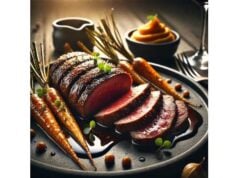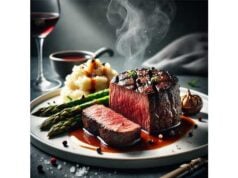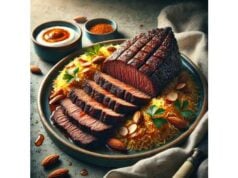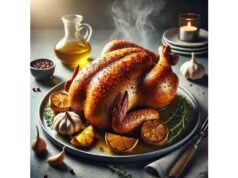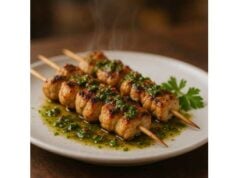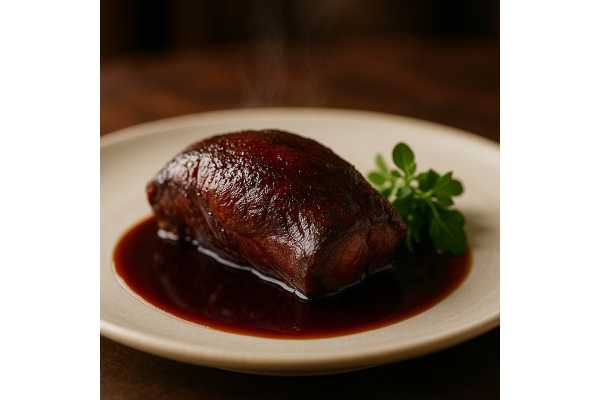
Wild hare is a lean, flavorful red meat prized in European country kitchens and by modern chefs who want intensity without heaviness. Compared with farmed meats, hare delivers concentrated protein, modest fat, and a surprisingly nuanced, herb-friendly taste that stands up to braising, roasting, or quick searing of tender cuts. Because hares are wild, their diet and activity shape the meat’s texture and nutrition: more myoglobin (a red-meat character), higher iron than many poultry options, and a favorable balance of fats when properly trimmed. A single portion is satisfying but not rich, which makes hare a clever choice for people seeking variety beyond beef, lamb, or chicken. At the same time, wild harvest introduces responsibilities—safe field handling, correct cooking temperature, and awareness of lead residues when animals are shot with traditional ammunition. This guide brings together the essentials: what hare offers nutritionally, how it may help specific health goals, where the risks are (and how to reduce them), and the best ways to select, store, and cook it so you preserve tenderness and nutrients while celebrating its wild character.
Fast Facts
- 100 g raw hare provides ~21 g protein and ~129 kcal with low saturated fat.
- Cook hare to 71 °C (160 °F) and handle wild carcasses carefully to avoid infection.
- A practical serving is 120–150 g cooked, enjoyed 1–2 times per week within a varied diet.
- Children, pregnant people, and frequent wild-game consumers should minimize exposure to lead fragments from ammunition.
Table of Contents
- Hare at a glance: taste and types
- Hare nutrition profile (per 100 g)
- Evidence-based health benefits
- Risks, allergies and interactions
- Selecting, quality, sustainability and storage
- Preparation, cooking and nutrient retention
- Portions, comparisons and FAQs
Hare at a glance: taste and types
Hare is wild, free-ranging red meat from lagomorphs (genus Lepus), most commonly the European brown hare. In the kitchen, it behaves more like venison than domestic rabbit: darker color, more pronounced aroma, and a firm, athletic grain that appreciates either quick cooking of tender parts (loins, saddle) or gentle, moist heat for legs and shoulders. Properly aged and trimmed, hare tastes savory with foresty notes that pair naturally with juniper, bay, thyme, rosemary, black pepper, red wine, mushrooms, prunes, and smoky pork accents.
Cuts and culinary uses.
- Saddle/loins: the most tender; pan-sear or roast to medium to keep juiciness.
- Hind legs and shoulders: collagen-rich; braise or confit until fibers yield.
- Offal (liver, heart, kidneys): intensely flavored; fold into pâtés or pan-fry briefly.
- Bones and trim: produce gelatin-rich stocks and sauces.
Hare vs. rabbit.
Although related, they differ in life history and meat quality. Hares are wild, larger, and run long distances; their meat is leaner by nature, redder from higher myoglobin, and often more mineral-tasting. Domestic rabbits are farm-raised, milder, and typically lighter in color. If you enjoy venison or duck, you’ll likely appreciate hare’s depth. If you prefer chicken or turkey, start with loin medallions and gentler seasonings.
Seasonality and age.
Hare hunting is regulated and seasonal. Young animals (leverets) have finer muscle fibers and milder flavor; mature hares provide deeper savor and more connective tissue that benefits from low-and-slow methods. Ethical sourcing emphasizes lawful seasons, clean field dressing, and avoiding waste by using bones and offal.
Why cooks seek hare today.
- Nutrient-dense: high protein, low energy per 100 g, and useful minerals like iron and copper.
- Culinary versatility: adapts to classic civet, modern roasts, and global spice profiles.
- Sustainability potential: when harvested responsibly, wild game can complement conservation goals and reduce reliance on intensive livestock.
Handled well, hare is neither “gamey” nor dry. The keys are precise trimming to remove silver skin, smart salting, the right doneness for the cut, and sauces that honor the meat’s natural savor without burying it.
Hare nutrition profile (per 100 g)
Reference form: raw, boneless hare meat. Actual values vary by muscle, age, diet, and season. Cooking concentrates nutrients per 100 g as water is lost.
Macros & Electrolytes (per 100 g)
| Nutrient | Amount | %DV* |
|---|---|---|
| Energy | 129 kcal | — |
| Protein | 21.1 g | 42% |
| Total fat | 5.0 g | 6% |
| Carbohydrates | 0 g | 0% |
| Water | 74 g | — |
| Sodium | 50 mg | 2% |
| Potassium | 310 mg | 7% |
| Phosphorus | 210 mg | 17% |
| Magnesium | 23 mg | 5% |
| Calcium | 13 mg | 1% |
Fats & Fatty Acids (per 100 g)
| Lipid | Amount | %DV* |
|---|---|---|
| Saturated fat | 0.7 g | 3% |
| Monounsaturated fat | 0.6 g | — |
| Polyunsaturated fat | 0.3 g | — |
| Omega-3 | 0.1 g | — |
| Omega-6 | 0.3 g | — |
| Cholesterol | 52 mg | 17% |
Vitamins (per 100 g)
| Vitamin | Amount | %DV* |
|---|---|---|
| Thiamin (B1) | 0.09 mg | 8% |
| Riboflavin (B2) | 0.19 mg | 15% |
| Niacin equivalents (NE) | 8.3 mg NE | 52% |
| Vitamin B6 | 0.36 mg | 21% |
| Folate | 10 µg | 3% |
| Vitamin B12 | 1.0 µg | 42% |
| Vitamin A (RAE) | 8 µg | 1% |
| Vitamin E | 0.8 mg | 5% |
| Vitamin C | 0 mg | 0% |
| Vitamin D | 0 µg | 0% |
Minerals & Trace Elements (per 100 g)
| Mineral | Amount | %DV* |
|---|---|---|
| Iron | 1.8 mg | 10% |
| Zinc | 1.7 mg | 15% |
| Copper | 0.24 mg | 27% |
| Selenium | 4 µg | 7% |
| Iodine | 2 µg | 1% |
*%DV are approximate, based on adult Daily Values (protein 50 g; total fat 78 g; saturated fat 20 g; sodium 2300 mg; potassium 4700 mg; phosphorus 1250 mg; magnesium 420 mg; calcium 1300 mg; cholesterol 300 mg; niacin 16 mg NE; B6 1.7 mg; B12 2.4 µg; folate 400 µg DFE; vitamin A 900 µg RAE; vitamin E 15 mg).
Glycemic & acid–base notes. With zero carbohydrate, hare is naturally low glycemic and has no intrinsic impact on post-meal blood glucose. As a high-protein, low-fat red meat, its potential renal acid load is similar to other lean red meats; balance plates with vegetables and legumes to support a neutral dietary pattern.
Additives & fortification. Wild hare contains no food additives. Commercially processed hare products (sausages, pâtés) may include salt, nitrites, or fillers—check labels.
Evidence-based health benefits
1) High-quality protein for strength and repair.
At ~21 g protein per 100 g, hare supplies a robust dose of essential amino acids that support muscle protein synthesis, immune function, and recovery from daily wear. Because the meat is lean, you can reach protein targets without excessive energy—a practical advantage in weight-conscious meal plans.
2) Iron and B-vitamins for energy metabolism.
Hare’s status as a red meat comes from its myoglobin richness; that correlates with a meaningful iron contribution per serving and support for hemoglobin formation. The B-vitamin cluster—especially niacin equivalents, riboflavin, and B6—helps convert macronutrients into usable energy and maintains normal nervous system function. A 150 g cooked portion (roughly 120 g raw equivalent after moisture loss) can deliver around a third of daily niacin equivalents and a useful share of B6 and B12.
3) Favorable lipid profile when trimmed.
Although total fat varies by cut and season, hare is typically low in saturated fat per 100 g and provides modest unsaturated fats. Research examining hare fatty acids indicates a helpful PUFA/SFA balance and desirable lipid indices when the meat is prepared without added saturated fats. That makes hare a reasonable choice for omnivores seeking red-meat variety with a lighter saturated-fat footprint.
4) Nutrient density with culinary satiety.
Hare offers a “full-flavor, fewer-calories” experience: ~129 kcal per 100 g raw. When cooked properly (avoiding dryness), the savory intensity promotes satiety, which may help people manage portions compared with bland, low-satisfaction meals. Traditional pairings—mushrooms, cabbage, root vegetables—add fiber, potassium, and polyphenols, rounding out the plate for cardiometabolic balance.
5) Micronutrient extras from offal.
If you cook the liver or kidneys, you’ll gain much higher amounts of B12, iron, and retinol than from muscle meat alone. Use small portions of offal to enrich pâtés or sauces while keeping overall vitamin A exposure within prudent limits.
How to realize these benefits.
- Choose cuts that match your method (loins for quick searing, legs for slow braising).
- Salt early and rest after cooking to enhance juiciness.
- Pair with potassium-rich sides (greens, beans, squash) and use olive oil or canola rather than butter to keep saturated fat low.
- For frequent game eaters, prefer non-lead ammunition sources and trim away tissue around wound channels to minimize any metal fragments (more in the safety section).
Risks, allergies and interactions
1) Foodborne infection from wild handling.
Hares can carry Francisella tularensis (tularemia). People are exposed by skinning infected animals, contacting carcass fluids, or inhaling contaminated dust. Prevention is straightforward: wear gloves when handling wild hares; avoid skinning obviously sick animals; wash knives and surfaces thoroughly; and cook meat to a safe internal temperature of 71 °C (160 °F) measured with a thermometer in the thickest part. These steps protect hunters, cooks, and diners.
2) Lead fragments in game meat.
Lead-based bullets and shot can fragment on impact into tiny, sometimes invisible particles that disperse beyond the main wound channel. Studies demonstrate two practical implications: (a) consumers who eat a lot of game may increase their lead exposure; and (b) acidic marination (e.g., with wine or vinegar) can increase the bioavailability of any lead that is present, raising blood lead levels in animal models. Mitigation strategies include: choosing non-lead ammunition; discarding a generous margin of tissue around the wound channel; slow-cooking without acidic marinades near wound paths; and serving game less frequently to vulnerable groups (children, pregnant people).
3) Red-meat considerations.
Hare is classified as red meat. While lean and nutrient-dense, it should still be part of a mixed pattern that emphasizes whole grains, legumes, vegetables, fruits, nuts, seeds, and fish. Practical guidance for omnivores is to keep red-meat portions moderate and vary proteins during the week.
4) Allergies and sensitivities.
Primary red-meat allergy is uncommon, but sensitization can occur (including alpha-gal syndrome following certain tick bites). Signs include hives, swelling, or delayed gastrointestinal symptoms after eating mammalian meat. Anyone with suspected allergy should seek an allergist’s evaluation. Offal is rich in vitamin A; avoid frequent large servings if you are at risk of hypervitaminosis A or if your clinician has cautioned limits.
5) Medication interactions.
Hare meat is low in vitamin K and does not typically interfere with warfarin stability. The broader dish, however, might (e.g., kale or spinach sides). If you take anticoagulants or other chronic meds, keep your overall diet consistent day-to-day rather than focusing on a single ingredient.
6) Parasites and general hygiene.
Freeze storage reduces some parasites but does not replace correct cooking. Always chill field-dressed carcasses quickly, avoid cross-contamination with ready-to-eat foods, and wash hands after handling raw meat.
Selecting, quality, sustainability and storage
How to choose good hare meat.
- Source: buy from reputable game dealers or licensed hunters who observe legal seasons. Ask about ammunition type; prefer non-lead harvests when possible.
- Appearance: deep red to burgundy color, moist but not wet, with a fine grain. Avoid dry edges, sticky surfaces, or a sour smell.
- Age & cut: leveret saddles for quick cooking; mature hind legs for braising. Confirm that silver skin and excess sinew are trimmed (they can toughen the bite).
- Frozen product: look for minimal ice crystals and no grayish freezer burn.
Sustainability pointers.
Hare populations are managed locally. Responsible, legal hunting aligned with habitat conservation can be compatible with biodiversity goals. Wild meat also avoids feed inputs and housing associated with intensive livestock. That said, transport footprints and packaging still matter; choose local, in-season sources when you can.
Storage and handling timeline.
- Chilled raw: 0–3 °C for up to 2 days for loins; 2–3 days for whole legs. Keep on a tray to catch drips.
- Frozen raw: −18 °C for up to 8–10 months tightly wrapped (double-wrap to prevent freezer burn).
- Thawing: slow-thaw in the refrigerator; never at room temperature.
- Cooked leftovers: chill promptly; keep 3–4 days in the refrigerator or freeze up to 3 months. Reheat leftovers to 74 °C (165 °F).
Food safety checklist.
- Wear disposable gloves when butchering wild hares; wash tools with hot, soapy water and then sanitize.
- Keep raw and ready-to-eat foods separate.
- Use a dedicated cutting board for raw game.
- Measure internal temperature in the thickest point and in several spots if the cut is uneven.
- When in doubt, discard meat with off odors or sticky/slimy surfaces.
Flavor and quality tips.
- If the animal was shot, trim a generous radius around the wound to remove bruising and any potential metal fragments; don’t grind trim from that area.
- Dry-ageing under controlled refrigeration (1–3 days for saddles) can relax texture and concentrate flavor.
- Light brining improves moisture for lean cuts; avoid strongly acidic marinades near wound paths (see lead guidance).
Preparation, cooking and nutrient retention
Hare rewards precision. The goal is tenderness without dryness, and full safety without overcooking.
Before you start
- Trim: remove silver skin and any visible shot/bone splinters.
- Salt early: 0.8–1.0% of meat weight in fine salt, 6–24 hours ahead for legs; 45–90 minutes for loins. Salt increases water-binding and rounds flavor.
- Dry the surface: pat with towels for better browning.
- Plan doneness: legs to 71 °C (160 °F) for safety and collagen conversion; loins may be cooked just to 71 °C and served immediately to avoid carryover drying.
Core methods
- Pan-seared loin medallions (fast):
- Bring to cool room temp (20–30 minutes).
- Sear in a hot pan with neutral oil; baste with thyme, garlic, and a knob of butter during the last minute.
- Rest 3–5 minutes. Serve with a light reduction (stock + blackcurrant or juniper).
- Low-and-slow braised legs (comforting):
- Brown lightly; sweat mirepoix; deglaze with stock and a splash of wine; add herbs.
- Cover and braise at 150–160 °C (300–320 °F) until fork-tender (1.5–3 hours, depending on maturity).
- Skim fat; finish with a square of dark chocolate or a spoon of red-fruit preserve to echo classic civet without masking the meat.
- Confit (make-ahead): cure legs overnight (1.5% salt, herbs), then submerge in olive oil or duck fat at 95 °C (203 °F) until yielding. Chill in fat; reheat to crisp.
Nutrient-retention strategies
- Keep cooking gentle: prolonged high heat increases moisture loss and can degrade heat-sensitive B-vitamins. Braising liquids capture dissolved nutrients—serve as sauce.
- Use minimal added saturated fat: hare is naturally lean; cook with olive or high-oleic oils to maintain a favorable lipid profile.
- Mind marinades: acidic marinades tenderize but may increase the bioavailability of any lead particles if present. If using wine/vinegar for flavor, apply to intact cuts from non-lead harvests and avoid the wound area.
- Rest, don’t over-hold: extended holding on a hot pass continues cooking and dries lean cuts; rest briefly, then serve.
Seasoning templates
- Forest classic: juniper, bay, thyme, black pepper, red wine, prunes; finish with a knob of butter.
- Mediterranean light: garlic, rosemary, lemon zest, olive oil; pair with chickpeas and charred broccoli.
- Spice road: cumin, coriander, Aleppo pepper, pomegranate molasses; serve with herbed bulgur and yogurt.
Portions, comparisons and FAQs
Practical portions.
- Adults (general): 120–150 g cooked (about 150–200 g raw) per serving.
- Frequency: 1–2 times per week within a varied protein rotation (fish, legumes, poultry, eggs).
- Children: smaller portions appropriate for age; avoid meat from lead-shot animals and follow all cooking safety steps.
How hare compares (per 100 g raw)
- Hare: ~129 kcal; protein ~21 g; fat ~5 g; iron ~1.8 mg.
- Domestic rabbit: often slightly lower fat and calories, milder flavor; broadly comparable protein.
- Chicken breast: lean, milder; less iron and a white-meat profile.
- Venison: similarly lean with strong flavor; iron contribution is comparable to or higher than hare depending on cut.
Budget tips.
Buying whole or in large pieces costs less per kilogram, and the bones yield exceptional stock. Cook once, eat twice: braise legs on day one; shred leftovers into barley soup or ragu for day two.
FAQs
- Is hare red or white meat? Red. Its myoglobin content and classification align with red meats.
- Can pregnant people eat hare? Yes—if fully cooked to 71 °C (160 °F) and sourced/trimmed to minimize any lead exposure. Avoid undercooked dishes and pâtés made with raw eggs.
- Does hare taste “gamey”? Properly handled, it tastes savory and clean. Off odors usually reflect poor field care or aging.
- How do I keep it moist? Salt early, cook to temperature (not guesswork), choose methods that fit the cut, and rest briefly.
- Is offal safe? Yes when fully cooked and handled hygienically. Because liver is very high in vitamin A, keep portions modest (e.g., 50–75 g occasionally).
Smart plate builder (example)
- Braised hare leg, 150 g cooked
- Barley or farro, ¾ cup cooked
- Roasted carrots and cabbage, 1.5 cups
- Juniper-mushroom gravy, ¼ cup
This meal balances protein, fiber, and potassium while staying moderate in saturated fat.
References
- Hare, raw 2024
- Cook to a Safe Minimum Internal Temperature 2024 (Guideline)
- About Tularemia 2024
- Marination increases the bioavailability of lead in game meat shot with lead ammunition 2021
- The Fatty Acid Content, Health Lipid Indices, and Instrumental, Histological, and Sensory Quality of Hare Meat (Lepus europaeus Pallas) 2025
Disclaimer
The information in this article is educational and is not a substitute for personalized medical advice, diagnosis, or treatment. Always follow local food safety guidance, and consult a qualified health professional if you have medical conditions, take prescription medications, are pregnant, or are preparing food for vulnerable groups. If you suspect a foodborne illness, seek medical care promptly.
If you found this guide helpful, please consider sharing it on Facebook, X (formerly Twitter), or your preferred platform. Your support helps us keep producing clear, evidence-based articles. Thank you.