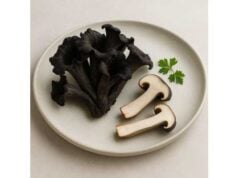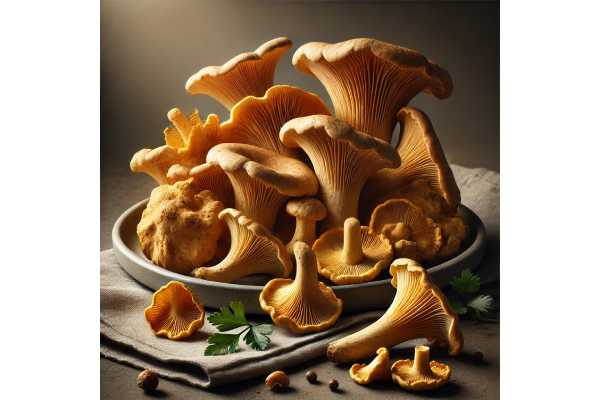
Winter chanterelle (Craterellus tubaeformis), also called funnel chanterelle or yellowfoot, is a late-season treasure that keeps cooks smiling long after summer harvests fade. Slender, hollow-stemmed, and trumpet-shaped, it concentrates aroma without heaviness: think dried apricot, forest floor, and gentle pepper. In the pan, winter chanterelles brown quickly, release little water, and hold their silky bite—ideal for quick sautés, brothy toasts, and risotti. Nutritionally, they follow the mushroom pattern many health-forward kitchens lean on: very low calories per cup, a modest dose of protein, potassium, and distinctive fungal antioxidants such as ergothioneine. As an ectomycorrhizal species, they partner with conifers and birch, so sustainable picking and careful identification matter. This guide unpacks the essentials with a practical lens: a clear nutrition profile per 100 g and per typical serving, evidence-centered benefits (what the science supports—and what it doesn’t), safety and lookalike cautions, smart buying and storage, preparation methods that protect aroma and nutrients, and realistic portion guidance with quick comparisons. If you want deep flavor and light meals through autumn and winter, the sections below give you everything you need.
Essential Insights
- Typical cooked portion is 100 g (about 1–2 cups), enjoyed once or twice per week in season.
- Key upsides: low energy density with high flavor and a natural source of ergothioneine and potassium.
- Safety caveat: do not eat any wild mushroom unless identification is certain; cook thoroughly for better digestibility.
- Avoid or limit if you have confirmed mushroom or mold allergy, or if advised to avoid wild or undercooked foods.
Table of Contents
- Detailed Overview
- Nutrition Profile
- Evidence-Based Health Benefits
- Risks, Allergies and Interactions
- Selecting, Quality, Sustainability and Storage
- Preparation, Cooking and Nutrient Retention
- Portions, Comparisons and FAQs
Detailed Overview
Winter chanterelle is a cold-weather specialist found in coniferous and mixed forests, often carpeting mossy ground from late autumn into early winter. Its hallmark features are a tawny to olive-brown, funnel-shaped cap; forked ridges instead of true gills; a hollow, yellowish stem; and a fruity, woodsy aroma that intensifies when dried. As an ectomycorrhizal partner with spruce, pine, and birch, Craterellus tubaeformis gathers nutrients through tree roots in exchange for sugars, which partly explains its consistent, clean flavor when fruiting in undisturbed forests.
In the kitchen, winter chanterelles excel as a “flavor amplifier.” Their thin flesh browns fast, so they deliver roasted notes with minimal added fat. They also give off less moisture than many common mushrooms, which prevents steaming and helps sauces stay glossy rather than watery. Their gentle bitterness balances butter, cream, and cheese, but they are just as comfortable in lean preparations—olive oil, herbs, garlic, and lemon—where their own savoriness carries the dish.
Nutrition parallels other edible fungi: abundant water, little fat, modest protein, potassium, copper, and traces of selenium. As with most wild mushrooms, composition varies by habitat, season, and maturity; values are best read as ranges, and cooking concentrates nutrients by reducing water. Beyond macro- and micro-nutrients, winter chanterelles provide small molecules unique to fungi—most notably ergothioneine, a sulfur-containing antioxidant transported and retained by human tissues.
Because they are a wild food, quality depends on correct identification, habitat cleanliness, and post-harvest handling. Even experienced foragers double-check key features and avoid contaminated sites. Home cooks who prefer certainty can source from reputable markets or trusted pickers. Either way, the sections that follow give you the practical details—numbers, methods, and guardrails—to get the most from each basket.
Nutrition Profile
How to read this section. Values below present a composite per 100 g fresh, raw profile for winter chanterelles based on analyses of Craterellus tubaeformis and closely related edible forest mushrooms. Ranges reflect natural variability (habitat, maturity, weather). % Daily Value (%DV) follows adult reference values. A conversion box at the end gives a typical 100 g cooked serving.
Macros and Electrolytes (per 100 g, raw)
| Nutrient | Amount | %DV |
|---|---|---|
| Energy | 25–40 kcal | — |
| Water | 86–92 g | — |
| Protein | 1.8–3.0 g | 4–6% |
| Total fat | 0.3–0.7 g | 0–1% |
| Carbohydrate | 3.0–6.0 g | 1–2% |
| Dietary fiber | 1.5–3.0 g | 5–11% |
| Sodium | 5–15 mg | 0% |
| Potassium | 300–500 mg | 6–11% |
Carbohydrates (detail)
| Component | Amount | Notes |
|---|---|---|
| Total sugars | 0.5–2.0 g | primarily trehalose and mannitol in wild specimens |
| Starch | trace | fungi store glycogen-like polymers, not plant starch |
| Beta-glucans (soluble fiber) | 0.3–1.0 g | contributes viscosity and satiety |
Fats and Fatty Acids
| Class | Typical profile |
|---|---|
| Polyunsaturated | Linoleic acid predominates; absolute fat is very low. |
| Monounsaturated | Small proportion, mainly oleic acid. |
| Saturated | Low; palmitic acid detectable in small amounts. |
Protein and Amino Acids
| Item | Amount/Notes |
|---|---|
| Protein | 1.8–3.0 g per 100 g raw; glutamic and aspartic acids enhance umami. |
| Limiting amino acid | Methionine commonly limiting; pair with eggs, legumes, or grains for balance. |
Vitamins (per 100 g, raw)
| Vitamin | Amount | %DV |
|---|---|---|
| Thiamin (B1) | ~0.05 mg | 4% |
| Riboflavin (B2) | ~0.2 mg | 15% |
| Niacin (B3) | 3.0–5.0 mg | 19–31% |
| Folate (B9) | 20–40 µg | 5–10% |
| Vitamin D | 0–3 µg* | 0–15% |
Minerals (per 100 g, raw)
| Mineral | Amount | %DV |
|---|---|---|
| Phosphorus | 80–150 mg | 6–12% |
| Iron | 0.5–1.5 mg | 3–8% |
| Zinc | 0.5–1.2 mg | 5–11% |
| Copper | 0.1–0.3 mg | 11–33% |
| Selenium | 2–8 µg | 4–15% |
| Calcium | 5–20 mg | 0–2% |
Bioactives / Phytonutrients
- Ergothioneine (EGT): a sulfur-containing antioxidant concentrated in mushrooms; absorbed via a dedicated human transporter (SLC22A4) and found in tissues at sites of oxidative stress.
- Phenolics, umami peptides, and nucleotides: contribute antioxidant capacity in vitro and savory depth in cooking.
Allergens and Intolerance Markers
- Fungal proteins can trigger reactions in people sensitized to molds (see Safety).
Contaminants/Residues
- Wild chanterelles from polluted soils or roadsides may accumulate undesirable elements; source from clean habitats or reputable sellers.
Additives & Fortification
- Fresh wild mushrooms are unfortified. Pickled or jarred products may include salt or acids—check labels.
Footnote: Vitamin D in fresh, shaded forest mushrooms is typically low unless exposed to sunlight or UV during drying.
Portion reality (per 100 g cooked, starting from ~200–250 g raw):
- Approximate result: 40–70 kcal, protein 4–6 g, potassium 400–600 mg, fiber ~2–3 g. Cooking concentrates nutrients as moisture evaporates.
Evidence-Based Health Benefits
1) Low energy density with high flavor payoff.
A generous bowl of sautéed winter chanterelles delivers texture, aroma, and visual volume for very few calories. Swapping 100 g of sautéed mushrooms for a portion of cheese, cream, or processed meat in mixed dishes (pasta, pies, gratins) can reduce energy and saturated fat without sacrificing satisfaction—because umami and browned notes carry flavor.
2) Ergothioneine contributes antioxidant support.
Winter chanterelles, like many forest mushrooms, provide ergothioneine (EGT)—a stable thiol that the body actively transports and retains. Reviews discuss its roles in redox balance and healthy aging biology. There’s no established daily requirement, but eating mushrooms several times per week is a straightforward way to increase EGT intake within normal foods rather than supplements.
3) Potassium and trace minerals in a savory package.
A typical cooked portion (100 g) provides several hundred milligrams of potassium with minimal sodium, plus small amounts of copper and selenium. This pattern suits heart-healthy cooking: because winter chanterelles magnify savory perception, you can reduce added salt while keeping the dish vivid.
4) Umami-active compounds that enable lighter cooking.
Analytical work on forest mushrooms—including Craterellus tubaeformis—shows free amino acids and 5′-nucleotides that boost umami. In the pan, Maillard chemistry deepens these signals and lets herbs, citrus, and stock replace heavy sauces. Practically, many cooks find they can cut salt by 20–30% when mushrooms are browned well and finished with acidity.
5) Fiber for fullness and texture.
While mushrooms aren’t fiber powerhouses, their beta-glucans and chitin contribute chew and viscosity that increase meal satisfaction. Combined with grains or legumes, winter chanterelles help build bowls that feel hearty with fewer calories.
What winter chanterelles do not do.
They aren’t a treatment for disease, a detox shortcut, or a stand-alone protein source. Their strengths are culinary—flavor concentration, texture, and flexible pairing—supported by a sensible nutrient pattern.
Risks, Allergies and Interactions
Identification and lookalikes.
In most regions, winter chanterelles are safer to identify than many gilled mushrooms, but confusion is still possible. Confirm multiple features: funnel-shaped cap with forked ridges (not true gills), hollow yellowish stem, and fruity-woodsy scent. If uncertain, skip the specimen or purchase from trusted sellers. Remember: toxins in misidentified species are not neutralized by ordinary cooking.
Allergy and cross-reactivity.
People sensitized to molds can react to edible mushrooms due to shared proteins such as enolases. Symptoms range from oral itching to hives or gastrointestinal upset. If you have a confirmed mushroom or mold allergy—or you’ve reacted to raw mushrooms—avoid winter chanterelles and discuss testing with an allergist. Cooking reduces but does not eliminate risk.
Digestive tolerance.
Raw or undercooked mushrooms can be harder to digest because of chitinous cell walls and sugar alcohols (e.g., mannitol). Thorough cooking usually improves tolerance by softening cell walls and driving off some volatiles. If you’re sensitive to FODMAPs, start with small cooked portions.
Microbiological concerns.
Treat mushrooms like produce: brush clean, rinse briefly only if needed, and cook through. High-risk individuals (pregnant people, older adults, those with weakened immunity) should avoid raw mushrooms.
Environmental contaminants.
Avoid picking near roads, industrial sites, or sprayed areas. Wild mushrooms can accumulate undesirable elements from their environment. Favor clean forests and reputable markets.
Drug interactions.
No well-documented drug interactions are specific to Craterellus tubaeformis. If you carry emergency medications for severe food allergies, use the same precautions you would with other wild foods.
When to seek care.
If someone develops nausea, vomiting, abdominal pain, diarrhea, dizziness, or confusion after eating wild mushrooms, seek medical help immediately and bring a specimen if possible. Prompt evaluation improves outcomes.
Selecting, Quality, Sustainability and Storage
Selecting winter chanterelles.
- Aroma: look for a fresh, fruity-woodsy scent. Sour or fishy notes suggest age or poor storage.
- Texture: firm, pliable caps and elastic stems; avoid slimy, waterlogged, or brittle specimens.
- Cleanliness: light forest debris is normal; heavy grit or mud means extra cleaning and flavor loss.
- Size: small to medium caps cook evenly; larger, thin-walled funnels are great for quick braises.
Sourcing and sustainability.
- Foraged, not farmed: winter chanterelles are ectomycorrhizal and not cultivated at scale. Support pickers who follow local rules, avoid raking, and leave part of each patch undisturbed for spore release and wildlife.
- Habitat respect: stick to established trails, pack out waste, and avoid compacting moss beds.
- Seasonal planning: drying excess harvest (see Prep section) reduces waste and provides flavor through the winter.
Storage.
- Short-term: refrigerate at 1–4 °C in a breathable container lined with paper towels; change the lining daily.
- Shelf life: best within 3–5 days; aroma and texture decline with time.
- Avoid sealed plastic: trapped moisture accelerates sliminess and off-odors.
- Freezing: sauté first until moisture evaporates; cool quickly, pack flat, and freeze up to 3 months for sauces and soups.
- Drying: works exceptionally well. Thinly slice, dry gently (a dehydrator on low or an oven door cracked), and store airtight away from light; rehydrate in warm water or stock.
Quality troubleshooting.
- Slimy or strongly sour: discard.
- Grit that won’t rinse: reserve for stock or skip; grit ruins texture.
- Bug tunnels: trim generously; older fruiting bodies attract larvae.
Preparation, Cooking and Nutrient Retention
Clean just before cooking.
- Trim the stem base to remove moss or needles.
- Brush away debris with a soft brush; if needed, rinse quickly under cool running water.
- Pat completely dry—dry surfaces brown; wet ones steam.
Core methods that flatter winter chanterelles.
- Hard sauté: heat a wide pan; add mushrooms to a dry or lightly oiled pan and let them release moisture. When edges start to color, add a little oil or butter, aromatics (garlic, thyme), and finish with salt and lemon.
- Brothy toast: brown lightly, then simmer 3–5 minutes in light stock with bay and pepper; ladle over grilled bread and finish with parsley.
- Creamy pan sauce (light): deglaze browned mushrooms with a splash of white wine, reduce, then swirl in a spoon of crème fraîche or evaporated milk for silkiness without heavy cream.
- Risotto or barleyotto: fold sautéed chanterelles in at the end with herbs and a small amount of finely grated aged cheese.
Seasoning for less sodium.
Use umami and acidity. Brown well, then finish with lemon or a splash of sherry vinegar, black pepper, and herbs. Cheese should be grated finely so a little goes a long way.
Nutrient retention tips.
- Avoid soaking: limits loss of water-soluble B vitamins and potassium.
- Cook through, not to mush: 6–10 minutes typically softens cell walls, boosts digestibility, and preserves texture.
- Pair smartly: eggs or legumes complement amino acids; whole grains add fiber; olive oil disperses aroma with modest fat.
- Drying for intensity: dried winter chanterelles develop concentrated aroma; rehydration liquid is liquid gold—use it to season and you can cut added salt.
Food safety basics.
Cook thoroughly. Keep hot foods above 60 °C once cooked, cool leftovers rapidly, and reheat until steaming.
Portions, Comparisons and FAQs
How much is a serving?
- Standard cooked portion: 100 g (about 1–2 cups).
- In mixed dishes: 50–75 g cooked per person adds depth without crowding the pan.
- Frequency: once or twice weekly in season is typical; there is no official “dose.”
How do winter chanterelles compare with other mushrooms?
- Versus golden chanterelle (Cantharellus cibarius): winter chanterelle is thinner-fleshed, dries better, and tastes slightly more peppery; nutrition is broadly similar per weight.
- Versus button/cremini: winter chanterelles brown faster with less water release and bring a more complex, fruity-woodsy aroma.
- Versus oyster mushrooms: oysters are delicate and absorb sauces; winter chanterelles keep more bite and shine in brothy dishes.
Can I eat winter chanterelles raw?
Some cooks taste a thin raw slice to assess aroma, but most people digest mushrooms better cooked. Cooking also reduces surface microbes and enhances flavor.
Best budget uses?
- Build a “mushroom base”: sauté a big batch hard, freeze flat in thin sheets, and snap off portions to start sauces, grains, or eggs.
- Make your own “dried mix”: combine dried winter chanterelles with a few dried porcini for instant depth in risotti and stews.
- Replace part of meat or cheese: chop fine and fold into fillings and sauces to lower calories and saturated fat while maintaining savoriness.
Quick pairing ideas (one skillet).
- Hard-sauté chanterelles with shallot; deglaze with dry white wine; finish with lemon zest and parsley; spoon over polenta.
- Brown mushrooms, add garlic and thyme; stir in cooked barley; finish with a spoon of olive oil and black pepper.
- Sauté with kale and chickpeas; splash with stock; finish with chili flakes and a squeeze of lemon.
References
- Free amino acids and 5′-nucleotides in Finnish forest mushrooms 2018 (Study)
- Ergothioneine: an underrecognised dietary micronutrient required for healthy ageing? 2023 (Review)
- Recent Advances in the Allergic Cross-Reactivity between Fungi and Foods 2022 (Review)
- Mushroom Poisoning 2020 (Review)
- Toxic elements and bio-metals in Cantharellus mushrooms from Poland and China 2017 (Study)
Disclaimer
This article is educational and culinary in nature and does not replace professional medical advice, diagnosis, or treatment. Only consume winter chanterelles that have been positively identified and cooked appropriately. If you have a known mushroom or mold allergy, are pregnant, immunocompromised, or otherwise advised to avoid wild or undercooked foods, speak with a healthcare professional before eating wild mushrooms. If symptoms occur after eating mushrooms, seek medical care promptly and, if possible, provide a specimen for identification.
If this guide was useful, please consider sharing it on Facebook, X (formerly Twitter), or any platform you prefer. Your support helps us keep producing careful, reader-first resources. Thank you.