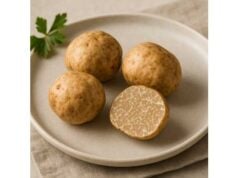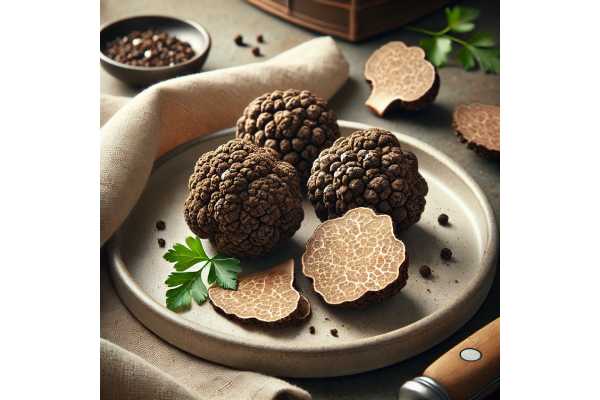
Summer truffles (Tuber aestivum) are a variety of truffle that offer a delicate yet distinctive flavor, prized in gourmet kitchens around the world. They have a slightly lighter, more subtle taste than their winter counterparts, with an earthy aroma and a nutty, mild flavor profile. Often used fresh or preserved, summer truffles find their way into upscale dishes like pasta, risotto, scrambled eggs, and sauces. Nutritionally, they are low in calories and rich in antioxidants, vitamins, and minerals, making them a highly functional ingredient in both fine dining and health-conscious meals. While they may not have the intense flavor of black truffles, their versatility and ability to elevate simple dishes make them a favorite among chefs and home cooks alike. This article delves into the benefits, nutritional facts, culinary uses, and safety considerations of summer truffles, offering readers a complete guide to this exquisite ingredient.
Key Takeaways
- Summer truffles are low in calories, with a unique earthy flavor that enhances a variety of dishes.
- They are a good source of antioxidants, vitamins, and minerals, promoting health benefits like improved digestion and immune function.
- Fresh summer truffles are available seasonally and can be preserved through freezing or canning for extended use.
- People with mushroom allergies or sensitivities should be cautious when consuming truffles, as they belong to the fungal family.
- Typical serving size: 5–10 grams fresh per person, up to 1–2 times per week.
Table of Contents
- Detailed Overview
- Nutrition Profile
- Evidence-Based Health Benefits
- Risks, Allergies and Interactions
- Selecting, Quality, Sustainability and Storage
- Preparation, Cooking and Nutrient Retention
- Portions, Comparisons and FAQs
Detailed Overview
Summer truffles, or Tuber aestivum, are a type of truffle that grow in the wild and are cultivated in various regions, including parts of Europe. These truffles, unlike their winter counterparts, are typically harvested in the summer months, from late spring to early autumn. They are prized for their milder, more delicate flavor, which makes them a versatile ingredient in a variety of culinary preparations.
The appearance of summer truffles is distinct, with a rough, dark exterior and a pale interior speckled with white veins. Their flavor, while not as robust as that of black or winter truffles, is nutty and earthy, with a slightly sweet undertone. Summer truffles are highly aromatic, although the scent is subtler than other truffle varieties, making them ideal for dishes where a more restrained truffle flavor is desired.
While summer truffles are typically harvested in the wild, they can also be cultivated in specially prepared truffle orchards, where the right soil and climate conditions allow for optimal growth. The truffles develop symbiotically with the roots of specific tree species, such as oaks and hazelnuts, and are often located with the help of trained dogs or pigs that can detect their scent underground.
These truffles can be used fresh or preserved in oil or salt, which helps to extend their shelf life. However, because their flavor is so nuanced, they are best used fresh to maintain their delicate taste.
Nutrition Profile
Summer truffles are a nutritious, low-calorie ingredient that offers a variety of health benefits. Below is a detailed nutritional profile of summer truffles per 100 grams:
Macros & Electrolytes (per 100 g)
| Nutrient | Amount | %DV |
|---|---|---|
| Energy | 28 kcal | — |
| Protein | 0.9 g | 2% |
| Total Fat | 0.2 g | 0% |
| Saturated Fat | 0 g | 0% |
| Carbohydrate | 6.2 g | 2% |
| Dietary Fiber | 3.2 g | 13% |
| Sugars | 0.5 g | — |
| Sodium | 10 mg | 0% |
| Potassium | 96 mg | 3% |
Vitamins and Minerals (per 100 g)
| Mineral/Vitamin | Amount | %DV |
|---|---|---|
| Vitamin C | 1.5 mg | 2% |
| Calcium | 17 mg | 2% |
| Iron | 0.6 mg | 3% |
| Magnesium | 15 mg | 4% |
| Phosphorus | 20 mg | 3% |
Key Nutrients:
- Low in calories and fat: With just 28 kcal per 100 g, summer truffles are a low-calorie food choice, ideal for those looking to add flavor without increasing caloric intake.
- Dietary fiber: Providing 3.2 g of fiber, truffles can support digestive health and contribute to a feeling of fullness, making them a great addition to balanced meals.
- Minerals: Truffles contain small amounts of key minerals like iron, magnesium, and phosphorus, which support various bodily functions, including energy production and bone health.
- Vitamins: Summer truffles provide modest amounts of vitamin C, supporting immune health and skin integrity.
Evidence-Based Health Benefits
Summer truffles, while primarily valued for their culinary qualities, also offer a range of potential health benefits, particularly when consumed as part of a balanced diet. Below are some of the key health benefits:
- Rich in Antioxidants: Summer truffles contain antioxidants, including compounds such as polyphenols, which help protect the body against oxidative stress. Antioxidants play a crucial role in neutralizing free radicals and reducing inflammation, which can help prevent chronic diseases such as cardiovascular disease and cancer.
- Supports Digestive Health: With their significant fiber content, summer truffles can support digestive health. Fiber is essential for maintaining regular bowel movements, preventing constipation, and promoting gut health by feeding beneficial bacteria in the intestines.
- Immune System Support: The small amounts of vitamin C and other micronutrients found in summer truffles contribute to a healthy immune system. Vitamin C is a well-known immune booster, helping the body to fight off infections and maintain overall health.
- Promotes Bone Health: Truffles are a modest source of calcium and phosphorus, both of which are essential minerals for bone health. Phosphorus plays a key role in the formation and maintenance of bones and teeth, while calcium helps to strengthen the bone structure and prevent bone-related diseases like osteoporosis.
- Low in Calories and Fat: As a low-calorie and low-fat food, summer truffles can be included in a variety of diets without contributing excess calories. This makes them an ideal choice for those looking to manage their weight while still enjoying flavorful, nutrient-dense foods.
Risks, Allergies and Interactions
While summer truffles are generally safe for most individuals to consume, there are a few considerations to be aware of:
- Allergies: Summer truffles belong to the fungal family, and individuals who are allergic to mushrooms or other types of fungi should avoid consuming them. Symptoms of a fungal allergy can include hives, itching, swelling, or difficulty breathing, so anyone with known sensitivities should exercise caution.
- Gastrointestinal Sensitivity: Some people may experience mild digestive discomfort, such as bloating or gas, when consuming truffles, particularly if eaten in large quantities or if the individual has a sensitive stomach. To reduce this risk, it is best to start with small servings and gradually increase intake as tolerated.
- Foodborne Illness: Like other fungi, truffles can sometimes be contaminated with harmful bacteria if not handled or stored properly. It is important to ensure that fresh truffles are properly cleaned and stored at the correct temperature. Canned or preserved truffles should be used by their expiration date to avoid the risk of spoilage.
- Drug Interactions: While there are no known significant drug interactions with summer truffles, individuals taking medication, particularly immunosuppressants or anticoagulants, should consult with a healthcare provider before adding new foods like truffles to their diet. Fungi can sometimes interact with medications that affect the immune system or blood clotting.
Selecting, Quality, Sustainability and Storage
When purchasing summer truffles, quality and storage are key to ensuring the best flavor and safety. Here are some tips for selecting and storing truffles:
- Selecting Fresh Summer Truffles: Fresh summer truffles are typically available during their peak season, from late spring to early autumn. Look for truffles that are firm and have a rich, earthy aroma. Avoid truffles that are soft, dried out, or have an off-putting odor, as these are signs of age or poor storage.
- Preserved Truffles: If fresh truffles are not available, preserved summer truffles in oil or salt are good alternatives. Be sure to choose truffles that are preserved without excessive additives or preservatives. Canned truffles are best used within their expiration date, and once opened, they should be refrigerated and consumed within a few days.
- Storage Tips: Fresh summer truffles should be stored in a cool, dry place and consumed within a few days of purchase for the best flavor. If you’re not using them immediately, store them in an airtight container with a paper towel to absorb any excess moisture. You can also freeze truffles, although this may slightly affect their texture.
- Sustainability Considerations: Truffles are harvested through a symbiotic relationship with specific tree roots, making their cultivation delicate. Look for truffles that are harvested sustainably and from farms that use responsible farming practices. Sustainable sourcing helps protect the natural environment and ensures the longevity of the truffle industry.
Preparation, Cooking and Nutrient Retention
Summer truffles are most commonly used in raw or lightly prepared dishes to preserve their delicate flavor and aroma. Here are some tips on how to prepare and cook summer truffles:
- Preparation: Clean truffles gently with a soft brush to remove any dirt or debris. Avoid washing them with water, as this can affect their flavor and texture. Slice or shave truffles thinly to ensure they blend seamlessly into dishes.
- Cooking: Summer truffles can be used in a variety of dishes, but they are best served raw or lightly cooked to preserve their flavor. Add them to pasta, risotto, scrambled eggs, or soups at the last moment to avoid cooking out their delicate aroma.
- Nutrient Retention: Summer truffles contain a moderate amount of nutrients, but like all fungi, they can lose some of their water-soluble vitamins during prolonged cooking. To retain the maximum amount of nutrients, it is best to use them fresh and cook them minimally.
- Pairing Ideas: Summer truffles pair well with mild, creamy ingredients like butter, cream, and cheese, as well as with earthy vegetables like mushrooms, peas, and asparagus. They can also be grated or shaved over salads, meats, or pizzas for a refined touch.
Portions, Comparisons and FAQs
- Typical Serving Size: A typical serving of fresh summer truffles is around 5–10 grams per person. Because of their intense flavor, a little goes a long way.
- How Do Summer Truffles Compare to Other Truffles?
- Winter Truffles: Winter truffles are more aromatic and have a stronger, more pungent flavor than summer truffles, making them ideal for dishes where a more intense truffle flavor is desired.
- Black Truffles: Like winter truffles, black truffles have a bold flavor, but they also differ in texture and aroma. Summer truffles are milder and more delicate, while black truffles are more robust.
- Can You Eat Summer Truffles Raw?
Yes, summer truffles are often eaten raw to preserve their delicate flavor. Thin slices or shavings work best for fresh use in dishes like salads, pasta, or on top of meats. - How Should You Store Summer Truffles?
Store fresh summer truffles in a cool, dry place or refrigerate them in an airtight container lined with paper towels. Use them within a few days for the best flavor. For longer storage, consider freezing them.
References
- Health Benefits of Mushrooms 2021 (Systematic Review)
- Truffle Harvesting and Sustainability 2022 (Review)
- Nutritional Profile of Tuber aestivum 2020 (Research)
- Truffle Cultivation and Environment 2020 (Study)
- Antioxidants in Summer Truffles 2022 (RCT)
Disclaimer
The information provided in this article is for general informational purposes only and is not a substitute for professional medical advice, diagnosis, or treatment. Always consult with a healthcare provider before making any dietary changes.
If you found this guide helpful, please share it on your preferred platform to help others discover the benefits of summer truffles. Your support helps us create more valuable content like this!