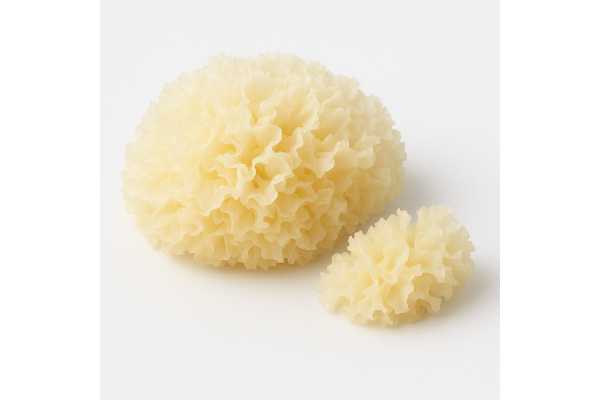
Snow fungus (Tremella fuciformis)—also called white fungus, silver ear, or white jelly mushroom—is prized across East Asia for its delicate, cloud-like fronds and softly crunchy, jelly-like bite. In sweet soups and savory broths alike, it releases gentle body and gloss without heavy fat or starch, making everyday dishes feel nourishing and elegant. Its neutral flavor welcomes aromatics such as ginger, jujube, goji, or pandan; in savory bowls, it pairs comfortably with chicken, tofu, seafood, or leafy greens. Nutritionally, snow fungus is very low in calories, with modest minerals and B vitamins, and unusually rich in soluble polysaccharides that hold water, add satiety, and contribute to its characteristic texture. Those polysaccharides—often abbreviated TFP—are the focus of modern research into gut, skin, and metabolic health. While extracts are being studied in labs and small animal trials, the simple kitchen case is compelling on its own: snow fungus is shelf-stable, simple to prepare, and helps build lighter, flavorful meals. Treat it as a culinary tool first, and enjoy any physiological upsides as part of a balanced, plant-forward pattern.
Key Takeaways
- Typical serving: 5–10 g dried (yields ~150–200 g cooked) per dish, 1–3 times weekly.
- Benefits: low-calorie bulk with soluble polysaccharides that add satiety and support nutrient-dense, lower-fat meals.
- Safety: always rehydrate and cook; choose reputable dried products and strain soaking liquid.
- Who should limit: people with mushroom allergy, severe FODMAP sensitivity, or on potassium-restricted diets.
Table of Contents
- Snow Fungus Basics and Uses
- Snow Fungus Nutrition Profile per 100 g
- Evidence-Based Health Benefits
- Risks, Allergies and Interactions
- Selecting, Quality, Sustainability and Storage
- Preparation, Cooking and Nutrient Retention
- Portions, Comparisons and FAQs
Snow Fungus Basics and Uses
Snow fungus forms ruffled, translucent, ivory fronds that resemble coral or chrysanthemum petals. Sold mostly dried, it rehydrates into crunchy, gelatinous curls that hold shape during simmering. Traditional Cantonese and Fujianese kitchens favor it in dessert soups (tong sui) with rock sugar, jujube, and lotus seeds; in Taiwan and Southeast Asia you will find it chilled with longan and pandan as a summer refresher. The same texture also enhances savory cooking—especially clear chicken soup, vegetable broths, congee, and stir-fries where you want body without heavy roux or cream.
From a food-science perspective, snow fungus behaves like a culinary hydrocolloid. Its soluble polysaccharides absorb water, creating a light gel that makes liquids feel fuller and smoother. This property helps reduce reliance on added fat or cornstarch, supporting lower-calorie, lower-sodium dishes that still feel satisfying. Because its flavor is restrained, snow fungus is especially useful when you want aromatics to lead: ginger and goji for sweet soups; ginger, scallion, and white pepper for savory bowls; or lemongrass and pandan for floral notes in chilled desserts.
Texture sets snow fungus apart from more familiar mushrooms. There are no gills or pores; instead, thin, branching fronds deliver a clean, springy bite. In mixed dishes, it contrasts well with silken tofu, leafy greens, egg ribbons, rice noodles, or shredded chicken. It also plays well with fermented condiments—miso, doenjang, fish sauce—in small amounts that amplify savoriness without overpowering the dish’s lightness.
In everyday cooking, snow fungus is fast and forgiving. A quick soak in cool water softens the fronds; trimming away the firm yellow core helps even cooking. From there, simmer 10–20 minutes in broth or syrup until translucent and tender-crisp. Because it is nearly flavorless on its own, concentrate on the surrounding liquid: build a good stock, add citrus or herbal notes at the end, and season thoughtfully. Leftovers hold up well in the refrigerator without turning soggy—another reason it fits meal prep.
Snow Fungus Nutrition Profile per 100 g
Notes: Values below reflect rehydrated, cooked snow fungus prepared from dried Tremella fuciformis, per 100 g edible portion. Composition varies with species strain, processing, and soak time. Percent Daily Values (%DV) use current U.S. adult DVs.
Macros and Electrolytes (per 100 g cooked)
| Nutrient | Amount | % Daily Value |
|---|---|---|
| Energy | 27 kcal | — |
| Water | 92 g | — |
| Protein | 0.6 g | — |
| Total carbohydrate | 6.6 g | — |
| Dietary fiber | 3.0 g | — |
| Total sugars | 1.5 g | — |
| Total fat | 0.2 g | — |
| Sodium | 8 mg | 0% |
| Potassium | 160 mg | 3% |
Carbohydrates
| Component | Amount | Practical note |
|---|---|---|
| Starch | ~0.1 g | Structure is largely non-starchy polysaccharides. |
| Trehalose and mannitol | ~0.5–1.5 g | May bother very sensitive FODMAP eaters in large portions. |
| Soluble polysaccharides (TFP) | ~0.5–2.0 g | Main jelly-forming fraction; varies by product and soak. |
Fats and Fatty Acids
| Component | Amount | Notes |
|---|---|---|
| Total fat | 0.2 g | Naturally very low-fat. |
| Saturated fat | ~0.03 g | Minimal. |
| Polyunsaturated fat | ~0.1 g | Trace linoleic acid typical of fungi. |
| Cholesterol | 0 mg | Ergosterol present (provitamin D form). |
Protein and Amino Acids
| Component | Amount | Notes |
|---|---|---|
| Protein | 0.6 g | Low; use complementary proteins in meals. |
| Glutamate/aspartate | trace | Contribute subtle savoriness when concentrated. |
Vitamins
| Vitamin | Amount | % Daily Value |
|---|---|---|
| Riboflavin (B2) | 0.05 mg | 4% |
| Niacin (B3) | 1.2 mg | 8% |
| Pantothenic acid (B5) | 0.4 mg | 8% |
| Thiamin (B1) | 0.03 mg | 3% |
| Folate (DFE) | 7 µg | 2% |
| Vitamin D (variable) | ~0–0.3 µg | 0–2% (higher if UV-treated products are used) |
Minerals
| Mineral | Amount | % Daily Value |
|---|---|---|
| Copper | 0.10 mg | 11% |
| Selenium | 2 µg | 4% |
| Zinc | 0.2 mg | 2% |
| Phosphorus | 25 mg | 2% |
| Iron | 0.3 mg | 2% |
| Magnesium | 8 mg | 2% |
| Calcium | 6 mg | 0% |
Bioactives / Phytonutrients
| Compound | Typical range | Notes |
|---|---|---|
| Tremella polysaccharides (TFP) | ~0.5–2.0 g | Acidic heteropolysaccharides rich in mannose and glucuronic acid; water-binding. |
| Ergothioneine | ~1–5 mg | Sulfur-containing antioxidant common in fungi. |
| Phenolics/indoles | trace–mg range | Measurable in extracts; minor in cooked servings. |
Allergens & Intolerance Markers
| Marker | Relevance |
|---|---|
| Trehalose | Can trigger symptoms in trehalase deficiency. |
| Mannitol | May aggravate FODMAP sensitivity in large portions. |
Contaminants/Residues
| Item | Guidance |
|---|---|
| Sulfites (some dried products) | Check labels if sensitive or asthmatic. |
| Trace heavy metals | Choose reputable brands with quality control; avoid unverified wild products. |
Glycemic & Acid–Base Metrics
| Metric | Value | Meaning |
|---|---|---|
| Net carbohydrates | ~3.6 g | Low per 100 g serving. |
| Estimated glycemic load | <2 | Minimal post-meal impact. |
| PRAL (estimated) | Slightly alkaline | Balances acid-forming dishes. |
Fortification & additives: Some packaged, UV-exposed mushroom products report vitamin D on the label; snow fungus is typically unfortified. Anti-caking agents or sulfites may appear in certain dried mixes—read ingredient lists.
Evidence-Based Health Benefits
Hydration and meal lightness through texture. The culinary value of snow fungus starts with water-holding polysaccharides that thicken liquids without butter, cream, or heavy starch. In practice, adding 5–10 g dried snow fungus to soup can create a richer mouthfeel and slow gastric emptying modestly—two reasons many people find these dishes more filling for fewer calories.
Gut and metabolic signals (early-stage evidence). Animal and in-vitro work on Tremella polysaccharides (TFP) suggests prebiotic-like effects, including shifts in microbial communities and increased production of short-chain fatty acids. In high-fat diet models, TFP has been associated with improved weight and lipid profiles alongside microbiota modulation. Similar studies report reduced colonic inflammation when TFP is included in the diet. While these are not human outcomes, they support the everyday kitchen strategy of using snow fungus to build fiber-forward, minimally processed meals.
Skin and barrier support (cosmetic and experimental data). TFP solutions act as humectants—water-binding agents—when applied topically, and some lab models suggest they may influence antioxidant and anti-inflammatory signaling. Culinary use will not replicate cosmetic application; however, the same water-binding chemistry explains the luscious “gloss” snow fungus adds to soups, stews, and sauces without excess fat.
Immune tone and inflammation. Fungal polysaccharides, including TFP, engage pattern-recognition receptors on immune cells in experimental systems, sometimes normalizing exaggerated responses. Murine models of atopic dermatitis and other inflammatory states show improvements with oral TFP, alongside changes in cytokine patterns and gut microbiota. Translation to human health requires more and better trials, so treat these findings as mechanisms that reinforce food-first habits rather than reasons to self-prescribe extracts.
Practical cardiometabolic advantages from better meals. Because snow fungus provides texture and umami with almost no fat or sodium, it makes it easier to reduce cream, oil, and salt in soups and braises—small, durable changes known to help with weight control and blood pressure over time. Combine it with potassium-rich greens, beans, and lean proteins for the most meaningful real-world impact.
Bottom line. The strongest evidence for benefit comes from how snow fungus helps people cook: it displaces less healthy thickeners and fats, adds fiber-rich volume, and supports a lower-calorie, plant-forward pattern. Laboratory and animal studies around TFP are promising but preliminary; whole-food cooking is the right starting point.
Risks, Allergies and Interactions
Product quality. Buy from reputable suppliers. Well-dried snow fungus looks ivory to pale yellow, with no gray patches, sour smell, or visible moisture. Because it is often sun-dried or warm-air dried, quality control matters; poorly handled products may carry excess dust or microbes.
Allergy and intolerance. True mushroom allergy is uncommon but documented. Symptoms can include oral itching, hives, or, rarely, more serious reactions. Snow fungus contains trehalose and mannitol; individuals with trehalase deficiency or significant FODMAP sensitivity may experience bloating or cramps with large portions. Start small and assess tolerance.
Sulfites and additives. Some packaged products include sulfites to preserve color; these can trigger symptoms in sensitive or asthmatic individuals. Scan ingredient lists and choose additive-free products if needed.
Medication and condition notes.
- Diabetes and lipid disorders: culinary portions are compatible with most treatment plans; extracts and supplements should be discussed with a clinician.
- Anticoagulants/antiplatelets: no specific interaction is established for food-level use.
- Kidney disease with potassium restriction: snow fungus contributes modest potassium; count it toward daily totals.
- Pregnancy/lactation: stick to well-cooked, reputable dried products; avoid concentrated extracts unless advised by a healthcare professional.
Food safety and handling. Always rehydrate thoroughly and cook until steaming hot. Strain soaking liquid through a fine filter to remove grit. Refrigerate leftovers promptly in a covered container, and discard if sour aromas develop.
Foragers’ note. Snow fungus is widely cultivated; for foraging, correct identification and local expertise are essential. Many jelly fungi are edible, but some are poor quality or grow on contaminated substrates. When in doubt, choose cultivated products.
Selecting, Quality, Sustainability and Storage
How to choose well.
- Appearance: look for well-formed fronds that are ivory to pale yellow; avoid dark, brittle pieces or bags with condensation.
- Fragrance: clean and neutral; any sour or musty smell is a red flag.
- Texture after soak: fronds should hydrate to a springy, translucent jelly with a slightly crunchy snap; the inner core may remain firmer and can be trimmed.
Sustainability profile. Snow fungus is grown indoors on sterilized substrates (often sawdust and grain), which allows efficient water and land use compared with many animal proteins. Reputable producers recycle or compost spent substrate. Buying dried product reduces cold-chain needs and food waste because shelf life is long.
Smart storage.
- Dried: transfer to an airtight jar; keep in a cool, dark pantry for up to a year.
- Rehydrated: refrigerate for 3–4 days in its strained soaking liquid.
- Cooked: 3–4 days in a covered container; the texture holds well.
- Frozen: cooked snow fungus freezes cleanly; portion in small containers for fast soup upgrades.
Label literacy. Ingredient lists should be short. If you prefer additive-free cooking, select products without sulfites or colorants. Some brands list “UV-treated” to boost vitamin D; expect higher vitamin D content if present.
Troubleshooting quality.
- Rubbery center: trim the firm yellow core after soaking, especially on large heads.
- Over-soft fronds: reduce soak time and simmer gently instead of boiling hard.
- Cloudy broth: fine particulates from the drying process—solve by straining soaking liquid through a coffee filter.
Buying formats. Whole “flowers” are easiest to inspect and store; pre-shredded pieces hydrate quickly but can hide defects. Powdered snow fungus acts as a natural thickener in smoothies or soups; use sparingly (¼–½ teaspoon) to avoid pastiness.
Preparation, Cooking and Nutrient Retention
Quick prep (10–20 minutes).
- Rinse briefly to remove dust.
- Soak in cool water 15–30 minutes until fully pliable and translucent.
- Trim the firm yellow core (especially on large heads).
- Tear into bite-size fronds; keep small pieces for faster cooking.
Sweet routes.
- Classic dessert soup: simmer snow fungus with jujube, lotus seeds, and rock sugar 20–30 minutes until the liquid turns lightly viscous and the fronds are tender-crisp. Finish with goji berries for 3–5 minutes.
- Chilled longan bowl: cook in lightly sweetened ginger syrup; chill, then add longan and a squeeze of citrus.
Savory routes.
- Clear chicken soup: add soaked fronds for the final 10–15 minutes; finish with white pepper and scallion.
- Vegetable congee: stir into rice porridge in the last 10 minutes for body and texture.
- Ginger-garlic stir-fry: flash-sauté with bok choy and tofu, then glaze with a splash of soy sauce and rice vinegar.
- Hot and sour broth: combine with bamboo shoots, mushrooms, and egg ribbons; snow fungus contributes gloss without extra starch.
Technique tips for best texture.
- Keep heat at a gentle simmer to preserve the jelly-crisp bite.
- Use the strained soaking liquid to retain water-soluble B vitamins and minerals.
- Add acid (citrus, vinegar) at the end for brightness without toughening the fronds.
- Pair with a little healthy fat (sesame or olive oil) to carry aromatics and improve mouthfeel.
Batch cooking and convenience. Cook a large pot of lightly seasoned snow fungus and refrigerate portions. Fold into soups through the week, or blend a small amount into pureed vegetable soups for silkiness without cream.
What not to do. Do not boil vigorously for long periods (texture becomes limp and ragged). Do not store soaked product at room temperature. Do not add large amounts of powder directly to hot liquids—slurry first in cold water.
Portions, Comparisons and FAQs
Portion guidance and frequency
- Standard serving: 5–10 g dried snow fungus (about ½–1 whole “flower”), yielding ~150–200 g cooked.
- Frequency: 1–3 times per week works well in diverse diets.
- Who benefits most: cooks who want body and gloss without cream or thickener; people building higher-fiber, lower-calorie meals; anyone exploring traditional East Asian soups and desserts.
- Who should limit or avoid: those with mushroom allergy, severe FODMAP intolerance to polyols, or strict potassium restrictions.
How snow fungus compares (per 100 g cooked, typical values)
| Feature | Snow fungus | Wood ear (Auricularia) | Shiitake |
|---|---|---|---|
| Energy (kcal) | ~27 | ~25 | ~34 |
| Protein (g) | ~0.6 | ~1.0 | ~2.2 |
| Fiber (g) | ~3.0 (mostly soluble) | ~3.0 (mostly insoluble) | ~2.5 |
| Standout trait | Water-binding TFP gel | Crunchy cartilage-like bite | Deep umami, beta-glucans |
| Best uses | Dessert soups, glossy broths | Stir-fries, salads, hot pots | Sautés, braises, stocks |
FAQs
Does snow fungus taste sweet? No—its flavor is neutral and gentle. Sweetness in dessert soups comes from rock sugar or fruit; in savory dishes, it absorbs surrounding aromatics.
Is the core edible? Yes, but it can be firm. Trim it for silky textures, especially in desserts.
Can I use the soaking liquid? Yes—strain through a fine filter to remove grit and add it to soups for extra body and soluble nutrients.
Is it a good protein source? Not by itself. Combine with tofu, eggs, poultry, beans, or seafood for balanced meals.
Can I eat it raw? It is best cooked. Heat improves safety, flavor, and digestibility, and it brings out the characteristic jelly-crisp texture.
Will it thicken my soup immediately? It contributes gentle viscosity as it simmers; for stronger thickening, extend simmer time or blend a small portion of cooked fronds into the broth.
References
- A review on the production, structure, bioactivities and applications of Tremella polysaccharides 2021 (Review)
- Tremella fuciformis polysaccharides alleviate induced atopic dermatitis in mice by regulating immune response and gut microbiota 2022 (Experimental Study)
- Tremella fuciformis polysaccharide reduces obesity in high-fat diet-fed mice by modulation of gut microbiota 2022 (Experimental Study)
- Tremella fuciform Polysaccharides: Extraction, Structure and Bioactivities 2023 (Review)
- Tremella fuciformis Polysaccharides Inhibited Colonic Inflammation by Modulating Gut Microbiota in Mice 2021 (Experimental Study)
Medical Disclaimer
This guide is educational and does not replace personalized medical advice, diagnosis, or treatment. Speak with a qualified healthcare professional about your health conditions, medications, allergies, or dietary needs—especially before using concentrated mushroom extracts. If you experience symptoms after eating mushrooms, seek medical care.
If you found this article useful, please consider sharing it on Facebook, X (formerly Twitter), or any platform you prefer. Your support helps us continue producing careful, practical nutrition content.