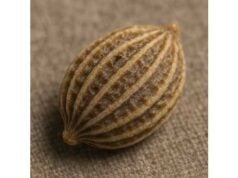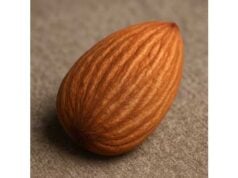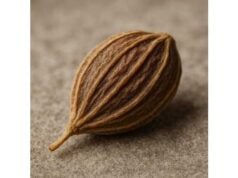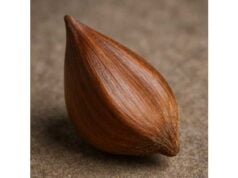
Cashews are the buttery, crescent-shaped seeds of the cashew tree (Anacardium occidentale). Loved for their creamy texture and mild sweetness, they blend into velvety sauces, add crunch to stir-fries and salads, and shine as snacks and nut butters. Nutritionally, cashews deliver plant protein, heart-friendly unsaturated fats, copper and magnesium for energy metabolism, and iron and zinc for immune and tissue health. Compared with other nuts, they’re lower in fiber but outstanding for minerals and culinary versatility: a small handful can upgrade both savory and sweet dishes, while homemade cashew cream offers a dairy-free base for soups, pasta, and desserts. Safety matters too. What supermarkets call “raw” cashews are actually steamed or heat-treated to remove caustic shell oil; truly raw kernels shouldn’t be eaten. This guide explains what to know about cashews—from cultivation and processing to per-100-g nutrition, realistic health benefits, allergy and safety notes, how to choose and store for quality, practical cooking techniques to retain nutrients, and smart portions with everyday comparisons.
Key Takeaways
- Cashews provide unsaturated fats, ~18 g protein per 100 g, and standout minerals (especially copper and magnesium).
- Typical serving: 28 g (1 oz, about 16–18 kernels), enjoyed most days within your calorie needs.
- Safety: supermarket “raw” cashews are heat-treated; avoid truly raw shells/kernels and beware of shell oil exposure.
- Limit or avoid if you have a tree-nut allergy, are on a strict low-oxalate plan, or must restrict potassium or phosphorus (advanced kidney disease).
Table of Contents
- Detailed Overview
- Nutrition Profile
- Evidence-Based Health Benefits
- Risks, Allergies and Interactions
- Selecting, Quality, Sustainability and Storage
- Preparation, Cooking and Nutrient Retention
- Portions, Comparisons and FAQs
Detailed Overview
What cashews are.
Cashews are the kidney-shaped seeds attached to the bottom of a pear-like “cashew apple.” Each seed hides inside a double shell containing a caustic, phenolic liquid (cashew nut shell liquid, or CNSL). Because CNSL can irritate skin like poison ivy (they’re botanical cousins), edible kernels must be carefully heat-treated and shelled before they’re safe to handle or eat. That’s why grocery “raw” cashews are steamed or roasted to neutralize shell oils even if their color looks pale.
Where cashews grow and how they’re processed.
Cashew trees thrive in tropical climates. Major producers include India, Vietnam, Côte d’Ivoire, and other West African countries. Processing typically involves steam-roasting to soften shells, mechanical cracking, manual peeling of the papery testa, grading by size and color (e.g., W240, W320), and gentle drying to stabilize texture and shelf life. Kernels may be left plain, lightly roasted, dry-toasted, or spiced.
Flavor and kitchen roles.
Cashews are mild, creamy, and slightly sweet. That neutrality makes them a “bridge” ingredient: they temper heat in curries, add body to soups and sauces, and provide a clean crunch in salads and trail mixes. Blended with water, they form silky cashew milk or a thicker cashew cream that replaces dairy in many recipes. When toasted, Maillard browning brings a deeper, butter-roasted aroma.
Cashews vs. other nuts.
- Almonds: higher fiber and vitamin E; firmer bite.
- Walnuts: richer in omega-3 ALA but more tannic.
- Pistachios: more fiber per ounce and lutein/zeaxanthin; stronger color and flavor.
Cashews stand out for copper, magnesium, and zinc density, smooth texture, and versatility in both savory and sweet cooking.
Everyday nutrition context.
A 28-g serving fits easily into Mediterranean-style or plant-forward patterns. Because nuts are energy-dense, portions matter; pairing cashews with fruit or vegetables builds volume and satisfaction without overshooting calories.
Sustainability snapshot.
Cashew orchards can diversify smallholder income, and cashew apples are used locally for juice or preserves. Ethical sourcing is important: look for producers who protect workers from CNSL exposure and support fair labor practices. Choosing high-quality nuts and storing them well reduces waste from rancidity.
Nutrition Profile
How to read this section.
Values below are for plain, unsalted cashew kernels per 100 g. Percent Daily Values (%DV) use a 2,000-kcal reference diet. Your actual intake per serving (28 g) is roughly one quarter of the numbers shown.
Macros & Electrolytes (per 100 g)
| Nutrient | Amount | %DV |
|---|---|---|
| Energy | ~553 kcal | — |
| Protein | ~18.2 g | 36% |
| Total fat | ~43.8 g | 56% |
| Saturated fat | ~7.8 g | 39% |
| Monounsaturated fat | ~24 g | — |
| Polyunsaturated fat | ~7.8 g | — |
| Carbohydrate | ~30.2 g | 11% |
| Dietary fiber | ~3.3 g | 12% |
| Total sugars | ~5.9 g | — |
| Sodium | ~12 mg | 1% |
| Potassium | ~660 mg | 14% |
| Water | ~5–6 g | — |
Interpretation: Cashews are energy-dense with a favorable unsaturated-to-saturated fat ratio. Fiber is modest compared with some nuts; minerals are a major strength.
Fats & Fatty Acids (per 100 g)
| Fatty Acid | Amount |
|---|---|
| Oleic acid (18:1 n-9) | ~22–26 g |
| Linoleic acid (18:2 n-6) | ~7–8 g |
| Alpha-linolenic acid (18:3 n-3) | ~0.1–0.2 g |
| Palmitic + stearic acids | ~7–8 g combined |
Context: The profile resembles olive-leaning monounsaturates with modest polyunsaturates; this helps explain cashews’ creamy mouthfeel and roasting behavior.
Protein & Amino Acids (per 100 g)
- Protein: ~18 g with a balanced essential amino acid pattern for a nut.
- Culinary takeaway: In a 28-g serving, ~5 g protein complements legumes and grains in plant-forward meals.
Vitamins (per 100 g)
| Vitamin | Amount | %DV |
|---|---|---|
| Thiamin (B1) | ~0.42 mg | 35% |
| Vitamin B6 | ~0.42 mg | 25% |
| Niacin (B3) | ~1.1 mg | 7% |
| Folate (DFE) | ~25 µg | 6% |
| Vitamin K | ~34 µg | 28% |
| Vitamin E (alpha-tocopherol) | ~0.9 mg | 6% |
| Vitamin C, B12, D | ~0 | — |
Minerals (per 100 g)
| Mineral | Amount | %DV |
|---|---|---|
| Copper | ~2.2 mg | 244% |
| Magnesium | ~292 mg | 69% |
| Iron | ~6.7 mg | 37% |
| Zinc | ~5.8 mg | 53% |
| Manganese | ~1.7 mg | 74% |
| Phosphorus | ~593 mg | 47% |
| Calcium | ~37 mg | 3% |
| Selenium | ~20 µg | 36% |
| Potassium | ~660 mg | 14% |
| Sodium | ~12 mg | 1% |
Bioactives/Phytonutrients
- Phytosterols (e.g., β-sitosterol) and polyphenols in small amounts.
- Antioxidant capacity increases with light roasting but declines if over-browned.
Allergens & Intolerance Markers
- Cashews are a major tree-nut allergen. Reactions can be severe; strict avoidance is required after diagnosis. Cross-contact with other nuts is common in mixed facilities.
Anti-nutrients
- Phytates and oxalates occur naturally. Soaking/roasting reduces phytates modestly. If you follow a low-oxalate diet, moderate portions and rotate nuts.
Contaminants/Residues
- Aflatoxin risk is lower than in some groundnuts but depends on post-harvest handling. Reputable suppliers test and dry properly.
- CNSL (shell oil) is caustic but removed during processing; finished kernels should be free of it.
Glycemic & Acid–Base Metrics
- Glycemic Index: low; Glycemic Load is trivial at typical servings.
- PRAL: slightly acid-forming, common to most nuts and seeds.
Footnote: Values reflect plain, unfortified kernels. Flavored nuts (honey-roasted, salted) increase sugars and/or sodium; cashew beverages are diluted and often fortified—check labels.
Evidence-Based Health Benefits
1) Heart-smart swap for refined snacks and saturated fats
Replacing refined snacks or part of the saturated fat from butter and processed meats with a daily handful of nuts—including cashews—supports a healthier lipid profile. Cashews’ fat pattern is mostly monounsaturated with some polyunsaturates; when they stand in for high-saturated-fat foods, studies consistently show lower LDL cholesterol and improvements in overall diet quality. The effect comes from both the fatty acid swap and the matrix of fiber, sterols, and minerals.
2) Mineral support for energy metabolism and nerves
Cashews are among the richest food sources of copper (crucial for iron transport and antioxidant enzymes) and magnesium (muscle and nerve function, glucose metabolism). A 28-g serving can deliver around half the DV for copper and a healthy share of magnesium, helping close common dietary gaps. Because the nuts are energy-dense, they work best as a replacement—not addition—to your usual calorie budget.
3) Blood pressure and glycemic markers—small but meaningful signals
In the context of calorie-balanced diets, cashew inclusion has shown neutral to modestly favorable effects on blood pressure and glycemic indices in controlled settings. Any benefits are additive to fundamentals (vegetables, pulses, whole grains, physical activity) and depend on what cashews replace in real meals.
4) Satiety and weight management in pattern-level evidence
Nuts’ crunch, fat-protein combo, and chew time promote satiety. Real-world studies suggest that regular nut eaters do not gain excess weight when nuts replace less satiating snacks. In recipes, small amounts of cashew cream can replace heavier dairy sauces while keeping texture luxurious—a win for satisfaction at sensible calories.
5) Gut comfort with thoughtful preparation
Cashew cream disperses fat and adds body to soups and sauces without lactose, which can be helpful for people who avoid dairy. If you’re sensitive to FODMAPs, cashews in small portions often fit better than high-FODMAP desserts; check your personal tolerance.
What these benefits are—and are not
Cashews are not a cure or stand-alone therapy. They’re a tool for building more satisfying, nutrient-dense meals, especially when substituting for refined snacks or saturated fats. The strongest effects come from consistent, pattern-level swaps within an overall healthy diet.
Risks, Allergies and Interactions
Tree-nut allergy
Cashews are a common trigger of severe reactions, including anaphylaxis. If you have a diagnosed tree-nut allergy—or a prior reaction to cashews, pistachios, or mixed nuts—avoid cashews and foods made on shared lines unless cleared by your allergist.
“Raw” labeling and shell oil caution
Truly raw cashews contain CNSL, a caustic shell oil that can burn skin and mucosa. Retail “raw” cashews are actually steam-treated or roasted to remove this hazard; still, do not handle unprocessed shells or buy unknown “raw” kernels from informal sources.
Digestive tolerance and oxalates
Cashews contain oxalates and modest phytates. Most healthy people tolerate typical servings. If you have a history of calcium-oxalate kidney stones and were advised to restrict oxalate, aim for modest portions, pair with calcium-containing foods at meals, and diversify your nut choices.
Sodium, sugar, and flavorings
Honey-roasted and salted mixes can be high in added sugar and sodium. Choose plain, lightly salted, or spice-roasted options and read labels.
Medication and condition considerations
- Kidney disease (advanced): Potassium and phosphorus content may require limits—consult your renal dietitian.
- Weight management: Energy density is high; pre-portion servings rather than eating from the bag.
- Oral allergy syndrome: Rare with cashews but possible; seek care if you notice mouth or throat symptoms.
Food-handling safety
Because cashews are high in unsaturated fats, they can turn rancid if exposed to heat, light, or air. Rancid nuts taste bitter or paint-like—discard them.
When to seek help
Hives, swelling, wheeze, throat tightness, vomiting, dizziness, or fainting after cashew exposure require immediate medical attention.
Selecting, Quality, Sustainability and Storage
How to select
- Grade and size: Common whole-nut grades include W240 and W320 (the number denotes kernels per pound). Larger grades are mostly an aesthetic difference; nutrition is similar.
- Color and aroma: Look for pale ivory to light cream kernels with a sweet, nutty smell and no dark or oily spots.
- Form: Whole kernels keep best; pieces are great for cooking; butter and milk are convenient but check ingredients (added oils/sugars/salt).
Ethical and sustainability cues
- Worker safety: Reputable producers protect shellers from CNSL exposure and provide fair wages.
- Supply chain transparency: Look for voluntary certifications or brands that describe processing and sourcing practices.
- Waste reduction: Buy the amount you can use within a few months; store properly to prevent rancidity.
Storage best practices
- Airtight + cool + dark: Transfer to a sealed glass jar; keep in a cool pantry away from the stove.
- Refrigerate or freeze for longevity: In airtight containers, cashews keep 6–9 months in the fridge and up to a year in the freezer.
- Moisture control: Return nuts to room temperature before opening cold containers to avoid condensation.
- Rancidity check: Off-odors (paint, putty) or bitter taste indicate oxidation—discard.
Quality troubleshooting
- Stale flavor: Toast lightly (160–170 °C, 8–10 minutes) to refresh aroma if nuts are safe but dull.
- Soft texture: Re-crisp on a baking sheet at low heat for a few minutes; cool completely before sealing.
- Clumping in nut butters: Stir to reincorporate; avoid double-dipping to prevent spoilage.
Preparation, Cooking and Nutrient Retention
Roasting and toasting
- Dry roast (oven): Spread cashews on a tray; roast at 160–170 °C (320–338 °F) for 8–12 minutes, stirring once. Aim for light golden; deep browning increases oxidation and can create bitter notes.
- Skillet toast: Medium-low heat, 4–6 minutes, tossing often. Add at the end of stir-fries to retain crunch.
- Oil roast: A small amount of high-oleic oil enhances heat transfer and seasoning adhesion; drain well and season while warm.
Soaking and blending
- Cashew cream: Soak 100 g cashews in hot water 20–30 minutes (or cold water 2–4 hours). Drain, then blend with 150–250 ml fresh water and a pinch of salt until silky. Thin for “milk,” thicken for sauce.
- Why soak? Hydration softens cell walls, improves blending, and may reduce phytates slightly; it doesn’t remove significant calories.
Flavor pairing and layering
- Savory: Garlic, ginger, chilies, scallion, soy or tamari, lime, cilantro, cumin, turmeric.
- Sweet: Cocoa, dates, cinnamon, vanilla, citrus zest, berries, espresso.
- Texture contrasts: Toss toasted cashews over tender vegetables or grain bowls; fold chopped cashews into cookie doughs for crunch.
Nutrient and quality tips
- Add cashews late in moist dishes to keep texture while limiting heat exposure.
- For sauces, blend with part of the cooking liquid to capture soluble flavor and heat the sauce gently after blending.
- To reduce added sodium, season with spices, citrus, and herbs; cashews’ natural sweetness supports lower-salt profiles.
What to avoid
- Excessive heat: Dark roasting drives oil oxidation and flavor loss.
- Long hot holds: Keep cashew-cream sauces below 85–90 °C and avoid boiling to prevent splitting.
- Unsafe “raw” experiments: Do not attempt to process unshelled cashews at home; CNSL is hazardous.
Recipe ideas (portion-savvy)
- Five-minute cashew cream: Blend ½ cup soaked cashews, ½ cup water, 1 tsp lemon juice, pinch salt; use as a dairy-free base for pasta or soups (serves 2–3).
- Ginger cashew stir-fry: Toast ¼ cup cashews; set aside. Stir-fry vegetables with garlic and ginger; finish with the nuts and a splash of soy and lime.
- Chocolate-espresso energy bites: Pulse dates, oats, cocoa, espresso powder, and cashews; roll into 20-g balls for portion control.
Portions, Comparisons and FAQs
How much is a serving?
- Standard: 28 g (1 oz)—about 16–18 kernels, roughly 160–170 kcal.
- How often? Most healthy adults can enjoy a handful most days, replacing less nutritious snacks or part of a meal’s saturated fat.
Are cashews good for cholesterol?
When they replace foods high in saturated fat or refined carbs, cashews support lower LDL cholesterol and a better overall lipid pattern. The benefit comes from the nut matrix and fatty acid swap; keep portions reasonable.
Cashews vs. pistachios vs. almonds
- Fiber: pistachios > almonds > cashews.
- Protein (per 28 g): almonds ~6 g; pistachios ~6 g; cashews ~5 g.
- Minerals: cashews lead in copper and magnesium; almonds lead in vitamin E; pistachios lead in carotenoids (lutein/zeaxanthin). Choose based on your goals and rotate for variety.
Do cashews have omega-3s?
Only trace ALA; walnuts and chia are richer plant sources. Cashews still bring heart-friendly monounsaturates and useful minerals.
Low-FODMAP or gluten-free?
Plain cashews are gluten-free. For low-FODMAP eating, small servings (about 15–18 g) are often better tolerated than a full handful; watch added sweeteners or dried fruit in mixes.
Can kids eat cashews?
Yes, once age-appropriate for choking risk and after allergy assessment. Serve as finely chopped nuts, thin nut butter, or blended into sauces for younger children. Never give whole nuts to children under 4.
What about cashew milk and butter?
- Milk: Often fortified with calcium and vitamin D; low in protein compared with soy or dairy.
- Butter: Creamy and mildly sweet; choose products without added oils or sugars for everyday use.
Budget and storage tips
Buy in bulk only if you can freeze portions. Keep a working jar in the pantry and refill from frozen stock to maintain freshness. Toast small batches for the week rather than all at once.
References
- Nutrition Facts for Cashews (2024)
- Nut consumption and risk of cardiovascular disease, total cancer, and all-cause and cause-specific mortality: a systematic review and dose-response meta-analysis of prospective studies (2016) (Systematic Review)
- Cashew consumption reduces total and LDL cholesterol in adults with type 2 diabetes (2016) (RCT)
- Nuts and cardiovascular disease prevention (2020) (Review)
Medical Disclaimer
This article is for general education only and does not replace personalized medical advice, diagnosis, or treatment. If you have a tree-nut allergy, chronic kidney disease, a history of kidney stones, or specific nutrition goals, consult your healthcare professional or a registered dietitian for individualized guidance. Seek urgent care for symptoms of a severe allergic reaction such as hives, wheeze, throat tightness, vomiting, or dizziness.
If this guide was helpful, please consider sharing it on Facebook, X (formerly Twitter), or any platform you prefer—your support helps us continue creating careful, evidence-based resources.