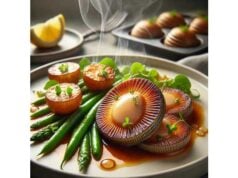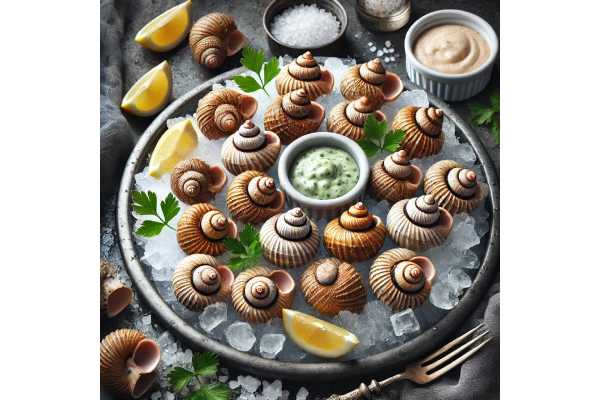
Whelk—an umbrella term for several edible sea snails, including the common waved whelk (Buccinum undatum) and the rapa whelk (Rapana venosa)—is a lean, briny-sweet seafood prized across Northern Europe and East Asia. It brings a firm, pleasantly chewy texture to brothy stews, chilled seafood platters, and noodle soups. From a nutrition standpoint, whelk delivers concentrated protein with very little fat, notable vitamin B12, selenium, iron, and a useful amount of magnesium—nutrients many people underconsume. Because it is often harvested with low-impact pots or traps, it can be a thoughtful alternative to more resource-intensive seafood, provided local stocks are managed well. As with all mollusks, safety depends on harvest waters and proper cooking: raw or undercooked shellfish can carry bacteria and marine toxins. This guide summarizes what to know about whelk—its nutrition profile, science-backed benefits, risks, smart shopping and storing tips, and kitchen techniques that keep its nutrients and flavor intact.
Quick Facts
- High-protein, low-fat mollusk with notable vitamin B12, selenium, iron, and magnesium per 100 g.
- Eat cooked; raw shellfish may carry Vibrio bacteria or algal toxins depending on waters.
- Typical serving: 100–150 g cooked, 1–2 times weekly within a varied seafood pattern.
- People with shellfish allergies, immune compromise, or pregnancy should be extra cautious and follow local advisories.
Table of Contents
- Whelk: Detailed Overview
- Whelk Nutrition Profile
- Whelk Health Benefits
- Risks, Allergies and Interactions
- Selecting, Sustainability and Storage
- Preparation, Cooking and Nutrient Retention
- Portions, Comparisons and FAQs
Whelk: Detailed Overview
“Whelk” refers to several marine gastropods harvested chiefly in temperate waters. Two names appear most in markets: the waved/common whelk (Buccinum undatum), prominent in the North Atlantic and European coasts, and the rapa whelk (Rapana venosa), sold widely around the Black Sea and East Asia. In fishmongers, you may see whole live whelks, parboiled meat sold chilled, or canned cuts labeled simply “whelk” or by local names (e.g., bulot in French markets). The meat is dense and slightly sweet, somewhere between clam and abalone.
Culinarily, whelk is versatile. Quick blanching followed by a marinated chill brings out its clean sea flavor for salads. Slow simmering in savory broths yields slices that keep their shape without turning rubbery. Thin-sliced whelk can be stir-fried with aromatics for a crunchy-tender bite, while ground or minced meat enriches dumpling fillings and seafood patties. Because the flavor is delicate, it pairs well with mild fats (olive oil, butter), soft herbs (parsley, chives), and umami-rich bases (miso, soy, anchovy).
From a nutrition lens, whelk is a lean, protein-forward option with very low total fat and negligible saturated fat. It stands out for vitamin B12—supporting red blood cells and nerve function—and selenium, a trace mineral involved in antioxidant enzymes. Iron, magnesium, zinc, and copper are present at meaningful levels per 100 g, and sodium remains moderate relative to many processed seafoods. Although whelk contains some long-chain omega-3s (EPA and DHA), the amounts are low compared with fatty fish; its value lies more in micronutrients and protein density.
Sustainability can be favorable when stocks are managed and harvests use pots or traps that limit bycatch and habitat damage. As with any wild seafood, regional assessments matter: responsible fishmongers can tell you where the whelk was caught and whether it meets local size or season rules. Proper handling is equally important. Because mollusks accumulate what’s in their waters, sourcing from monitored harvest areas and cooking thoroughly are the two biggest steps you can take for safety.
Whelk Nutrition Profile
Below is a scannable, per-100-gram snapshot for plain cooked or raw whelk meat (edible portion), using common regulatory Daily Values (DVs) for adults. Values are rounded sensibly; use them as practical estimates.
Macros and Electrolytes (per 100 g)
| Nutrient | Amount | %DV |
|---|---|---|
| Energy | 136–137 kcal | — |
| Protein | 23.9 g | 48% |
| Total Fat | 0.4 g | 1% |
| Saturated Fat | ~0.04 g | 0% |
| Carbohydrate | 7.76 g | 3% |
| Fiber | 0 g | 0% |
| Sodium | 206 mg | 9% |
| Potassium | 347 mg | 7% |
| Water | ~67 g (raw) | — |
Fats and Fatty Acids (per 100 g)
| Fatty Acids | Amount | Notes |
|---|---|---|
| EPA (eicosapentaenoic acid) | ~0.0035 g | Very low |
| DHA (docosahexaenoic acid) | ~0.0059 g | Very low |
| Omega-6 (linoleic etc.) | ~0.003 g | Minimal |
| Total cholesterol | ~65 mg | No %DV established |
Protein and Key Amino Acids (per 100 g)
Whelk provides a complete amino-acid profile. Practical highlights: leucine ~3.8 g/100 g (estimate from cooked data), lysine ~3.0 g/100 g—useful levels for muscle maintenance when paired with resistance activity.
Vitamins (per 100 g)
| Vitamin | Amount | %DV |
|---|---|---|
| Vitamin B12 (cobalamin) | ~9.1 µg | ~378% |
| Vitamin B6 (pyridoxine) | ~0.34 mg | 20% |
| Vitamin C | ~4 mg | 4% |
| Choline | ~65 mg (est.) | 12% |
| Vitamin A | ~24 µg RAE | 2% |
| Vitamin D | 0 µg | 0% |
| Vitamin K | ~0.1 µg | 0% |
| Folate | ~6 µg DFE | 2% |
Minerals (per 100 g)
| Mineral | Amount | %DV |
|---|---|---|
| Selenium | ~45 µg | 82% |
| Iron | ~5.1 mg | 28% |
| Magnesium | ~86 mg | 21% |
| Phosphorus | ~141 mg | 11% |
| Zinc | ~1.6–2.0 mg | 15–18% |
| Copper | ~1.04 mg | 115% |
| Calcium | ~57 mg | 4% |
Allergens and Intolerance Markers
Shellfish category (mollusks). Major allergens include muscle proteins such as tropomyosin and sarcoplasmic proteins. Cross-reactivity with crustaceans is variable.
Contaminants/Residues
Levels depend on harvest waters and species; cadmium, lead, and mercury are the main heavy metals monitored in mollusks. Marine biotoxins (e.g., saxitoxins causing paralytic shellfish poisoning) can bioaccumulate through the food chain. Choose regulated sources.
Glycemic and Acid–Base Metrics
Net carbs are modest; whelk is largely protein and water. Practical glycemic impact is minimal when eaten without refined starches. PRAL score is mildly acid-forming, similar to other seafood.
Note on fortification and additives: Plain whelk is unfortified. Flavored, canned, or deli preparations may add sodium or sauces—check labels.
Whelk Health Benefits
1) Protein quality for muscle and recovery
With ~24 g protein per 100 g and a complete amino-acid pattern, whelk supports muscle protein synthesis when paired with resistance exercise and sufficient total energy intake. Its low fat and low energy density help people hit daily protein targets without excess calories—useful in weight-management or high-protein meal patterns.
2) Vitamin B12 for nerves and blood
A single 100 g serving supplies roughly four times the Daily Value of vitamin B12, supporting normal nerve function, DNA synthesis, and red blood cell formation. For people limiting red meat or avoiding fortified dairy, whelk offers a compact way to secure B12 from whole food.
3) Selenium and antioxidant defenses
At around 80% DV of selenium per 100 g, whelk contributes to selenoproteins such as glutathione peroxidases and thioredoxin reductases that help control oxidative stress and support thyroid hormone metabolism.
4) Meaningful iron and copper
Whelk offers ~28% DV iron and ~115% DV copper per 100 g. Iron supports oxygen transport; copper is involved in connective tissue formation and iron mobilization. While copper is often adequate in mixed diets, seafood like whelk can help people on low-meat patterns avoid suboptimal intakes.
5) Magnesium and zinc for metabolism
Magnesium (~20% DV) and zinc (~15–18% DV) support hundreds of enzymes, including those involved in energy metabolism and immune function. A seafood-based source diversifies mineral intake beyond grains and legumes.
6) Lower-sodium alternative to many processed seafoods
Plain cooked whelk typically has ~200 mg sodium per 100 g—considerably less than many smoked, canned, or breaded seafood options. That can help keep daily sodium within recommended limits when you cook from scratch.
7) A flexible option within pregnancy-safe seafood patterns
When sourced from clean waters and fully cooked, whelk can fit into a varied seafood plan that emphasizes low-mercury choices. As always, local advisories and medical guidance should inform decisions during pregnancy.
Practical takeaway: whelk is best used to diversify protein and micronutrients—not as a primary omega-3 source. Build plates with vegetables, whole grains, and healthy fats to balance its mineral-rich, lean profile.
Risks, Allergies and Interactions
Allergy considerations
Whelk belongs to the shellfish category (mollusks). Allergic proteins differ from those in crustaceans like shrimp. Some shrimp-allergic people tolerate certain mollusks, while others react to both. Because cross-reactivity is unpredictable, anyone with shellfish allergy should discuss individualized testing and challenges with an allergist before trying whelk. For confirmed mollusk allergy, complete avoidance is indicated.
Microbiological hazards
Raw or undercooked shellfish can harbor Vibrio bacteria. While oysters are a well-known vehicle, other raw mollusks may also carry risk. Cooking to safe internal temperatures is the most reliable way to inactivate harmful bacteria.
Marine biotoxins (algal toxins)
In some regions, gastropods can accumulate toxins (e.g., saxitoxins) by preying on contaminated bivalves. Harvest closures and routine monitoring reduce this risk in commercial supply chains. Buying from reputable, regulated sources is essential; home-collected shellfish should follow local authority guidance.
Heavy metals
Mollusks can accumulate cadmium, lead, and mercury; concentrations vary by species, age, and harvest area. Occasional consumption from regulated markets typically falls within safety margins, but frequent, large servings—especially from unverified sources—are not advisable. Removing viscera when applicable and choosing smaller individuals may modestly reduce cadmium exposure.
Medication and condition notes
- Gout or hyperuricemia: Shellfish contains purines; sensitive individuals may notice symptom triggers with large portions.
- Sodium restriction: Plain whelk is moderate in sodium; prepared forms (canned, marinated) may be high—check labels.
- Pregnancy and immune compromise: Choose fully cooked products from monitored waters; avoid raw shellfish.
Safe-use summary
- Buy from trusted, inspected suppliers.
- Observe harvest advisories for local foraging.
- Cook thoroughly; avoid raw preparations unless certified and advised safe by local health authorities.
- For allergy history, seek specialist input before trying.
Selecting, Sustainability and Storage
How to choose quality whelk
- Live/whole: Look for shells intact, clean, and heavy for size. The operculum (the “trapdoor”) should be present; avoid cracked shells or strong off-odors.
- Cooked/chilled meat: Flesh should be firm, moist, and cream-to-light tan. Avoid sticky textures, surface drying, or gray discoloration.
- Canned or marinated: Check ingredient lists for added sodium and preservatives; prefer simple brines or water-packed versions if you are watching sodium.
Sustainability pointers
- Whelk is commonly harvested with pots or traps that reduce seabed contact and limit bycatch compared with bottom trawling.
- Ask for catch area and species name. Local size limits and seasons protect breeding stocks; choosing legal-size, in-season catches supports resilience.
- Certifications and regional advisories (when available) can help. In many places, small-scale trap fisheries for Buccinum undatum are considered relatively low impact, but local stock status varies.
Storage and handling
- Live whelk: Keep cool (1–4°C) and well-ventilated; never submerge in fresh water. Cook within 24 hours for best quality.
- Cooked meat (chilled): Refrigerate at ≤4°C in a covered container; use within 2–3 days.
- Freezing: Portion and freeze cooked whelk in airtight bags with minimal air. For best texture, use within 2–3 months. Thaw overnight in the refrigerator.
- Cross-contamination prevention: Keep raw shellfish and their juices away from ready-to-eat foods; sanitize cutting boards and knives.
Label literacy
Look for the species name (e.g., Buccinum undatum), catch area (FAO region or local zone), product form (raw/cooked), packed date, and any advisory statements. Shorter ingredient lists usually indicate less processing and lower sodium.
Preparation, Cooking and Nutrient Retention
Tenderness first: blanch or slow simmer
Whelk muscle is dense. Gentle heat helps. A common approach is a two-stage cook: (1) blanch whole whelks in simmering salted water 3–5 minutes to loosen meat, then extract; (2) return meat to an aromatic broth and simmer gently (80–90°C) for 20–45 minutes depending on size until a skewer meets light resistance. Over-rapid boiling toughens proteins.
Flavor building without excess sodium
Whelk has a delicate sweetness. Use umami-rich but not overly salty bases—kombu, dried mushrooms, tomato paste, roasted garlic, or a splash of wine—to reduce reliance on heavy salting. Finish with olive oil or butter and herbs to carry flavors.
Maximizing nutrient retention
- Vitamin B12 and water-soluble minerals: Limit leaching by keeping cooking liquid for soups, sauces, or grains. Poaching in a closed pot reduces evaporative loss.
- Selenium and iron: Stable to heat; losses are mainly via drips. Save juices.
- Omega-3s: Levels are low to begin with; gentle cooking preserves what is present but prioritize whelk for protein/minerals, not omega-3 intake.
Safe temperatures and doneness
Cook until the center is opaque and firm, typically reaching ≥63°C. For sliced or diced meat, cook just until springy. If you plan to marinate after cooking, chill quickly and keep below 4°C.
Five preparation ideas
- Garlic-herb whelk salad: Slice cooked whelk, toss with lemon, parsley, olive oil; hold chilled.
- Miso-ginger noodle soup: Simmer bones/vegetable stock with kombu; add sliced whelk in the last minutes.
- Whelk and potato stew: Poach in saffron-tomato broth with potatoes and fennel; finish with aioli.
- Quick stir-fry: Flash-sear thin slices with scallion and chili; deglaze with rice wine; serve over greens.
- Seafood dumplings: Mince whelk with cabbage and chives; steam to set filling and serve with citrus-soy.
What to avoid
Under-salting the blanching liquid can leave flavors flat; aim for seawater-like salinity (about 2–3% by weight) for the initial boil, then season more lightly later. Avoid prolonged high heat that creates rubbery textures.
Portions, Comparisons and FAQs
Suggested serving and frequency
A practical portion is 100–150 g cooked whelk (about 3.5–5 oz), eaten 1–2 times per week within a broader seafood rotation emphasizing low-mercury species. For children and during pregnancy, follow age-appropriate serving sizes and choose fully cooked products from monitored waters.
How does whelk compare to other seafood?
- Versus clams/mussels: Similar protein, but whelk tends to deliver more vitamin B12 per 100 g and comparable iron and selenium.
- Versus shrimp: Whelk offers less cholesterol per 100 g than many shrimp servings and more B12 but far less omega-3.
- Versus salmon: Salmon far exceeds whelk for omega-3s and vitamin D; whelk competes on B12 and select minerals with fewer calories per gram of protein.
Budget and availability tips
Buying whole whelk and cooking at home is cost-effective. If you prefer convenience, look for pre-cooked, vacuum-sealed packs with a short ingredient list. Canned whelk can be economical but may be higher in sodium.
Frequently asked questions
Is whelk safe during pregnancy?
Yes—when fully cooked, sourced from monitored waters, and eaten in moderate portions within a varied seafood plan. Avoid raw preparations; pay attention to local advisories.
Can I eat whelk raw?
Raw shellfish increases risk of Vibrio and, in certain areas, algal toxins. Cooking is the safest route for most people.
Does whelk contain mercury?
Mercury in whelk is generally low compared with large predatory fish. Still, heavy metal levels vary by area. Balanced intake and reputable sourcing are key.
If I have a shrimp allergy, can I try whelk?
Not without medical advice. Cross-reactivity is inconsistent; consult an allergist for testing and supervised challenges.
How do I make whelk tender?
Blanch briefly to remove the meat, then gently simmer until just tender. Slice across the grain; avoid rapid, prolonged boiling.
References
- Nutrition Facts for Mollusks, whelk, unspecified, raw 2025.
- Nutrition Facts for Cooked Whelk 2025.
- Advice about Eating Fish 2021 (Guideline).
- Vibrio and Oysters | Vibrio Infection | CDC 2024.
- Nutritional Composition and Safety Aspects of Deep-Sea Whelk (Buccinum tenuissimum) 2024.
Disclaimer
This article provides general nutrition and safety information about whelk and related foods. It does not replace personalized advice from your physician, allergist, or registered dietitian. Always follow local seafood advisories, purchase from reputable suppliers, and cook shellfish thoroughly. If you have (or suspect) a shellfish allergy, seek professional evaluation before consuming mollusks.
If you found this guide helpful, please consider sharing it on Facebook, X, or your favorite platform to support our work. Thank you.