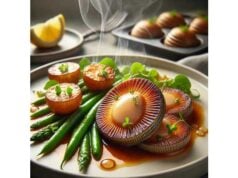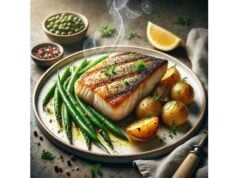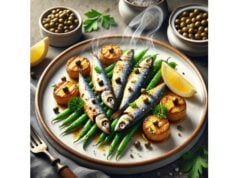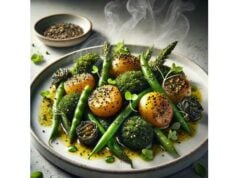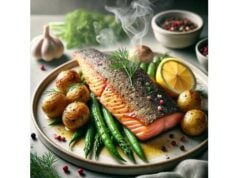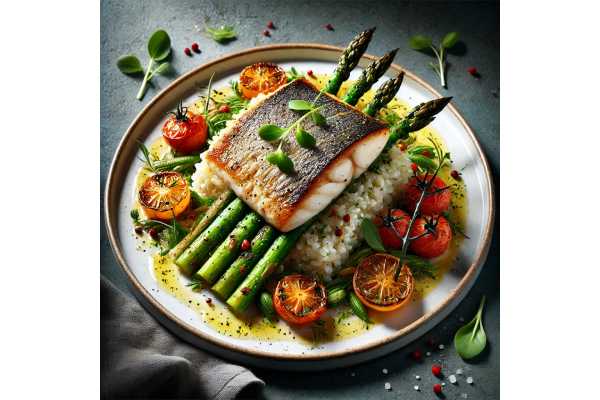
Weakfish (Cynoscion regalis), also called squeteague or gray seatrout, is a lean, mild-tasting coastal fish found along the U.S. Atlantic seaboard. In the kitchen, it behaves like a slightly richer cousin of cod: delicate flakes, quick cooking, and a clean, sweet finish that pairs beautifully with citrus, herbs, and gentle spice. For healthy eating, weakfish delivers high-quality protein with very little saturated fat, plus minerals such as selenium and phosphorus and a modest amount of long-chain omega-3s (EPA and DHA). Because it’s not overly oily, it works for weeknight meals and warmer-weather menus, and its subtle flavor wins over “non–fish lovers.” This guide brings together everything you need: a detailed per-100-gram nutrition profile, evidence-based benefits, clear safety notes (including allergy and raw-fish guidance), sustainability and shopping tips, and kitchen techniques that keep moisture, texture, and nutrients intact.
Top Highlights
- A 100 g raw portion typically offers ~20 g complete protein, ~1.5 g fat, and modest EPA+DHA for heart-friendly eating.
- Practical intake: 90–150 g cooked (3–5 oz) per serving, one to two times weekly within a varied seafood rotation.
- For safety, cook to 63 °C (145 °F) or use validated freezing if serving raw-style dishes; avoid cross-contamination.
- People who are pregnant, breastfeeding, or feeding young children should follow lower-mercury selections and official weekly limits.
Table of Contents
- What Sets Weakfish Apart
- Weakfish Nutrition (per 100 g)
- Evidence-Based Benefits of Weakfish
- Risks, Allergies and Interactions
- Buying Quality, Sustainability and Storage
- Cooking Weakfish and Nutrient Retention
- Portions, Comparisons and FAQs
What Sets Weakfish Apart
Weakfish sits in the drum family (Sciaenidae) alongside croakers and seatrout. Caught from Cape Cod to Florida, it follows coastal migrations that bring it close to shore in spring and summer—why you often see it fresh at seasonal fish markets. The flesh is pale, fine-flaked, and tender, with a lightly sweet aroma. Compared with cod or haddock, weakfish cooks even faster and benefits from gentle handling: a hot pan for crisp edges, a brief roast for even doneness, or a fragrant pouch (en papillote) to keep everything juicy.
Culinarily, weakfish is versatile. The mildness welcomes bright flavors—lemon, orange, yuzu; soft herbs like dill, chives, and parsley; and pantry umami such as miso, capers, or tomato. It shines in quick pan-sears with a lemon-caper finish, sheet-pan meals with vegetables, and brothy dishes where the fish is added at the end so it just turns opaque. Because the fillets are thin, weeknight dinners are genuinely fast. If you’re feeding a mixed crowd, weakfish is a reliable “gateway” fish for people who want seafood’s benefits without intense flavor.
Nutritionally, weakfish is a lean, protein-forward choice. A standard raw 100 g portion provides around 20 grams of complete protein with very little total fat and virtually no carbohydrates. You also get a modest but useful contribution of long-chain omega-3s, which most people underconsume, plus minerals like selenium (an antioxidant cofactor), phosphorus (for bone and cellular energy), magnesium, and potassium. It’s not the heaviest hitter for omega-3s—that’s salmon, sardines, and mackerel—but it fits a rotation that balances calories, flavor, and nutrient diversity across the week.
Finally, practical matters: availability and sustainability. Weakfish supply varies by season and region; transparent origin labeling helps you choose responsibly. Many small-boat fisheries handle fish on ice and sell very fresh fillets—ideal for quick cooking. If you don’t see it fresh, frozen fillets can be excellent thanks to modern blast-freezing; they’re also convenient for planning balanced meals on busy weeks.
Weakfish Nutrition (per 100 g)
Scope and units: Values below reflect raw weakfish per 100 g. Energy in kcal; macronutrients in g; vitamins and minerals in mg or µg. %DV uses contemporary adult Daily Values. Natural variation occurs by season, habitat, and cut. Ranges and notes are provided where helpful.
Macros and Electrolytes
| Component | Amount (per 100 g) | %DV |
|---|---|---|
| Energy | ~100–110 kcal | — |
| Protein | ~20.0–21.0 g | 40–42% |
| Total fat | ~1.3–1.7 g | 2% |
| Saturated fat | ~0.3 g | 1% |
| Carbohydrate | 0 g | 0% |
| Sodium | ~55–70 mg | 2–3% |
| Potassium | ~300–360 mg | 6–8% |
| Water | ~76–78 g | — |
| Cholesterol | ~60–70 mg | — |
Notes: Weakfish is a lean fish with a high protein-to-calorie ratio and negligible carbohydrates.
Fats and Fatty Acids
| Component | Amount (per 100 g) | %DV |
|---|---|---|
| Monounsaturated fatty acids (total) | ~0.4 g | — |
| Polyunsaturated fatty acids (total) | ~0.5 g | — |
| Long-chain omega-3 (EPA + DHA), indicative | ~0.40–0.55 g | — |
| EPA (eicosapentaenoic acid) | ~0.10–0.15 g | — |
| DHA (docosahexaenoic acid) | ~0.30–0.40 g | — |
Notes: EPA+DHA vary by size and diet; weakfish typically carries more DHA than EPA.
Protein and Amino Acids (selected)
| Amino acid | Amount (per 100 g) |
|---|---|
| Leucine | ~1.7–1.9 g |
| Lysine | ~1.9–2.1 g |
| Valine | ~1.0–1.1 g |
| Methionine | ~0.55–0.65 g |
| Histidine | ~0.60–0.70 g |
Notes: Weakfish provides all essential amino acids in proportions favorable for muscle maintenance and repair.
Vitamins
| Vitamin | Amount (per 100 g) | %DV |
|---|---|---|
| Vitamin B12 (cobalamin) | ~1.2–1.8 µg | 50–75% |
| Niacin (vitamin B3) | ~4.5–6.0 mg | 28–38% |
| Vitamin B6 (pyridoxine) | ~0.30–0.45 mg | 18–26% |
| Thiamin (vitamin B1) | ~0.08–0.12 mg | 7–10% |
| Riboflavin (vitamin B2) | ~0.06–0.09 mg | 5–7% |
| Vitamin D (cholecalciferol) | ~1.0–2.0 µg | 5–10% |
| Vitamin E (alpha-tocopherol) | ~0.7–1.2 mg | 5–8% |
Minerals
| Mineral | Amount (per 100 g) | %DV |
|---|---|---|
| Selenium | ~30–40 µg | 55–73% |
| Phosphorus | ~200–230 mg | 16–18% |
| Magnesium | ~28–33 mg | 7–8% |
| Potassium | ~300–360 mg | 6–8% |
| Calcium | ~20–30 mg | 2–3% |
| Iron | ~0.3–0.5 mg | 2–3% |
| Zinc | ~0.4–0.7 mg | 4–6% |
Allergens & Intolerance Markers
- Fin-fish allergen: Weakfish can trigger allergic reactions in individuals sensitive to fish proteins (e.g., parvalbumin).
- Histamine risk: Any fish held warm can produce histamine from spoilage bacteria; strict cold chain is essential.
Contaminants/Residues (context)
- Mercury: Weakfish generally falls into a lower-to-moderate mercury category compared with large predatory fish. Levels vary by size and habitat. Sensitive groups should follow official weekly guidance.
- Other residues: Reputable fisheries monitor contaminants; select transparent suppliers and observe local advisories.
Footnotes
- %DV used: Protein 50 g; Total Fat 78 g; Saturated Fat 20 g; Carbohydrate 275 g; Sodium 2,300 mg; Potassium 4,700 mg; Calcium 1,300 mg; Magnesium 420 mg; Iron 18 mg; Zinc 11 mg; Phosphorus 1,250 mg; Selenium 55 µg; Thiamin 1.2 mg; Riboflavin 1.3 mg; Niacin 16 mg; Vitamin B6 1.7 mg; Vitamin B12 2.4 µg; Vitamin D 20 µg; Vitamin E 15 mg.
- Values reflect composite food-composition data for lean coastal fish of similar fat content; EPA and DHA shown as realistic ranges for weakfish.
Evidence-Based Benefits of Weakfish
1) Protein-dense, calorie-light foundation
With about 20 grams of complete protein per 100 grams and ~100–110 kcal, weakfish offers one of the most favorable protein-to-calorie ratios among commonly available fish. That helps preserve lean mass during weight management and supports post-exercise recovery when paired with resistance training. Because the fish is naturally low in saturated fat, you can keep meals lighter without sacrificing fullness or flavor.
2) Modest long-chain omega-3s to support heart health
Weakfish isn’t a top omega-3 source like salmon, sardines, or mackerel, but it still contributes ~0.4–0.55 g EPA+DHA per 100 g in typical market fish. In real-world diets, the largest benefits come from pattern changes: replacing some red or processed meats with fish improves overall fat quality and adds omega-3s, both of which align with heart-healthy eating guidance. Rotate weakfish with a higher-omega-3 fish once a week for coverage.
3) Selenium and vitamin B12 close common gaps
A single 100 g portion of weakfish can deliver more than half of the Daily Value for selenium, a critical component of antioxidant enzymes that help control oxidative stress and support thyroid function. Vitamin B12—often a concern when people cut back on red meat—comes in at ~50–75% DV per 100 g, supporting red blood cell production and neurological function.
4) Potassium-forward plates for blood-pressure balance
A weakfish entrée naturally keeps sodium modest (when you cook from scratch) and brings ~300–360 mg potassium per 100 g. Building plates with vegetables and whole grains alongside fish improves the meal’s sodium-to-potassium ratio—a useful lever for blood pressure management and overall cardiometabolic health.
5) Digestible, family-friendly flavor and texture
Change sticks when food is enjoyable. Weakfish’s clean taste and fine flake make it a reliable option for kids and fish-cautious adults. It accepts bold flavors without tasting “fishy,” so you can tailor seasonings to the household: lemon-herb for Mediterranean nights, miso-ginger for a Japanese-inspired bowl, or cumin-coriander for a warm, earthy profile.
6) Practical omega-3 strategy through rotation
Think week-to-week: pair one “lean day” fish (weakfish, cod, pollock) with one “rich day” fish (salmon, trout, sardines). This spreads cost, keeps menus interesting, and hits omega-3 targets without supplements for many adults.
How to harness these benefits
- Aim for two seafood meals weekly.
- Use weakfish for quick, lean dinners (skillet, sheet-pan, or parchment).
- Balance the plate with high-fiber sides; keep sauces light but flavorful (citrus, herbs, yogurt, capers).
- Rotate with a higher-omega-3 fish to cover EPA+DHA goals comfortably.
Risks, Allergies and Interactions
Fish allergy
Weakfish is a fin-fish allergen. Reactions range from hives, wheeze, and vomiting to—rarely—anaphylaxis. Individuals with a diagnosed fin-fish allergy should avoid weakfish unless an allergist confirms tolerance. Cross-contact at fish counters and restaurants is common; communicate your needs and consider non-fish options if the allergy is severe.
Parasites and raw or lightly cured dishes
Marine fish can carry parasites such as Anisakis. Cooking to an internal temperature of 63 °C (145 °F) until the flesh is opaque and flakes easily kills parasites. For raw-style dishes (sushi, crudo, ceviche) or cold-smoked fish, use fish that has been frozen under validated time-temperature protocols for parasite destruction, and keep documentation when applicable. Home freezers may not reliably hit or hold the required temperatures; buying previously frozen, raw-intended fish from reputable suppliers is safest.
Histamine (scombroid) illness
Improper storage at warm temperatures allows bacteria to produce histamine in fish. While weakfish is not among the most notorious species, any fish can cause issues if mishandled. Buy from vendors that keep fish on ample ice, transport it home cold, and refrigerate promptly at 0–2 °C.
Mercury and other contaminants
Mercury accumulates with size and lifespan. Weakfish generally ranks lower than large predatory fish but levels vary by water body. Those who are pregnant or breastfeeding and young children should follow national guidance: choose a variety of lower-mercury fish, observe serving sizes, and diversify across the month.
Medication and condition notes
- Anticoagulants: Normal dietary omega-3 intake from fish is compatible with anticoagulant therapy; bleeding risk concerns center on high-dose fish-oil supplements, not food portions.
- Gout/hyperuricemia: Fish contains purines; individuals with gout should manage portions and overall purine load with clinician guidance.
- Thyroid disease: Consistency in iodine intake matters more than avoidance; weakfish provides modest iodine when present, but values vary and are rarely listed.
Safe-use summary
- Keep fish cold from store to fridge; cook within 24 hours, or freeze promptly.
- Cook to 63 °C or use validated freezing for raw-style dishes.
- Prevent cross-contamination with separate boards and knives for raw fish and ready-to-eat foods.
- Follow local advisories for region-specific contaminant or parasite concerns.
Buying Quality, Sustainability and Storage
Choosing high-quality weakfish
- Look: Fillets should be moist and translucent with fine, even grain. Avoid browning, drying, or gaping at the edges.
- Smell: Clean, marine aroma—never sour or ammonia-like.
- Feel: Flesh should spring back gently when pressed.
- Cut for purpose: Even-thickness fillets are best for pan-searing and roasting; slightly thicker center-cut pieces hold texture in soups or chowders.
- Labeling: Prefer packages that specify species, catch area, harvest method, and whether previously frozen.
Sustainability snapshot
Weakfish is a coastal species with regional management. Stock status can change with environmental conditions and fishing pressure; aligning purchases with transparent, science-based fisheries supports resilience. Small-boat fisheries that ice fish quickly often deliver excellent quality. Rotating species (weakfish one week, cod or pollock another) spreads demand and encourages biodiversity on the plate and in markets.
Storage and handling
- Refrigeration: Store at 0–2 °C on a shallow tray with crushed ice or well-chilled packs so meltwater drains away. Plan to cook within 24 hours.
- Freezing: Pat fillets dry; wrap tightly (plastic wrap plus freezer bag) or vacuum-seal; freeze at −18 °C or colder. For best texture, use within 2–3 months. Label with species and date.
- Thawing: Thaw overnight in the refrigerator. For a quick thaw, submerge sealed fillets in cold running water until pliable; dry thoroughly before cooking to encourage browning.
- Pre-portioning: Divide bulk purchases into meal-sized packs before freezing to avoid thaw-refreeze cycles and reduce waste.
Smart shopping to reduce waste and cost
- Buy close to your cooking day when purchasing fresh.
- Keep a backup of high-quality frozen fillets for weeknight flexibility.
- Save trim for fish cakes; if you buy whole fish and are comfortable with food-safe handling, reserve bones for a light stock.
Cooking Weakfish and Nutrient Retention
Weakfish cooks fast. Your goal is a just-opaque center and moist flakes. Overcooking squeezes out moisture and can reduce water-soluble B-vitamins; undercooking is safe only when validated freezing and impeccable hygiene are in place.
Everyday methods that work (and why)
- Pan-sear with a lemon-caper finish: Heat a stainless or cast-iron skillet until hot. Film with a teaspoon of oil per fillet. Sear 2–3 minutes to golden, flip 1–2 minutes, then finish off heat with lemon juice, capers, and a knob of butter. Browning builds flavor via Maillard reactions; the quick finish adds gloss without heavy calories.
- Roast on a citrus bed: Lay fillets on lemon or orange slices, drizzle 1 tsp olive oil per fillet, season lightly. Roast at 200–220 °C for 8–10 minutes (thickness-dependent) to ~63 °C internal. The citrus bed buffers heat and perfumes the fish.
- En papillote (parchment): Wrap fillets with cherry tomatoes, sliced fennel, and herbs plus a teaspoon of olive oil. Bake 10–12 minutes. Steam inside the packet preserves moisture and water-soluble nutrients; pour the juices over the fish.
- Poach gently in court-bouillon: Simmer water with aromatics (leek, bay, peppercorns, parsley stems) and a splash of wine. Poach just below a boil 5–7 minutes. Reserve the cooking liquid for a sauce or to cook grains, recapturing soluble nutrients.
- Brothy bowls: Add bite-sized pieces of weakfish to simmering vegetable or miso broth in the last 3–5 minutes so they set without toughening.
Technique tips to maximize nutrients
- Pull the fish as soon as the thickest part reaches 63 °C (145 °F) or flakes with gentle pressure; rest 1 minute for carryover heat.
- Keep coatings light. A dusting of flour improves browning without masking flavor or adding unnecessary calories.
- Serve cooking liquids (from parchment, poaching, or stew) to capture water-soluble B-vitamins and minerals.
- Pair with potassium- and fiber-rich sides—roasted greens, tomatoes, beans, or whole grains—to balance sodium and improve meal quality.
Flavor pairings that flatter weakfish
- Bright: lemon, orange, capers, dill, chives, parsley
- Aromatic: shallots, leeks, fennel, garlic
- Gentle spice: white pepper, coriander, sweet paprika
- Texture accents: toasted almonds or pine nuts; olive-oil breadcrumbs with herbs
Quick recipe: Weeknight Lemon-Dill Weakfish
- Pat fillets very dry; season with ~¼ tsp salt per 450 g fish.
- Sear in 1 tsp neutral oil per fillet, 2–3 minutes. Flip and cook 1–2 minutes more.
- Off heat, add 1 tbsp chopped dill, juice of ½ lemon, and 1 tsp butter; swirl.
- Serve immediately with boiled potatoes and green beans.
Grilling note: Oil grates and fish lightly; preheat well. Grill skin-side down most of the time, finishing briefly flesh-side to avoid overcooking.
Portions, Comparisons and FAQs
How much should I eat?
For most adults, two seafood meals per week is a practical goal. For weakfish, a typical cooked portion is 90–150 g (3–5 oz). If you enjoy raw-style dishes, ensure validated freezing for parasite control and count those servings toward your weekly total. Sensitive groups should follow national guidance for serving sizes and frequency.
How does weakfish compare with cod, pollock, and salmon?
- Versus cod: Both are lean with similar calories and mild flavor. Weakfish often has a slightly finer flake and cooks a touch faster; nutrition is comparable across protein and minerals.
- Versus pollock: Pollock is likewise lean and mild; weakfish may taste a bit sweeter. Omega-3 contributions are modest for both.
- Versus salmon: Salmon delivers much more omega-3 (often 1.5–2.5 g EPA+DHA per 100 g) and more vitamin D. Weakfish is lighter in calories and saturated fat per gram of protein. A rotation balances both goals—omega-3 intake and calorie control.
- Versus trout: Trout sits between weakfish and salmon in fat and omega-3s. All three are excellent in a varied plan.
Is weakfish good for weight management?
Yes. It’s protein-dense, satisfying, and easy to pair with vegetables and whole grains. Keep an eye on sauces and sides to limit hidden calories and sodium.
Pregnancy and breastfeeding
Choose a variety of lower-mercury fish, cook thoroughly, and keep weekly totals within official advice. Weakfish typically fits well, but diversify across the month and avoid raw preparations unless specifically advised safe by local health authorities.
Best budget and availability tips
High-quality frozen fillets (individually quick frozen) offer excellent value and convenience. Thaw properly, pat very dry, and cook hot and fast for best browning. If you find a good price on fresh fish, portion and freeze promptly at home for future meals.
Bottom line
Weakfish is a lean, adaptable fish that makes meeting seafood goals easy. Use it as a protein anchor for fresh, plant-forward plates, rotate with a richer fish for omega-3 coverage, and handle it cold and quickly for peak flavor and safety.
References
- Advice about Eating Fish 2024 (Guideline)
- About Anisakiasis 2024
- Fish and Omega-3 Fatty Acids 2024 (Guideline)
- Weakfish Age Determination Methods – Northwest Atlantic Species 2024
- Omega-3 Fatty Acids – Health Professional Fact Sheet 2022
Disclaimer
This guide offers general nutrition, culinary, and safety information for weakfish. It is not a substitute for individual medical advice, diagnosis, or treatment. Consult a qualified health professional about allergies, pregnancy and breastfeeding nutrition, medication interactions, or specific dietary needs. Follow national seafood guidance on portions and frequency, use validated freezing or thorough cooking for raw-style dishes, and keep fish properly chilled from purchase to plate.
If this article was useful, please consider sharing it on Facebook, X (formerly Twitter), or your preferred platform. Your support helps us continue producing clear, reliable food and nutrition resources.