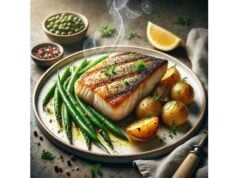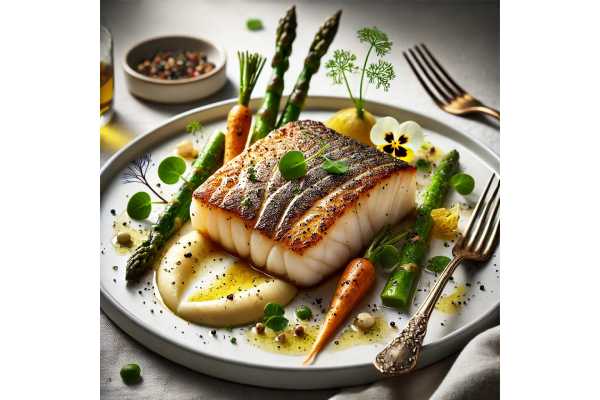
Turbot (Scophthalmus maximus) is a prized European flatfish with firm, delicate white flesh and a clean, slightly sweet flavor. Chefs love it because the fillet holds together under heat, takes searing beautifully, and shines with simple seasoning or refined sauces. From a nutrition standpoint, turbot is a lean fish: it delivers high-quality, complete protein with very little saturated fat and a meaningful contribution of long-chain omega-3s (EPA, DPA, and DHA). It also supplies selenium and iodine—two minerals many people underconsume. While mercury is generally lower than in large pelagic predators, sourcing and portion planning still matter for certain groups. Whether you buy farmed or wild-caught, careful storage and gentle cooking protect both texture and nutrients. This guide brings together the practical details: the numbers that matter per 100 grams, the strongest evidence for health benefits, who should limit intake, how to select and store superior quality, and the best ways to cook turbot without drying it out.
Nutrition Snapshot
- Lean, firm white fish with ~16 g protein and ~0.7 g total omega-3 per 100 g; notable selenium and iodine.
- Typical cooked portion: 4–6 oz (113–170 g) once or twice weekly within your overall seafood plan.
- Fish allergy applies; observe cold-chain handling to avoid spoilage; mercury is generally low to moderate.
- People who are pregnant, breastfeeding, or feeding young children should favor consistently lower-mercury species more often and follow national advisories.
Table of Contents
- Turbot basics and context
- Turbot nutrition profile
- Evidence-based benefits of turbot
- Risks, allergies and interactions
- Selecting, quality, sustainability and storage
- Preparation, cooking and nutrient retention
- Portions, comparisons and FAQs
Turbot basics and context
Turbot is a large, diamond-shaped flatfish native to the Northeast Atlantic, North Sea, Mediterranean, and Black Sea. Unlike round fish, it’s laterally compressed with both eyes on the left side. Wild turbot lives over sandy or mixed bottoms and feeds on smaller fish and invertebrates, which contributes to its mild, clean taste. You may also see farmed turbot from Spain, France, China, and other countries; aquaculture has grown steadily to meet demand for consistent size, freshness, and year-round availability.
Culinary appeal is where turbot stands out. Its flesh is firm yet fine-flaked, resisting the dryness that can plague very lean white fish. It browns well in a pan or under high oven heat and pairs elegantly with butter, lemon, capers, chanterelles, or a classic sauce like beurre blanc. Because the flavor is delicate, restraint pays off: salt early, sear hot, and finish with acidity and herbs. Turbot is also excellent steamed or gently poached for sauces with tarragon, chive, or dill.
Nutritionally, turbot is very lean—think of it as the “white-meat” counterpart to oilier fish like salmon or mackerel. Even so, it contributes a meaningful amount of long-chain omega-3 fatty acids, especially EPA and DHA, and adds selenium and iodine that support antioxidant defenses and thyroid hormone production. For people aiming to increase seafood variety while keeping saturated fat low, turbot is an easy win.
Sourcing has nuances. Many wild fisheries are small and regional; farmed turbot can be a smart choice when traceable and well-managed. As with any fish, freshness and cold-chain integrity determine eating quality as much as origin. The best fillets are moist, faintly translucent when raw, and smell of the sea rather than “fishy.” Buy close to the cook date or freeze promptly for later.
Turbot nutrition profile
Basis: Raw, per 100 g edible portion. Values below reflect commonly reported composition for turbot (Scophthalmus maximus). %DV uses adult Daily Values for U.S. labeling (protein 50 g; total fat 78 g; saturated fat 20 g; sodium 2,300 mg; potassium 4,700 mg; phosphorus 1,250 mg; selenium 55 µg; iodine 150 µg; vitamin D 20 µg; vitamin B12 2.4 µg; niacin 16 mg; vitamin B6 1.7 mg). Sensible rounding applied.
Macros & Electrolytes (per 100 g)
| Nutrient | Amount | %DV |
|---|---|---|
| Energy (kcal) | 85 | — |
| Protein (g) | 15.9 | 32% |
| Total Fat (g) | 2.4 | 3% |
| Saturated Fat (g) | 0.5 | 3% |
| Carbohydrate (g) | 0.0 | 0% |
| Sodium (mg) | 73 | 3% |
| Potassium (mg) | 290 | 6% |
| Cholesterol (mg) | 54 | — |
Fats & Fatty Acids (per 100 g)
| Component | Amount | Notes |
|---|---|---|
| Total Fat (g) | 2.4 | Lean profile; good for low-fat plans. |
| Polyunsaturated Fat (g) | 0.9 | Includes long-chain omega-3s. |
| Omega-3 Total (g) | 0.7 | Food-first source of EPA, DPA, DHA. |
| EPA (g) | 0.3 | Long-chain omega-3. |
| DPA (g) | 0.1 | Intermediate omega-3. |
| DHA (g) | 0.2 | Long-chain omega-3 supporting brain and eye health. |
| Trans Fat (g) | 0 | Naturally negligible. |
Protein & Amino Acids
Turbot provides complete, high-biological-value protein (~16 g/100 g). A typical 6 oz (170 g) cooked serving yields ~28–30 g protein after moisture loss—enough to anchor a balanced lunch or dinner while keeping calories modest.
Vitamins (per 100 g)
| Vitamin | Amount | %DV | Role |
|---|---|---|---|
| Vitamin D (µg) | 1.7 | 9% | Bone, immune function; varies by season/diet. |
| Niacin (Vitamin B3) (mg) | 6.1 | 38% | Energy metabolism; skin health. |
| Vitamin B6 (mg) | 0.3 | 18% | Amino-acid metabolism, neurotransmitters. |
| Vitamin B12 (µg) | 0.8 | 33% | Red blood cell formation; nerve health. |
| Folate (µg) | 16 | 4% | DNA synthesis; low but additive in diet. |
Minerals & Trace Elements (per 100 g)
| Mineral | Amount | %DV |
|---|---|---|
| Selenium (µg) | 30 | 55% |
| Iodine (µg) | 35 | 23% |
| Phosphorus (mg) | 160 | 13% |
| Magnesium (mg) | 19 | 5% |
| Calcium (mg) | 16 | 1% |
| Zinc (mg) | 0.6 | 5% |
| Iron (mg) | 0.2 | 1% |
Allergens & Intolerance Markers
- Fish is a major allergen. Turbot contains typical fish muscle proteins (e.g., parvalbumins) capable of provoking reactions in sensitized individuals.
- Histamine development is uncommon in properly handled flatfish but can occur with poor temperature control; keep fish well-chilled.
Contaminants/Residues
- Mercury: generally low to moderate in turbot relative to large predatory species; values vary by region and size.
- Sodium: fresh fillet is naturally modest in sodium; smoked/cured products can be higher.
Interpretation
Per 100 g, turbot offers a light calorie load, ~32% of the protein DV, modest long-chain omega-3s, and notable selenium and iodine. Combined with its culinary versatility, turbot fits well in heart-conscious eating patterns and mixed cuisine menus. For higher omega-3 targets, rotate it with oilier fish during the week.
Footnote on data: Values reflect raw fish and vary with habitat, season, and farming practices. Cooking methods change water and fat content; grill/pan-sear concentrates nutrients per cooked ounce because of moisture loss.
Evidence-based benefits of turbot
1) Supports heart-healthy eating patterns
Regular fish intake is associated with favorable cardiovascular outcomes in large reviews of observational and interventional research. The most consistent benefits relate to triglyceride lowering and risk reduction in specific high-risk groups when long-chain omega-3 intake is adequate. Turbot’s omega-3 content is modest but additive; including it once or twice a week helps move overall intake toward recommended seafood targets. For people who prefer leaner fish, turbot supplies omega-3s without the richness of salmon.
2) High-quality protein with fewer calories
A 6 oz cooked portion of turbot delivers roughly 28–30 g of complete protein at a modest calorie cost. Higher protein meals enhance satiety and help preserve lean mass during weight loss or periods of reduced training. Compared with higher-fat meats, turbot allows you to keep total saturated fat low while still meeting protein needs.
3) Selenium and iodine—small fish, big impact
Many adults fall short on selenium and iodine. Per 100 g, turbot typically provides ~55% DV for selenium and ~23% DV for iodine. Selenium supports antioxidant enzymes (selenoproteins) that defend cellular membranes from oxidative stress, while iodine is essential for thyroid hormones that regulate metabolism, growth, and neural development. These minerals are “quiet contributors” you get automatically when fish shows up on the plate.
4) Digestibility and meal planning advantages
Fish protein is highly digestible and quick-cooking, which makes it weeknight-friendly. Turbot’s firm texture resists crumbling; it’s easy to portion for grilling, pan-roasting, or steaming. Because the flavor is mild, it suits varied palates—from Mediterranean herb sauces to East Asian soy-ginger glazes—making seafood adoption easier in mixed households.
5) Balanced perspective on omega-3 supplements versus food
Evidence for omega-3 supplements is mixed by dose, formulation, and baseline risk. Some analyses show modest cardiovascular benefit, especially at higher EPA doses in select populations, while others emphasize food-first strategies. Turbot helps you meet seafood frequency targets within meals you already enjoy; if higher omega-3 dosing is clinically indicated, that should be guided by a clinician, not by general supplementation.
Bottom line:
Turbot is a lean, approachable fish that contributes complete protein, selenium, iodine, and long-chain omega-3s. On its own it won’t match salmon’s omega-3 density, but as part of a varied seafood rotation it meaningfully improves diet quality.
Risks, allergies and interactions
Mercury and frequency
Turbot tends to have lower mercury than large pelagic predators (e.g., swordfish), though levels vary by region and fish size. For most healthy adults, turbot can fit into a weekly seafood plan alongside other species. People who are pregnant, trying to conceive, breastfeeding, or feeding young children should prioritize species consistently categorized as lower in mercury and follow national fish-advice charts for specific frequency and portions. When choosing turbot in these windows, keep portions modest and rotate with lower-mercury fish.
Allergy and cross-contact
Fish allergy can be severe and is distinct from shellfish allergy. Individuals with a diagnosed fish allergy should avoid turbot and discuss testing with an allergist if uncertain. In markets and restaurants, cross-contact with other fish or shellfish can occur; communicate needs clearly.
Foodborne safety
- Keep fish at or below 4°C (40°F); refrigerate promptly and cook within 24–48 hours of purchase.
- Cook to 63°C (145°F) internal temperature for general safety unless using validated sushi-grade protocols.
- Time-temperature abuse raises histamine risk in some fish groups; while flatfish like turbot are less commonly implicated than scombroid species, proper chilling still matters.
Medication and nutrient considerations
- Anticoagulants/antiplatelets: Dietary omega-3 amounts in a turbot meal are modest; interactions are unlikely at food doses, but follow clinician guidance if using high-dose omega-3 prescriptions.
- Kidney disease: Turbot contributes phosphorus and potassium; those on restricted diets should fit portions into their daily limits.
- Sodium: Fresh turbot is low in sodium; smoked, brined, or sauced preparations may not be—check labels and recipes.
Who should limit or avoid turbot
- Individuals with fish allergy.
- People in pregnancy and early childhood windows who are prioritizing the lowest-mercury choices should include turbot less frequently and favor consistently low-mercury fish.
- Patients on strict protein or mineral-restricted diets (medical supervision required).
Selecting, quality, sustainability and storage
At the counter: how to spot premium turbot
- Appearance: Fillets should be moist and glossy, not dull or dry. Skin (if present) shows natural speckling; flesh should be creamy white to faintly translucent when raw.
- Aroma: Clean, ocean-fresh—never sour or “fishy.”
- Texture: Firm and resilient; it should spring back when pressed.
- Cut: Center-cut loins cook evenly; thinner tail portions are great for steaming or quick sautés.
- Frozen product: Prefer vacuum-sealed packs without frost or broken seals; minimal ice crystals indicate better handling.
Farmed vs. wild
- Farmed turbot offers consistent supply, portion sizes, and pricing. Look for producers with transparent feed and water-quality practices, responsible waste management, and third-party audits.
- Wild turbot is often seasonal and limited; traceable catches from well-managed fisheries are a premium option. Ask about harvest area and method (e.g., trawl impacts vary by substrate; hook-and-line is more selective).
Sustainability pointers
- Favor traceable sources and reputable retailers that disclose origin and production method.
- Consider local and regional options to reduce transport footprint when quality is comparable.
- When restaurant dining, ask which species is served—“turbot” can occasionally refer to Greenland turbot (a different flatfish) in some markets; both are excellent but differ in management regimes.
Storage at home
- Refrigerate (≤4°C / ≤40°F): Cook within 1–2 days. Store on a tray of ice in the coldest part of the fridge.
- Freeze (≤−18°C / 0°F): For best quality, use within 3–4 months. Wrap tightly or vacuum-seal to prevent freezer burn.
- Thaw safely: Overnight in the refrigerator. For quicker thawing, keep sealed and submerge in cold water, changing the water every 30 minutes; cook immediately after thawing.
- Leftovers: Refrigerate promptly and eat within 3 days.
Minimizing waste
- Portion and freeze the same day you buy if you will not cook within 24–48 hours.
- Save cooked flakes for next-day salads, tacos, or grain bowls.
- Use fish bones and trimmings (from whole fish) to make a quick fumet for sauces or soups.
Preparation, cooking and nutrient retention
Because turbot is lean and fine-flaked, the culinary goal is gentle doneness plus moisture management. Overcooking makes it dry; a little carryover heat is your friend.
Core technique principles
- Dry, season, rest: Pat fillets dry; salt lightly 20–40 minutes ahead (a quick dry-brine for even seasoning).
- Sear hot, finish moderate: Brown in a hot pan 1–2 minutes per side, then finish in a 190–205°C (375–400°F) oven for a few minutes until just opaque.
- Stop at medium to medium-well: Remove when the thickest point turns opaque and flakes with gentle pressure; it will finish with carryover heat.
- Add fat thoughtfully: Brush with olive oil or finish with a knob of butter or a citrus-herb oil to boost tenderness and mouthfeel.
- Rest briefly: Let cooked fish sit 2–3 minutes before serving to retain juices.
Methods that suit turbot
- Pan-roast: Sear in a mix of neutral oil and a little butter; add garlic, thyme, and lemon zest; baste; finish in the oven.
- Steam/poach: Gentle heat keeps moisture and preserves B-vitamins; finish with chive-lemon vinaigrette.
- Roast on the bone: If you can get bone-in turbot, roasting yields exceptional moisture and flavor.
- Sous vide (advanced): 50–53°C (122–127°F) for 30–40 minutes, then a quick pan sear; safe only with strict hygiene and immediate service.
- Grill: Best with thicker loins or bone-in steaks; oil grates well and manage heat to avoid sticking.
Nutrient-retention tips
- Short cooking times minimize loss of water-soluble vitamins (B6, niacin).
- Moist heat (steam/poach) is gentler on B-vitamins than prolonged high dry heat.
- Serve with nutrient-dense sides—leafy greens, brassicas, pulses, and whole grains—for dietary balance, since lean white fish is naturally modest in fat-soluble vitamins.
Flavor pairings
- Bright/herbal: Lemon, capers, parsley, chive, tarragon, dill.
- Savory/umami: Brown butter, anchovy-garlic butter, miso, soy-ginger glaze.
- Vegetable companions: Asparagus, fennel, leeks, new potatoes, spring peas.
- Finishing sauces: Beurre blanc; citrus beurre monté; salsa verde; light velouté with fish fumet.
Food safety temperatures
- General guidance: cook to 63°C (145°F) internal temperature at the thickest point unless you’re following specific raw/undercooked protocols with validated freezing and handling.
Portions, comparisons and FAQs
Portion guidance
- Standard adult portion: 4–6 oz cooked (113–170 g), usually cut from a 5–7 oz raw piece (allowing for moisture loss).
- Weekly frequency: Within an overall seafood plan, enjoy turbot 1–2 times weekly, rotating with oilier fish for higher omega-3 intake and with very low-mercury fish to diversify exposure.
How turbot compares with similar fish (per 100 g, raw—typical ranges)
| Feature | Turbot | Halibut | Cod | Salmon |
|---|---|---|---|---|
| Energy (kcal) | ~85 | ~90–110 | ~80–90 | ~180–200 |
| Protein (g) | ~16 | ~19–21 | ~17–18 | ~20 |
| Total fat (g) | ~2.4 | ~1–3 | ~0.5–1 | ~10–13 |
| Omega-3s (g) | ~0.7 | ~0.4–0.6 | ~0.2–0.3 | ~1.5–2.0 |
| Texture | Firm, fine-flaked | Firm, meaty | Flaky, delicate | Tender, rich |
| Flavor | Mild, slightly sweet | Mild-sweet | Mild, very clean | Rich, pronounced |
FAQs
Is turbot considered a “white fish”?
Yes. It’s a white, lean fish with a firm texture and fine flakes—more refined than cod, less meaty than halibut.
Does turbot have bones?
Boneless fillets are typical, but a few pin bones can remain. Remove with tweezers. Whole or bone-in turbot yields exceptional moisture when roasted.
Can I eat turbot undercooked?
For general households, cook to 63°C (145°F). If serving lightly cooked or raw preparations, use expert-trusted sources and validated freezing protocols.
Does turbot contain a lot of mercury?
Typically lower than large predatory species. Still plan portions with national fish-advice charts, especially during pregnancy and early childhood.
What sauces pair best?
Brown butter and lemon; capers and parsley; chive-citrus vinaigrette; miso-ginger; classic beurre blanc.
Is farmed turbot a good choice?
It can be—particularly when traceable producers manage water quality and feed responsibly. Ask retailers about origin and standards.
References
- Advice about Eating Fish 2024 (Guideline).
- Turbot, raw 2023.
- Effect of omega-3 fatty acids on cardiovascular outcomes: A systematic review and meta-analysis 2021 (Systematic Review).
- Fish consumption in multiple health outcomes: an umbrella review of meta-analyses of observational and clinical studies 2023 (Systematic Review).
- Turbot – Cultured Aquatic Species 2025.
Disclaimer
This guide is for general education and is not a substitute for personalized medical advice, diagnosis, or treatment. Seafood choices, portion sizes, and frequency should reflect your health status, medications, and life stage. If you are pregnant or breastfeeding, managing cardiovascular or kidney disease, taking anticoagulants, or have food allergies, consult a qualified health professional for individualized guidance.
If you found this article useful, please consider sharing it on Facebook, X (formerly Twitter), or any platform you prefer. Your support helps us continue creating clear, trustworthy nutrition resources.