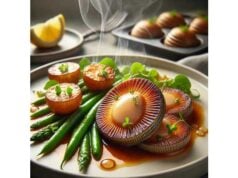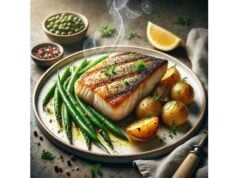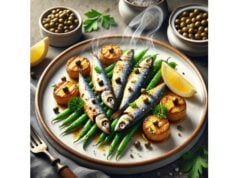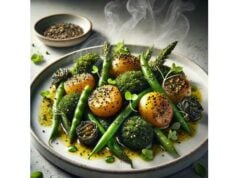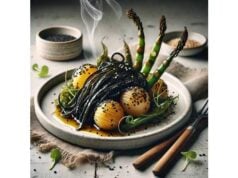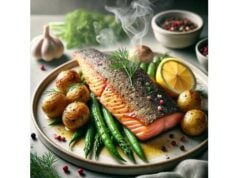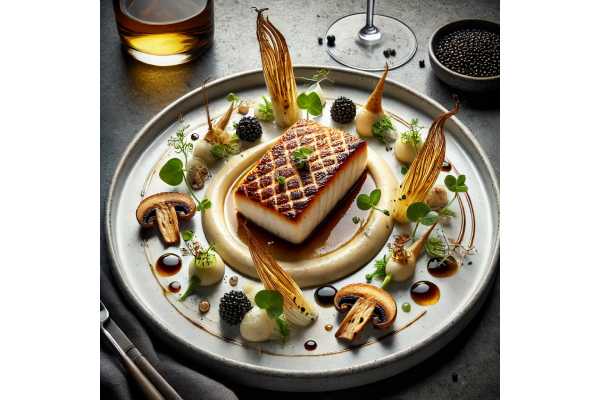
Sturgeon offers a distinct place on the table: firm, mild flesh that cooks like a steak, plus caviar—one of the world’s most storied delicacies. A 100-gram cooked portion is lean yet satisfying, delivering complete protein, meaningful vitamin D, vitamin B12, niacin, and useful omega-3 fats with zero carbohydrates. Modern harvests are increasingly farmed under controlled conditions, improving availability and consistency while supporting conservation of wild stocks. Still, sturgeon are long-lived fish, which raises questions about contaminant buildup in some environments and underscores the value of smart sourcing, careful handling, and thoughtful portions. This guide walks you through what to know—from a precise nutrition profile and evidence-based benefits to mercury guidance, buying tips, sustainable choices, and kitchen methods that keep the flesh succulent and nutrients intact.
Quick Overview
- 100 g cooked sturgeon provides ~21 g protein, ~0.43 g omega-3s, and notable vitamin D and B12 with 0 g carbs.
- As long-lived fish, some sturgeon can accumulate mercury; choose trusted sources and limit frequency.
- Typical serving: 100–150 g cooked, enjoyed occasionally within a varied seafood pattern.
- People who are pregnant, trying to conceive, breastfeeding, or serving young children should choose low-mercury fish instead of sturgeon.
Table of Contents
- Sturgeon at a Glance
- Nutrition Profile per 100 g
- Evidence-Based Health Benefits
- Risks, Allergies and Interactions
- Selecting, Sustainability and Storage
- Cooking and Nutrient Retention
- Portions, Comparisons and FAQs
Sturgeon at a Glance
Sturgeon (family Acipenseridae) are ancient, slow-growing fish valued both for their firm, ivory-to-rose-tinted muscle and for roe processed into caviar. The meat is pleasantly mild with a dense, almost veal-like texture that handles searing, grilling, smoking, and roasting without flaking. That resilience makes it forgiving for home cooks and practical for kebabs, cutlets, or hearty fillets that carve like steaks.
Nutritionally, cooked sturgeon is a lean, high-protein choice with no carbohydrates and modest fat that includes long-chain omega-3s (EPA, DPA, DHA). It’s also a useful source of vitamin D and vitamin B12—nutrients many people underconsume—along with niacin, phosphorus, potassium, and magnesium. Because it’s less oily than salmon or sardines, the omega-3 total per portion is lower, but still meaningful when combined with other seafood across the week.
Sourcing shapes quality and impact. Many markets now offer farmed sturgeon (white, Siberian, beluga hybrids), raised under regulated conditions that can produce consistent texture and flavor while removing pressure from endangered wild populations. As with any aquaculture product, practices vary: look for producers that publish water quality and feed standards and avoid illegal trade. For wild fish, ask about fishery management and gear types; some regions restrict harvest to protect threatened stocks.
Safety deserves attention. Sturgeon are long-lived; in polluted waters, mercury and other contaminants can accumulate. Advisories vary by region; where uncertainty exists—or for sensitive groups—opt for lower-mercury seafood and enjoy sturgeon only occasionally. Finally, treat it like any perishable: keep cold from dock to plate, cook to a safe internal temperature, and refrigerate leftovers promptly.
Flavor-wise, sturgeon loves acidity and aromatics. Lemon, capers, parsley, dill, chermoula, mustard, miso, and smoked paprika are natural partners. It’s excellent with charred citrus, grilled asparagus, fennel, or new potatoes. Because the muscle is uniform, you can achieve even doneness and a bronzed crust with simple timing and a thermometer.
Nutrition Profile per 100 g
Scope: Cooked sturgeon, mixed species, dry-heat methods, per 100 g edible portion. %DV based on current FDA Daily Values for adults and children ≥4 years.
Macros and Electrolytes (per 100 g, cooked):
| Nutrient | Amount | %DV |
|---|---|---|
| Energy | 115 kcal | — |
| Protein | 20.7 g | 41% |
| Total Fat | 5.2 g | 7% |
| Saturated Fat | 1.2 g | 6% |
| Carbohydrates | 0 g | 0% |
| Sodium | 69 mg | 3% |
| Potassium | 364 mg | 8% |
| Water | ~73 g | — |
Fats and Fatty Acids (per 100 g):
| Component | Amount | Notes |
|---|---|---|
| Monounsaturated Fat | ~2.49 g | Primarily oleic acid |
| Polyunsaturated Fat | ~0.89 g | n-3 predominates |
| Omega-3s (total, long-chain) | ~0.43 g | EPA + DPA + DHA |
| • EPA (eicosapentaenoic acid) | ~0.25 g | Major contributor |
| • DPA (docosapentaenoic acid) | ~0.06 g | |
| • DHA (docosahexaenoic acid) | ~0.12 g | |
| Omega-6s (total) | ~0.09 g | Low |
| Cholesterol | ~77 mg | — |
Protein and Amino Acids (per 100 g):
| Component | Amount |
|---|---|
| Protein (complete) | 20.7 g |
| Lysine | ~1.90 g |
| Leucine | ~1.68 g |
| Methionine | ~0.61 g |
| Threonine | ~0.90 g |
| Tryptophan | ~0.23 g |
(Amino acid values are scaled approximations from compositional profiles for cooked sturgeon; actual values vary with species, diet, and moisture.)
Vitamins (per 100 g):
| Vitamin | Amount | %DV |
|---|---|---|
| Vitamin D | ~12.9 µg | 65% |
| Vitamin B12 (cobalamin) | ~2.5 µg | 104% |
| Niacin (vitamin B3) | ~10.1 mg | 63% |
| Vitamin B6 (pyridoxine) | ~0.24 mg | 14% |
| Vitamin A (RAE) | ~263 µg | 29% |
| Folate | ~17 µg | 4% |
| Choline | ~70 mg | 13% |
| Vitamin E (alpha-tocopherol) | ~0.64 mg | 4% |
Minerals (per 100 g):
| Mineral | Amount | %DV |
|---|---|---|
| Phosphorus | ~271 mg | 22% |
| Potassium | ~364 mg | 8% |
| Magnesium | ~45 mg | 11% |
| Selenium | ~16 µg | 29% |
| Zinc | ~0.54 mg | 5% |
| Calcium | ~17 mg | 1% |
| Iron | ~0.91 mg | 5% |
| Iodine | — | varies with water and feed |
Bioactives, Additives, and Footnotes
- Bioactives: Long-chain omega-3s (EPA, DPA, DHA) support cardiometabolic and neurocognitive health within a balanced diet.
- Additives: Plain fresh or frozen sturgeon typically contains no additives; smoked or brined products can add sodium.
- Variability: Values vary by species (white, Siberian, etc.), aquaculture feed, wild diet, and water content after cooking.
- Carbohydrates: 0 g; sturgeon contains no intrinsic sugars or starch.
Contaminants / Residues
- Mercury: Potentially elevated in long-lived sturgeon from certain waters; follow regional advisories and national guidance.
- Histamine (temperature abuse): While classically linked with scombrids, any fish can cause illness if held warm; maintain a strict cold chain.
Evidence-Based Health Benefits
Complete protein with excellent culinary usability
A 100-gram portion of cooked sturgeon provides ~21 grams of complete protein with a favorable essential amino acid spread, supporting muscle repair, satiety, and everyday performance. Because the flesh is uniform and firm, it’s easy to cook evenly, which helps preserve protein quality and minimizes overcooking losses.
Reliable vitamin D and vitamin B12
Many adults fall short on vitamin D and B12. Per 100 g, sturgeon commonly supplies ~65% of the Daily Value for vitamin D and about a full day’s worth of vitamin B12. Together, these nutrients support bone maintenance, neuromuscular function, and healthy red blood cell formation. Dietary vitamin D from fish complements sun exposure and fortified foods without adding sugar or refined starch.
Meaningful omega-3s in a lean package
Sturgeon is lean compared with salmon, yet still delivers ~0.43 g long-chain omega-3s (EPA, DPA, DHA) per 100 g. Observational syntheses associate regular fish intake with lower cardiovascular risk, especially when people replace less healthy protein choices and maintain overall dietary balance. In practical terms, mixing lean choices like sturgeon with oily fish across the month helps reach omega-3 targets while keeping variety and cost in check.
Niacin, phosphorus, and magnesium
With ~10 mg niacin per 100 g (about 63% DV), plus phosphorus and magnesium, sturgeon supports energy metabolism and normal nerve and muscle function. These minerals also contribute to bone matrix and cellular energy pathways.
Kitchen advantages that reinforce healthy patterns
Sturgeon’s dense texture tolerates high heat, making quick methods (searing, grilling, broiling) simple and flavorful with minimal added fat. That convenience nudges home-cooking habits, where you control sodium, portion sizes, and sides. The fish pairs well with vegetables, legumes, and whole grains—an easy path to balanced, high-protein, moderate-calorie meals.
Where sturgeon fits in a broader seafood pattern
Use sturgeon as one element of seafood variety. Week to week, emphasize lower-mercury, higher-omega-3 options (salmon, trout, sardines, anchovies, Atlantic mackerel), then fold in sturgeon occasionally for texture and culinary interest. This approach helps align nutrient goals with safety guidance.
Bottom line
Sturgeon is a versatile, lean, protein-rich fish that brings vitamin D, vitamin B12, niacin, and long-chain omega-3s to the plate. Incorporate it occasionally within a rotation of lower-mercury seafood to capture benefits while managing risk.
Risks, Allergies and Interactions
Mercury and life-stage guidance
Sturgeon are long-lived and can accumulate methylmercury, particularly in certain freshwater and estuarine systems. Sensitive populations—those who are pregnant or trying to conceive, breastfeeding, and young children—should avoid sturgeon and choose lower-mercury fish instead. Others should limit frequency, keep portions moderate (100–150 g cooked), and emphasize low-mercury species for routine meals.
Regional advisories
Local waters vary. Some regions issue consumption advisories for white sturgeon or specific water bodies due to mercury or legacy pollutants. If you catch your own fish or buy local wild product, check the latest area-specific guidance. When in doubt, opt for commercial products from reputable suppliers that test or certify for contaminants.
Allergy to finfish
Finfish allergy can be severe and long-lasting. Individuals with a known fish allergy should avoid sturgeon unless cleared by an allergist after supervised testing. Cross-reactivity between fish species is common; “tolerating one fish” does not guarantee tolerance of others.
Histamine (scombrotoxin) risk with mishandling
Any fish held too warm can develop high histamine levels via bacterial action. Rapid chilling after harvest, consistent cold storage (≤4 °C), and buying from sellers with documented cold-chain control reduce this risk. Reject fish with sour, ammonia-like, or unusually strong odors.
Parasites and raw consumption
Wild fish intended for raw service require validated parasite destruction by freezing or thorough cooking. Home freezers may not reliably reach the temperatures and times needed for parasite inactivation in thick fish. If you prefer sushi-style preparations, purchase fish specifically processed for raw consumption by suppliers who follow recognized freezing standards.
Medication and nutrient considerations
- Vitamin D intake: A standard sturgeon portion contributes meaningfully to daily intake but remains well below upper limits for adults when consumed occasionally.
- Omega-3s and anticoagulants: Food-level omega-3s are compatible with most anticoagulants. People on intensive anticoagulation regimens should follow clinician guidance regarding diet and supplements.
- Sodium: Smoked or salted sturgeon can be high in sodium; fresh or simply seasoned preparations help maintain heart-healthy patterns.
Food safety checkpoints
- Keep fish at or below 4 °C (40 °F); cook to an internal temperature of 63 °C (145 °F).
- Refrigerate leftovers within 2 hours (within 1 hour if ambient ≥32 °C/90 °F).
- Reheat leftovers until steaming hot; avoid repeated reheating cycles.
Selecting, Sustainability and Storage
Quality cues at the counter
- Look: Flesh should be moist and firm with tight muscle fibers, not dull or browning. Color ranges from pale ivory to faint pink or orange depending on species and feed; a small darker “bloodline” is normal.
- Smell: Clean, ocean-fresh, not sour or ammoniacal.
- Cut: Even-thickness steaks or loins (about 2–3 cm) cook more uniformly.
- Surface: Avoid pieces with excessive purge (watery drip), sticky films, or wide gaping between muscle flakes.
- Questions to ask: Harvest origin (country/region), whether farmed or wild, date of harvest, and handling practices. For farmed fish, ask about water quality, feed (marine vs plant oils), and third-party audits where available.
Sustainability signals
- Farmed sturgeon: Many markets source from farms that follow strict controls to protect endangered wild stocks. Support producers with transparent operations, legal species documentation, and responsible effluent management.
- Wild capture: In places where wild harvest is allowed, management may include gear restrictions, quotas, and seasonal closures. Favor fisheries with clear oversight and compliance.
- Caviar considerations: Authentic, legally produced caviar should list species and farm or region; beware of mislabeled products. Responsible caviar production relies on traceability and conservation measures.
Smart storage and handling
- Transport cold: Bring an insulated bag or small cooler for longer trips.
- Refrigeration: Store on a plate or rack, loosely covered, at ≤4 °C; cook within 24 hours for peak quality (up to 48 hours if very fresh and very cold).
- Freezing: Wrap tightly (plastic plus freezer paper) or vacuum-seal; freeze at −18 °C (0 °F) or below. For best texture, use within 2–3 months. Thaw in the refrigerator on a tray to catch drips.
- Odor management: If mild river notes are present, brief marination with lemon juice or buttermilk can soften intensity without masking flavor.
Red flags—choose something else if you notice:
- Strong fishy or ammonia-like odor, dull/brown patches, mushy texture, or excessive drip.
- Inconsistent labeling (unknown species or origin), or suspiciously low prices for premium products.
Value tips
- Frozen fillets can be excellent when processed at sea or at the farm; they’re often better value than out-of-season “fresh.”
- Trim pieces are ideal for skewers, tacos, or stews.
Cooking and Nutrient Retention
Target temperature and texture
Cook sturgeon to an internal temperature of 63 °C (145 °F). At this point, the flesh turns opaque and flakes lightly while staying juicy. Because sturgeon steaks are dense, check temperature at the thickest point. Rest for 2–3 minutes off heat to redistribute juices.
Moisture management
- High-heat, quick methods—pan-searing, grilling, broiling—encourage browning and minimize vitamin losses. Pat fish dry, oil lightly, and preheat the pan or grill to prevent sticking.
- Gentle heat—poaching at a bare simmer or oven-roasting at moderate temperature—delivers a silky texture and reduces surface drying.
- Smoking adds flavor but can increase sodium; use light brines and balance with fresh sides.
Blueprints to try
- Pan-Seared Sturgeon with Lemon, Capers, and Herbs
- Season steaks with salt and pepper. Sear in a hot skillet 2–3 minutes per side.
- Deglaze with a splash of dry white wine; add lemon juice, capers, and a small knob of butter or olive oil.
- Spoon over fish; finish with chopped parsley and dill.
- Grilled Sturgeon with Mustard-Herb Crust
- Brush with Dijon, garlic, thyme, and olive oil.
- Grill over medium-high heat 3–4 minutes per side until 63 °C.
- Serve with charred lemon and a grain salad.
- Miso-Ginger Broiled Sturgeon
- Glaze with white miso, grated ginger, rice vinegar, and a touch of honey.
- Broil 5–7 minutes, turning once, to achieve caramelization without drying.
Retention of key nutrients
- Vitamin D and omega-3s are relatively heat-stable in quick, dry-heat methods. Avoid overcooking, which can increase drip loss.
- Water-soluble B vitamins (especially B6) may diminish with prolonged moist cooking; quick searing helps preserve them.
- Fat-soluble nutrients absorb well when plated with a small amount of oil or served alongside naturally fatty sides like avocado or olive-oil-dressed vegetables.
Raw or lightly cooked?
Because sturgeon is thick and may harbor parasites if wild and unfrozen, raw service should rely on suppliers who verify validated freezing parameters for parasite destruction. Home freezers differ; when uncertain, cook to a safe temperature instead of serving rare.
Sodium and seasoning
Sturgeon’s mild flavor invites bold seasonings without heavy salt. Use citrus, vinegar, fresh herbs, and toasted spices; if using soy sauce or miso, choose reduced-sodium versions and balance with aromatic acids.
Portions, Comparisons and FAQs
How much sturgeon counts as a serving?
- Serving size: 100–150 g cooked (roughly palm-size for most adults).
- Frequency: Enjoy occasionally within a seafood pattern that prioritizes low-mercury fish 2–3 times per week.
How does sturgeon compare with salmon or cod?
- Protein: Similar to cod and salmon at ~20–25 g per 100 g.
- Omega-3s: Less than salmon (which can provide 1–2 g per 100 g), but more than very lean white fish; plan sturgeon as part of a varied rotation that includes oily species.
- Vitamin D: Often higher than cod and comparable to some salmon, making it a useful dietary source.
- Calories: Leaner than many red meats; about 115 kcal per 100 g cooked.
Is sturgeon “keto-friendly”?
Yes. It contains 0 g carbohydrates and pairs well with non-starchy vegetables and olive-oil-based dressings or sauces.
What about caviar—does it have the same nutrition?
Caviar is high in sodium and richer in fat; its portion sizes are tiny (often 15–30 g). While it provides omega-3s and B12, it’s best enjoyed sparingly and should not be confused with the nutrition of a standard fish portion.
Who should limit or avoid sturgeon?
- Avoid: Those who are pregnant or trying to conceive, people who are breastfeeding, and young children—choose lower-mercury species instead.
- Limit: Anyone eating fish very frequently should treat sturgeon as an occasional option and emphasize low-mercury choices.
Can I eat sturgeon rare?
Serving undercooked fish raises parasite and bacterial risks unless the product has been properly frozen for raw consumption. For home cooking, the safest approach is 63 °C (145 °F) internal temperature.
Best sides and sauces?
Bright, acidic accompaniments shine: fennel-orange salad, lemon-dill yogurt, salsa verde, chermoula, or tomato-caper pan sauce. For starches, try herbed farro, new potatoes, or couscous tossed with charred vegetables.
Bottom line
Use sturgeon as a lean, high-protein centerpiece now and then, and build your weekly seafood plan around low-mercury, omega-3-rich fish. This balance protects both your nutrient goals and long-term safety.
References
- Nutrition Facts for Cooked Sturgeon 2024 (Database derived from USDA)
- Advice about Eating Fish 2024 (Guidance)
- Fish – a scoping review for Nordic Nutrition Recommendations 2023: What are the health effects of fish consumption? 2024 (Systematic Review)
- Fish Intake in Relation to Fatal and Non-Fatal Cardiovascular Risk: A Systematic Review and Meta-Analysis of Cohort Studies 2023 (Systematic Review)
- Fish and Fishery Products Hazards and Controls Guidance 2011 (Guidance)
Disclaimer
This guide is for general education and is not a substitute for personalized medical advice, diagnosis, or treatment. Nutrient needs, safety considerations, and appropriate portion sizes vary by age, health status, medications, and life stage. Consult your healthcare professional or a registered dietitian for advice tailored to you, especially if you are pregnant or breastfeeding, planning pregnancy, managing medical conditions, or making significant dietary changes.
If this article helped you, please consider sharing it on Facebook, X, or your favorite platform. Your support encourages us to keep creating clear, useful, evidence-based food guides.