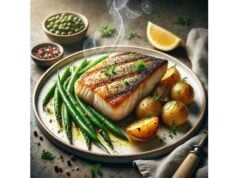
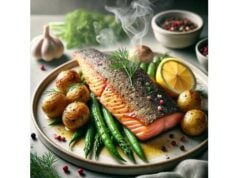
Redfish is a market name that usually refers to two different seafood choices: ocean perch (Sebastes spp.), a deepwater rockfish common in North Atlantic commerce, and red drum (Sciaenops ocellatus), the prized inshore game fish of the Gulf and Atlantic coasts, also sold as “redfish.” Both cook up as mild, lightly sweet, lean white fish with firm, flaky texture. Redfish delivers high-quality protein with modest calories and useful amounts of selenium, vitamin B12, phosphorus, and potassium. It accepts many techniques—pan-searing, roasting, grilling, poaching—and stands up well to bright citrus, herbs, garlic, and warm spices. Because stocks and regulations differ by species and region, knowing which “redfish” you are buying matters for sustainability and expectations in the kitchen. This guide explains the nutrition profile per 100 g, evidence-based benefits, safety considerations (including mercury and parasites), how to select and store high-quality fish, best cooking methods for nutrient retention, and practical portions and comparisons for everyday meal planning.
Nutrition Snapshot
- 100 g raw redfish (ocean perch or red drum) provides ~18–22 g complete protein with ~90–110 kcal
- Notable micronutrients: selenium (~35–55 µg/100 g), vitamin B12 (~1.0–2.4 µg/100 g), phosphorus (~170–220 mg/100 g)
- Typical serving: 100–150 g cooked fish, enjoyed 2–3 seafood meals weekly within a varied diet
- Sensitive groups should follow official fish-consumption advice and choose lower-mercury options
- Buy from transparent suppliers; species labeling (rockfish/ocean perch vs. red drum) guides sustainability and cooking expectations
Table of Contents
- Detailed Overview
- Nutrition Profile
- Evidence-Based Health Benefits
- Risks, Allergies and Interactions
- Selecting, Quality, Sustainability and Storage
- Preparation, Cooking and Nutrient Retention
- Portions, Comparisons and FAQs
Detailed Overview
In stores and on menus, “redfish” can mean two things:
- Ocean perch (redfish/rockfish, Sebastes spp.): a North Atlantic deepwater species sold as skin-on or skin-off fillets, typically 120–250 g each. Flesh is ivory to pale pink, turning opaque white as it cooks. Texture is moderately firm and flakes in medium layers.
- Red drum (redfish, Sciaenops ocellatus): a coastal species from U.S. Gulf and Atlantic waters, more often found fresh near the source or flash-frozen. Fillets are thicker, slightly coarser, and stay moist on the grill or in a hot pan.
Despite different habitats, both are lean white fish with mild flavor, which makes them versatile weeknight choices and crowd-pleasers for those who prefer gentler seafood. Redfish shines with quick, high-heat methods (pan-sear, roast, grill) that crisp the surface while keeping the interior juicy. It also does well in gentle, moist techniques like poaching and steaming, which preserve delicate texture and B-vitamins.
Nutrition in plain terms: Per 100 g raw, expect ~18–22 g protein, ~1–2 g fat, and ~90–110 kcal. Redfish supplies selenium (antioxidant enzyme cofactor), vitamin B12 (nervous system, blood formation), phosphorus (bone and energy metabolism), and potassium (fluid balance). Long-chain omega-3s (EPA and DHA) are present in moderate amounts; total fat is low, so pair redfish across the week with an oily fish (e.g., salmon, sardines) to meet omega-3 goals while enjoying variety.
Culinary highlights:
- High-heat sear for crispy edges; finish with lemon and herbs.
- Roast on a sheet pan with seasonal vegetables for a complete, low-effort meal.
- Poach in court bouillon for delicate texture and clean flavor.
- Grill thicker red drum fillets; the structure tolerates turning and sauce basting.
Sustainability snapshot: Many rockfish stocks have rebuilding plans and are actively managed; red drum regulations vary by state, with strong recreational management and limited commercial sale in some jurisdictions. When possible, look for labeled species and origin, and buy from suppliers who can explain catch method and handling.
Nutrition Profile
Scope: Values below are for raw redfish (ocean perch/rockfish or red drum), per 100 g edible portion. Cooking changes moisture and density; see the cooking section for retention tips. %DV uses U.S. labeling Daily Values for adults and children ≥4 years (2,000 kcal diet). Where no DV exists, an em dash appears.
Macros and Electrolytes (per 100 g, raw)
| Nutrient | Amount | %DV |
|---|---|---|
| Energy | ~90–110 kcal | — |
| Protein | ~18–22 g | 36–44% |
| Total fat | ~1.0–2.5 g | 1–3% |
| Saturated fat | ~0.2–0.6 g | 1–3% |
| Carbohydrate | 0 g | 0% |
| Fiber | 0 g | 0% |
| Sugars | 0 g | — |
| Cholesterol | ~45–70 mg | 15–23% |
| Sodium | ~60–120 mg | 3–5% |
| Potassium | ~260–360 mg | 6–8% |
| Water | ~75–80 g | — |
Notes: Sodium varies with brining or processing. Potassium is naturally present and contributes to a favorable potassium-to-sodium ratio.
Fats and Fatty Acids
| Component | Amount | %DV |
|---|---|---|
| Omega-3 (EPA + DHA, total) | ~0.25–0.45 g | — |
| Omega-6 | ~0.05–0.15 g | — |
| Monounsaturated fat | ~0.2–0.6 g | — |
| Polyunsaturated fat | ~0.3–0.8 g | — |
Why it matters: A few hundred milligrams of EPA+DHA per 100 g help build weekly totals when you eat seafood 2–3 times per week.
Protein and Amino Acids
| Item | Amount |
|---|---|
| Complete protein | ~18–22 g |
| Essential amino acids | Balanced profile typical of lean finfish |
Why it matters: High biological value protein supports muscle repair, immune proteins, and enzymes with modest calories.
Vitamins
| Vitamin | Amount | %DV |
|---|---|---|
| Vitamin B12 (cobalamin) | ~1.0–2.4 µg | 42–100% |
| Vitamin B6 (pyridoxine) | ~0.2–0.4 mg | 12–24% |
| Niacin (B3) | ~3.0–5.0 mg | 19–31% |
| Folate (DFE) | ~10–25 µg | 3–6% |
| Choline | ~70–100 mg | 13–18% |
| Vitamin D | Trace–low (species-dependent) | — |
Minerals
| Mineral | Amount | %DV |
|---|---|---|
| Selenium | ~35–55 µg | 64–100% |
| Phosphorus | ~170–220 mg | 14–18% |
| Magnesium | ~25–35 mg | 6–8% |
| Calcium | ~15–40 mg | 1–3% |
| Iron | ~0.3–0.8 mg | 2–4% |
| Zinc | ~0.4–0.8 mg | 4–7% |
| Iodine | ~20–50 µg (habitat-dependent) | 13–33% |
Bioactives and Processing Notes
- Collagen near the skin can enrich broths if heads/bones are used.
- Pigments (carotenoids) in skin are minimal; flesh remains a lean, pale white when cooked.
- Additives: Some fillets are treated with polyphosphates or salt to retain moisture—check labels if you monitor sodium or prefer additive-free fish.
Contaminants and Residues
| Category | Typical Considerations |
|---|---|
| Methylmercury | Generally low to moderate; varies by species, size, and region |
| Persistent pollutants (PCBs, dioxins) | Low in lean fish; trimming skin and surface fat may reduce exposure |
| Parasites and microbes | Controlled by cold-chain handling and thorough cooking |
Footnote: Ranges reflect commonly reported values for ocean perch/rockfish and red drum; exact numbers vary by species, habitat, season, and handling.
Evidence-Based Health Benefits
1) High-quality protein with modest calories
Redfish offers ~18–22 g of complete protein per 100 g raw with little fat and zero carbohydrate. Protein supports muscle repair, immune function, and satiety. Replacing refined-carb entrées or processed meats with lean seafood can reduce meal energy while maintaining satisfaction—especially when the plate also includes fiber-rich vegetables and whole grains.
2) Selenium for antioxidant and thyroid enzymes
A typical 100 g portion often delivers two-thirds to a full day’s selenium. Selenium enables glutathione peroxidases that limit oxidative damage to cell membranes and deiodinases that activate thyroid hormones. Regular intake of selenium-rich seafood can help close common micronutrient gaps.
3) Vitamin B12 for nerves and blood
With ~1.0–2.4 µg per 100 g, redfish can meet up to 100% of the daily value for vitamin B12 in a lean package. Adequate B12 supports myelin integrity and red blood cell formation, helping prevent deficiency-related anemia.
4) Marine omega-3s for heart health
Although redfish is not as oily as salmon or mackerel, it contributes a few hundred milligrams of EPA and DHA per 100 g. A weekly pattern of two to three seafood meals—including both lean and oily species—is associated with reduced cardiac mortality and improved triglyceride profiles. Keep redfish for its versatility and mild flavor, and add one or two high-omega-3 choices elsewhere in the week.
5) Potassium and a favorable sodium balance
Redfish is naturally low in sodium (unless processed) and provides meaningful potassium. Within an overall diet rich in fruits, vegetables, pulses, and unsalted nuts, this balance supports healthy blood pressure patterns.
6) Supports weight-management strategies
Lean, protein-dense fish increase satiety per calorie. Pairing redfish with high-volume vegetables and whole grains can help maintain a caloric deficit while preserving lean mass during weight loss efforts.
7) Gentle cooking preserves nutrients
Redfish cooks quickly. Short, moderate-heat methods—poaching, steaming, pan-roasting to just opaque—protect moisture and help retain heat-sensitive B-vitamins better than prolonged, high-heat techniques.
Risks, Allergies and Interactions
Fish allergy
Redfish is a finfish. People with confirmed finfish allergy should avoid it unless cleared by an allergy specialist. Heating does not reliably remove allergenicity because the main muscle proteins are heat-stable.
Mercury and other contaminants
Mercury in redfish varies by species and size—generally low to moderate. Smaller ocean perch and modest-sized red drum generally contain less mercury than large, long-lived predators. Sensitive groups—those who are or may become pregnant, people who are breastfeeding, and young children—should follow official fish-choice charts that emphasize lower-mercury species and appropriate portion sizes.
Parasites and microbes
Wild-caught fish may host parasites; correct cold-chain handling and cooking to safe doneness (63°C / 145°F, or until opaque and flaky) controls risk. If preparing raw or lightly cured dishes, use fish that has been properly frozen to parasite-destruction specifications from reputable suppliers.
Sodium and additives
Some retail fillets are treated with polyphosphates or brines to retain moisture. This can raise sodium and change texture. If you monitor sodium intake or prefer additive-free seafood, look for “no added phosphates” and check ingredient declarations.
Medication considerations
Dietary fish at customary portions is compatible with most medications. Individuals on anticoagulants who also use high-dose omega-3 supplements should coordinate care with a clinician. Typical redfish servings do not meaningfully change bleeding risk for most people.
Who should limit or avoid
- Anyone with a confirmed finfish allergy
- Sensitive groups choosing strictly low-mercury options (select smaller fish and follow portion guidance)
- People advised to limit sodium when products list brines or phosphate treatments
- Immunocompromised individuals should avoid raw or undercooked preparations
Selecting, Quality, Sustainability and Storage
Choose quality fillets
- Smell: Clean, marine, slightly sweet—never sour or ammonia-like.
- Appearance: Translucent, glossy flesh; no browning or extensive gaping; skin (if present) bright and intact.
- Texture: Springy; fillet should bounce back when pressed lightly.
- Labeling: Ask for species and origin—“ocean perch/rockfish (Sebastes)” vs. “red drum (redfish).” Confirm whether the fish was previously frozen and whether water, salt, or phosphates were added.
Sustainability signals
- Favor transparent sources that disclose catch area and gear type or aquaculture practices.
- Many rockfish fisheries operate under science-based quotas and rebuilding plans; red drum sales may be limited or state-regulated—know your regional rules.
- Diversify your seafood choices during the week to spread demand and support resilient ecosystems.
Fresh vs. frozen
- Frozen-at-sea product can be excellent; quick-freezing preserves texture and safety.
- If buying thawed fillets at the counter, plan to cook within 24–48 hours and avoid refreezing for best quality.
Storage and handling
- Refrigeration: Keep at ≤4°C (≤40°F), ideally on a rack over ice; cook within 1–2 days.
- Freezing: Wrap air-tight; use within 3–4 months for best texture and flavor.
- Thawing: Overnight in the refrigerator; or sealed and submerged in cold water with changes every 30 minutes.
- Leftovers: Chill quickly; consume within 2–3 days, reheating gently just to steaming hot.
Smart shopping questions
- Which species is this “redfish,” and where was it harvested?
- Was it previously frozen, and if so, when?
- Are phosphates or brines used?
- What size class is typical (smaller fish often have milder flavor and, on average, lower mercury)?
Preparation, Cooking and Nutrient Retention
Safe doneness
Cook finfish to 63°C (145°F) or until the thickest point is opaque and flakes easily with a fork. Pull from heat as soon as it turns opaque; carryover heat finishes the center without drying.
Prep basics
- Pat fillets very dry for better browning.
- If skin-on, score lightly to reduce curling; skin crisps beautifully in a hot pan.
- Season simply (salt, pepper), then layer flavors with citrus, herbs, and pan sauces.
Flavor partners
- Bright and herbal: lemon or orange zest, parsley, dill, chive, capers
- Warm and savory: garlic, shallot, paprika, cumin, coriander
- Umami boosters: miso, anchovy paste, white wine reduction, tomato paste
Cooking methods and nutrient impacts
- Pan-searing: High heat, short time. Preserves B-vitamins by minimizing exposure, promotes flavorful crust. Use a small amount of oil; finish with lemon and herbs.
- Roasting: Even heat at 200–230°C (400–450°F). Great for sheet-pan meals with vegetables; monitor closely to avoid overcooking.
- Poaching/steaming: Gentle and protective of moisture; ideal for delicate fillets and for retaining minerals.
- Grilling: Best for thicker red drum fillets; oil grates, cook over medium-high, and turn once with a wide spatula.
- Deep-frying: Tasty but increases energy density; reserve for occasional meals.
Retention pointers
- Keep time and temperature moderate to protect moisture and heat-sensitive nutrients (B6, B12).
- Salt judiciously; many sauces add sodium—balance with acids (lemon, vinegar) and fresh herbs for brightness.
- If using frozen fish, thaw slowly and blot surface water to prevent steaming instead of searing.
Two reliable, fast recipes
Skillet redfish with lemon-caper pan sauce (serves 2)
- 2 skin-on fillets (120–150 g each), salt, pepper
- 1 tbsp oil, 1 small shallot (minced), 1 tbsp capers, 60 ml dry white wine, 1 tbsp butter, lemon wedges
- Heat oil over medium-high; sear fillets skin-side down 3–4 minutes, flip 1–2 minutes to opaque. 2) Remove fish; sauté shallot briefly, deglaze with wine, reduce by half; swirl in butter and capers. Spoon over fish; finish with lemon.
Roasted redfish with tomatoes and herbs (serves 3–4)
- 600 g fillets, 300 g cherry tomatoes, 1 tbsp olive oil, 1 tsp paprika, chopped parsley
Toss tomatoes with oil and paprika on a hot sheet; roast 5 minutes at 220°C (425°F). Add seasoned fish; roast 8–10 minutes to opaque. Scatter parsley and serve with whole grains.
Portions, Comparisons and FAQs
Recommended serving and frequency
- Typical cooked serving: 100–150 g (about a palm-sized fillet).
- Plan 2–3 seafood meals per week. Combine redfish with at least one higher-omega-3 species to meet EPA+DHA goals while keeping variety high.
How does redfish compare to…
- Salmon: Salmon is fattier and provides far more omega-3s per serving; redfish is leaner and lower in calories, with a milder flavor.
- Cod: Both are lean and mild; redfish often has a slightly sweeter taste and can be a touch flakier with thinner fillets (ocean perch).
- Snapper (red): Similar mildness; snapper fillets are usually thicker and pricier. Redfish is a budget-friendlier substitute in many recipes.
- Sardines: Sardines deliver much higher omega-3s and calcium (bones eaten). Use redfish for delicate, versatile applications; use sardines when you want concentrated omega-3s.
Is redfish high in mercury?
Mercury is variable. Smaller ocean perch and modest-sized red drum are typically lower than large, long-lived predators. Sensitive groups should follow official fish-choice charts and stick to recommended portion sizes and frequencies.
Can I eat redfish skin?
Yes—when well-scaled and cooked crisp, the skin is flavorful and helps protect the flesh. Pat very dry, sear skin-side down, and finish with acid and herbs.
Why does species labeling matter?
“Ocean perch/rockfish” and “red drum” differ in habitat, management, and fillet thickness. Labeling helps you choose the right cooking method and shop responsibly.
Meal prep and leftovers
Cooked redfish keeps 2–3 days refrigerated. Flake into grain bowls, tacos with cabbage-lime slaw, or a light fish stew. Reheat gently to avoid dryness.
Budget tips
Buy in family packs or frozen-at-sea to save. Ask your fishmonger about trim pieces for chowders and fish cakes—they’re economical and cook fast.
References
- Advice about Eating Fish 2024 (Guidance)
- Cook to a Safe Minimum Internal Temperature 2024 (Guidance)
- USDA and MyFoodData Nutrition Data Tools 2024 (Database)
- Levels of Mercury, Methylmercury and Selenium in Fish 2021 (Review)
- Dietary Guidelines for Americans, 2020–2025 2021 (Guideline)
Medical Disclaimer
This guide is for general education and is not a substitute for personalized medical advice, diagnosis, or treatment. Always consult a qualified healthcare professional about seafood choices, allergies, pregnancy and breastfeeding nutrition, medication interactions, and the right portions for your health status. If you have questions about mercury, parasites, or additives, ask your clinician or local public health authority for region-specific guidance.
If you found this article helpful, please consider sharing it on Facebook, X (formerly Twitter), or any platform you prefer. Your support helps us continue creating clear, practical nutrition content.