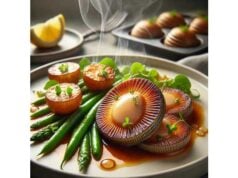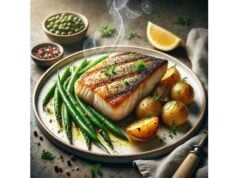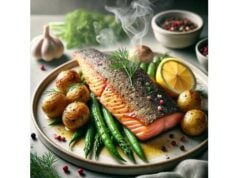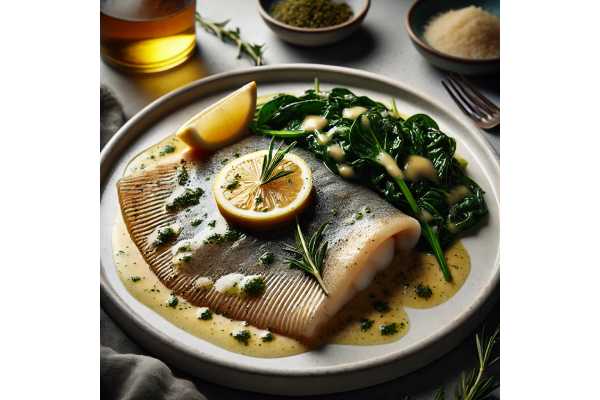
Rays—sold most often as “skate wing”—offer delicate, slightly sweet flesh with a fine grain that flakes into ribbons when cooked just right. As cartilaginous fish related to sharks, rays are naturally lean and rich in high-quality protein with modest amounts of marine omega-3s. They also supply selenium, vitamin B12, phosphorus, and potassium. Cooks prize skate for its versatility: pan-roasted with brown butter and capers, gently poached with herbs, or simmered into broths using the wings’ gelatin. Because some ray species mature slowly and can be vulnerable to overfishing, sourcing matters; look for transparent origins and certifications where available. From a safety lens, time and temperature control are key, and buying very fresh product helps avoid the characteristic “ammonia” note that develops as urea breaks down in older fish. This guide explains how to choose, store, and prepare rays so you can enjoy their distinctive texture and nutrition with confidence.
Fast Facts
- 100 g raw ray (skate wing) provides ~18–22 g complete protein and modest omega-3s with ~90–110 kcal
- Notable micronutrients include selenium (~35–55 µg/100 g) and vitamin B12 (~1.0–1.6 µg/100 g)
- Typical serving: 100–150 g cooked ray, enjoyed 1–2 times weekly within a varied seafood pattern
- Sensitive groups should follow official fish-consumption guidance and choose lower-mercury options
- Avoid older product with a strong ammonia odor; cook to 63°C (145°F) and handle cold
Table of Contents
- Detailed Overview
- Nutrition Profile
- Evidence-Based Health Benefits
- Risks, Allergies and Interactions
- Selecting, Quality, Sustainability and Storage
- Preparation, Cooking and Nutrient Retention
- Portions, Comparisons and FAQs
Detailed Overview
In markets, “ray” typically appears as skate wing—the fan-shaped pectoral fin trimmed of skin and cartilage. The muscle fibers run in parallel sheets, which makes the cooked texture unique: it flakes into soft ribbons rather than large chunks like cod. The flavor is mild and slightly sweet, pairing well with butter, lemon, capers, brown spices, and herbal broths. Because the flesh is lean, it cooks quickly and benefits from gentle heat and attentive timing.
Nutrition at a glance: per 100 g raw, ray generally provides around 18–22 g protein, ~1–2 g fat, and negligible carbohydrate. Micronutrient strengths include selenium (a key antioxidant cofactor), vitamin B12 (for nerves and red blood cells), phosphorus (for bone and energy metabolism), and potassium (for fluid balance). While not as omega-3–rich as salmon or sardines, ray contributes meaningful long-chain omega-3s (EPA and DHA) as part of a varied seafood pattern.
Culinary uses:
- Classic bistro: pan-roasted skate wing finished with brown butter, lemon, and capers.
- Poached or shallow-braised: in court bouillon with herbs and aromatics, then served warm with vinaigrette.
- Broths and reductions: wings add body through gelatin; simmer trimmings for a gentle, savory stock that takes well to fennel, leek, and parsley.
- Global traditions: in parts of Korea, fermented skate is intentionally matured, developing aromatic ammonia—a specialty not to be confused with spoilage. Most Western preparations, however, emphasize absolute freshness and a clean, sweet aroma.
Market considerations: Rays and skates are diverse, and some species grow slowly and reproduce late. Responsible sourcing—selective fisheries, bycatch mitigation, and certified supply chains—helps protect vulnerable populations. When in doubt, ask for species name and origin.
Storage and safety snapshot: Keep very cold (on ice, ≤4°C / ≤40°F). Cook promptly after purchase; the characteristic ammonia note increases with time due to urea degradation. Cook to 63°C (145°F) or until the flesh turns opaque and separates easily.
Nutrition Profile
Scope: Values below reflect raw ray (skate wing) per 100 g edible portion. Cooking alters moisture and density; see the cooking section for retention tips. %DV uses U.S. labeling Daily Values for adults and children ≥4 years (2,000 kcal diet). Where no DV exists, an em dash is shown.
Macros and Electrolytes (per 100 g, raw)
| Nutrient | Amount | %DV |
|---|---|---|
| Energy | ~90–110 kcal | — |
| Protein | ~18–22 g | 36–44% |
| Total fat | ~1.0–2.0 g | 1–3% |
| Saturated fat | ~0.2–0.5 g | 1–2% |
| Carbohydrate | 0 g | 0% |
| Fiber | 0 g | 0% |
| Sugars | 0 g | — |
| Cholesterol | ~45–60 mg | 15–20% |
| Sodium | ~60–120 mg (varies with processing) | 3–5% |
| Potassium | ~280–360 mg | 6–8% |
| Water | ~75–80 g | — |
Notes: Sodium can rise if the product is brined or processed; check labels for added salt or phosphates.
Fats and Fatty Acids
| Component | Amount | %DV |
|---|---|---|
| Omega-3 (EPA + DHA, total) | ~0.25–0.45 g | — |
| Omega-6 | ~0.05–0.15 g | — |
| Monounsaturated fat | ~0.2–0.5 g | — |
| Polyunsaturated fat | ~0.3–0.7 g | — |
Why it matters: Even a few hundred milligrams of EPA+DHA per 100 g helps close weekly omega-3 gaps when combined with one or two higher-omega-3 choices elsewhere in the week.
Protein and Amino Acids
| Item | Amount |
|---|---|
| Complete protein | ~18–22 g |
| Essential amino acids | Balanced profile typical of lean finfish and elasmobranchs |
Why it matters: High biological value protein supports muscle repair, immune function, and satiety with modest calories.
Vitamins
| Vitamin | Amount | %DV |
|---|---|---|
| Vitamin B12 (cobalamin) | ~1.0–1.6 µg | 42–67% |
| Vitamin B6 (pyridoxine) | ~0.2–0.3 mg | 12–18% |
| Niacin (B3) | ~2.5–4.0 mg | 16–25% |
| Folate (DFE) | ~10–25 µg | 3–6% |
| Choline | ~60–90 mg | 11–16% |
| Vitamin D | Trace–low (variable by habitat) | — |
Minerals
| Mineral | Amount | %DV |
|---|---|---|
| Selenium | ~35–55 µg | 64–100% |
| Phosphorus | ~160–220 mg | 13–18% |
| Magnesium | ~25–35 mg | 6–8% |
| Potassium | ~280–360 mg | 6–8% |
| Calcium | ~20–50 mg | 2–4% |
| Iron | ~0.3–0.8 mg | 2–4% |
| Iodine | ~20–50 µg (species-dependent) | 13–33% |
Bioactives and Processing Notes
- Collagen and gelatin: Cartilage and skin yield gelatinous stocks; not major protein sources per serving unless consumed concentrated.
- Urea and ammonia formation: In rays, urea naturally present in tissues can convert to ammonia as fish ages, driving off-odors; buying very fresh product prevents this.
- Additives: Some wings are processed with added water, salt, or phosphates for moisture retention—check labels if you monitor sodium or prefer untreated fish.
Contaminants and Residues
| Category | Typical Considerations |
|---|---|
| Methylmercury | Variable among ray species; generally moderate; choose lower-mercury options for sensitive groups |
| Fat-soluble pollutants | Lean tissue lowers exposure; trimming skin and surface fat may reduce some residues |
| Parasites and microbes | Controlled by temperature management and thorough cooking |
Footnote: Values reflect commonly reported ranges for raw skate/ray; species, habitat, and handling affect composition. Cooking method and moisture loss alter per-serving numbers.
Evidence-Based Health Benefits
1) Lean, satisfying protein with few calories
Ray delivers roughly 18–22 g of complete protein per 100 g raw with minimal fat and zero carbohydrate. Protein supports muscle repair after activity, helps maintain lean mass during weight loss, and increases meal satiety. Swapping refined-carb entrées or processed meats for a lean seafood like ray can reduce calories while keeping meals satisfying, especially when combined with vegetables and whole grains.
2) Selenium for antioxidant defenses and thyroid function
A single 100 g portion often provides two-thirds to a full day’s worth of selenium. Selenium acts in glutathione peroxidases that protect cell membranes from oxidative damage and in deiodinases that activate thyroid hormones. Many diets fall short on selenium; regularly including selenium-rich seafood helps close that gap.
3) Vitamin B12 for nerves and blood
With ~1.0–1.6 µg B12 per 100 g, ray offers 40–65% of the daily value in a lean package. B12 maintains myelin (the protective sheath on nerves) and supports red blood cell formation. Adequate intake helps prevent deficiency-related anemia and can support energy metabolism.
4) Marine omega-3s for heart health
Ray isn’t the oiliest fish, but it contributes a few hundred milligrams of EPA and DHA per 100 g. Two to three seafood meals weekly, including a mix of lean and oily species, align with heart-protective eating patterns and support healthy triglyceride levels. Use ray for texture and versatility, and add one or two higher-omega-3 species elsewhere in the week.
5) Potassium-to-sodium balance
Ray’s natural sodium is modest while potassium is comparatively higher, which supports healthy blood pressure patterns within an overall eating plan rich in fruits, vegetables, pulses, and unsalted nuts.
6) Gentle on cooking time—good nutrient retention
Because ray cooks quickly, heat-sensitive nutrients like some B-vitamins can be better preserved than in long-cooked dishes. Quick poaching or pan-roasting limits moisture loss and helps keep protein tender and juicy.
7) Culinary diversity encourages adherence
Enjoyment predicts consistency. Ray’s distinctive texture expands options—crispy-edged pan-roasts, lemony braises, delicate broths—which helps many people meet seafood-frequency goals without menu fatigue.
Risks, Allergies and Interactions
Fish allergy
Ray is a finfish; people with confirmed finfish allergy should avoid it unless specifically cleared by an allergy specialist. Allergy mechanisms typically involve heat-stable muscle proteins, so cooking does not reliably reduce risk.
Ammonia odor and freshness
Rays naturally store urea in their tissues. As fish ages or is stored poorly, microbes and enzymes can degrade urea into ammonia, producing a pungent smell. This is a spoilage indicator in most cuisines (distinct from intentional fermentation traditions). Choose fish with a clean, ocean-like aroma and cook promptly after purchase.
Mercury and other contaminants
Mercury levels vary by species, size, and region. Some skates and rays show moderate levels, while smaller, younger specimens are generally lower. Sensitive groups—those who are or may become pregnant, people who are breastfeeding, and young children—should follow official fish-choice charts that emphasize lower-mercury selections and appropriate portions.
Parasites and pathogens
As with other wild fish, proper temperature control and thorough cooking mitigate risks. Keep seafood cold (≤4°C / ≤40°F), avoid cross-contamination, and cook to safe doneness (63°C / 145°F or until opaque and separating easily).
Medication considerations
Typical dietary amounts of seafood align with most medications. Individuals taking anticoagulants and high-dose omega-3 supplements should coordinate with a clinician. Usual portions of lean fish like ray do not meaningfully affect bleeding risk for most people.
Who should limit or avoid
- Anyone with a confirmed finfish allergy
- Sensitive groups requiring stricter low-mercury choices (select lower-mercury species and follow portion guidance)
- People without access to very fresh product (to avoid ammonia off-odors and quality loss)
- Immunocompromised individuals should avoid raw or undercooked preparations
Selecting, Quality, Sustainability and Storage
Choosing quality ray (skate wing)
- Smell: Clean, briny, slightly sweet—never sharp or ammonia-like.
- Appearance: Moist, pearly flesh without browning or dryness; no excessive slime.
- Texture: Springy and dense; avoid mushiness (a sign of age or poor handling).
- Cut: Wings trimmed evenly with cartilage intact; uneven edges dry out faster.
- Labeling: Ask for species name and origin; check for added water, salt, or phosphates.
Sustainability signals
- Prefer transparent supply chains—landed location, gear type, and species disclosure.
- Favor certified products where available or suppliers aligning with science-based catch limits and bycatch mitigation.
- Recognize biology: many rays and skates mature late and reproduce slowly, making careful management crucial. Rotating your seafood choices across the week spreads demand and supports resilient ecosystems.
Fresh vs. frozen
- Frozen-at-sea wings can be excellent; ice-locks preserve texture and safety.
- If buying previously frozen product at the counter, cook soon after purchase; avoid refreezing for best quality.
Storage and handling
- Refrigeration: Store at ≤4°C (≤40°F) on a rack over ice; use within 1–2 days.
- Freezing: Wrap air-tight and freeze promptly; for best quality use within 3–4 months.
- Thawing: Overnight in the refrigerator; or sealed and submerged in cold water with changes every 30 minutes.
- Leftovers: Chill quickly; use within 2–3 days.
Questions to ask your fishmonger
- Which species is this wing from, and where was it caught?
- Was it previously frozen, and if so, when?
- Are any additives used (phosphates, added water, salt)?
- What handling practices keep ammonia odors at bay?
Preparation, Cooking and Nutrient Retention
Safe doneness
Cook ray to 63°C (145°F) or until the flesh turns opaque and separates easily along the muscle sheets. Overcooking tightens the grain and dries the surface, so pull from heat as soon as it’s done.
Cleaning and prep
- If frozen, thaw safely (see storage).
- Rinse briefly and pat very dry—surface dryness helps browning and reduces sticking.
- If the skin remains, remove before cooking; most retail wings are deskinned.
- Season simply (salt and pepper), then layer flavors with aromatics or pan sauces.
Low-waste flavor boosters
- Wing stock: Simmer trimmed cartilage and scraps with onion, fennel, celery, peppercorns, and a bay leaf for 30–45 minutes. Strain and chill. The gelatin-rich stock gives a silky mouthfeel to sauces and soups.
- Aromatics that love ray: capers, lemon, parsley, browned butter, fennel fronds, thyme, white wine, tomato, paprika, garlic, ginger, and scallion.
Cooking methods and nutrient impacts
- Pan-roasting: Sear in a lightly oiled, preheated pan 2–4 minutes per side (thickness-dependent); finish with lemon and herbs. Quick cooking helps retain B-vitamins and moisture.
- Shallow braise/poach: Ideal for even doneness; cook in a shallow bath of seasoned stock or court bouillon 6–10 minutes. Gentle heat preserves texture and reduces surface drying.
- Oven roast: On a hot sheet at 220°C (425°F) for 8–12 minutes, brushing with oil to prevent sticking.
- Grill (basket): Brush with oil, grill over medium-high heat until opaque; the basket supports the delicate wing.
- Deep-fry: Crispy but increases energy density; reserve for occasional meals.
Retention pointers
- Keep times short and temperatures moderate to preserve moisture and heat-sensitive nutrients.
- Salt modestly; finish with acidity (lemon, caper brine) to brighten flavor without heavy sauces.
- If an ammonia hint appears despite freshness, a quick milk or buttermilk soak (15–20 minutes) can mellow the aroma before cooking; pat dry thoroughly.
Two reliable recipes
Brown-butter caper skate (serves 2)
- 2 skate wing portions (120–150 g each)
- Salt, pepper, neutral oil
- 2 tbsp unsalted butter, 1 tbsp capers, juice of ½ lemon, chopped parsley
- Pat dry and season. 2) Sear in a lightly oiled pan over medium-high until opaque, 2–3 minutes per side. 3) Remove fish; brown butter, add capers and lemon, swirl, pour over fish, garnish with parsley.
Herbed court-bouillon poached ray (serves 3–4)
- 600 g skate wing, 1 L light stock or water, sliced leek, celery, bay leaf, peppercorns, parsley stems, lemon peel
- Simmer aromatics 15 minutes; hold at a bare simmer. 2) Slide in wings; poach 6–10 minutes until opaque and separating along the grain. 3) Serve warm with mustard vinaigrette and steamed potatoes.
Portions, Comparisons and FAQs
Recommended serving and frequency
- Typical cooked serving: 100–150 g (about a palm-sized portion).
- Within a varied pattern, aim for 2–3 seafood meals per week. Combine ray with higher-omega-3 species (e.g., salmon, sardines) to meet weekly EPA+DHA targets.
How does ray compare to other seafood?
- Ray vs. salmon: Ray is much leaner and lower in calories; salmon delivers far more omega-3s.
- Ray vs. cod: Both are lean and mild; ray offers a distinctive ribbon-like texture and is excellent with pan sauces.
- Ray vs. sardines: Sardines win on omega-3s and calcium (bones eaten); ray provides a more delicate flavor and mouthfeel.
- Ray vs. shark: Many sharks have higher mercury and stronger flavors; ray (depending on species/size) often has milder taste and is easier to cook to tenderness.
Is the ammonia smell dangerous?
A strong ammonia odor signals age or poor storage (enzymatic and microbial breakdown of urea). It’s a quality issue and an indicator to avoid the product. Fresh ray should smell clean and marine.
Is ray high in mercury?
Levels vary widely across species and size classes. Smaller, younger rays generally carry less mercury. If you are pregnant, breastfeeding, may become pregnant, or feeding young children, follow official fish-choice charts that emphasize lower-mercury options and adhere to recommended portions.
Can I eat ray raw?
Most culinary traditions cook ray. As with any wild fish, raw consumption carries risk from parasites and bacteria. Choose only products frozen and handled for raw use, and consider fully cooked preparations for safety.
Meal prep ideas
Cooked ray keeps 2–3 days refrigerated. Flake into lemony grain salads, fold into brandade-style spreads, or add to brothy soups just before serving to warm through without overcooking.
Budget and yield tips
Wings are typically sold by weight with cartilage included; edible yield varies by cut and thickness. Ask your fishmonger for net yield estimates when comparing prices to boneless fillets of other fish.
References
- Advice about Eating Fish 2024 (Guidance)
- Cook to a Safe Minimum Internal Temperature 2024 (Guidance)
- Effects of Gamma Irradiation on Inhibition of Urease Activity in Fish Accompanied with Quality Changes During Refrigerated Storage 2022 (Research)
- Growth Characteristics of Long-Nosed Skate Dipturus oxyrinchus from the Northeastern Mediterranean Sea 2022 (Research)
- Levels of Mercury, Methylmercury and Selenium in Fish 2021 (Review)
Medical Disclaimer
This information is for general education and is not a substitute for professional medical advice, diagnosis, or treatment. Always consult a qualified healthcare professional about seafood choices, allergies, pregnancy and breastfeeding nutrition, medication interactions, and the right portions for your health status.
If this guide helped you, please consider sharing it on Facebook, X (formerly Twitter), or any platform you prefer. Your support helps us continue producing clear, practical nutrition content.