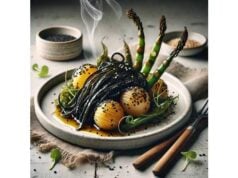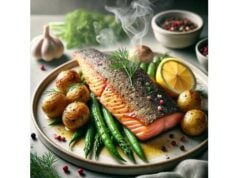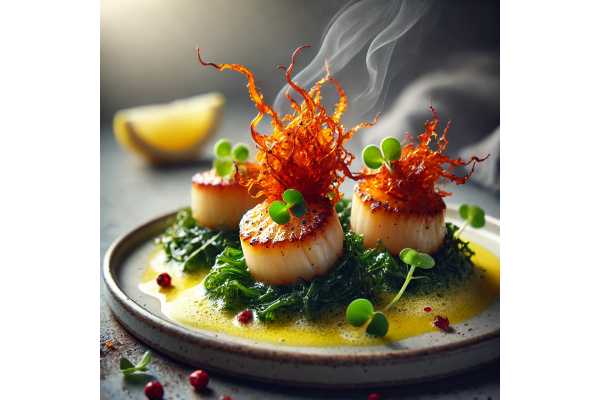
Pepper dulse (Osmundea pinnatifida) is a delicate red seaweed with a naturally peppery, truffle-like aroma that chefs prize for finishing dishes. Although it is harvested in the cold Atlantic—often by hand at low tide—this small frond packs concentrated flavor and notable nutrition. Like other edible seaweeds, pepper dulse contributes minerals (notably iodine and potassium), dietary fiber, and a spectrum of polyphenols and pigments. Its umami depth makes it a smart salt-saver in soups, seafood, eggs, breads, and compound butters. It’s also versatile: use fresh fronds as a briny herb, or dry them to grind into a seasoning that brings heat and sea to plant-based meals. Because iodine levels in seaweeds can be high and variable, a little goes a long way. This guide explains how to choose quality pepper dulse, how much to use, how to cook it for flavor without losing nutrients, and how to keep intake safe for different groups.
Top Highlights
- Adds savory depth with minimal sodium; provides fiber and essential minerals per small serving.
- Naturally rich in iodine; helpful for people with low fish or dairy intake when used sensibly.
- Typical culinary portion is 1–3 g dried (or 5–10 g fresh), up to 1–2 times per week.
- People with thyroid disorders, on iodine-containing drugs, or pregnant should limit high-iodine seaweeds.
Table of Contents
- Pepper dulse detailed overview
- Pepper dulse nutrition profile
- Evidence-based benefits of pepper dulse
- Risks, allergies and interactions
- Selecting, quality, sustainability and storage
- Preparation, cooking and nutrient retention
- Portions, comparisons and FAQs
Pepper dulse detailed overview
Pepper dulse is a small, tufted red alga native to North Atlantic shores—common along the coasts of Ireland, Scotland, Wales, Brittany, and parts of Scandinavia. Its botanical name, Osmundea pinnatifida, reflects the feathered (pinnate) branching pattern of its bronze-to-red fronds. Foragers sometimes call it the “truffle of the sea” because a pinch of fresh fronds rubbed between fingers releases a complex aroma: pepper, garlic, crustacean, and faint smoke. That volatile bouquet comes from its mix of halogenated compounds, sulfur volatiles, and phenolics, which intensify with careful drying.
Culinarily, pepper dulse acts like an herb more than a vegetable. Fresh fronds can be minced and scattered over oysters, grilled fish, scallops, or soft-scrambled eggs, where they bloom in residual heat. Dried, it becomes a versatile pantry staple: crumble into chowders, stir into sourdough or soda bread, whisk into vinaigrettes, blend into spice rubs, or pound with butter to form a compound that melts over roasted potatoes or steak. Unlike larger kelps, pepper dulse is soft—no long boiling or rehydration is required. Brief toasting amplifies its peppery warmth and savory backbone without turning bitter.
Nutritionally, pepper dulse resembles other red seaweeds: low energy density, modest protein on a fresh-weight basis (but concentrated when dried), meaningful fiber, and a mineral profile highlighted by iodine and potassium. The iodine is both a feature and a caution. Iodine supports thyroid hormone production; however, seaweed iodine varies by species, season, and growing site. Red seaweeds generally carry less iodine than brown kelps, but values still range widely—particularly in dried, powdered products. Sensible, small culinary amounts deliver flavor while keeping intake within daily needs.
From a sustainability perspective, wild pepper dulse grows on intertidal rocks and is typically hand-harvested. Responsible producers cut fronds above the holdfast to allow regrowth, follow seasonal closures, and avoid sensitive habitats. Small-scale cultivation research is expanding, aiming to relieve pressure on wild beds and provide consistent quality. Because pepper dulse can concentrate elements from seawater, reputable harvesters test for contaminants and provide batch traceability—details to prefer when buying.
Finally, a practical note on labeling: product names may list local or commercial terms (“pepper dulse,” “truffle seaweed,” “Osmundea”). For nutrition and safety decisions, look for the species on the label, origin, harvest date, and any third-party testing claims. When in doubt, treat pepper dulse as a seasoning—used by the pinch—rather than a leafy vegetable eaten by the bowl.
Pepper dulse nutrition profile
How to read this section. Values below are typical ranges for culinary products made from Osmundea pinnatifida. Exact numbers vary by site, season, processing (fresh vs. dried), and whether products are salted, toasted, or mixed with other seaweeds. Where a Daily Value (%DV) exists, it is calculated for adults using standard DVs (2,000 kcal diet). Iodine is highly variable; ranges reflect recent analytical reports on edible macroalgae. Use the footnotes for important context.
Serving context. Most cooks use 1–3 g dried (a pinch to ½ teaspoon) or 5–10 g fresh per dish. Tables present values per 100 g for comparability across foods.
Macros and electrolytes (per 100 g)
| Nutrient | Fresh (raw) | Dried (unsalted) | %DV (dried) |
|---|---|---|---|
| Energy (kcal) | 25–45 | 260–320 | 13–16 |
| Water (g) | 80–88 | 5–12 | — |
| Protein (g) | 1.5–3.0 | 18–28 | 36–56 |
| Total fat (g) | 0.2–1.0 | 1.5–4.0 | 2–5 |
| Carbohydrate (g) | 3–7 | 45–55 | 16–20 |
| Dietary fiber (g) | 2–5 | 30–40 | 107–143 |
| Sugars (g) | ~0.5–1.5 | 1–3 | — |
| Sodium (mg)* | 60–180 | 400–900 | 17–39 |
| Potassium (mg) | 200–450 | 1,500–2,800 | 32–60 |
Carbohydrates and fiber detail (per 100 g dried)
| Component | Amount |
|---|---|
| Total digestible starch (g) | 2–6 |
| Soluble fiber (e.g., carrageenan fractions) (g) | 12–20 |
| Insoluble fiber (g) | 15–22 |
| Polyols and minor carbs (g) | 1–3 |
Fats and fatty acids (per 100 g dried)
| Component | Amount |
|---|---|
| Total fat (g) | 1.5–4.0 |
| Polyunsaturated fatty acids (g) | 0.6–1.8 |
| Omega-3 (ALA, EPA traces) (g) | 0.1–0.4 |
| Omega-6 (g) | 0.2–0.6 |
Protein and amino acids (per 100 g dried)
| Component | Amount |
|---|---|
| Total protein (g) | 18–28 |
| Essential amino acids (% of protein) | 35–45% |
| Notable: leucine (g) | 1.2–2.0 |
| Notable: lysine (g) | 1.3–1.9 |
Vitamins (per 100 g dried)
| Vitamin | Amount | %DV |
|---|---|---|
| Vitamin A (as carotenoid equivalents, µg RAE) | 80–200 | 9–22 |
| Vitamin C (mg) | 5–25 | 6–28 |
| Vitamin K (µg) | 15–45 | 13–38 |
| Folate (µg DFE) | 60–120 | 15–30 |
| Vitamin B12 (µg)** | 0–5 | 0–333 |
Minerals (per 100 g dried)
| Mineral | Amount | %DV |
|---|---|---|
| Iodine (µg)*** | 300–3,000 (or more) | 200–2,000 |
| Iron (mg) | 5–12 | 28–67 |
| Calcium (mg) | 150–300 | 12–23 |
| Magnesium (mg) | 120–250 | 29–60 |
| Zinc (mg) | 1.0–3.5 | 9–32 |
| Selenium (µg) | 5–20 | 9–36 |
Bioactives and phytonutrients (qualitative)
Pepper dulse, like other red seaweeds, provides sulfated polysaccharides (carrageenan fractions), pigments such as phycoerythrin, and phenolic compounds. These contribute to antioxidant capacity and potential prebiotic effects and influence texture in culinary applications.
Contaminants and residues (screening ranges)
| Category | Typical consideration |
|---|---|
| Inorganic arsenic, cadmium, lead | Seaweeds can accumulate trace amounts; reputable producers test and comply with current maximum levels set for food categories. |
| Nitrate and nitrite | Macroalgae often carry meaningful nitrate; culinary portions of pepper dulse contribute small amounts. |
| Allergen markers | No specific allergens identified for pepper dulse; cross-reactivity with shellfish allergy is not typical, but individuals with broad seaweed sensitivities should approach cautiously. |
- Sodium in unsalted dried seaweed reflects natural seawater salts; flavored or salted products may be higher—check labels.
** Vitamin B12 in some seaweeds includes analogs that may not be fully bioactive; rely on fortified foods or supplements if B12 is critical (e.g., vegan diets).
*** Iodine varies widely by species, season, and site; dried powders can be especially concentrated. Treat pepper dulse as a seasoning.
Evidence-based benefits of pepper dulse
1) Supports adequate iodine intake—when used sparingly.
Iodine is essential for thyroid hormone synthesis, which governs growth, metabolism, and neurodevelopment. Seaweeds are naturally iodine-rich compared with most terrestrial foods. In population studies and analyses of products sold in Europe, macroalgae as a group often provide enough iodine that small, infrequent portions can help people who consume little dairy or fish meet daily needs. For many adults, a culinary pinch of dried pepper dulse (1–2 g) used once or twice a week fits within prudent intake, especially if the rest of the diet contains typical iodine sources (milk, eggs, white fish). Because iodine content varies, the safest strategy is to use pepper dulse as a garnish or seasoning rather than a bulk vegetable.
2) Delivers fiber that feeds the gut microbiota.
Red seaweeds supply unique soluble fibers—sulfated galactans (carrageenan fractions) and other polysaccharides—alongside insoluble fiber. In vitro and emerging human evidence suggest these fibers can be fermentable by gut microbes, producing short-chain fatty acids that support gut barrier function. While most data are on other red seaweeds (e.g., Palmaria), pepper dulse shares similar carbohydrate architecture, so regular pinches can contribute to overall fiber diversity.
3) Adds minerals and helps reduce sodium without losing flavor.
Pepper dulse provides potassium, magnesium, and trace minerals with relatively modest natural sodium compared with salted condiments. Its umami intensity amplifies perception of saltiness, allowing cooks to pull back on added salt. For people working on blood pressure, swapping a teaspoon of salt for a pinch of pepper dulse in soups or grains is a practical, flavorful step.
4) Culinary replacement for animal-derived umami.
For those cutting back on anchovies, fish sauce, or cured meats, pepper dulse offers savory depth with no cholesterol and minimal fat. It plays especially well in plant-based dishes—mushroom ragùs, tomato sauces, roasted brassicas—adding complexity that typically requires long reductions or aged ingredients.
5) Antioxidant pigments and phenolics add dietary variety.
Red algal pigments (phycoerythrin) and phenolic compounds contribute to antioxidant capacity. While culinary quantities are small, using a variety of colorful plant foods, including occasional seaweeds like pepper dulse, broadens the pattern of bioactive intake. This “little from many sources” approach aligns with modern diet quality guidance.
Practical takeaway: To capture benefits without excess iodine, think of pepper dulse as a finishing herb. Use tiny amounts to lift flavor, aim for once or twice weekly, and rotate with other sea vegetables with lower iodine (like nori) if you use seaweed frequently.
Risks, allergies and interactions
Iodine excess and thyroid function.
The main safety consideration with pepper dulse is iodine. While red seaweeds typically contain less iodine than brown kelps, variation is large. Chronic intakes above an adult tolerable upper level (commonly cited around 600 µg/day for Europe) can disturb thyroid function in susceptible individuals. Both hyperthyroidism and hypothyroidism have been reported after high seaweed intakes, particularly with kelp. The risk rises when seaweed is eaten daily, in large dried amounts, or combined with iodine-containing supplements or medications (e.g., amiodarone, povidone-iodine exposure).
Who should limit or avoid.
- Thyroid disease (Hashimoto’s, Graves’), nodules, prior iodine sensitivity. Use only tiny culinary amounts occasionally, or avoid.
- Pregnant or breastfeeding. Avoid high-iodine seaweeds and kelp supplements. If using seaweed at all, keep portions very small and infrequent, and discuss with a clinician or dietitian.
- Infants and children. Do not use seaweed as a concentrated iodine source; their upper limits are lower, and variability is high.
- On iodine-containing drugs or contrast agents. Extra caution is warranted; coordinate with your healthcare provider.
Contaminants and metals.
Seaweeds can accumulate inorganic arsenic, cadmium, and lead. Responsible producers test batches and comply with current maximum levels for foods. Buying from reputable suppliers with traceability, avoiding excessive daily consumption, and rinsing fresh fronds helps reduce risk. Culinary portions of pepper dulse used once or twice per week align with precautionary guidance.
Allergy and intolerances.
True seaweed allergy is rare. Pepper dulse is not shellfish, though cross-contact can occur in seafood markets. People with general seaweed sensitivities, mast cell activation, or a history of reactions to algae-derived additives should try a tiny amount first. If you have a known sensitivity to sulfated polysaccharides, start with caution.
Drug and nutrient interactions.
- Thyroid medications (levothyroxine). Keep iodine intake consistent week to week; sudden spikes can alter needs—separate seaweed consumption from medication timing.
- Iodine or kelp supplements. Combining with pepper dulse increases risk of exceeding upper limits.
- Sodium restriction. Natural sodium in unsalted seaweed is modest, but blends can be salted; read labels.
Safe-use pattern.
For most healthy adults, pepper dulse works best as a seasoning: 1–3 g dried or 5–10 g fresh, used up to twice weekly, paired with an overall diet that meets (but does not exceed) iodine needs from food.
Selecting, quality, sustainability and storage
What to look for on labels.
- Species and origin. Prefer labels stating Osmundea pinnatifida, harvest region, and harvest month.
- Testing and traceability. Reputable harvesters share batch/lot numbers and note contaminant testing.
- Processing. “Air-dried,” “toasted,” or “raw dried” indicate different flavor intensities. Avoid products with unnecessary salt or added flavors if you want a pure seasoning.
Assessing freshness and flavor.
- Fresh fronds. Color should be vibrant bronze-red; fronds should be springy, not slimy. Aroma is peppery, marine, and clean; avoid strong fishiness or ammonia notes.
- Dried product. Look for intact flakes or small fronds with minimal dust. Aroma should bloom quickly when rubbed; dusty or stale odors suggest old stock.
Sustainability cues.
- Harvest method. Hand-cut above the holdfast with rotation of sites allows regrowth.
- Seasonality. Peak flavor often coincides with cooler months; some producers publish seasonal flavor notes.
- Certification. Regional eco-labels (where available) and participation in local management plans indicate a sustainability mindset.
Storage best practices.
- Fresh. Rinse in cold water to remove sand, spin dry, wrap loosely in a towel, and refrigerate up to 3–4 days.
- Dried. Store airtight away from light and humidity for up to 12 months. Add a desiccant packet if you live in a damp climate.
- Ready-to-use blends. Keep lids tightly closed; moisture ruins texture and shortens shelf life.
Buying formats and how to use them.
- Whole dried fronds. Best for quick toasting and crumbling over finished dishes.
- Flakes/powder. Ideal for spice mixes, doughs, and finishing salts (use more pepper dulse, less added salt).
- Fresh. Treat as an herb: mince and fold into butter, aioli, or egg dishes right before serving.
Red flags to avoid.
- No species/origin info, overly cheap bulk powders with no batch IDs, strong off-odors, or products promoted as “high-iodine superfood” for daily use.
Preparation, cooking and nutrient retention
Goal: Maximize flavor while moderating iodine and protecting delicate bioactives.
Light, fast heat preserves aroma.
Pepper dulse’s signature peppery volatilizes with prolonged cooking. For the brightest flavor, add in the last 1–2 minutes or sprinkle at the table. A 10–20 second dry toast in a pan intensifies aroma; remove as soon as the first wisp of fragrance appears.
Hydration and texture.
Fresh fronds need only a quick rinse and mince. Dried fronds soften in seconds when folded into hot foods. If using in cold dishes, a brief soak (30–60 seconds) in cool water restores tenderness without leaching as much iodine as a long boil.
Balancing iodine while cooking.
Iodine dissolves in water. If you want to reduce iodine, you can briefly blanch and drain the seaweed before using, accepting some flavor loss. Conversely, if you rely on seaweed for iodine, avoid discarding soaking water and use tiny amounts more thoughtfully across the week. Either way, keep portions small.
Pairings that amplify savory without extra salt.
- Fats: butter, olive oil, cream, egg yolk—carry aroma and provide roundness.
- Acid: lemon, vinegar—brighten without additional sodium.
- Aromatics: chive, garlic, shallot, black pepper—echo the seaweed’s peppery note.
- Umami partners: mushrooms, tomatoes, miso—layer depth in plant-based dishes.
Five tested ways to use pepper dulse.
- Compound butter: Mash 1 tsp dried flakes into 50 g softened butter with lemon zest; chill.
- Sea herb sprinkle: Blend 1 tbsp pepper dulse flakes with 1 tbsp toasted sesame and ½ tsp citrus zest; finish grains or popcorn.
- Oyster or scallop finish: Mince fresh fronds with chive and a drop of olive oil; spoon on just before serving.
- Tomato sauce lift: Stir ½ tsp flakes into hot sauce off heat to add complex savor.
- Soda bread: Fold 1–2 tsp flakes into dry mix for a subtle briny warmth.
Nutrient retention notes.
- Vitamin C and some phenolics decline with prolonged heat; add late.
- Minerals (iodine, potassium) can leach into soaking or boiling water; use cooking liquid if you want to retain them.
- Pigments (phycoerythrin) are heat-sensitive; gentle handling maintains color and mild antioxidant potential.
Food safety handling.
Rinse fresh seaweed to remove sand and micro-debris. Keep cold. For dried products, avoid steam entering the jar during cooking to prevent caking and mold.
Portions, comparisons and FAQs
Recommended culinary portions
- Fresh pepper dulse: 5–10 g per dish (about a loose tablespoon minced).
- Dried pepper dulse: 1–3 g (a pinch to ½ teaspoon), up to once or twice weekly.
- Children: Use sparingly and infrequently; avoid as a concentrated iodine source.
How pepper dulse compares to other seaweeds
- Versus kelp/combu (brown): Far lower iodine on average; softer texture; used as a finishing herb rather than a stock base.
- Versus nori (red/green): Similar or slightly higher iodine depending on batch; stronger peppery flavor; smaller fronds.
- Versus dulse (Palmaria palmata): Pepper dulse is more intensely aromatic in small amounts, while Palmaria is meatier and used in larger flakes.
Budget and availability
Pepper dulse is a specialty item. Prices can be higher than common seaweeds due to hand harvest and limited season. A small jar of dried flakes lasts a long time because portions are tiny.
Can vegans use pepper dulse for iodine?
Not as a sole strategy. Plant-based eaters should meet iodine needs through iodized salt (where available) or a modest iodine supplement and enjoy pepper dulse as a flavor accent.
Does cooking remove all iodine?
No. Blanching and draining lowers iodine but does not eliminate it. Because culinary amounts are small, the best control is portion size and frequency.
Is there vitamin B12 I can count on?
Seaweed B12 measurements often include inactive analogs; do not rely on pepper dulse to meet B12 needs.
Can I use pepper dulse daily?
Daily use is not recommended due to iodine variability. Think of it as a weekly treat or flavor tool.
Quick menu ideas
- Whisk into lemon-garlic aioli for fish sandwiches.
- Sprinkle onto roasted cauliflower or smashed potatoes.
- Fold into omelets with chives and a little goat cheese.
- Stir into brown butter to finish grilled corn or asparagus.
- Blend into a no-salt seasoning with citrus zest, sesame, and chili.
References
- Nitrate, Nitrite, and Iodine Concentrations in Commercial Edible Algae: An Observational Study 2024 (Observational Study)
- Iodine, Seaweed, and the Thyroid 2021 (Review)
- Statement on the potential effects that excess iodine intake may have during preconception, pregnancy and lactation | Committee on Toxicity 2023 (Guideline)
- Commission Regulation (EU) 2023/915 of 25 April 2023 on maximum levels for certain contaminants in food and repealing Regulation (EC) No 1881/2006 (Text with EEA relevance) 2023 (Regulation)
- Iodine – BDA 2025 (Professional Guidance)
Disclaimer
This article is for general information and education. It does not replace personalized advice from a qualified health professional. If you have a thyroid condition, are pregnant or breastfeeding, take iodine-containing medications, or plan major diet changes, speak with your clinician or a registered dietitian to determine the right approach for you.
If you found this guide useful, please consider sharing it with friends or colleagues on Facebook, X (formerly Twitter), or any platform you prefer. Your support helps us keep producing clear, practical nutrition resources.