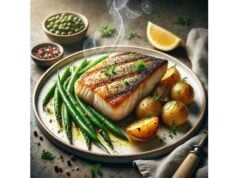
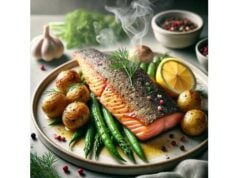
Flying fish—sleek, silver-blue members of the Exocoetidae family—are best known for their dramatic glides above tropical seas. On the plate, they are a lean, mild fish with delicate bones and a pleasantly clean flavor. In places like Barbados, Japan, Taiwan, and the Philippines, flying fish show up as grilled fillets, fishcakes, salted roe, and soup stock. Nutritionally, they deliver complete protein with very little fat, plus meaningful minerals like calcium and selenium. While they are lower in long-chain omega-3s than oily fish, they fit neatly into a varied seafood pattern that meets weekly recommendations without excess calories. Most commercially sold species are considered low in mercury, and the fillets cook in minutes with simple methods—pan-searing, steaming, or baking. Whether you are shopping coastal markets or buying flash-frozen fillets, this guide covers what matters: the nutrition profile per 100 g, evidence-based benefits and risks, sustainability and storage, and practical cooking techniques to keep nutrients intact.
Quick Overview
- Lean, high-protein seafood with modest omega-3s and notable calcium and selenium per 100 g.
- Safety note: fish allergy can be severe; those diagnosed must avoid all fish and carry prescribed emergency medication.
- Typical serving: 100–150 g cooked fillet, enjoyed 1–3 times weekly as part of diverse low-mercury seafood choices.
- People who are pregnant, breastfeeding, or feeding young children should choose trusted low-mercury sources and follow local advisories.
Table of Contents
- Flying Fish: Detailed Overview
- Flying Fish Nutrition Profile
- Flying Fish Health Benefits
- Risks, Allergies and Interactions
- Selecting, Quality, Sustainability and Storage
- Preparation, Cooking and Nutrient Retention
- Portions, Comparisons and FAQs
Flying Fish: Detailed Overview
Flying fish are surface-dwelling, pelagic species that “fly” by leaping out of the water and gliding on enlarged pectoral fins. Culinary traditions use several species, including margined flyingfish and Japanese flyingfish. Because the fish are slim and fast-growing, their flesh is very lean and cooks quickly, with a mild flavor that takes well to citrus, herbs, soy, and miso. In Barbados, flying fish is a national icon served fried or steamed with spicy gravy; in Japan, the dried fish (ago) flavors broths and the roe appears as garnish.
From a nutrition standpoint, flying fish fit the “lean fish” category. A typical 100 g raw portion provides around 80–90 kcal, 18–21 g of protein, and well under 1 g of total fat. Minerals are a quiet strength: independent nutrient datasets for flyingfish species report calcium commonly near a few hundred milligrams per 100 g and selenium in the tens of micrograms. Long-chain omega-3s (EPA and DHA) are present but lower than in salmon or sardines, so flying fish work best alongside at least one weekly serving of an oily fish to bring your EPA+DHA average up.
In everyday cooking, you will most often see flying fish as thin fillets or small whole fish. Fillets are delicate, so quick, gentle heat is key: a hot skillet for a short sear, steaming over aromatics, or baking in foil to trap moisture. The roe is firmer and salty, used sparingly to add umami and a hint of brine.
Sustainability is context-specific. In many tropical fisheries, flying fish are short-lived and resilient, but gear type and local management determine bycatch and population pressure. Seek producers who can state species and harvest method; hook-and-line or small-scale net fisheries with monitoring are preferred.
Practical takeaway: flying fish offer an easy way to add lean seafood to the week. Keep the cooking simple, pair with vegetables and whole grains, and rotate with oily fish for a balanced seafood routine.
Flying Fish Nutrition Profile
All values below are per 100 g raw fish. Percent Daily Values (%DV) use adult reference intakes: 2,000 kcal; protein 50 g; total fat 78 g; saturated fat 20 g; sodium 2,300 mg; potassium 4,700 mg; calcium 1,300 mg; iron 18 mg; zinc 11 mg; selenium 55 µg; phosphorus 1,250 mg; vitamin A 900 µg RAE; vitamin B12 2.4 µg; niacin (B3) 16 mg; vitamin B6 1.7 mg. Actual composition varies by species, season, and handling.
Macros and Electrolytes
| Nutrient | Amount (per 100 g) | %DV |
|---|---|---|
| Energy (kcal) | 87 | — |
| Protein (g) | 17.7–21.0 | 35–42% |
| Total Fat (g) | 0.3–0.8 | 0–1% |
| Saturated Fat (g) | 0.1–0.3 | 0–1% |
| Carbohydrate (g) | 0.0 | 0% |
| Cholesterol (mg) | ~40–60 | — |
| Sodium (mg) | ~60–120 | 3–5% |
| Potassium (mg) | ~350–460 | 7–10% |
Protein and Amino Acids
Flying fish provide complete protein with all essential amino acids. The fillet’s protein density makes it useful for maintaining lean mass during calorie control, with an excellent protein-to-calorie ratio. Typical digestibility is high, and the mild flavor suits varied palates.
Fats and Fatty Acids
| Fatty Acid | Amount (g) | Notes |
|---|---|---|
| Total Omega-3 (EPA+DHA+others) | ~0.20–0.85 | Species-dependent; margined flyingfish values cluster around ~0.3 g |
| Total Omega-6 | very low | Negligible compared with omega-3 |
| Trans Fat | 0 | Not naturally present in meaningful amounts |
Vitamins
| Vitamin | Amount | %DV |
|---|---|---|
| Vitamin A (µg RAE) | ~15–60 | 2–7% |
| Niacin (Vitamin B3, mg) | ~3–5 | 19–31% |
| Vitamin B6 (mg) | ~0.1–0.3 | 6–18% |
| Vitamin B12 (µg) | ~0.5–1.5 | 21–63% |
Minerals
| Mineral | Amount | %DV |
|---|---|---|
| Calcium (mg) | ~80–440 (often ~200) | 6–34% |
| Iron (mg) | ~0.9–4.1 (often ~1.8) | 5–23% |
| Selenium (µg) | ~10–47 (often ~22) | 18–85% |
| Zinc (mg) | ~0.6–1.4 (often ~0.9) | 5–13% |
| Phosphorus (mg) | ~180–300 | 14–24% |
| Magnesium (mg) | ~25–35 | 6–8% |
Allergens and Intolerance Markers
- Major allergen family: parvalbumins (heat-stable).
- Allergic reactions can occur even after thorough cooking and can be severe.
- Roe is salty and can add significant sodium; those restricting sodium should use lightly and rinse where appropriate.
Contaminants/Residues
- Commercial flying fish are typically low in mercury compared with larger predatory fish.
- Locally caught fish from polluted waters may carry environmental contaminants; follow area advisories.
Footnote on sources and variability: Reported nutrient figures for flying fish come from species-specific datasets and regional food composition tables. Ranges above reflect those species differences. When possible, consult local nutrition labels or reliable databases for the exact product you buy.
Flying Fish Health Benefits
Lean, satiating protein without excess calories
A 100 g portion delivers roughly 18–21 g of complete protein for about 80–90 kcal and minimal saturated fat. That protein supports muscle maintenance, recovery after activity, and favorable satiety—especially helpful in weight management or in older adults aiming to protect lean mass.
Supports heart-healthy eating patterns
Most of the cardiovascular advantages linked to seafood come from the overall pattern of eating fish one to three times weekly, with at least some servings from oily fish rich in EPA and DHA. Flying fish contribute as the lean anchor of that pattern: they replace higher-saturated-fat proteins, add small but meaningful omega-3s, and pair naturally with vegetables and whole grains. Observational cohorts repeatedly associate routine fish consumption with lower risk of cardiovascular disease events and mortality. In practice, alternating a lean fish (such as flying fish or cod) with an oily fish (such as salmon or sardines) is a simple, budget-aware approach.
Minerals that matter: calcium and selenium
Flying fish often provide a notable calcium contribution per 100 g—reflecting both muscle tissue and tiny bone fragments in small or whole-fish preparations. Selenium supports antioxidant defenses via selenoproteins and participates in thyroid hormone metabolism. Regular inclusion of low-mercury seafood helps many people reach daily selenium targets from food.
B vitamins for energy metabolism
Niacin, vitamin B6, and vitamin B12 in flying fish participate in energy metabolism and red blood cell formation. While amounts vary, a typical serving can cover a meaningful fraction of daily B-vitamin needs, especially when your diet includes other lean proteins, legumes, and fortified grains.
Digestible and approachable
The mild flavor and tender texture make flying fish a good “gateway” seafood for children and for adults who dislike strong-tasting fish. That practicality keeps weekly seafood goals achievable—important because consistency over months and years is what moves cardiometabolic risk.
Culinary versatility encourages healthy sides
Because flying fish cooks fast with gentle heat, home cooks often build meals around steamed or roasted vegetables and whole grains. This pattern naturally increases fiber, potassium, and magnesium while keeping sodium in check when you season with citrus, herbs, and spices instead of heavy sauces.
Reality check on omega-3s
Flying fish are lean. To meet typical EPA+DHA targets from food alone, include at least one weekly oily fish. Think of flying fish as a high-protein, low-calorie complement—not the sole omega-3 provider.
Risks, Allergies and Interactions
Mercury and frequency
Flying fish are generally considered low in mercury, placing them among seafood “best choices” for most adults. A practical pattern is two to three servings of low-mercury fish per week, with portion sizes of 110–170 g cooked for adults. For children, serving sizes scale by age (roughly 28–113 g). If you fish locally, check regional advisories for mercury and other pollutants.
Fish allergy
Fish is a top food allergen. The major allergens (parvalbumins) resist heat, so cooking does not reliably reduce risk. Symptoms range from hives and vomiting to wheezing or anaphylaxis. Individuals with a confirmed fish allergy must avoid fish and fish-derived ingredients and should carry prescribed epinephrine. Cross-reactivity among different fish is common but not universal; diagnosis and any supervised food challenges must be directed by clinicians experienced in allergy care.
Foodborne illness
As with all seafood, time and temperature control are crucial. Keep raw fish cold (≤4 °C), avoid cross-contamination on cutting boards, and cook to an internal temperature of 63 °C (145 °F). Consume leftovers within 1–2 days. Those who are pregnant, immunocompromised, or very young should avoid raw or undercooked fish.
Sodium from roe and processed products
Flying fish roe is tasty but salty. If you have hypertension or are on a sodium-restricted diet, use roe sparingly and balance the meal with unsalted sides.
Medication interactions
Flying fish itself has no unique drug–nutrient interactions. If you take prescription omega-3 products, discuss dose-related bleeding risk or atrial fibrillation considerations with your clinician; amounts from food alone are modest. Flying fish is low in vitamin K and does not typically affect vitamin K–sensitive anticoagulants through diet.
Environmental contaminants
Persistent organic pollutants vary by region and are more relevant to self-caught fish from polluted waters. When buying commercially, choose reputable suppliers that follow handling and testing standards.
Selecting, Quality, Sustainability and Storage
Choosing quality
- Look and feel: Fillets should be moist and glossy with translucent flesh and no browning. Whole fish should have bright eyes and firm flesh that springs back when pressed.
- Smell: Clean, ocean-fresh aroma—never sour or overly “fishy.”
- Skin and scales: If skin-on, the skin should be taut and clean; loose or slimy skin suggests poor handling.
- Bones: Fillets are thin and often sold bone-in; ask your fishmonger to pin-bone or plan to remove them yourself with tweezers.
Sustainability tips
- Prefer fisheries with species identification and traceability. Gear that minimizes bycatch (hook-and-line, small nets with oversight) is favorable.
- Short-lived species like flying fish can be resilient when managed, but local stock status varies. Support vendors who can speak to catch method and management.
- If you buy imported products, seek producers with credible certifications or cooperative management with observers where possible.
Storage and handling
- Refrigerate at ≤4 °C and cook within 24–48 hours. Store on a tray of ice in the coldest part of the fridge.
- Freeze tightly wrapped (plastic plus freezer paper or vacuum-sealed) at −18 °C or colder for up to 3 months for best quality. Thaw overnight in the refrigerator.
- Marinate thoughtfully: Acidic marinades (lemon, vinegar) act fast. Limit to 15–30 minutes to avoid a mushy exterior.
- Cross-contamination control: Use separate boards and knives for raw fish; wash tools with hot, soapy water and dry thoroughly.
Label literacy
- Species name matters: “Flying fish” includes many species with similar culinary properties; knowing the species helps with sustainability decisions.
- Previously frozen is fine: Flash-frozen fish, thawed under controlled temperatures, can rival fresh quality.
- Roe products: Check sodium content and ingredient lists; some include dyes or preservatives.
Preparation, Cooking and Nutrient Retention
Flying fish fillets are thin and cook rapidly. The nutrient-smart approach is short cooking at moderate heat to protect moisture and heat-sensitive vitamins while avoiding excess added fat and sodium.
Pan-seared fillets (5–7 minutes total)
Pat dry. Lightly season with salt and pepper, dust with a teaspoon of flour per fillet if you want extra cohesion. Heat a nonstick or well-seasoned skillet over medium-high, add a teaspoon of oil per portion, and sear 2–3 minutes per side until opaque and just flaky. Finish with lemon and chopped parsley. This method preserves B-vitamins and keeps calories low.
Steamed with aromatics (6–8 minutes)
Place fillets on a perforated tray over simmering water with slices of ginger, scallion, or lemon below. Cover and steam until the thickest part turns opaque. Drizzle with a teaspoon of warm olive oil and soy or tamari to taste. Steaming minimizes nutrient loss into cooking liquids and controls sodium if you season lightly.
Baked en papillote (10–12 minutes)
Wrap fillets with cherry tomatoes, zucchini, and thyme in parchment. Bake at 200 °C (400 °F) until the packet puffs and fish flakes. Trapped steam shortens cook time and retains moisture, limiting the need for added fat.
Broiled miso-glaze (6–8 minutes)
Whisk 1 tablespoon white miso with 1 teaspoon honey and 2 teaspoons rice vinegar. Brush thinly, broil 4–6 inches from heat until just caramelized. The glaze adds flavor with modest sodium when used sparingly.
Roe: quick cures and garnishes
Flying fish roe is salty and intense. Use a teaspoon or two per serving as a garnish for salads, rice bowls, or grilled vegetables. Rinse briefly to reduce surface salt if needed.
Retention and safety pointers
- Pull fish as soon as it flakes with gentle pressure; overcooking drives moisture loss.
- Add acidity (lemon, vinegar) after cooking to brighten flavor without extra salt.
- Keep pan temperatures moderate; very high heat for too long increases oxidation of delicate fats.
- Chill leftovers within 2 hours and eat within 1–2 days; reheat gently, covered, with a splash of broth.
Quick meal ideas
- Citrus-herb flying fish with roasted potatoes and green beans.
- Ginger-scallion steamed fillets over brown rice and bok choy.
- Tray-bake with peppers, olives (rinsed), capers (rinsed), and oregano.
- Fish tacos with cabbage slaw, avocado, and lime yogurt sauce.
Portions, Comparisons and FAQs
Recommended portions and frequency
- Adults: 100–150 g cooked flying fish per serving, 1–3 times weekly as part of a varied seafood plan.
- Pregnant or breastfeeding: Choose low-mercury seafood for 2–3 servings per week; 110–170 g cooked per serving is typical. Ensure fish is fully cooked.
- Children: Offer age-appropriate portions (about 28 g at ages 1–3, 56 g at ages 4–7, 85 g at ages 8–10, and 113 g at age 11+), twice weekly from low-mercury choices.
How does flying fish compare to other fish?
- Versus salmon: Flying fish is far leaner and lower in total omega-3. Use flying fish for light, protein-dense meals and include at least one oily fish weekly to cover EPA+DHA.
- Versus cod or pollock: Similar leanness and mildness; choose based on freshness and price.
- Versus sardines: Sardines are richer in omega-3 and calcium (when eaten with bones) but higher in calories.
- Versus tilapia: Comparable protein and calories; flying fish tends to have a cleaner, oceanic flavor.
FAQs
Is flying fish good for heart health?
Yes—when eaten as part of a seafood pattern that includes at least some oily fish. Flying fish displaces higher-saturated-fat meats and contributes modest omega-3s.
Is it safe in pregnancy?
Generally, yes. Choose reputable, low-mercury sources and cook thoroughly. Two to three seafood meals per week is a common target.
Can I eat the bones?
Very small bones in small whole fish may soften with cooking and can be eaten cautiously, adding calcium. Fillets usually have pin bones removed; check and pull any you feel.
How do I keep delicate fillets from breaking?
Start with dry fillets, a hot pan, and minimal flipping. A light flour dusting helps cohesion; a fish spatula provides support when turning.
Is roe healthy?
Roe provides protein and some omega-3s but is salty. Use as a condiment rather than a main.
Can I freeze flying fish?
Yes. Freeze quickly in airtight packaging and use within 3 months for best texture. Thaw overnight in the refrigerator.
References
- Advice about Eating Fish 2024 (Guidance)
- EAACI guidelines on the management of IgE-mediated food allergy 2024 (Guideline)
- High fish intake rich in n-3 polyunsaturated fatty acids reduces cardiovascular disease incidence in healthy adults: The ATTICA cohort study (2002–2022) 2023 (Cohort Study)
- Cheilopogon cyanopterus, Margined flyingfish : fisheries 2025 (Nutrient and Species Data)
Disclaimer
This content is educational and not a substitute for personalized medical advice, diagnosis, or treatment. Always consult a qualified clinician or registered dietitian about your specific health needs, allergies, and dietary choices—especially during pregnancy, breastfeeding, or when feeding young children. If you have or suspect a fish allergy, seek professional evaluation and follow your emergency action plan.
If this guide was useful, please consider sharing it on Facebook, X (formerly Twitter), or any platform you prefer. Your support helps us continue producing clear, evidence-based nutrition resources.