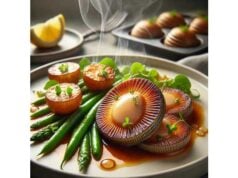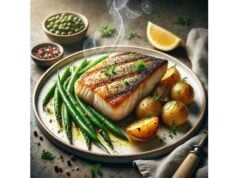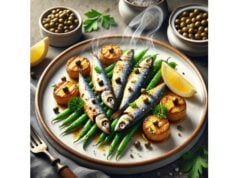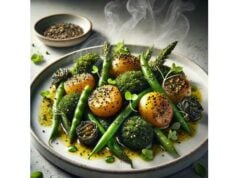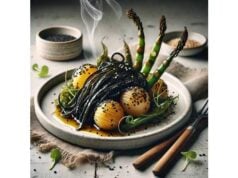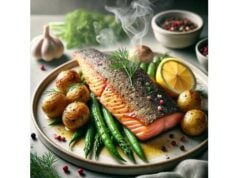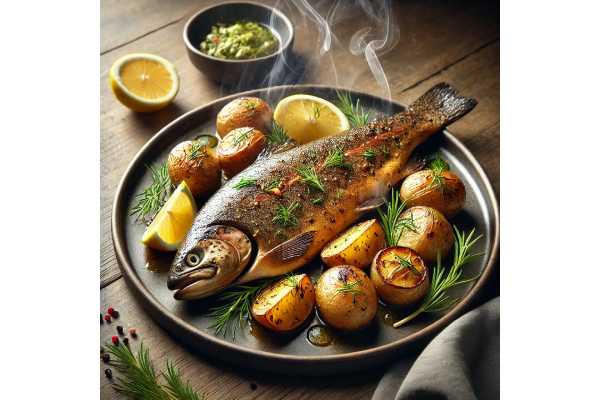
Croaker is a lean, mild-flavored saltwater fish from the drum family (Sciaenidae), loved for its delicate flakes, quick cooking, and approachable taste. Often sold whole or as thin fillets, croaker suits weeknight meals as well as fish fries and seafood stews. Nutritionally, it delivers complete protein with modest calories, meaningful vitamin B12 and selenium, and only small amounts of fat. Because its flavor is gentle—similar to cod or whiting—it pairs easily with citrus, herbs, and spice blends from Cajun to Mediterranean. Sustainability and safety are manageable for most shoppers: croaker is typically a lower-mercury choice, and responsible handling keeps quality high. This guide provides a people-first, in-depth look at croaker’s nutrition per 100 g with % Daily Values, evidence-backed health effects, allergy and contaminant considerations, buying and storage strategies, cooking methods that protect nutrients, and practical portions with comparisons and answers to common questions.
Key Takeaways
- Lean, high-protein white fish; a standard cooked serving is 100–120 g, enjoyed 1–2 times weekly within a varied seafood plan.
- Useful source of vitamin B12 and selenium; modest omega-3s compared with oily fish like salmon.
- Fish is a common allergen; people with finfish allergy should avoid croaker unless cleared by an allergist.
- Choose fully cooked fish and follow local seafood advisories; croaker is generally a lower-mercury option.
Table of Contents
- Croaker Basics and Uses
- Croaker Nutrition Profile
- Evidence-Based Health Benefits
- Risks, Allergies and Interactions
- Selecting, Quality, Sustainability and Storage
- Preparation, Cooking and Nutrient Retention
- Portions, Comparisons and FAQs
Croaker Basics and Uses
Croaker is a common name for several species in the drum family, including Atlantic croaker (Micropogonias undulatus). The nickname comes from the “croaking” sound adults make by vibrating their swim bladder. In markets, you may find croaker whole (scaled and gutted), as head-on or headless pan fish, or as slender fillets. The flesh is pale, flaky, and tender with a mild, slightly sweet taste. Because fillets are thin, croaker excels with fast, gentle heat that preserves moisture—pan-searing, shallow-frying, broiling, baking on high heat, or steaming.
Why home cooks like croaker:
- Approachable flavor: It takes well to lemon, garlic, pepper, paprika, dill, parsley, thyme, and scallions. A dusting of cornmeal or seasoned flour crisps the exterior while keeping the interior juicy.
- Weeknight speed: Thin fillets cook in minutes. Whole small croaker roasts quickly, making it excellent for “sheet-pan” meals.
- Versatility: Works in tacos, rice bowls, fish sandwiches, chowders, and Mediterranean-style platters with roasted vegetables and olive oil.
- Budget-friendly: Compared with premium white fish, croaker is often affordable, especially in coastal markets.
Handling tips that matter:
- Freshness: Look for bright, clear eyes (if whole), shiny skin, and springy flesh. A fresh, clean ocean scent—not sour or ammonia—is non-negotiable.
- Bone awareness: Fillets are generally easy to eat, but fine pin bones may remain; feel and remove with tweezers.
- Moisture management: Pat dry before cooking to encourage browning; avoid crowding the pan.
Dietary fit:
- Croaker supports heart-smart eating patterns when prepared with minimal added fat and salt. It suits high-protein, lower-calorie, and diabetes-friendly meals because it contains virtually no carbohydrate and little saturated fat. For sodium-conscious diners, the fish itself is naturally low in sodium; most salt comes from coatings, marinades, or sauces.
Culinary pairings to try:
- Bright and herbaceous: Lemon zest, capers, parsley, dill.
- Spiced and smoky: Smoked paprika, cayenne, cumin, garlic.
- Savory and umami: Miso, soy, browned butter with lemon (use sparingly for calories), or anchovy-herb crumbs.
Croaker Nutrition Profile
How to use this section: Values below reflect raw Atlantic croaker per 100 g unless noted. Cooking concentrates some nutrients as water is lost. %DV uses current U.S. Daily Values for adults and children ≥4 years.
Macros and Electrolytes (per 100 g)
| Nutrient | Amount | %DV |
|---|---|---|
| Energy | ~80–95 kcal | — |
| Protein | ~18–20 g | 36–40% |
| Total Fat | ~1.5–3.0 g | 2–4% |
| Saturated Fat | ~0.5–1.1 g | 2–6% |
| Carbohydrates | 0 g | 0% |
| Dietary Fiber | 0 g | 0% |
| Total Sugars | 0 g | — |
| Sodium | ~60–120 mg | 3–5% |
| Potassium | ~300–380 mg | 6–8% |
| Cholesterol | ~60–80 mg | — |
Interpretation: Croaker is lean and protein-dense. Its natural sodium is modest; most sodium in meals comes from added salt, spice mixes, or sauces.
Fats and Fatty Acids (per 100 g)
| Component | Amount | %DV |
|---|---|---|
| Omega-3 EPA + DHA | ~0.15–0.30 g | — |
| Polyunsaturated Fat (total) | ~0.4–0.9 g | — |
| Monounsaturated Fat | ~0.3–0.7 g | — |
| Omega-6 (n-6) | ~0.05–0.20 g | — |
| Trans Fat | 0 g | — |
Takeaway: Croaker contributes some marine omega-3s but far less than oily fish (e.g., salmon, sardines). Rotate species weekly to reach omega-3 goals.
Protein and Amino Acids (per 100 g)
| Metric | Value |
|---|---|
| Complete Protein (all indispensable amino acids) | Yes |
| Digestibility | High (typical of finfish muscle) |
Why it matters: High-quality protein supports satiety, muscle maintenance, and recovery when combined with adequate total energy and resistance activity.
Vitamins (per 100 g)
| Vitamin | Amount | %DV |
|---|---|---|
| Vitamin B12 (cobalamin) | ~1.5–2.5 µg | 63–104% |
| Niacin (B3) | ~3–6 mg | 19–38% |
| Vitamin B6 (pyridoxine) | ~0.2–0.3 mg | 12–18% |
| Riboflavin (B2) | ~0.1–0.2 mg | 8–15% |
| Vitamin A (RAE) | ~15–40 µg | 2–4% |
| Vitamin D | variable/low in lean white fish | — |
Note: Do not rely on croaker for vitamin D; oily fish generally provide more.
Minerals (per 100 g)
| Mineral | Amount | %DV |
|---|---|---|
| Selenium | ~30–40 µg | 55–73% |
| Phosphorus | ~180–230 mg | 14–18% |
| Magnesium | ~25–35 mg | 6–8% |
| Zinc | ~0.4–0.8 mg | 4–7% |
| Iron | ~0.4–1.0 mg | 2–6% |
| Calcium | ~15–35 mg | 1–3% |
| Copper | ~0.07–0.15 mg | 8–17% |
Selenium spotlight: Selenium supports antioxidant enzymes (glutathione peroxidases) and thyroid hormone metabolism; croaker reliably contributes a meaningful share of the Daily Value.
Allergens and Intolerance Markers
- Finfish allergen: Parvalbumin is the major heat-stable allergen in many fish; reactions range from hives to anaphylaxis.
- Histamine from spoilage: Poor temperature control can elevate histamine; rapid chilling and correct storage reduce this risk.
Contaminants and Residues
- Mercury: Croaker is typically a lower-mercury choice among saltwater fish.
- Regional advisories: Some coastal systems may have guidance on specific contaminants; vary seafood choices and follow local advisories if self-caught.
Footnote: Ranges reflect reputable nutrient datasets for Atlantic croaker and similar lean white fish. Labels and local databases may vary slightly by season and geography.
Evidence-Based Health Benefits
1) Strong protein with few calories
Croaker provides about 18–20 g of complete, highly digestible protein per 100 g for roughly 80–95 kcal. This favorable protein-to-calorie ratio supports satiety and lean mass during weight management and complements strength training by supplying essential amino acids needed for muscle protein synthesis. Because croaker is very low in saturated fat and contains no carbohydrate, it slots easily into calorie-controlled and diabetes-friendly meals.
2) Micronutrient density—especially B12 and selenium
A typical 100 g portion often supplies more than half the Daily Value for vitamin B12 and over half the Daily Value for selenium. Vitamin B12 supports red blood cell formation and neurological function, while selenium helps drive antioxidant enzymes that limit oxidative stress and plays a role in thyroid hormone activation. Croaker also contributes niacin (B3), vitamin B6, phosphorus, magnesium, and zinc—nutrients central to energy metabolism and cellular health.
3) A practical step toward weekly seafood targets
Many people struggle to reach two seafood meals per week. Croaker’s mild taste, quick cooking, and budget-friendly availability make it a realistic way to raise seafood frequency without major changes to shopping or cooking routines. It pairs well with familiar sides—roasted potatoes, green beans, or grain salads—lowering the barrier to consistent seafood intake.
4) Heart-smart cooking patterns
Replacing higher-saturated-fat meats with lean fish can improve overall diet quality. Croaker’s fat content is low, and the small amount of omega-3s it provides can be complemented by rotating with oily fish on other days. Preparing croaker with olive oil, herbs, and vegetables supports patterns linked with better cardiometabolic outcomes, especially when sodium and added sugars are kept in check.
5) Kid- and beginner-friendly flavor
Croaker’s clean taste and delicate texture make it a good “starter fish” for hesitant eaters. Gentle breading, taco fillings, or lemon–herb fillets help children and seafood-shy adults build comfort, broadening dietary variety over time.
6) Flexible for sodium-conscious cooking
The fish itself is naturally modest in sodium. By seasoning with citrus, pepper, garlic, and herbs—and salting at the end to taste—you keep sodium within goals while maintaining satisfying flavor. Restaurant versions or heavily seasoned fry mixes can push sodium high; home cooking regains control.
7) Meal prep convenience
Croaker fillets cook fast and reheat well when handled gently. Leftovers flake easily into next-day salads, grain bowls, or tacos, helping reduce waste and support consistent protein intake through the week.
Risks, Allergies and Interactions
Finfish allergy
Croaker is a finfish, and finfish allergy can trigger serious reactions. Parvalbumin—a heat-stable allergen—persists after cooking, so avoidance is required if you are diagnosed with finfish allergy unless an allergist provides individualized guidance. Cross-contact in restaurants is common due to shared fryers, grills, or utensils; even ordering a non-fish item may carry risk in busy seafood kitchens.
Spoilage and histamine
Like other fish, croaker must be kept cold from boat to plate. Temperature abuse can elevate histamine and cause scombroid-like illness (flushing, headache, gastrointestinal upset). Buy from reliable vendors, store at ≤4 °C (≤40 °F), and cook or refrigerate promptly.
Mercury and local contaminants
Croaker generally falls into a lower-mercury category compared with long-lived predatory fish. Still, regional advisories may address contaminants specific to local waters. Diversify seafood choices across the week and follow guidance if harvesting your own fish.
Pregnancy, breastfeeding, and children
Seafood is encouraged for its nutrients in these life stages. Choose lower-mercury species, cook thoroughly, and observe age-appropriate portion sizes. For self-caught fish, consult local advisories and vary species.
Sodium and preparations
The fish is low in sodium, but breading, brines, sauces, and restaurant frying can raise sodium sharply. If you monitor blood pressure, opt for baked or pan-seared fillets with herbs, citrus, and measured salt.
Medication considerations
- Anticoagulants/antiplatelets: Normal food-level fish intake is generally acceptable; the interaction concerns often apply to high-dose omega-3 supplements, not typical fish servings.
- Gout and purines: Finfish contain moderate purines. If you have gout or hyperuricemia, work with your clinician on personalized limits and focus on overall dietary pattern, hydration, and weight management.
Food safety fundamentals
- Keep cold at ≤4 °C (≤40 °F).
- Cook to 63 °C (145 °F) until opaque and flaky.
- Refrigerate leftovers within 2 hours and use within 3 days.
Selecting, Quality, Sustainability and Storage
Buying quality croaker
- Whole fish: Look for bright eyes, metallic sheen, red gills, firm flesh that springs back, and a clean marine scent. Ask the fishmonger to scale and gut if you prefer faster prep.
- Fillets: Seek moist, translucent flesh with no browning at the edges and minimal gaping. Thin fillets should be evenly cut for uniform cooking.
- Fresh vs. previously frozen: Previously frozen can be excellent if the cold chain was maintained. If buying thawed fillets, cook the same day.
Sustainability snapshot
- Croaker is often locally abundant along certain coasts and supports small-scale fisheries. Choosing vendors who follow seasonal regulations and size limits helps keep stocks healthy. Because croaker is short-lived and fast-growing relative to many large predators, it typically withstands fishing pressure better when managed responsibly.
- You can lower your footprint by:
- Buying in-season from transparent suppliers.
- Reducing waste (buy what you will cook within a day or two; freeze promptly if plans change).
- Opting for simple preparations that showcase the fish without heavy batters or sauces, allowing smaller portions to satisfy.
Storage and handling
- Refrigeration: Store on ice or on the coldest shelf and cook within 24 hours (fillets) or 1–2 days (whole). Keep fish wrapped and contained to prevent cross-contamination.
- Freezing: Pat fillets dry, wrap tightly (vacuum-seal if possible), and freeze for up to 3 months for best quality. Label with date and portion size.
- Thawing: Defrost overnight in the refrigerator or under cold running water in a sealed bag. Never thaw at room temperature.
- Pre-prep: For the cleanest flavor, trim any dark lateral muscle (the gray strip) before cooking; this area can hold stronger flavors in some fish.
Quality cues while cooking
- Flesh turns opaque and separates into large, moist flakes; the center should no longer look translucent. Overcooking dries thin fillets quickly, so watch closely and remove from heat as soon as they flake with a fork.
Flavor pairings and ideas
- Citrus-herb: Lemon, capers, parsley, dill, and a splash of extra-virgin olive oil.
- Spice-forward: Paprika, cayenne, cumin, coriander, or Cajun blends (make your own to control sodium).
- Umami: Miso–ginger glaze or anchovy–garlic–herb crumbs for a savory crust.
Preparation, Cooking and Nutrient Retention
Goals: Preserve moisture, protect water-soluble B-vitamins, keep sodium in check, and avoid unnecessary added fat.
Pan-seared fillets (fast and flavorful)
- Pat fillets dry and season lightly with salt, black pepper, and paprika or lemon zest.
- Heat a nonstick or well-seasoned pan over medium-high with 1–2 teaspoons of oil per pound of fish.
- Sear skin-side (if present) until lightly browned, 1–2 minutes; flip and cook 1–2 minutes more.
- Kill the heat, add a squeeze of lemon and a handful of herbs, cover 1 minute to finish gently with residual heat.
High-heat oven bake
- Preheat to 220 °C (425 °F). Place fillets on parchment, brush with a thin film (1–2 tsp) of oil per pound, and season. Bake 8–10 minutes depending on thickness. Finish with lemon and herbs. This approach minimizes oil, keeps sodium modest, and prevents fragile fillets from breaking.
Broil for a crisp top
- Position an oven rack 15–20 cm (6–8 inches) from the broiler. Broil seasoned fillets 3–5 minutes, watching closely. Use a thin spatula to lift without tearing.
Steamed or en papillote (best moisture retention)
- Steam over gently simmering water 4–7 minutes or bake in parchment with lemon slices, herbs, and a splash of white wine for 10–12 minutes at 200 °C (400 °F). These methods minimize nutrient loss into cooking fat or liquid.
Shallow-fry with control
- If you prefer a crisp cornmeal or panko crust, keep oil at 175–185 °C (350–365 °F) so the coating sets quickly, limiting oil uptake. Drain on a rack, not paper towels, to avoid steaming.
Nutrient-protective tips
- Time and temperature: Thin croaker fillets overcook easily; remove from heat as soon as they flake. Shorter high-heat exposure helps preserve B6 and B12.
- Sodium strategy: Build flavor with aromatics (garlic, shallot), acids (lemon, vinegar), and herbs; salt at the end to taste.
- Healthy richness: Bloom spices in a teaspoon of oil, then extend with stock, citrus juice, or vegetable purée instead of butter-laden sauces.
Quick marinade (20–30 minutes max)
- 2 tsp olive oil, 1 tsp lemon zest, 1 tbsp lemon juice, 1 small grated garlic clove, 1 tsp Dijon, 1 tsp chopped dill, and black pepper. Toss gently, chill briefly, then bake or sear. Longer marinades can “cook” delicate fillets and affect texture.
Food-safe endpoint
- Cook fish to 63 °C (145 °F) or until opaque and flaky. With thin fillets, visual cues plus a quick thermometer check at the thickest point work best.
Portions, Comparisons and FAQs
Typical portion and frequency
- Adults: 100–120 g cooked fish (≈140–170 g raw) per serving, within two seafood meals per week as part of a varied diet.
- Children: Scale by age (about 28–85 g cooked). For self-caught fish, review local advisories before serving to kids.
How croaker compares
- Versus cod or haddock: Very similar leanness and protein; croaker’s fillets are often thinner and flake sooner, so watch cook times closely.
- Versus salmon: Salmon far exceeds croaker in omega-3s and vitamin D but has higher fat and calories per 100 g. Croaker suits ultra-lean, high-protein meals.
- Versus tilapia: Comparable calories and protein; croaker typically has a cleaner, slightly sweeter flavor with larger flakes.
- Versus sardines or mackerel: Those oily fish deliver much higher omega-3s (and, if bones are eaten, calcium), but with a stronger taste; croaker is milder and more adaptable for picky eaters.
Budget and meal-prep strategies
- Buy whole fish and have the fishmonger fillet it—often cheaper than pre-cut fillets.
- Cook once, eat twice: roast extra fillets and flake into next-day tacos, salads, or grain bowls.
- Keep a bag of frozen fillets on hand; thaw in a sealed bag under cold running water for 20–30 minutes for a fast dinner.
FAQs
Is croaker a good source of omega-3s?
It provides some EPA and DHA, but less than oily fish. Meet omega-3 goals by mixing croaker with salmon, sardines, or trout in your weekly plan.
Can I eat croaker while pregnant?
Yes—choose fully cooked croaker and follow guidance on weekly seafood amounts for those who are or may become pregnant. If self-catching, check regional advisories.
How do I avoid a “fishy” taste?
Buy very fresh fish, keep it cold, pat it dry, and cook the same day. Trim any dark lateral muscle if the flavor seems strong.
Do I need to remove the skin?
Croaker skin crisps nicely and protects moisture. If you prefer a very mild flavor or are limiting fat-soluble residues in self-caught fish, you can remove the skin after cooking.
How long do leftovers keep?
Refrigerate up to 3 days. For best texture, rewarm gently or enjoy chilled in salads.
References
- Nutrition Facts for Fish, croaker, Atlantic, raw 2024
- Advice about Eating Fish 2024 (Guideline)
- Dietary Guidelines for Americans, 2020–2025 2020 (Guideline)
- Thermostable allergens in canned fish: Evaluating risks for fish-allergic consumers 2023 (Review)
Disclaimer
This guide is for general education and does not replace personalized medical advice, diagnosis, or treatment. Seafood choices and serving sizes should reflect your health status, medications, and local advisories. If you are pregnant, breastfeeding, planning pregnancy, managing a medical condition (including food allergies or gout), or taking prescription drugs, consult your healthcare professional before making significant dietary changes. If you fish for croaker yourself, follow regional consumption advisories.
If you found this article helpful, please consider sharing it on Facebook, X, or any platform you prefer—your support helps us continue producing clear, evidence-based resources.