Pasilla chile, sometimes labeled chile negro, is a staple dried pepper in Mexican cooking, valued more for its deep, layered flavor than for searing heat. Made from mature chilaca peppers, it brings notes of dried fruit, cocoa, and gentle smokiness to sauces, soups, and stews, especially classic moles. As a dried chile, pasilla is also surprisingly nutrient-dense: a small pepper delivers fiber, potassium, and a significant amount of vitamin A, plus bioactive compounds such as capsaicin and carotenoids.
Beyond flavor, these compounds may support metabolic and cardiovascular health when pasilla is part of an overall balanced diet, though research is based on chili peppers in general rather than pasilla alone. At the same time, its capsaicin and spices can irritate sensitive digestion, and rare but serious allergies to Capsicum species have been documented. This guide walks you through nutrition, benefits, risks, selection, cooking methods, and practical serving guidance so you can use pasilla chile confidently and safely in your kitchen.
At a Glance
- One dried pasilla chile (about 7 g) provides roughly 24 calories, around 2 g of fiber, and is rich in vitamin A and other carotenoids.
- A practical serving is 1 whole dried pasilla per person in a dish (5–7 g), enjoyed up to several times per week if you tolerate spicy foods well.
- Bioactive compounds in pasilla, including capsaicin and pigments, may modestly support antioxidant defenses, metabolism, and cardiovascular health when combined with an overall healthy diet.
- People with reflux, irritable bowel syndromes, hemorrhoids, or very sensitive digestion may experience burning or discomfort from pasilla and other chili peppers.
- Anyone with known pepper or latex-fruit allergies, or those following strict post-surgical or medically prescribed diets, should limit or avoid pasilla chile unless advised otherwise by a healthcare professional.
Table of Contents
- Pasilla chile background and varieties
- Pasilla chile nutrition profile
- Evidence-based benefits of pasilla chile
- Pasilla risks allergies interactions
- Choosing and storing pasilla chiles
- Cooking pasilla chiles for nutrition
- Portions comparisons and common questions
Pasilla chile background and varieties
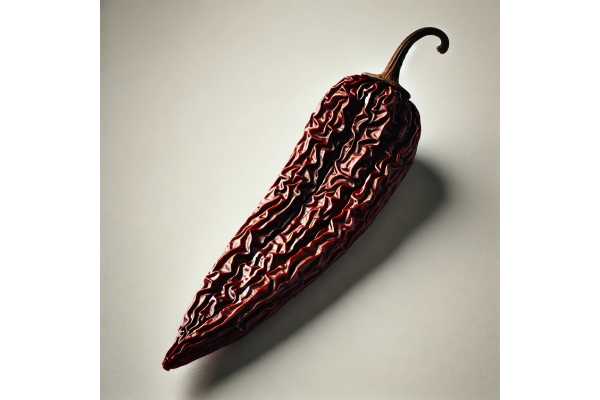
Pasilla is the dried form of the chilaca pepper (Capsicum annuum), a long, narrow green chile that turns brown as it ripens. When dried, the pods become nearly black, wrinkled, and slightly glossy, which inspired the name “pasilla,” meaning “little raisin” in Spanish. Despite the dark color, pasilla is mild to medium in heat: typically around 1,000–2,500 Scoville Heat Units, gentler than jalapeños and far milder than habaneros.
A typical dried pasilla is about 12–15 cm (4–6 inches) long and 2–3 cm wide, with a thin flesh and loose seeds inside. Its flavor profile is what makes it indispensable: earthy and slightly smoky, with notes reminiscent of dried raisins, cocoa, coffee, and a hint of green herb. When rehydrated and blended, it yields a deep brown sauce base that adds complexity and color rather than fiery heat.
Pasilla is sometimes confused with other dried Mexican chiles, especially in North American markets. In some grocery stores, “pasilla” incorrectly labels dried poblano peppers, which are technically ancho chiles. True pasilla is long and slender, while ancho is shorter, heart-shaped, and more reddish. Mulato chiles are another close relative: darker, broader, and with more tobacco and chocolate notes. In many traditional recipes, pasilla, ancho, and mulato are combined to build layered flavors.
You will also see regional variants. Pasilla negro usually refers to the common dried chilaca used in sauces and stews. Pasilla de Oaxaca (or pasilla Mixe) is a distinct, smoked variety from Oaxaca with much higher heat and intense smoky, meaty notes. For most everyday recipes and for the purposes of nutrition and health, people are usually referring to pasilla negro.
Culinarily, pasilla appears in moles, adobos, enchilada sauces, complex salsas, braised meat dishes, and bean stews. It pairs particularly well with tomatoes, onions, garlic, cacao, nuts, seeds, citrus, and herbs such as oregano and thyme. Because its heat is modest, it is often used in quantity to supply body and depth rather than just being a sharp accent.
Understanding which chile you have in your pantry is important for consistent flavor and heat. Once you recognize pasilla’s long shape, nearly black color, and raisin-like aroma, it becomes easy to distinguish it from ancho or guajillo and to use it intentionally in recipes.
Pasilla chile nutrition profile
As a dried chile, pasilla is a concentrated source of nutrients. Data compiled from nutrient databases based on dried pasilla peppers show that a single pepper weighing about 7 g provides roughly 24 calories, 1 g of protein, 1 g of fat, and 4 g of carbohydrate, of which around 2 g is dietary fiber. Per 100 g, dried pasilla delivers approximately 345 calories with a macronutrient distribution of about half from carbohydrates, one-third from fat, and the remainder from protein.
One standout feature is vitamin A. Because pasilla is rich in carotenoids like beta-carotene and related pigments, even a single pepper can provide a high percentage of the daily value for vitamin A, supporting normal vision, immune function, and epithelial (skin and mucosal) health. The deep, dark color reflects this concentration of pigments. Dried pasilla also supplies small amounts of B vitamins, including riboflavin, niacin, and vitamin B6, which participate in energy metabolism, red blood cell production, and nervous system function.
Mineral content is modest but meaningful. A typical pasilla contains a small amount of iron and magnesium, plus around 160 mg of potassium per pepper. Potassium contributes to fluid balance and normal blood pressure regulation, especially when combined with a diet that is not overly high in sodium. As with many plant foods, pasilla is naturally very low in sodium and contains no cholesterol.
Beyond classic vitamins and minerals, pasilla contributes phytochemicals. Capsaicin, the alkaloid responsible for pungency, is present at low to moderate levels compared with hotter chiles. Even at these levels, capsaicin interacts with TRPV1 receptors in the mouth and gut, triggering the sensation of heat and, in some people, a mild increase in metabolic rate or perceived warmth after eating. Pasilla also contains polyphenols and other antioxidant compounds that can help neutralize reactive oxygen species in experimental settings.
One caveat: because pasilla is usually used as a flavoring ingredient dispersed through sauces or stews, its nutrients are spread across multiple portions. From a practical perspective, the fiber and vitamin A contributions are the most relevant per serving, while minerals and B vitamins make smaller, supportive contributions. When combined with other vegetables, legumes, and whole grains, pasilla can help nudge the overall nutrient profile of a meal in a favorable direction.
For individuals tracking energy intake, it is worth noting that 1–2 dried pasilla chiles in a recipe add relatively few calories compared with other ingredients, meaning they can substantially increase flavor density without significantly affecting energy balance.
Evidence-based benefits of pasilla chile
Most scientific research studies chili peppers as a group, not individual varieties like pasilla. Still, pasilla shares key bioactive compounds with other Capsicum annuum chilies, especially capsaicin and carotenoid pigments, so many findings are reasonably applicable when pasilla is consumed in typical culinary amounts.
Large observational cohorts have examined how regular chili pepper consumption relates to long-term health. Across several prospective studies pooled in a meta-analysis of more than half a million adults, people who ate chili peppers more than once per week had a modestly lower risk of all-cause, cardiovascular, and cancer-related mortality compared with rare consumers. The reduction in risk was on the order of 8–13 percent. Because these are observational data, they cannot prove that chili peppers themselves are responsible, but they suggest that including them in a generally healthy diet is compatible with, and may contribute to, better long-term outcomes.
Mechanistic research helps explain why spicy chiles could have beneficial effects. Capsaicin binds to TRPV1 receptors, influencing pain perception, thermal sensation, and various neuroendocrine pathways. Experimental and clinical studies suggest that regular ingestion of capsaicin-containing foods can slightly increase energy expenditure and fat oxidation, which may assist with weight maintenance when combined with an appropriate overall diet and activity level. Some trials and reviews also report improvements in blood lipid profiles—such as reductions in total cholesterol and triglycerides—when capsaicin or pepper-based products are consumed in controlled amounts over several weeks.
Another emerging area is gut health. Recent reviews highlight that capsaicin can modulate the composition and activity of gut microbiota. In experimental models, moderate doses seem to favor beneficial, short-chain fatty acid–producing bacteria and reduce certain pro-inflammatory taxa. These changes may contribute to improvements in metabolic and inflammatory markers. However, responses appear dose-dependent and highly individual; high intakes or use in people with sensitive gastrointestinal tracts may cause irritation rather than benefit.
Pasilla’s non-pungent compounds may also play a role. Its carotenoids and polyphenols add to the antioxidant load of meals, potentially supporting defense against oxidative stress. Vitamin A from pasilla supports normal immune and epithelial function, including the integrity of mucous membranes that serve as a first line of defense against pathogens.
Overall, the best way to view pasilla’s health impact is as a supportive ingredient rather than a stand-alone “superfood.” Incorporating moderate amounts into vegetable-rich, minimally processed meals can modestly enhance antioxidant intake, provide gentle metabolic stimulation, and contribute to flavor satisfaction that makes healthy eating more enjoyable and sustainable. People with specific medical conditions should still individualize their intake, as discussed in the safety section.
Pasilla risks allergies interactions
For most healthy people, culinary amounts of pasilla chile are well tolerated. However, several potential risks deserve attention, especially for individuals with pre-existing conditions or sensitivities.
Digestive irritation is the most common issue. Capsaicin can stimulate nerve endings in the digestive tract, leading to burning, cramping, or loose stools in susceptible people. Those with gastroesophageal reflux disease (GERD), gastritis, irritable bowel syndrome, hemorrhoids, or anal fissures may find that even mild dried chiles worsen symptoms. In systematic reviews, the same compound that appears beneficial for metabolism and circulation at moderate doses can aggravate reflux or discomfort at higher intakes, particularly when consumed frequently or on an empty stomach.
Allergic reactions to Capsicum annuum species, though rare, are well documented. Cases range from contact dermatitis in people who handle large amounts of chili peppers to oral allergy syndrome and, in rare instances, full anaphylaxis. Some reports describe severe reactions to bell pepper and paprika (also derived from Capsicum), including swelling of the face and throat, hives, and difficulty breathing shortly after ingestion. In several of these cases, there is cross-reactivity with latex or other plant foods, known as latex–fruit syndrome. Someone with a history of unexplained reactions to peppers, paprika, or related spices should approach pasilla cautiously and seek evaluation from an allergist.
Drug interactions from dietary pasilla alone are unlikely at typical culinary doses, but a few considerations matter. Large amounts of chili peppers may transiently increase heart rate, blood pressure, or sweating, which could be uncomfortable in people on certain cardiovascular medications, though serious interactions are not commonly reported from food-level intakes. Individuals using high-dose capsaicin supplements, topical capsaicin patches, or capsaicin-based creams should follow medical advice closely, as the exposure is much higher than from eating a sauce or stew.
Another concern is food safety. Dried chiles are a low-moisture food, but if stored improperly they can develop mold or harbor insects. Very poor storage conditions can favor growth of molds capable of producing mycotoxins. While serious contamination is uncommon in reputable commercial products, it is wise to discard any pasilla chiles that smell musty, show visible mold, or have extensive discolored patches beyond normal darkening.
Finally, children and people with reduced swallowing reflexes should not be given whole dried chiles to chew, as seeds and pieces can pose a choking risk. In family meals, it is safer to use pasilla in pureed sauces and adjust the overall spiciness to the most sensitive eater at the table.
If you have a history of pepper allergy, severe eczema triggered by foods, or complex gastrointestinal or cardiac conditions, it is prudent to discuss spicy foods, including pasilla, with your healthcare provider before increasing your intake.
Choosing and storing pasilla chiles
High-quality pasilla chiles make a noticeable difference in both flavor and safety. When shopping, look for pods that are whole, intact, and slightly flexible rather than brittle. The skin should be very dark brown to nearly black with a subtle sheen, not dull gray or dusty. A good pasilla will smell aromatic when you open the package—notes of dried fruit, cocoa, and a bit of earthiness. If there is little or no aroma, the chiles may be old and flat-tasting.
Shape can help you distinguish pasilla from similar chiles. True pasilla is long and narrow, often slightly curved, with a fairly uniform width. Ancho is shorter and more heart-shaped, with a redder hue, while mulato is broader and a deeper chocolate-brown. Because some retailers, especially outside Mexico, mislabel ancho as pasilla, paying attention to shape and color helps ensure you are getting what you expect. For mole recipes that call specifically for pasilla, accurate identification matters for achieving the intended flavor.
Labels may use terms such as “pasilla negro,” “chile negro,” or “dried chilaca.” These are generally acceptable synonyms for the common dried pasilla used in sauces and stews. Smoked variants such as “pasilla de Oaxaca” will usually be labeled separately; these are more pungent and significantly smokier, so they should be used in smaller amounts and with care if you are sensitive to heat.
From a sustainability perspective, peppers are relatively resource-efficient compared with many animal foods, and drying reduces waste by extending their shelf life. Choosing brands that clearly state origin and, when possible, support small-scale or traditional producers can contribute to more sustainable supply chains. Organic certification may reduce exposure to certain pesticides, though dried chiles are typically consumed in small amounts, so the absolute impact is modest.
At home, transfer pasilla chiles to an airtight container or well-sealed bag after opening. Store them in a cool, dark cupboard away from the stove, oven, or direct sunlight. Heat and light accelerate the degradation of aromatic compounds and carotenoids, leading to faded color and bland flavor. Properly stored, whole dried pasilla can retain good quality for 6–12 months. Ground pasilla powder has a shorter life, often only a few months before it loses its punch.
Check your chiles periodically. Discard any that show visible mold, have an off or sour smell, or are infested with insects. Slight brittleness is normal in older chiles and can sometimes be remedied by soaking, but if aroma is faint or unpleasant, freshness and flavor are likely compromised. Freezing whole dried chiles in airtight packaging is another option for long-term storage; it slows oxidation and insect activity while preserving color and aroma.
By choosing good-quality pasilla and storing it well, you preserve both flavor and potential nutritional and bioactive compound content, making each dish more satisfying and consistent.
Cooking pasilla chiles for nutrition
Traditional preparation techniques for pasilla chile are designed to maximize flavor, but they also influence nutrient retention and how your body responds to the spicy components. A common approach involves four steps: cleaning, toasting, soaking, and blending.
First, wipe the chiles with a dry cloth and remove any dust. Cut off the stem end, shake out most of the seeds, and open the chile along one side if you plan to toast it flat. Seeds are not the primary source of heat but can contribute bitterness, so many cooks discard most of them.
Toasting is done in a dry, preheated skillet or on a comal over medium heat. The key is brief contact: a few seconds per side until the chile becomes fragrant and slightly more flexible, but not charred. Light toasting helps release aromatic oils and deepens flavor. Over-toasting can burn the thin flesh, producing acrid notes and potentially generating small amounts of undesirable compounds from charred material.
After toasting, chiles are soaked in hot (but not boiling) water or broth for 15–30 minutes until fully softened. The soaking liquid accumulates many water-soluble compounds and some pigments; if it tastes pleasant and not overly bitter, it can be blended back into sauces for added flavor and nutrients. If it tastes harsh, use only part of it or discard and thin the sauce with fresh stock or water instead.
From a nutritional perspective, the drying and cooking processes have already reduced heat-sensitive nutrients like vitamin C. However, fat-soluble carotenoids and many polyphenols are more stable and can even become more bioavailable when chiles are gently cooked with oil. For that reason, using a small amount of healthy fat—such as olive or canola oil, or nuts and seeds in a mole—can improve absorption of vitamin A precursors and other lipophilic compounds.
To retain as much beneficial activity as possible while limiting irritation, consider these practical tips:
- Toast pasilla chiles lightly rather than heavily charring them.
- Avoid extremely long simmer times after blending; add pureed chiles toward the middle or end of cooking when possible.
- Combine pasilla with non-spicy vegetables, beans, or whole grains to dilute capsaicin and increase fiber and micronutrient variety.
- Pair pasilla-based sauces with cooling elements like avocado, yogurt (if tolerated), or fresh herbs to balance perceived heat and support comfort.
Culinary applications are almost endless. A simple pasilla-tomato salsa can be made by blending rehydrated pasilla with roasted tomatoes, onion, garlic, and a bit of vinegar or lime. For richer dishes, pasilla forms part of the backbone of mole negro or complex braising sauces for beef, lamb, or mushrooms. Vegetarian dishes such as bean stews, lentil soups, or roasted vegetable trays benefit from a spoonful of pasilla-based sauce stirred in for depth.
By paying attention to how you toast, soak, and cook pasilla, you can preserve much of its flavor and beneficial compounds while tailoring heat levels and texture to your preferences and digestive tolerance.
Portions comparisons and common questions
Because pasilla is typically used as an ingredient rather than eaten plain, “portion size” can be a bit abstract. A practical guideline for most home cooking is about one medium dried pasilla chile (5–7 g) per serving in dishes where it is the main flavoring, or one chile for every two servings when combined with other dried chiles such as ancho or guajillo. In a four-serving stew, for example, you might use 2–4 pasilla chiles depending on your desired depth of flavor and tolerance for mild heat.
For healthy adults without specific contraindications, using pasilla-containing dishes several times per week is generally considered reasonable. Many of the observational studies on chili pepper intake categorize “regular consumption” as eating chili peppers more than once a week, often more than that, as part of traditional diets. If you are new to spicy foods, it is still wise to increase intake gradually and pay attention to digestive comfort, sleep quality, and any reflux symptoms.
In terms of heat comparison, pasilla is on the mild side. With an approximate range of 1,000–2,500 Scoville Heat Units, it is similar to or slightly hotter than most poblano peppers and milder than most jalapeños. Guajillo chiles usually fall in a similar or slightly higher range, while chipotle and arbol chiles tend to be noticeably hotter. Because pasilla is milder, it is a good gateway dried chile for people who want complex flavor without intense burn.
Below are brief answers to some frequently asked questions:
Is pasilla chile good for weight loss?
Pasilla itself is not a weight loss drug, but capsaicin-containing chiles have been shown to slightly increase energy expenditure and fat oxidation in controlled studies. The effect is modest. Pasilla-based dishes can support weight management when they replace heavier sauces and make vegetable-rich meals more satisfying, but overall calorie balance and lifestyle still matter far more.
Can I substitute pasilla with ancho or mulato?
Yes, in many recipes you can substitute ancho or mulato when pasilla is unavailable, though the flavor will change. Ancho is sweeter and fruitier with a redder color; mulato is darker with more chocolate and tobacco notes. If substituting, start with similar weight (one ancho or mulato for one pasilla) and adjust to taste.
Is pasilla chile safe during pregnancy or breastfeeding?
For most people, culinary amounts of pasilla as part of a balanced diet are acceptable during pregnancy and breastfeeding, provided spicy foods do not trigger significant heartburn, nausea, or digestive upset. Extremely spicy or very large amounts may worsen reflux, which is already common in pregnancy. As always, individual circumstances vary, and it is best to follow guidance from your healthcare provider or dietitian.
Does removing the seeds make pasilla less spicy?
Removing seeds mainly reduces bitterness and some of the capsaicin-rich placental tissue attached to them. The majority of pungency resides in the white inner ribs rather than the seeds themselves. For a milder sauce, remove most of the seeds and inner membranes, and consider blending pasilla with milder ingredients such as roasted bell pepper or tomato.
Can people with high blood pressure eat pasilla?
In general, modest amounts of chili peppers have not been shown to worsen high blood pressure and may be compatible with heart-healthy diets, especially because pasilla is naturally low in sodium and adds flavor without salt. However, some people notice transient flushing or palpitations after very spicy meals. If you have cardiovascular disease or are on multiple medications, monitor your response and consult your clinician if unsure.
By aligning portion size with your tolerance and overall diet, pasilla can be a flavorful, nutrient-supportive component of many eating patterns, from plant-forward to omnivorous, as long as individual risk factors and allergies are respected.
References
- Peppers, pasilla, dried – Nutrition Facts 2025 (Nutrient Database)
- Peppers, dried, pasilla nutrition facts and analysis 2024 (Nutrient Database)
- The Association of Hot Red Chili Pepper Consumption and Mortality: A Large Population-Based Cohort Study 2017 (Cohort Study)
- Chili pepper intake and all-cause and disease-specific mortality 2023 (Meta-analysis)
- Health Implications of Capsaicin: Weighing the Benefits and Risks of Spicy Foods – a review of the literature 2025 (Systematic Review)
- Capsaicin as a Microbiome Modulator: Metabolic Interactions and Implications for Host Health 2025 (Review)
- Anaphylactic reaction to bell pepper (Capsicum annuum) in a patient with a latex-fruit syndrome 2014 (Case Report)
Disclaimer
The information in this article is intended for general educational purposes only and does not constitute medical advice, diagnosis, or treatment. Nutritional needs, food tolerances, and health risks can vary widely between individuals, especially for those with chronic illnesses, allergies, or who are pregnant, breastfeeding, or taking prescription medications. Never ignore or delay seeking professional medical advice because of something you have read here. For personalized recommendations about using pasilla chile or other spicy foods in your diet, consult a qualified healthcare professional or registered dietitian.
If you found this article useful, you are warmly invited to share it with others—on Facebook, X (formerly Twitter), or any platform you prefer. Thoughtful sharing helps more readers access reliable information and supports the continued creation of high-quality nutrition content.