Oregano is one of the signature flavors of Mediterranean cuisine, yet it is often underestimated. A pinch of dried oregano can turn a simple tomato sauce into something layered and aromatic, while fresh oregano brightens salads, grilled meats, and vegetables. Beyond taste, oregano is a nutrient-dense herb in its dried form, contributing fiber, minerals, and a wide range of plant compounds in very small amounts.
This herb belongs to the mint family and contains an essential oil rich in phenolic compounds such as carvacrol and thymol, which give oregano its bold aroma and have been studied for antimicrobial and anti-inflammatory properties. At the same time, oregano is easy to use in everyday cooking and fits naturally into many dietary patterns, from plant-forward to omnivorous. Questions often arise, though, about how much is useful, how it compares to other herbs, and whether concentrated forms like oregano oil are safe. This article explores all of those angles with a focus on practical, food-first guidance.
Oregano Key Takeaways
- Oregano adds intense flavor plus small amounts of fiber, minerals, and antioxidant plant compounds with only a few calories per teaspoon.
- Phenolic components in oregano, especially in its essential oil, show antimicrobial and anti-inflammatory activity in experimental research, though culinary doses are modest.
- A typical culinary serving is about 1–2 teaspoons (1–2 g) of dried oregano per person, used occasionally or several times per week as part of mixed dishes.
- People with herb allergies, those who are pregnant, children, and anyone taking multiple medications should avoid self-prescribing oregano essential oil and stick to normal food amounts.
Table of Contents
- Oregano Background and Everyday Uses
- Oregano Nutrition and Active Compounds
- Health Benefits Linked to Oregano
- Oregano Risks, Allergies and Interactions
- Choosing Oregano, Quality and Storage
- Cooking with Oregano and Nutrient Retention
- Oregano Portions, Comparisons and FAQs
Oregano Background and Everyday Uses
Oregano refers mainly to several species in the Origanum genus, particularly Origanum vulgare. These small, woody perennials are native to the Mediterranean region and parts of Western Asia, where they have long been valued both as food and as traditional medicine. The name “oregano” is often translated as “joy of the mountains,” reflecting its abundance on rocky hillsides and its importance in local cuisine.
There are multiple “types” of oregano in trade. Mediterranean or European oregano usually refers to Origanum vulgare and its subspecies. Greek oregano is often a particularly pungent form with high essential oil content. Mexican oregano, by contrast, comes from an entirely different plant (often Lippia graveolens) that belongs to another botanical family, but it shares a broadly similar flavor profile and is used in Latin American cooking. This diversity explains why two jars labeled “oregano” might smell slightly different.
Dried oregano is the most common form in home kitchens. The leaves are harvested, dried at low temperatures, and then crumbled. Drying concentrates flavor, creating the bold, slightly bitter, and resinous aroma people associate with pizza, pasta sauces, and herb blends. Because dried oregano is shelf-stable and easy to store, it fits well into modern cooking routines.
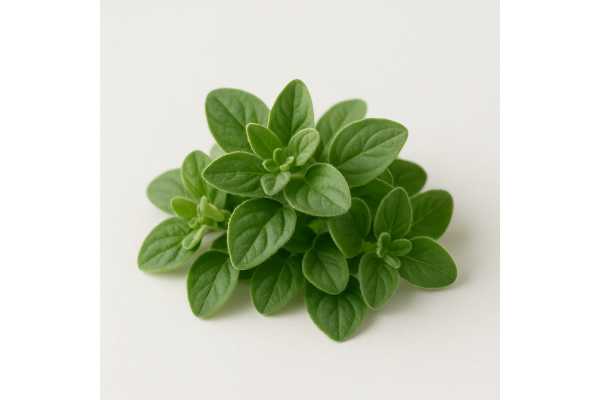
Fresh oregano is less widely used, but it has a distinct role. Its leaves are softer in flavor, greener, and more herbal. They work well in salads, fresh salsas, quick sautés, and as a garnish over grilled meats, fish, or vegetables. In many dishes, a combination of dried oregano in the cooking phase and fresh oregano at the end gives the most interesting flavor.
Culinary uses of oregano go far beyond tomato sauce. It pairs naturally with:
- Grilled meats and fish in marinades with olive oil, garlic, and lemon
- Roasted vegetables such as eggplant, zucchini, peppers, and potatoes
- Bean and lentil dishes, adding depth without extra salt
- Salad dressings based on olive oil and vinegar or lemon
- Homemade breads, focaccia, and flatbreads
Oregano has also been used traditionally as a digestive aid, a comforting tea for colds, and a topical preparation for minor skin issues. These uses, passed down over generations, inspired modern scientific interest in oregano’s essential oil and phenolic compounds. Today, oregano appears not only as a culinary herb but also in some herbal supplements and concentrated oils, though these should be approached with more caution than the dried herb itself.
In everyday life, oregano’s most practical role is to make nutrient-dense foods taste more appealing. It helps beans, vegetables, and lean proteins feel satisfying, which can support more frequent home cooking and long-term adherence to healthy eating patterns.
Oregano Nutrition and Active Compounds
Dried oregano is a low-calorie, nutrient-dense food when considered per gram. Because almost all water has been removed, its nutrients and plant compounds are tightly packed.
Standard composition data for dried oregano typically show approximately 250–300 kcal per 100 g. Most of this energy comes from carbohydrates and fiber, with smaller contributions from protein and fat. On a 100 g basis, dried oregano usually contains:
- Around 60–70 g of carbohydrate
- Roughly 40 g of dietary fiber
- About 9–11 g of protein
- A modest 4–10 g of fat
Of course, a usual serving is very small—often 1–2 teaspoons (1–2 g). At that level, you are adding only a couple of calories, a fraction of a gram of protein and fat, and about half a gram of fiber. These amounts are small but can still contribute incrementally, especially if you use herbs and spices liberally over the course of a day.
Micronutrient content is where dried oregano becomes interesting. Per 100 g, it is a rich source of:
- Calcium
- Iron
- Magnesium
- Manganese
- Vitamin K
At teaspoon-scale servings, the absolute contribution is modest but still relevant, particularly for vitamin K and certain minerals. Mixed with other herbs, leafy greens, and plant foods, oregano forms a small part of a nutrient-rich pattern.
Oregano’s most distinctive feature, however, is its phytochemical profile. Its essential oil can make up about 1–4% of its dry weight and contains several key compounds:
- Carvacrol: a phenolic monoterpene that gives oregano much of its warm, pungent aroma
- Thymol: closely related to carvacrol, also found in thyme, with aromatic and antimicrobial properties
- p-Cymene and gamma-terpinene: supporting monoterpenes that modify aroma and biological activity
Beyond the essential oil, oregano contains phenolic acids such as rosmarinic acid, and flavonoids including quercetin, luteolin, and apigenin derivatives. These molecules have been studied for antioxidant and anti-inflammatory actions in experimental settings.
The concentration of these compounds in any given oregano product depends on species, growing conditions, harvest time, and processing. Oregano grown in sunny, relatively dry conditions and harvested just before flowering often has a higher essential oil content. Drying, if done at moderate temperatures and protected from light, preserves many of these compounds, though some volatile fractions are inevitably lost.
Oregano also provides some prebiotic fiber, which may modestly support beneficial gut bacteria. However, its fiber contribution is small relative to larger plant foods like legumes, whole grains, and vegetables.
In practice, oregano’s nutritional value lies less in its macronutrients and more in its ability to deliver a concentrated “shot” of diverse plant compounds alongside small amounts of minerals and vitamins, all while adding almost no calories, sugar, or sodium. Used in combination with other herbs and spices, it helps build a phytochemical-rich diet without significant energy cost.
Health Benefits Linked to Oregano
Research on oregano covers both the whole herb and its essential oil, with most detailed work conducted in laboratory and animal models. Human trials are fewer and often small, but taken together, the data highlight several potential benefit areas.
A major theme in oregano research is antimicrobial activity. Oregano essential oil shows activity against various bacteria and fungi in test-tube studies. Carvacrol and thymol appear to disrupt microbial cell membranes, altering permeability and leading to cell death. This has drawn interest in using oregano-based compounds as natural food preservatives, surface sanitizers, or components of topical preparations. It does not mean that eating more oregano will treat infections, but it aligns with the historical use of oregano-rich diets and herb mixtures in traditional cuisines.
Another focus is antioxidant and anti-inflammatory capacity. Oregano extracts can neutralize reactive oxygen species and influence signaling pathways related to inflammation in experimental systems. Phenolic acids and flavonoids, such as rosmarinic acid and quercetin derivatives, likely play roles here. In animal studies, oregano or its extracts have been linked to reduced markers of oxidative stress and inflammation in tissues like the liver, heart, and brain.
Cardiometabolic markers are another area of exploration. In animal models fed high-fat or high-cholesterol diets, oregano supplementation has sometimes been associated with improved blood lipid profiles, including lower total and LDL cholesterol, as well as improved oxidative status. Some research suggests that oregano compounds may influence enzymes involved in lipid metabolism, though more human data are needed.
There is also preliminary work on oregano’s potential anticancer properties in cell culture. Oregano extracts and isolated carvacrol have been shown to inhibit proliferation and promote apoptosis in certain cancer cell lines. These effects are promising at a mechanistic level, but they occur under tightly controlled conditions with concentrations far above those reached through normal dietary intake.
In the digestive tract, oregano may have several roles. It can stimulate appetite and digestive secretions, which may make heavy meals feel more comfortable. Its antimicrobial effects, when carefully targeted and appropriately dosed, have led to interest in oregano oil as a potential tool against certain gut pathogens, though this should not be attempted without professional supervision, given safety and microbiome concerns.
For everyday eating, the most realistic benefits come from oregano’s ability to:
- Increase the antioxidant capacity of meals as part of a larger pattern of herb and spice use
- Support better flavor in dishes rich in vegetables, legumes, whole grains, and lean proteins
- Help reduce reliance on salt and saturated fats by making lighter dishes more satisfying
It is important not to overstate oregano’s impact. Sprinkling extra oregano on a poor-quality diet is unlikely to offer major health protection. Conversely, when oregano is used as one of many herbs in a varied, plant-rich diet, it can contribute meaningfully to overall phytochemical exposure.
Concentrated forms such as oregano essential oil capsules should not be viewed as simple “stronger versions” of culinary oregano. They deliver much higher doses of bioactive compounds and require careful dosing, clear indications, and professional oversight, especially when used for specific health targets.
Oregano Risks, Allergies and Interactions
When used in normal culinary amounts, oregano is considered safe for most people. The herb itself is part of traditional diets in many cultures, and regulatory authorities commonly list oregano as generally recognized as safe when used as food. Problems tend to arise when intake is unusually high or when people use concentrated forms such as essential oils without guidance.
Allergic reactions to oregano do occur, although they are not among the most common food allergies. Because oregano is in the mint family, cross-reactivity with other Lamiaceae herbs such as thyme, basil, marjoram, and mint can happen. Symptoms can include oral itching, lip or tongue swelling, hives, or more generalized reactions. In rare cases, severe reactions can involve breathing difficulty or anaphylaxis. People who suspect an herb allergy should see an allergist rather than experimenting with elimination and reintroduction on their own.
Oregano essential oil is particularly irritating in concentrated form. Applied directly to the skin or mucous membranes, it can cause burning, redness, and irritation even in those without true allergy. For this reason, any topical use should be in a well-diluted form and avoided on broken or sensitive skin. Essential oil should never be dripped directly into eyes, nose, ears, or undiluted on the skin.
Oral use of oregano essential oil raises additional concerns. High doses may trigger nausea, vomiting, gastrointestinal discomfort, or dizziness. Animal experiments suggest that very large doses could affect organs such as the liver and kidneys. While accidental serious poisoning in humans is uncommon, the potential toxicity at high doses underscores the need for caution and professional oversight when taking oregano oil by mouth.
Pregnant and breastfeeding individuals deserve special mention. Culinary amounts of oregano in food are generally considered acceptable during pregnancy and lactation. However, high-dose oregano supplements and essential oil taken orally are not well studied and are often advised against because of theoretical effects on uterine tissue, hormones, and fetal development. In these life stages, it is safest to stick to modest food-based use unless a healthcare provider gives specific, individualized advice.
Interactions with medications are not fully mapped. Some evidence suggests that components of oregano oil may influence liver enzymes that metabolize drugs, potentially altering blood levels of medications such as certain anticoagulants, blood pressure medications, or antidiabetic agents. While small amounts of oregano in food are unlikely to have clinically significant effects, large supplemental doses could, in theory, interact with prescriptions. People on multiple medications, especially those with narrow therapeutic ranges, should be cautious about oregano oil supplements and discuss any planned use with their prescribing clinician.
For people with digestive disorders, oregano can be a double-edged sword. Food-level oregano in balanced dishes is often well tolerated and can reduce reliance on heavy sauces. However, very spicy meals or large amounts of herbs and essential oils may aggravate reflux, gastritis, or sensitive bowel conditions.
Pets are also more vulnerable to concentrated essential oils. Oregano oil should not be given to animals unless directed by a veterinarian, and heavily herb-seasoned human leftovers are not appropriate pet food.
In summary, dried or fresh oregano used in ordinary cooking is safe for the vast majority of people. High-dose supplements and essential oils, especially taken by mouth, are a different category and should be approached cautiously, particularly by those who are pregnant, breastfeeding, managing chronic conditions, or taking multiple medications.
Choosing Oregano, Quality and Storage
The oregano you choose influences both your cooking results and the amount of beneficial plant compounds you actually consume. Paying attention to quality, labeling, and storage helps you get more value from a relatively inexpensive herb.
When evaluating dried oregano, start with your senses. Open the jar and smell the contents. High-quality oregano should have a strong, warm, somewhat minty and slightly bitter aroma. If the scent is faint, musty, or “dusty,” many of the volatile oils have likely dissipated. The color should be greenish rather than dull brown or gray, and the texture should show recognizable leaf fragments rather than an indistinguishable powder. Excess stems and woody pieces are signs of lower-grade processing.
Ingredient lists are important as well. Pure dried oregano should list only oregano (sometimes with a botanical name). Seasoning blends that feature oregano may also include salt, sugar, garlic, onion powder, or flavor enhancers. These blends can be convenient, but they can also hide sodium and additives. For maximum control over flavor and nutrient profile, buying plain oregano and mixing your own blends at home is usually preferable.
The choice between organic and conventionally grown oregano is personal. Organic options may appeal to those seeking to minimize pesticide exposure or support particular farming systems. Nutrient differences between organic and conventional oregano are likely small compared with differences caused by soil quality, climate, and drying methods. If you choose organic, look for recognized certification marks rather than vague claims.
Sustainability considerations for oregano include farming practices, local biodiversity, and fair labor. Oregano is often grown in relatively low-input systems, but pressures from global demand can still impact local ecosystems. Supporting suppliers that emphasize long-term partnerships with growers, transparent sourcing, and careful drying and packaging practices can make your purchase more aligned with sustainable outcomes.
At home, storage conditions can make or break oregano quality. The main enemies are light, heat, air, and moisture. To protect your herb:
- Store oregano in an airtight container, ideally made of glass or a high-quality opaque material.
- Keep the container in a cool, dark, dry place away from stoves, ovens, and dishwashers.
- Avoid shaking oregano directly over steaming pots to prevent moisture from entering the jar.
Under good conditions, dried oregano retains its main aroma for about 6–12 months after opening. After that, it may still be safe to use but will gradually lose intensity. If the aroma is weak or off, it is time to replace it. Buying smaller quantities more frequently can be more economical overall than keeping a large jar that goes stale long before it is finished.
Fresh oregano requires different care. It can be stored in the refrigerator wrapped loosely in a slightly damp paper towel, then placed in a breathable bag or container. Another method is to stand the stems in a glass of water, covered loosely, and refrigerate. Fresh oregano is best used within a week. For longer storage, leaves can be finely chopped and frozen in small portions in water or olive oil, ready to drop into soups, stews, and sautés.
By choosing high-quality oregano and storing it well, you ensure that your cooking benefits from a vibrant aroma and that you are getting the full spectrum of its natural compounds, rather than just a faint herbal echo.
Cooking with Oregano and Nutrient Retention
Cooking with oregano involves balancing intensity with harmony. Its flavor is assertive and can easily dominate if overused, especially in dried form. At the same time, proper handling helps preserve both taste and some of its beneficial compounds.
Dried oregano is usually added earlier in cooking compared with fragile herbs like basil or parsley. When you start a soup, stew, or sauce by sautéing onions and garlic in oil, adding a pinch of dried oregano at this stage allows its key oils to dissolve into the fat and diffuse through the dish. This “blooming” process strengthens foundational flavor.
However, long, high-heat cooking can dull some volatile notes and slightly degrade certain phenolic compounds. A practical approach is to layer oregano additions:
- Add a small amount at the beginning of cooking to build depth.
- Taste near the end of cooking and add another pinch if needed for freshness.
- For fresh oregano, add leaves near the end or as a garnish to retain their bright, green character.
Oregano is particularly well suited to:
- Tomato-based dishes such as pasta sauces, shakshuka, and braises
- Marinades for chicken, fish, lamb, or plant-based proteins using olive oil, lemon, and garlic
- Roasted vegetables like potatoes, carrots, eggplant, and bell peppers
- Legume dishes, adding flavor without extra fat or salt
Combining oregano with other herbs and spices helps build complexity. It pairs well with basil, thyme, rosemary, marjoram, and parsley, as well as with paprika, black pepper, and cumin in certain regional cuisines. This variety also diversifies the phytochemicals in your diet.
From a nutrient retention standpoint, many of oregano’s phenolics are relatively stable to normal cooking temperatures, especially when dissolved in fat and protected within a dish. Some losses occur, but using oregano consistently is more important than trying to preserve every last molecule. One useful practice is to cook with herbs in both dry and fresh forms across different recipes, which naturally spreads out any losses.
If your goal is to use oregano to reduce salt intake, consider these strategies:
- Make a basic herb blend with oregano, thyme, garlic powder, onion powder, and a small amount of salt, then gradually reduce the salt content over time.
- Season vegetables generously with herbs and a splash of acid (like lemon juice or vinegar), which can enhance the perception of saltiness even when actual sodium levels are lower.
- Replace some salty processed sauces with homemade herb-rich dressings and marinades.
For people who struggle with the texture of fresh herbs or the effort of chopping, dried oregano offers a simple way to add complexity without extra work. It dissolves into soups, stews, scrambled eggs, and grain dishes with just a quick sprinkle, making it one of the most accessible herbs for everyday cooking.
Overall, cooking with oregano is about thoughtful use. A light hand, combined with tasting and adjusting as you go, will help you find the point where oregano elevates a dish instead of overwhelming it, bringing both flavor and subtle nutritional benefits.
Oregano Portions, Comparisons and FAQs
Because oregano is highly aromatic, effective portions are small. There is no official recommended daily allowance for oregano, but culinary norms provide a useful range.
In family recipes, it is common to see 1–2 teaspoons of dried oregano used for dishes serving four people. That equals roughly 0.25–0.5 teaspoon per person. For individual portions—such as a bowl of soup, a salad, or a slice of pizza—people often use less than a teaspoon. These amounts contribute meaningful flavor with minimal energy and small but positive contributions of fiber and micronutrients.
For most healthy adults, using oregano at this level, even daily, is considered acceptable. The main restraining factors are taste preferences and digestive comfort. Some people may find that very heavily seasoned dishes aggravate reflux or cause mild stomach discomfort, especially if high fat or very spicy ingredients are also present. Adjusting the amount upward or downward based on your own response is sensible.
When comparing oregano with other herbs and spices:
- Oregano versus basil: basil is sweeter and more delicate, shining in fresh preparations and quick cooking, while oregano is more robust and better suited to longer cooking. Both offer phenolic compounds, but in different profiles.
- Oregano versus thyme and marjoram: these herbs are botanically related. Thyme has a woody, pine-like character; marjoram is softer and slightly floral; oregano is stronger and more assertive. Rotating among them can keep flavors varied and broaden the mix of plant compounds in your diet.
- Oregano versus mixed herb blends: pre-made “Italian seasoning” or Mediterranean blends are convenient but less customizable in strength and composition. Using plain oregano plus a few other single herbs lets you tailor seasoning more precisely and manage salt more easily.
Common questions include:
- Is dried oregano as nutritious as fresh?
Fresh oregano offers more water, some vitamin C, and a bright, herbal note. Dried oregano concentrates certain minerals and phenolics but loses most vitamin C and some volatile compounds. Both forms are useful; dried oregano excels in long-cooked dishes and pantry use, while fresh oregano is ideal for garnishes, salads, and quick sautés. - Can oregano help fight infections?
Oregano compounds show antimicrobial activity in experimental models. However, culinary amounts are not a replacement for antibiotics or other prescribed treatments. Oregano should be seen as supportive within a generally healthy diet, not as a stand-alone remedy for infection. - Is oregano oil safe to take daily?
Regular daily use of oregano essential oil, especially at higher doses, is not well studied and may pose risks, particularly for people who are pregnant, on multiple medications, or have liver or kidney conditions. Food-level oregano is the safer default. Any medicinal use of oregano oil should be discussed with a qualified healthcare professional. - Is oregano suitable for children?
In culinary amounts, oregano is generally safe for children without herb allergies. It can help them become accustomed to more complex savory flavors. However, concentrated oregano products and essential oils should not be given to children unless specifically recommended by a pediatric professional.
Seeing oregano as one element in an overall eating pattern—not as a magic bullet—keeps expectations realistic while still making space for its meaningful contributions to flavor, enjoyment, and micronutrient and phytochemical intake.
References
- Nutritional composition and antioxidant properties of oregano (Origanum vulgare) and related species 2013 (Systematic Review)
- Antimicrobial and antioxidant activities of Origanum vulgare essential oil and its major components 2010 (Experimental Study)
- Carvacrol and thymol: biological activities and potential applications in human health 2017 (Review)
- Health-promoting properties of culinary herbs and spices with an emphasis on oregano 2018 (Narrative Review)
- Herbs and botanicals: safety considerations for common culinary herbs 2022 (Guideline Summary)
Disclaimer
The information in this article is intended for general educational purposes only and does not replace personalized medical advice, diagnosis, or treatment. Individual responses to oregano and other herbs can vary, particularly in the presence of allergies, chronic illnesses, pregnancy, breastfeeding, or complex medication regimens. Always consult a qualified healthcare professional or registered dietitian before using oregano essential oil or supplements, making major dietary changes to manage a health condition, or introducing concentrated herbal products for children or older adults.
If you found this article helpful, you are kindly invited to share it on Facebook, X (formerly Twitter), or any other platform you prefer. Thoughtful sharing helps others access balanced, evidence-informed information and supports the ongoing creation of high-quality nutrition and health content.