Mustard seeds are tiny, aromatic powerhouses that have seasoned foods for thousands of years. Pressed into pungent condiments, tempered in hot oil, or ground into spice blends, they bring both flavor and potential health benefits to the table. These seeds from the Brassica family supply plant protein, fiber, and unsaturated fats, along with minerals and distinctive sulfur-containing plant compounds. Together, these nutrients and bioactives may support antioxidant defenses, metabolic health, and digestive comfort when eaten in sensible amounts as part of a varied diet.
At the same time, mustard is a recognized allergen in many countries, and reactions can occur even from trace amounts. It is also easy to underestimate how calorie-dense seeds are, especially when used liberally in oil-rich dishes. This guide walks you through how mustard seeds work in the body, how to use them in everyday cooking, and when to be cautious so you can enjoy their flavor and potential benefits safely.
Mustard Seed at a Glance
- Around 1 tablespoon (about 6–10 g) of mustard seeds provides roughly 30–50 kcal plus protein, fiber, and mostly unsaturated fat.
- Glucosinolates and their breakdown products, such as isothiocyanates, may support antioxidant and anti-inflammatory defenses when mustard is eaten regularly within a balanced diet.
- Mustard is a common allergen; even small amounts in condiments, spice mixes, or processed foods can trigger reactions in sensitive individuals.
- A practical culinary use for most adults is about 1–2 teaspoons (3–6 g) per serving, several times per week, as part of mixed meals rather than as a standalone supplement.
- People with known mustard, seed, or mugwort pollen allergies, previous severe reactions, or complex medication plans should seek medical advice and may need to limit or avoid mustard seed products.
Table of Contents
- Understanding Mustard Seeds in Depth
- Mustard Seed Nutrition and Compounds
- Health Benefits of Mustard Seed
- Potential Risks and Allergies
- Choosing and Storing Mustard Seeds
- Cooking Mustard Seeds for Nutrition
- Portions, Comparisons and Common Questions
Understanding Mustard Seeds in Depth
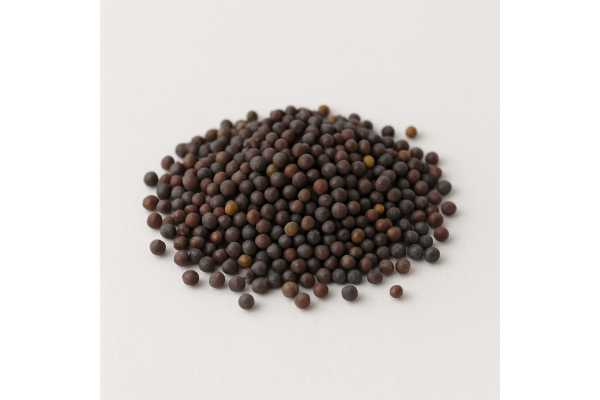
Mustard seeds come from several closely related plants in the Brassica family, most commonly white or yellow mustard (Sinapis alba), brown mustard (Brassica juncea), and black mustard (Brassica nigra). Despite the name “white,” white or yellow mustard seeds are pale straw-colored and milder in flavor. Brown and black mustard seeds are darker, smaller, and noticeably hotter, with a sharper, lingering pungency.
In the kitchen, mustard seeds play different roles depending on how they are treated. Whole seeds can be tempered briefly in hot oil until they “pop,” adding nutty aroma and gentle heat to curries, lentil dishes, and vegetable stir-fries. Dry-roasting deepens their flavor and reduces sharpness. Ground mustard is used in spice blends, rubs, and dry marinades, while soaking and mixing with water, vinegar, and salt creates the familiar prepared mustard spreads and sauces.
The characteristic heat of mustard seeds does not come pre-formed. When the seed’s tissues are broken (by grinding, chewing, or crushing) and exposed to moisture, the enzyme myrosinase converts stored glucosinolates into more active compounds such as isothiocyanates. The exact mix of these breakdown products determines whether a mustard tastes mild and tangy or intensely hot and nose-tingling. Temperature, soaking time, and the acidity of the liquid all influence this transformation, explaining why different mustard condiments can taste so different even if they start from the same seed.
Culinary traditions around the world use mustard seeds in distinct ways. South Asian cuisines often fry whole seeds in ghee or oil with cumin and curry leaves to form a fragrant base. In central and eastern Europe, yellow mustard seeds are key to pickling brines and sausage seasonings. East Asian and African cooking may use mustard seed oil for its sharp aroma and preservative qualities. These patterns matter nutritionally because they determine how much seed is used per portion and whether it is eaten whole, ground, raw, or cooked at high temperatures.
Although mustard seeds are energy-dense, they are typically consumed in small amounts—a teaspoon in a dressing, a tablespoon in a large pot of curry, or the equivalent dispersed through a jar of prepared mustard. This makes them more of an intense flavoring and functional ingredient than a staple calorie source, which shapes how they fit into an overall eating pattern.
For people exploring plant-forward cooking, mustard seeds offer a way to deepen flavor without relying solely on salt or sugar. Used thoughtfully, they can help make vegetables, legumes, and whole grains more appealing, which may indirectly support better dietary patterns over time.
Mustard Seed Nutrition and Compounds
From a nutrition standpoint, mustard seeds are concentrated packages of macronutrients and micronutrients. Per 100 g of ground mustard seed, typical nutrition data indicate around 500 kcal, with roughly 36 g fat, 26 g protein, and about 28 g carbohydrate, including approximately 12 g of fiber. Of course, most people consume far less than 100 g at a time; a tablespoon (about 6 g) provides closer to 30–35 kcal, roughly 2–2.5 g fat, about 2 g protein, and around 1 g fiber.
The fat in mustard seeds is primarily unsaturated, including both monounsaturated and polyunsaturated fatty acids. Among the polyunsaturated fats, alpha-linolenic acid (ALA), a plant-derived omega-3 fatty acid, is notable. While mustard seeds are not as famous a source of omega-3s as flax or chia, they can still make a small contribution to overall intake, especially when used frequently in cooking oils or pastes.
Protein content is relatively high for a spice, with close to a quarter of the seed’s weight coming from protein. The amino acid profile includes essential amino acids like lysine and methionine, though mustard protein is usually considered a complement to other plant proteins rather than a sole source. Carbohydrates are moderate, but because total serving sizes are small and fiber content is substantial, mustard seeds have a low glycemic load in typical culinary portions.
Minerals are another strength. Mustard seeds provide meaningful amounts of calcium, magnesium, phosphorus, potassium, and iron, along with trace elements such as zinc, copper, and selenium. For example, 100 g of ground mustard seed can deliver several hundred milligrams of calcium and significant iron and magnesium. Even when scaled to teaspoon or tablespoon amounts, mustard seeds can add small but useful increments of these minerals to a meal, particularly in predominantly plant-based diets.
Beyond classic nutrients, mustard seeds are rich in phytochemicals. Glucosinolates (such as sinigrin and sinalbin) are the best known. On their own, glucosinolates are relatively inert, but when myrosinase breaks them down, they produce isothiocyanates and related sulfur-containing compounds. These breakdown products are responsible for mustard’s pungent aroma and much of its studied biological activity.
Mustard seeds also contain phenolic compounds (such as phenolic acids and flavonoids), tocopherols (forms of vitamin E), and other antioxidant molecules. Together, these compounds may help reduce oxidative stress in experimental models. The exact profile varies with seed type, growing conditions, and processing methods. For example, brown mustard seeds typically have higher glucosinolate content than yellow seeds, while heat and prolonged storage can reduce the levels of some heat-sensitive or volatile components.
Because mustard seeds are usually part of mixed dishes, their nutritional contribution depends heavily on context. Tempering seeds in generous amounts of cooking fat adds calories and alters the overall fat profile of the dish. Using ground mustard in a low-oil dressing or marinade, on the other hand, adds flavor and some micronutrients with minimal energy cost. Viewing mustard as a flexible flavor tool within the broader pattern of a person’s diet is more useful than focusing on single-nutrient numbers in isolation.
For individuals seeking to optimize their diet quality, mustard seeds can be used to enhance the palatability of nutrient-dense foods such as legumes, dark green vegetables, and whole grains, making it easier to maintain a varied and satisfying eating pattern.
Health Benefits of Mustard Seed
Interest in mustard seed’s health effects comes largely from its unique mix of glucosinolates, isothiocyanates, polyphenols, and unsaturated fats. Most of the detailed mechanistic work has been done in cell cultures and animal models, but there are also human data from studies on cruciferous vegetables and glucosinolate-rich foods more broadly. The evidence supports several plausible benefit areas, although the strength of support varies.
One area of focus is antioxidant and anti-inflammatory activity. Isothiocyanates derived from mustard glucosinolates have been shown in experimental systems to activate cellular defense pathways that upregulate antioxidant enzymes and downregulate pro-inflammatory signaling. In theory, this could help the body better handle oxidative stress associated with chronic conditions such as cardiovascular disease, metabolic dysfunction, or some neurodegenerative disorders. In practice, most of this evidence comes from doses higher and more controlled than those in everyday cooking, so it is more accurate to say that mustard seeds may contribute modestly to an overall plant-rich, anti-inflammatory eating pattern.
Cardiometabolic health is another potential benefit area. The unsaturated fats in mustard seeds, including ALA, may support healthier blood lipid profiles when they replace saturated fats in the diet. Plant protein and fiber from the seeds can slow digestion, support satiety, and help regulate postmeal blood sugar responses. Because mustard seeds are low in digestible carbohydrates and have a low glycemic load in normal serving sizes, they fit well into diets designed for blood sugar management, such as for people with insulin resistance or type 2 diabetes, assuming no allergy or other contraindications.
There is also interest in the possible anti-cancer properties of mustard-derived isothiocyanates. In cell culture and animal models, these compounds can influence carcinogen metabolism, DNA protection, and cell cycle regulation. Populations that consume many cruciferous vegetables, which share the glucosinolate–isothiocyanate pathway, often show lower rates of certain cancers in observational studies. However, these associations are influenced by many lifestyle factors, and controlled human trials using mustard specifically remain limited. It is therefore more realistic to view mustard seeds as one piece of a broader cruciferous-vegetable and plant-food pattern rather than as a stand-alone cancer-preventive agent.
Digestive and oral health are additional areas where mustard seeds are sometimes highlighted. Their pungency can stimulate saliva and gastric secretions, which may improve subjective digestion for some people. Some experimental work on mustard seed extracts shows antimicrobial and anti-inflammatory activity against certain oral microorganisms, suggesting potential applications in oral care formulations. For everyday eating, however, these effects likely remain modest and highly individualized.
Mustard has also been used in traditional medicine, including topical mustard plasters for aches or congestion. While some of these uses have plausible mechanisms, they also carry risks of skin irritation or burns and should not be applied without expert guidance. Overall, the most evidence-aligned way to use mustard seeds is as a culinary ingredient within an overall health-supportive diet, rather than as a high-dose supplement or home remedy.
For most people, the greatest “benefit” of mustard seeds is practical: they make nutrient-dense foods taste better. A diet that is rich in vegetables, legumes, whole grains, nuts, and seeds is easier to maintain when meals are flavorful and satisfying, and mustard seeds can play a small but useful role in that equation.
Potential Risks and Allergies
For a small number of people, mustard seeds are not just a seasoning but a significant health risk. In several regions, mustard is classified as a priority allergen. Even trace amounts hidden in sauces, spice mixes, or processed foods can trigger reactions ranging from mild oral itching to severe anaphylaxis. Symptoms may include hives, swelling of the lips or throat, difficulty breathing, wheezing, abdominal pain, or vomiting.
Mustard allergy can present in different forms. Classic immune-mediated food allergy typically causes rapid-onset symptoms after exposure, while pollen–food allergy syndromes can cause oral itching and throat discomfort in people sensitized to related pollens, such as mugwort. Cross-reactivity has also been observed between mustard seed storage proteins and proteins in some tree nuts and peanuts, although the clinical significance varies between individuals. Because mustard can appear under different names or in generic “spices” listings, people with confirmed allergy are usually advised to work closely with an allergy specialist and to carry prescribed emergency medication.
Beyond allergy, mustard seeds can cause intolerance in some individuals. In this case, the immune system is not directly involved; instead, people may experience heartburn, indigestion, or gastrointestinal discomfort after consuming spicy foods or concentrated mustard products. These reactions are typically dose-dependent and uncomfortable rather than life-threatening, but they may still warrant dietary adjustment.
There are also theoretical risks associated with glucosinolates and their breakdown products at high, chronic intakes. In animal nutrition, very large amounts of Brassica seeds or meals can interfere with thyroid function, primarily when dietary iodine is insufficient. Human data at culinary intake levels are far less concerning, especially when iodine intake is adequate and mustard seeds are used in small quantities. Nonetheless, people with thyroid disorders who are considering concentrated mustard seed supplements or very frequent use should first discuss this with their healthcare provider.
Prepared mustard condiments, though derived from seeds, may carry additional considerations. Some commercial products are high in sodium or contain added sugars, colorings, or preservatives. For individuals managing high blood pressure or cardiovascular risk, the sodium content of the overall diet is more important than the mustard seed itself. Reading labels and choosing lower-sodium or more simply formulated products can help keep condiment use within a health-supportive pattern.
Topical mustard applications, such as plasters, pastes, or mustard baths, can irritate or burn the skin if too concentrated or left in place too long. People with sensitive skin, children, and older adults are particularly vulnerable. Because the boundary between “stimulating circulation” and causing damage can be narrow, home use of strong mustard preparations on the skin is generally discouraged without professional supervision.
In summary, for most people, culinary use of mustard seeds in modest quantities is considered safe. Those with known or suspected allergy, recurrent unexplained reactions after eating mustard-containing foods, significant gastrointestinal or thyroid conditions, or complex medication regimens should seek personalized advice before relying on mustard seeds as a regular health tool.
Choosing and Storing Mustard Seeds
Selecting good-quality mustard seeds helps maximize both flavor and potential nutritional value. In many markets, you will see yellow (white), brown, and sometimes black mustard seeds. Yellow seeds are larger, pale beige to light yellow, and relatively mild. Brown seeds are smaller, reddish-brown, and more pungent. Black seeds are tiny, deep brown to almost black, and can be harder to find in retail settings but are prized in some regional cuisines for their intense aroma.
When buying whole seeds, look for a uniform color with minimal broken pieces, dust, or foreign material. Seeds should be dry, firm, and free-flowing rather than clumped, which can indicate moisture exposure. A faint, fresh aroma is a good sign; a stale, musty, or rancid smell suggests age or improper storage. For ground mustard, choose products in opaque, tightly sealed containers with a clear “best by” date, and avoid jars that smell flat or dusty rather than sharp and fresh.
Organic or non-organic mustard seed is largely a matter of personal preference and regional agricultural practices. Because mustard plants are relatively hardy and often used as cover crops or rotation crops, they can be comparatively low-input compared with some other oilseeds. Locally sourced or certified products can sometimes offer greater transparency about production methods, pesticide use, and worker conditions.
Sustainability considerations extend beyond farming. Whole seeds generally keep longer and are less processed than ready-made condiments. Buying seeds in modest quantities from bulk bins or small packages helps limit food waste and maintain freshness. Glass jars or metal tins that can be reused or recycled are preferable to multi-layer plastic packaging. Choosing multi-purpose products—such as mustard seeds that work for both cooking and pickling—can also reduce the number of different ingredients you need to store.
Proper storage is key to preserving mustard’s aroma and quality. Whole seeds keep well for about a year, sometimes longer, if stored in an airtight container in a cool, dark place away from direct sunlight and heat sources. A closed cupboard or pantry away from the stove is ideal. Exposure to heat, light, moisture, or air accelerates loss of volatile compounds and can eventually lead to off-flavors.
Ground mustard powder is more fragile because of its greater surface area. Flavor and potency typically decline after several months, even if the product remains safe to eat. Labeling the container with the date of opening can help you track freshness. If you only use small amounts occasionally, consider buying smaller containers rather than large economy packs.
Prepared mustard sauces typically have longer shelf lives due to added vinegar, salt, and sometimes preservatives. They should be stored according to label instructions, usually refrigerated after opening. Nonetheless, texture, color, and flavor can drift over time. Discard any product that shows mold, separation with an off odor, or significant changes in appearance.
By choosing high-quality mustard seeds and storing them carefully, you preserve not only their culinary value but also the integrity of the delicate phytochemicals that give mustard much of its interest from a nutrition and health perspective.
Cooking Mustard Seeds for Nutrition
How you prepare mustard seeds determines not just their flavor but also which nutrients and bioactives you keep or transform. A helpful starting point is to remember that the key enzyme myrosinase is heat-sensitive. Intense, prolonged heating can reduce its activity and alter the profile of isothiocyanates formed, whereas gentler treatment or combining raw and cooked forms can preserve more of these compounds.
Tempering is one of the most distinctive techniques for using whole mustard seeds. To temper, you heat a small amount of oil in a pan, add the seeds, and allow them to crackle and pop for a short time before adding other ingredients. This process releases aromatic compounds into the oil and softens the seeds, making them more pleasant to eat. To balance flavor with retention of delicate components, keep the tempering step brief and avoid letting the seeds burn; they should darken slightly and smell nutty, not acrid.
Dry-roasting is another option. Spreading mustard seeds in a thin layer in a dry pan and gently toasting them over medium heat can mellow their bite and bring out a warm, nutty character. Once cooled, these roasted seeds can be lightly crushed and sprinkled onto salads, yogurt, roasted vegetables, or grain bowls. This method adds flavor and crunch with only the minimal added fat from the dish itself.
For sauces and dressings, ground mustard or crushed seeds can be combined with water, vinegar or lemon juice, salt, and optional sweeteners. The initial mixing with cold water allows myrosinase to act on glucosinolates and generate pungent isothiocyanates. Acid is then added to stabilize flavor and slow further reactions. If you prefer a milder mustard, you can alter the soaking time, use warmer water, or add acid sooner; all of these adjustments influence the final heat and aromatic profile.
A simple sequence for using mustard seeds in everyday cooking might look like this:
- For curries, dals, or sautéed vegetables: briefly temper ½–1 teaspoon of mustard seeds in oil with complementary spices, then add onions, garlic, or other aromatics.
- For pickles and brines: add whole yellow seeds to jars with vegetables, salt, vinegar, and herbs to provide both flavor and a subtle preservative effect.
- For dressings and marinades: whisk ground mustard or mustard powder into vinegar, oil, and seasonings to help emulsify the mixture and add gentle heat.
- For toppings: lightly crush dry-roasted seeds and sprinkle over cooked grains, roasted vegetables, or legumes just before serving to preserve their aroma.
From a nutrition perspective, aim to use cooking methods that avoid excessive charring or prolonged high heat, which can degrade sensitive components and create unwanted by-products. Pair mustard seeds with a variety of vegetables, legumes, and whole grains so that they contribute to an overall nutrient-dense meal rather than simply adding salt or fat. Because seeds are energy-dense, even small adjustments—using a teaspoon of oil for tempering instead of several tablespoons, for example—can make a meaningful difference over time.
People who are new to mustard seeds may want to start with smaller amounts and milder yellow seeds, gradually adjusting quantities as they learn their personal tolerance for heat and pungency. Combining raw or lightly processed mustard (such as a spoonful of prepared mustard) with cooked dishes can offer both flavor complexity and a diversified profile of mustard-derived compounds.
Portions, Comparisons and Common Questions
Because mustard seeds are so pungent, it is rare to eat them in large standalone quantities. For most adults without allergy or specific medical restrictions, reasonable culinary use often falls in the range of 1–2 teaspoons (about 3–6 g) at a time within a dish, up to around 1 tablespoon (about 10–12 g) spread across the day. Many people will naturally eat far less, for example by using a thin layer of prepared mustard on a sandwich or a teaspoon of seeds in a pot of soup that serves several people.
Within a balanced diet, these amounts fit comfortably into daily energy and nutrient targets. However, using mustard seed or mustard oil as a concentrated home remedy or supplement can push intake well beyond traditional levels. If you are considering capsules, extracts, or very frequent use for a specific health goal, it is wise to discuss this with a healthcare professional, particularly if you take medication, have thyroid or gastrointestinal conditions, or are pregnant or breastfeeding.
Compared with other seeds, mustard seeds offer a distinctive profile. Flax and chia seeds are richer in omega-3 fats and fiber and are typically eaten in larger quantities, often by the tablespoon. Sesame seeds provide more calcium and are widely used as a garnish and tahini base. Sunflower and pumpkin seeds supply generous amounts of vitamin E and magnesium. Mustard seeds hold their own with respectable protein and mineral content, but their main distinguishing features are their pungent sulfur compounds and their traditional use in small, flavor-focused amounts.
A few common questions often arise:
- Are mustard seeds suitable for people with diabetes?
In usual culinary portions, mustard seeds are low in digestible carbohydrate and have a low glycemic load. When used to season fiber-rich, minimally processed foods, they can fit well into a blood sugar-aware eating pattern, assuming there is no allergy and overall meal composition is considered. - Are mustard seeds compatible with low-carbohydrate or ketogenic diets?
Yes, typical amounts are small enough in carbohydrate content that they can be used freely for flavor in most low-carbohydrate frameworks. More attention should be paid to the ingredients in prepared mustard sauces, which may include added sugars. - Are whole or ground mustard seeds healthier?
Nutritionally, whole and ground seeds are very similar. Ground forms are more convenient but lose aroma faster and can be easier to overuse. Whole seeds offer better shelf life and more texture. The best choice depends on how you cook and how quickly you use them. - Are mustard seeds safe for children?
For children without known allergy, small amounts of mustard in mixed foods are typically well tolerated, though very spicy preparations may be uncomfortable. Because mustard can cause severe reactions in sensitive individuals, caregivers should introduce it cautiously, watch for symptoms, and seek advice if there is a strong family history of food allergy.
Overall, mustard seeds are best treated as one part of a diverse seed and spice toolkit. Rotating them with other seeds and herbs spreads both benefits and risks, helping you build an eating pattern that is flavorful, varied, and sustainable over the long term.
References
- Spices, mustard seed, ground: Full Nutrition Profile (USDA FoodData Central) 2021 (Data resource)
- Mustard seeds as a bioactive component of food 2021 (Review)
- Beneficial health effects of glucosinolates-derived isothiocyanates, nitriles, and thiocyanates on human health 2022 (Systematic review)
- Glucosinolates, isothiocyanates, and human health 2018 (Review)
- Mustard Allergy: Symptoms, diagnosis, and treatment 2023 (Clinical guidance)
Disclaimer
The information in this article is for general educational purposes only and is not intended to replace personalized medical advice, diagnosis, or treatment. Nutrition and health needs vary widely between individuals, especially for those with allergies, chronic illnesses, pregnancy, or complex medication use. Always consult a qualified healthcare professional or registered dietitian before making significant changes to your diet, using mustard seeds as a supplement, or managing any health condition.
If you found this article helpful, you are kindly invited to share it on Facebook, X (formerly Twitter), or any platform you prefer. Your thoughtful support helps others discover reliable information and allows our team to continue creating clear, evidence-informed nutrition content.