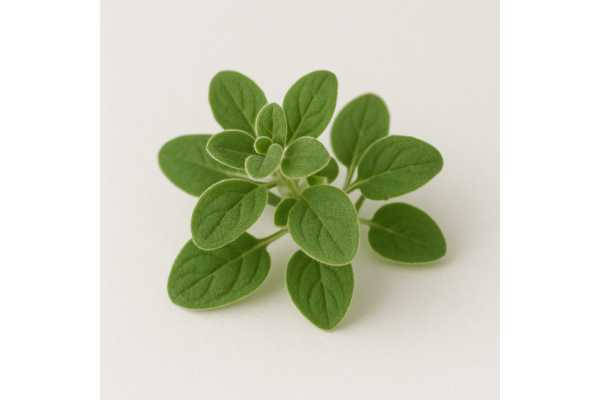
Marjoram is a fragrant Mediterranean herb that quietly transforms dishes and may offer more health value than its delicate leaves suggest. Belonging to the mint family, it brings a warm, slightly sweet, woodsy aroma that pairs naturally with vegetables, legumes, poultry, and slow-cooked stews. In its dried form, marjoram is nutritionally dense, supplying fiber, plant compounds, and notable amounts of several vitamins and minerals in very small quantities of food.
Beyond the kitchen, marjoram has a long history in traditional medicine systems for easing digestion, soothing the nervous system, and supporting respiratory and menstrual comfort. Modern laboratory and clinical research is beginning to explore these uses, especially the herb’s essential oil and concentrated extracts. At the same time, marjoram is generally safe in culinary amounts, though concentrated forms deserve more caution. This guide walks through what marjoram can realistically offer, how to use it well, and what to keep in mind if you have specific health conditions or take medications.
Marjoram Fast Facts
- Provides concentrated antioxidants and aromatic oils that support flavor and overall dietary quality.
- Supplies vitamin K, iron, and other minerals in small volumes, especially when used regularly in cooking.
- Typical culinary intake is 0.5–1 teaspoon (about 0.5–1.5 g) dried marjoram per serving, used once or twice daily in meals.
- High doses of essential oil or supplements may not be appropriate during pregnancy or for people with certain medical conditions.
- Individuals on blood thinning or blood sugar lowering medications, or those with known herb allergies, should discuss marjoram use with a health professional.
Table of Contents
- Marjoram uses and background
- Marjoram nutrition and key compounds
- Marjoram research based benefits
- Marjoram safety allergies and interactions
- Buying marjoram quality and storage
- Cooking with marjoram and nutrient retention
- Marjoram portions comparisons and faqs
Marjoram uses and background
Marjoram (Origanum majorana) is a perennial herb in the Lamiaceae family, closely related to oregano, thyme, and basil. Sometimes called “sweet marjoram,” it has a milder, more floral profile than oregano, with hints of pine, citrus, and camphor. This makes it especially suitable for dishes where a softer, layered aroma is preferable to sharp pungency.
Historically, marjoram has been cultivated around the Mediterranean and Middle East, then adopted into European cuisines. Traditionally it symbolized joy and healing, and infusions or poultices were used for digestive complaints, menstrual discomfort, coughs, and minor aches. While traditional uses do not prove benefit, they provide context for why the herb is still included in many herbal blends.
In modern cooking, marjoram appears in:
- Herb blends such as herbes de Provence or Italian-style seasoning.
- Tomato sauces, pizzas, and casseroles where it adds depth without overpowering other herbs.
- Vegetable dishes involving zucchini, eggplant, mushrooms, and beans.
- Poultry, pork, and lamb marinades, often together with garlic and lemon.
- Salad dressings, flavored oils, and infused vinegars.
Marjoram is available fresh, dried leaves (whole or crumbled), and as a distilled essential oil. Fresh marjoram is delicate and best added toward the end of cooking. Dried marjoram is convenient, shelf stable, and more concentrated in certain nutrients and phytochemicals per gram. Essential oil is highly concentrated and used primarily for aromatherapy or, under expert guidance, in topical preparations.
It is also important to distinguish marjoram from closely related oregano species. Oregano generally tastes sharper and more peppery, with higher levels of some pungent phenolic compounds. Marjoram leans sweeter and more floral, which is why some cooks prefer it for lighter dishes, eggs, white sauces, and fish.
Overall, marjoram is best thought of as a subtle “finishing” herb that layers aroma, contributes a touch of bitterness to balance richness, and slightly boosts the nutrient and phytochemical content of a dish without adding salt, sugar, or fat.
Marjoram nutrition and key compounds
Dried marjoram is lightweight but nutritionally dense. A typical culinary portion of about one teaspoon (roughly 0.7–1 g) supplies only a few kilocalories, mainly from small amounts of carbohydrate and fiber, with negligible protein and fat. Even in such small quantities, it contributes meaningful micronutrients when used consistently.
Key nutrients in dried marjoram include:
- Vitamin K: Marjoram is notably rich in vitamin K, which plays a central role in normal blood clotting and bone metabolism.
- Iron: Provides small but relevant amounts of iron, which can contribute to total intake, particularly in plant-focused diets.
- Manganese: Supplies this trace mineral involved in antioxidant enzyme systems and connective tissue formation.
- Calcium and magnesium: Offer modest support for bone health, muscle function, and normal nerve signaling.
- Fiber: Although each serving is tiny, frequent use adds up, contributing to overall dietary fiber intake.
Because culinary amounts are small, marjoram should not be relied on as a primary source of any nutrient. Instead, think of it as a nutrient “booster” that layers micronutrients and plant compounds onto already-balanced meals.
Marjoram is also rich in bioactive phytochemicals, including:
- Essential oil components such as terpinen-4-ol, sabinene hydrate, linalool, carvacrol, and thymol. These volatile compounds contribute aroma and many of the antimicrobial and antioxidant actions seen in laboratory studies.
- Phenolic acids, including rosmarinic acid and caffeic acid derivatives, which have antioxidant and potential anti-inflammatory properties.
- Flavonoids such as apigenin, luteolin, and others, which may influence cell signaling pathways involved in inflammation and oxidative stress.
The composition of marjoram’s essential oil varies with growing conditions, harvest time, and processing. Some chemotypes have higher proportions of phenolic monoterpenes like carvacrol and thymol, which tend to show stronger antimicrobial and antioxidant activity in laboratory tests. Others are richer in oxygenated monoterpenes like terpinen-4-ol and linalool, often associated with calming aromas and slightly different biological profiles.
Importantly, there is a difference between the phytochemical exposure from culinary use and from concentrated preparations. When you add a teaspoon of dried marjoram to a stew, you obtain modest levels of these compounds, integrated into food and consumed alongside fat, fiber, and other nutrients. Extracts and essential oils can deliver much higher doses in isolated form, which may increase both potential benefits and potential risks.
In summary, marjoram contributes micronutrients, fiber, and diverse plant compounds, particularly when used regularly in cooking. Its overall impact on health depends on this cumulative, food-based use rather than on any single serving.
Marjoram research based benefits
Interest in marjoram’s health effects has grown as researchers study its extracts, essential oil, and isolated constituents in cell and animal models, and to a smaller extent in human trials. While findings are promising, they should be interpreted with realistic expectations, especially when data come from concentrated preparations rather than typical culinary use.
Antioxidant and anti-inflammatory support
Marjoram’s phenolic acids and flavonoids exhibit strong free radical scavenging activity in laboratory assays. Extracts can protect lipids, proteins, and DNA from oxidative damage in test systems. Some studies show that specific marjoram compounds influence pathways involved in inflammation, including signaling proteins that regulate pro-inflammatory cytokine production. These effects suggest that incorporating marjoram into a varied, plant-rich diet may contribute modestly to overall antioxidant and anti-inflammatory support.
Digestive comfort and gut function
Traditional uses of marjoram as a carminative and digestive aid are supported by experimental evidence showing mild antispasmodic and smooth muscle relaxing effects in gastrointestinal tissues. These actions might help explain why marjoram tea or seasoning has been used for bloating, gas, and cramping. While large, well-controlled clinical trials are lacking, many people find that using marjoram in legume dishes, heavy stews, or meals rich in fat makes them feel more comfortable.
Metabolic and cardiovascular markers
In cell and animal studies, marjoram extracts have influenced enzymes involved in carbohydrate metabolism and improved selected markers such as blood lipids, oxidative stress parameters, or insulin sensitivity. Human data are limited but suggest that marjoram, especially in combination with other lifestyle changes, may have a small, supportive role in maintaining healthy metabolic function. It should not replace standard medical care for diabetes, high cholesterol, or hypertension.
Immune-modulating properties
Laboratory research has identified marjoram constituents that can modulate immune cells, altering cytokine production and surface markers associated with activation. In these models, certain compounds stimulate aspects of innate immune responses, while others may dampen excessive inflammation. This dual action suggests marjoram might help fine-tune immune function, but direct translation to clinical outcomes in humans remains uncertain.
Stress, mood, and aromatherapy
Because marjoram essential oil has a warm, calming scent, it is often used in aromatherapy for relaxation and stress relief. Clinical work with inhaled marjoram oil in high-stress environments, such as hospital settings, has reported reductions in perceived stress and anxiety scores compared with controls. These effects likely involve both psychological responses to pleasant aroma and physiological interactions with brain regions that process olfactory signals.
Antimicrobial and food-preserving effects
Marjoram essential oil shows activity against bacteria, yeasts, and molds in vitro. At sufficient concentrations, it can inhibit growth or damage microbial cell membranes. In food systems, marjoram extracts have been tested as natural preservatives, sometimes in combination with other herbs, to slow spoilage and reduce microbial contamination. In home kitchens, using marjoram in marinades and seasonings can modestly support hygiene, but should never replace proper cooking temperatures, refrigeration, or food safety practices.
Taken together, current evidence positions marjoram as a potentially helpful adjunct to a healthy lifestyle, mainly as part of a balanced diet or carefully used aromatherapy. It is not a stand-alone treatment for medical conditions.
Marjoram safety allergies and interactions
For most healthy adults, marjoram used in normal culinary amounts is considered low risk. However, some situations require caution, especially when using concentrated forms such as essential oils, tinctures, or high-dose supplements.
Culinary use versus concentrated products
Sprinkling dried marjoram onto food or drinking occasional marjoram tea typically involves very small doses of its active compounds. Adverse effects in this context are rare. In contrast, essential oils contain high concentrations and can cause irritation or toxicity if misused. Undiluted marjoram essential oil should not be applied directly to skin or ingested, and even diluted topical or inhaled use should follow professional guidance.
Allergic reactions and sensitivities
Marjoram belongs to the mint family, so individuals who react to other Lamiaceae herbs such as oregano, thyme, basil, or mint may also react to marjoram. Possible reactions include:
- Skin irritation or contact dermatitis when handling the fresh plant or applying topical products.
- Oral itching, tingling, or swelling after eating foods heavily seasoned with marjoram.
- Very rarely, more generalized allergic responses.
Anyone with a history of herb or pollen allergies should introduce marjoram in small amounts and stop use if symptoms arise.
Digestive and respiratory effects
In sensitive individuals, strong infusions or very heavily seasoned dishes can cause mild digestive upset, heartburn, or reflux. Inhalation of concentrated essential oil may provoke coughing or airway irritation, particularly in people with asthma or chronic lung disease. Using low to moderate amounts and good ventilation usually avoids these issues.
Medication interactions
Several theoretical interactions are worth considering:
- Blood thinning medication: Because marjoram contains vitamin K, sudden large increases in intake could, in theory, influence responses to vitamin K–sensitive anticoagulants. Consistent, moderate culinary use is generally not problematic, but any major dietary change should be discussed with the prescribing clinician.
- Blood sugar lowering drugs: Experimental data suggest marjoram extracts can influence glucose metabolism. People using insulin or oral hypoglycemics should be cautious with concentrated marjoram supplements and monitor blood sugar closely under medical supervision.
- Sedatives and central nervous system agents: Aromatherapy with marjoram oil may have mild calming effects. In theory, this could slightly add to the sedative burden of certain medications, although evidence is limited and culinary use is unlikely to be significant.
Pregnancy, breastfeeding, and children
Because of marjoram’s traditional use in affecting menstrual cycles and uterine tone, many herbal references advise against medicinal doses of marjoram (strong teas, extracts, or high-dose supplements) during pregnancy. Culinary amounts are typically regarded as acceptable, but pregnant or breastfeeding individuals should consult their healthcare provider before using marjoram therapeutically or via essential oil.
Essential oils are not recommended for ingestion in children and should be kept out of reach to prevent accidental swallowing. Diffusion of small amounts in open, ventilated spaces is usually better tolerated than topical or oral use in this group.
In summary, marjoram is broadly safe in food-level quantities but deserves respect in more concentrated forms. When in doubt, err on the side of moderation and seek personalised advice.
Buying marjoram quality and storage
Choosing good-quality marjoram and storing it well makes a noticeable difference in both flavor and potential health value.
Fresh marjoram
Fresh marjoram is often sold in small bunches or clamshell packs. Look for:
- Vibrant green leaves with minimal yellowing or browning.
- Firm stems and leaves that are not limp or slimy.
- A clear, pleasant aroma when you gently rub a leaf between your fingers.
Avoid bunches with dark, wet spots, mold, or strong off-odors. Once home, lightly wrap fresh sprigs in a barely damp paper towel and place them in a loosely closed bag or reusable container in the refrigerator. Alternatively, stand the stems in a small jar of water like a bouquet, with a loose cover, and refrigerate. Use fresh marjoram within 3–5 days for best aroma.
Dried marjoram
Dried marjoram is widely available as whole leaves or a finely crumbled form. To select higher-quality dried marjoram:
- Prefer products where the leaves still retain some green color rather than being completely brown or gray.
- Choose airtight containers, ideally opaque or in dark glass, to protect against light and moisture.
- Check the “best by” or packing date and opt for the freshest available.
Bulk herb bins can be economical but may expose the herb to air, light, and contamination. If buying in bulk, choose stores with good turnover and strong aroma in the herbs.
Sustainability considerations
Marjoram can be grown in home gardens, containers, and community plots, which reduces transport and packaging impacts. When purchasing, selecting growers that prioritize sustainable farming, reduced pesticide use, and soil health helps support more resilient food systems. Organic certification can be one signal, but small local producers may also use ecologically responsible practices without formal labels.
Storage at home
To preserve flavor and phytochemicals:
- Keep dried marjoram in an airtight container in a cool, dark place away from the stove, oven, or direct sunlight.
- Avoid leaving containers open, as essential oils evaporate over time.
- Label containers with the purchase or opening date.
As a general guideline, dried marjoram is at its best for about 6–12 months after opening. After that, it is still safe if stored dry and free from mold, but aroma and potency gradually decline. To test, crush a small amount in your hand; if the scent is faint, it may be time to replace it.
You can also freeze fresh marjoram: finely chop the leaves, pack them into ice cube trays with a little water or oil, and freeze. The cubes can then be added directly to soups, sauces, or sautés, providing better aroma than long-stored dried leaves for some dishes.
Cooking with marjoram and nutrient retention
Because marjoram’s key compounds are volatile and sensitive to heat and prolonged cooking, how you use it in recipes affects both flavor and potential benefits.
When to add marjoram
- Fresh marjoram: Add near the end of cooking or sprinkle over cooked dishes just before serving. This preserves delicate top notes and reduces loss of essential oils.
- Dried marjoram: Add earlier in the cooking process for stews, soups, and braises so the flavor can infuse the dish, but consider reserving a small extra pinch for the last few minutes to refresh aroma.
For quick-cooking dishes like scrambled eggs or sautéed vegetables, dried marjoram can be added with other seasonings at the outset, since cooking times are short.
Pairing marjoram with fats and acids
Many aromatic compounds in marjoram are fat-soluble, meaning they are extracted and carried well by oils and animal fats. Using marjoram in:
- Olive oil–based marinades,
- Butter or ghee for finishing vegetables, or
- Dressings containing both oil and vinegar or citrus juice
can enhance its aromatic distribution throughout the dish. Gentle acidity from lemon, lime, or mild vinegar also brightens marjoram’s flavor and may help balance richness.
Infusions and teas
Marjoram tea is made by steeping 1–2 teaspoons of dried marjoram (or a small handful of fresh sprigs) in hot water for about 5–10 minutes, then straining. Covering the cup during steeping helps keep volatile oils from evaporating. The resulting infusion is light, aromatic, and can be enjoyed plain or with a small amount of honey or lemon.
As with any herbal infusion, more is not always better. Strong, prolonged steeping can produce a more bitter drink and is more likely to cause digestive discomfort in sensitive individuals.
Simple culinary ideas
- Sprinkle dried marjoram over roasted root vegetables together with garlic and a drizzle of oil.
- Combine marjoram with thyme, rosemary, and black pepper as a rub for poultry or fish.
- Add to tomato-based soups and sauces for a rounder, less sharp herbal profile than oregano alone.
- Use fresh marjoram leaves to garnish omelettes, grain bowls, or grilled vegetables.
- Stir a small amount into bean dishes to complement bay leaf and cumin.
Essential oil and aromatherapy
If using marjoram essential oil for its aroma:
- Use only high-quality products intended for aromatherapy.
- For diffusion, a common guideline is 2–4 drops in a standard water-based diffuser, run for limited periods in a well-ventilated space.
- For topical use, ensure proper dilution in a carrier oil and perform a patch test to check for skin sensitivity.
Essential oils should not be ingested unless under the direct supervision of a qualified practitioner, as concentrated constituents can irritate mucous membranes, affect liver metabolism, or interact with medications.
By treating marjoram as both a culinary tool and a source of gentle plant compounds, you can integrate it into daily cooking in ways that are safe, flavorful, and supportive of an overall nutrient-rich pattern of eating.
Marjoram portions comparisons and faqs
Because marjoram is so aromatic, only small amounts are needed for culinary effect. Understanding reasonable portions helps you enjoy its flavor and potential benefits without overdoing it.
Typical serving sizes
For most adults, common culinary use looks like:
- Per serving of cooked food: about 0.5–1 teaspoon dried marjoram (roughly 0.5–1.5 g), or 1–2 teaspoons chopped fresh leaves.
- Per day: one to three dishes containing marjoram, depending on preferences and cuisine.
In tea form, 1–2 teaspoons of dried marjoram per cup of hot water, consumed once or twice a day, is a common traditional pattern. People with specific medical conditions or those taking medications should confirm suitability and frequency with their healthcare provider.
Fresh versus dried marjoram
As a rough guide:
- 1 teaspoon dried marjoram ≈ 3 teaspoons (1 tablespoon) chopped fresh marjoram.
Dried marjoram is more concentrated in flavor, so adjust recipes accordingly. When substituting fresh for dried, start with less than the full equivalent and increase gradually, as different batches vary in strength.
How does marjoram compare to other herbs?
- Versus oregano: Marjoram is milder, sweeter, and more floral. Oregano tends to be stronger, more pungent, and slightly more bitter. Many cooks use marjoram when they want a softer, more nuanced flavor.
- Versus thyme: Thyme has a sharper, more resinous profile with a pronounced “woodland” quality. Marjoram overlaps but is less assertive and can be easier to balance in delicate dishes.
- Versus basil: Basil is more peppery and anise-like, especially when fresh. Marjoram’s warmth and hint of camphor give it a different role, often better suited to slow-cooked dishes.
Using a mix of these herbs increases flavor complexity and broadens the spectrum of plant compounds you consume.
Frequently asked questions
Is marjoram safe to eat every day?
For most healthy adults, using marjoram daily as a seasoning is considered acceptable, as long as overall intake remains within normal culinary ranges. If you experience digestive upset, headaches, or unusual symptoms after increasing marjoram use, reduce the amount and consult a professional.
Can marjoram tea help with menstrual discomfort or digestion?
Many people use marjoram tea for these purposes, and traditional use plus some research suggest possible benefits. However, responses are individual, and tea should not replace medical evaluation for significant pain, irregular cycles, or digestive disorders.
Is marjoram safe during pregnancy?
Small culinary amounts in food are generally regarded as acceptable. Strong teas, extracts, or supplements are usually discouraged because of the herb’s traditional association with menstrual effects. Pregnant or breastfeeding individuals should seek personalised medical advice before using marjoram therapeutically.
Should I take marjoram capsules or supplements?
For most people, culinary use and occasional tea offer a good balance of potential benefit and safety. Supplements deliver higher doses and are best considered only under professional guidance, especially if you take medications or have chronic conditions.
By keeping portions moderate, paying attention to how you feel, and prioritizing food-based use, you can let marjoram enhance both the flavor and the nutritional quality of your daily meals.
References
- Traditional use, phytochemistry, toxicology, and pharmacology of Origanum majorana L. 2021 (Systematic Review)
- Origanum majorana L.: A Nutritional Supplement With Immunomodulatory Effects 2021 (Research Article)
- Chemical Composition, Enantiomeric Distribution, Antimicrobial and Antioxidant Activities of Origanum majorana L. Essential Oil from Nepal 2022 (Research Article)
- Inhalation of Origanum majorana L. essential oil while working reduces perceived stress and anxiety levels of nurses in a COVID-19 intensive care unit: A randomized controlled trial 2022 (RCT)
Disclaimer
The information in this article is intended for general educational purposes and is not a substitute for personalised medical advice, diagnosis, or treatment. Marjoram and other herbs can interact with medications and underlying health conditions, particularly when used as concentrated extracts or essential oils. Always consult a qualified healthcare professional before making significant changes to your diet, starting new supplements, or using herbal products for therapeutic purposes, especially if you are pregnant, breastfeeding, have chronic illness, or take prescription medications.
If you found this article helpful, you are welcome to share it with others on Facebook, X (formerly Twitter), or any platform you prefer. Thoughtful sharing helps more readers access reliable information and supports the continued creation of carefully researched content like this.