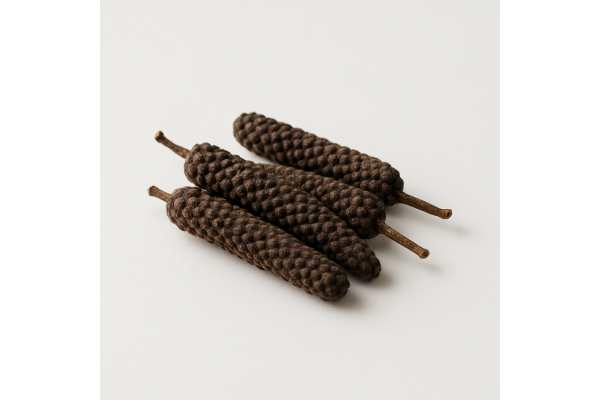
Long pepper, known botanically as Piper longum and often called pippali, is an ancient spice that once held a higher status than black pepper on many trade routes. Its tiny, catkin-like spikes carry a warm, sweetly pungent heat with subtle notes of smoke and dried fruit. Today, long pepper is used in regional cuisines of India and Southeast Asia and in traditional medical systems for digestion, respiratory support, and metabolic health.
Modern research has begun to catch up with this long history, exploring how long pepper’s alkaloids, especially piperine and piperlongumine, might influence inflammation, oxidative stress, nutrient absorption, and even cellular signaling in chronic disease. At the same time, its intense pungency and strong bioactive profile mean it must be used with care, particularly when taken as concentrated extracts.
This article explains what long pepper is, what is known about its nutrition and health effects, how to buy and use it in your kitchen, and how to integrate it safely with existing health conditions and medications.
Core Points on Long Pepper
- Long pepper provides pungent alkaloids and essential oils that support digestion, circulation, and antioxidant defenses when used in modest culinary amounts.
- Experimental and early clinical work suggests roles in respiratory support, metabolic health, liver protection, and modulation of pain and inflammation.
- A practical culinary intake is about 0.5–2 g ground long pepper per day or one mild infusion (150–200 ml) a few times per week, depending on tolerance.
- People with active ulcers, severe reflux, bleeding disorders, complex medication regimens, or pregnancy should avoid high-dose long pepper products and seek medical guidance before regular use.
Table of Contents
- Long Pepper History, Taste and Uses
- Long Pepper Nutrients and Key Phytochemicals
- Science Based Health Effects of Long Pepper
- Long Pepper Risks, Allergies and Interactions
- Choosing Long Pepper Quality and Storage
- Cooking Long Pepper and Preserving Nutrients
- Long Pepper Serving Sizes, Comparisons and FAQs
Long Pepper History, Taste and Uses
Long pepper is a perennial climbing vine in the pepper family whose fruits are harvested as small cylindrical spikes. Each spike is composed of many tiny berries fused together, which are dried whole. The spice has a flavor related to, but distinct from, black pepper: warm, lingering heat with sweet, almost floral notes and a faint smokiness. Many people find the heat builds slowly and lasts longer than ordinary pepper.
Historically, long pepper was prized in ancient Greek, Roman, Middle Eastern, and Indian kitchens. It appears in early medical and culinary texts as a valuable ingredient, often more expensive than black pepper. Over time, as black pepper became abundant and cheaper, long pepper’s global visibility declined, but it remained important in Ayurvedic and other traditional medical systems.
In culinary use today, long pepper shows up in several roles:
- As a table spice, grated or ground over grilled vegetables, meats, and lentil dishes.
- In spice blends, especially traditional formulas combining long pepper with black pepper and ginger to stimulate digestion and warmth.
- In pickles, chutneys, and tangy sauces, where its aromatic heat adds depth.
- In some regional sweets and drinks to balance heaviness, for example in rich milk-based preparations.
In traditional health practices, long pepper is considered a warming, penetrating spice. It is often used:
- to kindle appetite and digestive fire
- to help clear thick mucus in respiratory conditions
- as a supportive ingredient in formulas for low vitality, sluggish metabolism, or joint discomfort
- to enhance the effects of other herbs and nutrients
Modern interest in long pepper has expanded beyond these uses to include its potential roles in metabolic, liver, neurological, and immune health. However, most of this newer work is preclinical or based on small human studies, so it should be seen as exploratory rather than definitive.
Long pepper should not be confused with chili peppers, which belong to an entirely different plant family and derive their heat from capsaicin. Nor is it interchangeable with all “long” peppers globally, such as Javanese long pepper (Piper retrofractum), which shares similarities but has its own chemistry. When an article or product refers to Piper longum, it is specifically the Indian long pepper discussed here.
Long Pepper Nutrients and Key Phytochemicals
From a macronutrient perspective, long pepper is dense but used in tiny amounts. Per 100 g, dried long pepper contains roughly:
- around 350 kcal
- about 60–65 g carbohydrate
- approximately 25 g dietary fiber
- about 10 g protein
- a few grams of fat
In actual kitchen use, however, you might consume only 1–2 g in a day, so the calorie and macronutrient contribution is small. Its nutritional interest lies more in its micronutrients and bioactive compounds.
Long pepper provides minerals such as iron, potassium, and small amounts of magnesium and calcium, along with trace amounts of vitamin C and other vitamins. The high fiber content in the whole spice supports overall digestive health when used regularly, even in small amounts, especially as part of fiber-rich meals.
The most notable constituents are its alkaloids and related phytochemicals:
- Piperine – the primary pungent alkaloid responsible for the characteristic heat of long pepper and black pepper. Piperine can influence gastrointestinal function, thermogenesis, and the activity of metabolizing enzymes.
- Piperlongumine – an amide alkaloid with prominent roles in current research, especially for its actions on oxidative stress and cellular defense pathways.
- Essential oils – including beta-caryophyllene, limonene, sabinene, and others that contribute aroma and may have additional biological activity.
- Other amide alkaloids and lignans – a complex mixture that further broadens long pepper’s pharmacological profile.
Piperine is particularly well known for its ability to enhance the bioavailability of other compounds by modulating enzymes and transporter proteins in the gut and liver. This means it can increase absorption of certain nutrients and plant constituents. It also explains why long pepper or its close relative black pepper often appears in formulas designed to “potentiate” other herbs.
Piperlongumine and related molecules have attracted attention for their actions on oxidative stress and inflammatory signaling. Laboratory work shows that they can influence pathways involved in cell survival, detoxification, and immune responses. These molecular effects underpin many of the proposed benefits of long pepper for chronic inflammatory and degenerative conditions, although human data remain limited.
Different parts of the plant show varying profiles: fruits tend to be richest in piperine and essential oils, while roots and leaves contain overlapping but distinct mixtures of amides and other compounds. Most culinary and traditional medicinal use, however, focuses on the dried fruit spikes.
Finally, the matrix matters. Whole long pepper provides a slower release of its pungent alkaloids, especially when used in cooking, while concentrated extracts or isolated piperine deliver much higher doses quickly. This distinction is central to understanding both potential benefits and risks.
Science Based Health Effects of Long Pepper
Long pepper has been the subject of a growing number of experimental studies and reviews. While human trials are still relatively few, several consistent themes are emerging about its potential roles in health.
Digestive function and nutrient absorption
Traditionally, long pepper is renowned as a digestive stimulant. Experimental work supports this reputation: piperine can increase gastric secretions, improve intestinal blood flow, and stimulate digestive enzyme activity. It may also enhance the absorption of certain nutrients, including some vitamins and plant compounds. In practice, this means that small amounts of long pepper added to meals may help heavy foods feel lighter and support more efficient nutrient uptake for some people.
Respiratory and immune support
Classical texts describe long pepper as helpful in cough, cold, and breathing difficulty. Modern studies show that its alkaloids and essential oils have expectorant, bronchodilatory, and antimicrobial properties in experimental models. A few clinical investigations in respiratory infections and asthma suggest that long pepper-based formulations can reduce symptom scores and improve lung function when used alongside conventional care, although sample sizes are modest and protocols vary.
Metabolic and liver health
Animal models of metabolic syndrome, diabetes, and fatty liver have shown that long pepper extracts can improve glucose tolerance, lipid profiles, and markers of liver damage. Possible mechanisms include reduction of oxidative stress, modulation of inflammatory pathways, and influences on enzymes related to glucose and lipid metabolism. A traditional milk-based preparation of long pepper has demonstrated protective effects against chemically induced liver injury in experimental settings. These findings are promising, but they require confirmation in well-designed human trials before specific dosing recommendations can be made.
Pain, inflammation, and joint health
Piperine and related compounds appear to modulate pain signaling and inflammatory mediators. Studies indicate that long pepper extracts can reduce edema and pain behaviors in animal models of inflammation and arthritis. In traditional practice, long pepper is used both internally and externally in formulas for joint discomfort and generalized aches. Incorporating small amounts into warming herbal blends or topical preparations is consistent with these findings, but more clinical evidence is needed to define therapeutic effectiveness and safety for chronic use.
Neuroprotection and cellular resilience
Network pharmacology analyses of long pepper’s phytochemicals suggest that several compounds may interact with targets involved in neurological function, including receptors and signaling proteins related to mood, cognition, and neurodegeneration. Laboratory data show that piperlongumine and other constituents can influence oxidative stress pathways in nerve cells and may protect against certain toxic insults. These results are intriguing, especially for long-term brain health, but they are early-stage and do not yet translate into clear recommendations for humans.
Cancer-related research
Perhaps the most publicized work involves piperlongumine and its effects on cancer cell lines in vitro and in animal models. At high concentrations, these molecules can trigger apoptosis, inhibit tumor growth, and sensitize cancer cells to other treatments. However, these studies typically use purified compounds at doses far above what normal culinary use would provide. Long pepper should therefore not be viewed as a cancer treatment. Instead, this area of research may guide the future development of new drugs derived from its constituents.
Overall, the current scientific picture positions long pepper as a potent functional spice with multi-target bioactivity. Used in food-level amounts, it can support digestion and contribute antioxidant and anti-inflammatory compounds to the diet. Concentrated extracts may hold therapeutic promise but should be approached conservatively and under professional supervision until human evidence is more robust.
Long Pepper Risks, Allergies and Interactions
Despite its long history of culinary and medicinal use, long pepper is not risk free. Its same pungent alkaloids that confer benefits can cause harm when used in excessive amounts or in vulnerable individuals.
Gastrointestinal irritation
High intakes of long pepper or piperine can irritate the stomach and intestines. Symptoms may include burning in the upper abdomen, nausea, or loose stools. People with active gastritis, peptic ulcer disease, or severe reflux are particularly susceptible and should avoid strong long pepper preparations. Culinary-level use in well-cooked dishes is generally better tolerated than large doses taken on an empty stomach.
Effects on drug metabolism and absorption
Piperine is known to inhibit certain metabolic enzymes and transporters in the gut and liver. This can significantly increase the blood levels of some medications and herbal compounds, sometimes in beneficial ways, but potentially raising the risk of adverse effects. Examples from the literature include drugs for seizures, high blood pressure, and infections, as well as other plant-derived constituents. Because of this bioenhancing effect, people taking critical medications or multiple prescriptions should be cautious with concentrated long pepper or isolated piperine and inform their clinicians about any supplements containing these ingredients.
Blood sugar, blood pressure, and circulation
Experimental work shows that long pepper may modestly influence blood sugar, blood fats, and vascular tone. While this could help support metabolic and cardiovascular health, it also means that high-dose use might amplify the effects of medications for diabetes or hypertension. People in these groups should favor small culinary doses, monitor their readings when introducing long pepper regularly, and avoid high-dose extracts unless supervised.
Reproductive and pregnancy concerns
Animal studies with isolated piperine at moderate to high doses have found effects on male fertility parameters and on implantation and pregnancy outcomes. While these doses are far above what normal food use would provide, they raise reasonable concerns for high-dose piperine or long pepper supplements in people trying to conceive or during pregnancy. In traditional practice, long pepper is sometimes restricted or used only briefly in these contexts. As a precaution, individuals who are pregnant, breastfeeding, or actively trying to conceive should avoid concentrated long pepper preparations and isolated piperine, and keep culinary use moderate.
Allergy and hypersensitivity
Allergic reactions to long pepper are uncommon but possible. Signs might include itching in the mouth, lip or facial swelling, hives, or breathing difficulty shortly after ingestion. Contact dermatitis can also develop with repeated handling of the spice. Anyone suspecting allergy should discontinue use and seek evaluation.
Long-term high-dose safety
Toxicology studies in animals suggest that whole long pepper extracts have a relatively high margin of safety, but they also highlight potential issues with chronic, high-dose intake of piperine, including effects on reproductive organs and liver weights. Risk assessments for isolated piperine have proposed conservative daily intake limits to avoid these concerns. While these findings do not apply directly to modest culinary use, they support a cautious approach to long-term supplementation, especially at doses above what typical diets would supply.
In practical terms, most healthy adults can enjoy long pepper in cooking without difficulty. Problems are more likely when:
- long pepper is used in very large amounts
- extracts or piperine capsules are taken together with medications
- there are underlying digestive, reproductive, or cardiovascular vulnerabilities
In these cases, professional guidance is strongly recommended.
Choosing Long Pepper Quality and Storage
Good-quality long pepper begins with the appearance and aroma of the dried spikes. Each spike is a short, cylindrical structure, typically 2–4 cm long, with a slightly rough, bumpy surface.
What to look for when buying
- Color: Ranges from medium brown to dark brown, sometimes with a greyish cast. Very pale spikes may be under-dried, while extremely black, oily-looking ones could be old or overheated.
- Aroma: When crushed, long pepper should smell warm, spicy, and slightly sweet. A flat, dusty, or musty aroma suggests age or poor storage.
- Texture: The spikes should feel firm and dry, not soft, crumbly, or damp. Visible mold or insect damage is a clear reason to discard.
If you can, buy whole long pepper rather than pre-ground. Whole spikes retain volatile compounds far better and are less prone to oxidation or contamination. Grinding or grating just before use offers the best flavor and ensures you get the full aromatic profile.
Specialty spice shops, well-stocked international markets, and reputable online suppliers are often more reliable sources than casual bulk bins, where spices may have been exposed to light and air for long periods. When shopping online, look for suppliers who specify origin, harvest or packing dates, and quality practices rather than generic, undated stock.
Organic and sustainability considerations
Larger-scale cultivation of long pepper is still relatively limited compared with black pepper, and much of it is grown by small farmers. Choosing producers who support fair pricing and sustainable cultivation practices can help maintain biodiversity and soil health in growing regions. Organic certification is a plus for those concerned about pesticide residues, though it may not always be available. Some quality-focused producers may describe integrated pest management and minimal chemical use even without formal certification.
Storage at home
To preserve quality:
- Transfer long pepper spikes to an airtight glass jar soon after purchase.
- Store the jar in a cool, dark cupboard away from the stove, sunlight, and moisture.
- Avoid keeping the jar directly over a cooking surface, where repeated heating and steam exposure degrade flavor and encourage clumping or mold.
Under good conditions, whole long pepper can maintain strong aroma and potency for about one to two years. Ground long pepper, however, loses its character much more quickly, often within a few months. If you grind a larger batch, consider storing a small working amount in a spice jar and keeping the rest in an airtight container in a cooler, darker spot.
Essential oil and extracts
Concentrated long pepper extracts and piperine capsules should be stored according to manufacturer instructions, usually in a cool, dry place away from light. Check expiry dates, and do not exceed recommended doses without professional advice. Keep such products tightly closed and out of reach of children.
These simple choices and storage habits help ensure that when you use long pepper, you are benefiting from its full flavor and its best possible phytochemical profile.
Cooking Long Pepper and Preserving Nutrients
Long pepper is more than just a hot spice. With thoughtful preparation, you can highlight its complexity while keeping its active compounds as intact as everyday cooking allows.
Preparing long pepper for use
Because the spikes are quite firm, they are rarely used whole at the table. Common approaches include:
- Cracking: Lightly crush the spikes in a mortar or with the side of a knife to expose more surface area before adding them to broths or stews.
- Grinding: Use a spice grinder, strong mortar and pestle, or fine grater to powder the dried spikes. This is ideal when you want even distribution in a spice blend.
- Infusing: Simmer whole or cracked spikes in liquid, such as milk, broth, or water, then strain before serving, leaving a soft heat and aroma.
The more finely ground the spice, the more quickly its flavor and active compounds infuse into the dish, but also the more quickly they degrade in storage.
Heat, time, and flavor
Piperine is relatively heat stable, but some essential oil components are more volatile. To capture both base heat and higher aromatics:
- Toast whole or cracked spikes briefly over gentle heat to awaken aroma, not to the point of smoking.
- Add long pepper early in slow-cooked dishes when you want a deep, integrated warmth.
- Reserve a small pinch of freshly ground long pepper to add near the end of cooking or just before serving for a brighter top note.
In curries and stews, long pepper often pairs with cumin, coriander, fenugreek, ginger, and black pepper. In European-style applications, it can substitute for or complement black pepper in spiced wine, rich stews, or flavored syrups.
Traditional preparations
In traditional health-oriented recipes, long pepper is used:
- in warming blends with ginger and black pepper to kindle digestion and circulation
- in milk-based preparations taken in small quantities for respiratory comfort or convalescence
- in ghee or oil infusions that are then used to massage joints or applied over the chest in some traditions
These methods generally apply moderate heat and combine long pepper with fats or other herbs, which can influence both extraction and absorption of its active compounds.
Teas and decoctions
To make a simple long pepper infusion:
- Light tea: Crush 1–2 small spikes and steep in hot water for about 10 minutes, then strain.
- Stronger decoction: Simmer crushed long pepper with other supporting herbs for 10–15 minutes, then strain and drink warm.
Combining long pepper with soothing herbs like licorice root, tulsi, or fennel can soften its intensity while providing a balanced effect. Because very strong decoctions can be irritating for some, it is wise to start with mild infusions and observe how your body responds.
Protecting beneficial compounds
To preserve as much of long pepper’s helpful chemistry as everyday cooking allows:
- Avoid burning or charring the spice; high, direct heat can degrade sensitive components and create off flavors.
- Use covered pots when simmering infusions or broths to reduce loss of volatile compounds.
- Prepare small batches of ground long pepper and use them within a few weeks.
These practices echo traditional methods, which favor gentle roasting, moderate simmering, and fresh grinding. They allow you to enjoy long pepper’s layered flavor while giving its active molecules a better chance to reach your plate—and your body—intact.
Long Pepper Serving Sizes, Comparisons and FAQs
Because long pepper is powerful, a little goes a long way. Sensible portion guidance helps you enjoy it safely while still benefiting from its culinary and potential health effects.
Typical portion ranges
For most healthy adults:
- In food: about 0.5–2 g ground long pepper per day, often divided among several dishes, is a reasonable range. Many people consume considerably less.
- As tea: 1–2 small spikes (or their equivalent in crushed form) steeped in 150–200 ml water once per day, a few days per week, is a prudent starting point.
Culinary use at these levels is unlikely to cause harm for most people and fits comfortably within traditional patterns. Higher amounts, especially in supplement form or concentrated extracts, should be reserved for situations where there is specific guidance from a practitioner familiar with both the herb and your health status.
Comparisons with other spices
- Long pepper vs black pepper: Both contain piperine, but long pepper also brings a broader range of amide alkaloids and a subtly different aroma. Long pepper’s heat often feels deeper and more persistent, with hints of sweetness. Nutritionally, both are used in small amounts, with similar overall roles as pungent, digestion-supporting spices.
- Long pepper vs chili peppers: Long pepper belongs to the Piper species and derives heat mainly from piperine; chili peppers belong to the Capsicum genus and derive heat from capsaicin. People who are sensitive to chili heat may still tolerate long pepper differently, and vice versa. Their metabolic and circulatory effects also differ in certain respects.
- Long pepper vs other warming herbs: Compared with ginger or cinnamon, long pepper tends to be sharper and more focused in its pungency, with especially strong influence on digestive fire and bioavailability of other compounds.
Frequently asked questions
Is it safe to use long pepper every day?
For many healthy adults, small daily amounts in cooking are acceptable. If you notice increased heartburn, digestive discomfort, or sweating, consider reducing the amount. Those with chronic illnesses or on medications should be more cautious and discuss regular use with a healthcare professional.
Can long pepper help with weight loss?
Long pepper may modestly influence metabolism and appetite and can make lighter, plant-based meals more satisfying. However, it is not a stand-alone weight loss solution. Its main contribution is as part of an overall dietary pattern that emphasizes whole foods and appropriate portions.
Is long pepper good for colds and coughs?
Traditional formulas often include long pepper for thick mucus, sluggish cough, and cold-type symptoms. Warm infusions or milk-based preparations can feel soothing. However, any persistent or severe respiratory symptoms require medical evaluation, and long pepper should be used only as a supportive measure, not as primary treatment.
Can children consume long pepper?
In many cultures, small amounts of long pepper appear in family meals. For children, it is best to keep levels very low, as their mucous membranes and digestive tracts are more sensitive. Strong decoctions, capsules, or essential oil products containing high levels of piperine are not appropriate unless specifically recommended and supervised by a pediatric specialist.
Who should limit or avoid long pepper?
People with active stomach or duodenal ulcers, severe reflux, bleeding disorders, or very sensitive digestion; those taking multiple medications with narrow safety margins; and individuals who are pregnant, breastfeeding, or trying to conceive should avoid concentrated long pepper or piperine products and keep culinary use modest. In these situations, any significant use should be discussed with a healthcare professional.
When used thoughtfully at appropriate doses, long pepper can be a distinctive, historically rich spice that not only elevates flavor but may also contribute meaningfully to digestive comfort and overall wellness.
References
- Piper longum L.: A comprehensive review on traditional uses, phytochemistry, pharmacology, and health-promoting activities 2022 (Systematic Review)
- A systematic review on Piper longum L.: Bridging traditional knowledge and pharmacological evidence for future translational research 2020 (Systematic Review)
- A census of P. longum’s phytochemicals and their network pharmacological evaluation for identifying novel drug-like molecules against various diseases, with a special focus on neurological disorders 2018 (Research Article)
- Safety Aspects of the Use of Isolated Piperine Ingested as a Bolus 2021 (Toxicology Review)
- A Review of Bioactive Compounds and Antioxidant Activity of Five Piper Species 2022 (Review)
Disclaimer
This article is intended for general informational purposes only and does not constitute medical advice, diagnosis, or treatment. Long pepper and its constituents can influence digestion, metabolism, circulation, and drug metabolism, and may not be appropriate for everyone. Do not start, stop, or change any medication or supplement based on this information without consulting a qualified healthcare professional who understands your individual medical history. Always seek professional guidance for persistent symptoms, chronic conditions, or questions about the safety of herbs and spices in your particular situation.
If you found this article helpful, you are warmly invited to share it with others on Facebook, X (formerly Twitter), or any platform you prefer. Sharing thoughtful, evidence-informed content helps more readers make informed choices and supports the continued creation of high-quality educational resources.