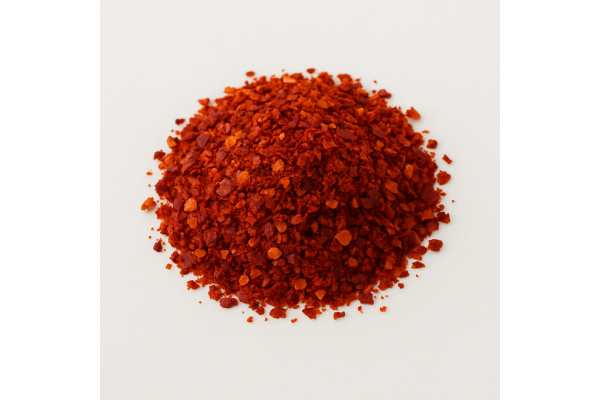
Gochugaru, the deep red chili flakes essential to Korean cuisine, is more than just a way to make dishes spicy. Made from sun-dried red peppers that are deseeded and ground, it brings a warm, fruity heat and vivid color to kimchi, stews, marinades, and everyday side dishes. Because it is typically a single-ingredient spice with no added salt or sugar, it can be a smart way to build flavor without relying on heavy sauces.
Nutritionally, gochugaru contributes small but meaningful amounts of fiber, minerals, carotenoids, and capsaicinoids. These compounds are being studied for potential roles in antioxidant defense, metabolic health, and appetite regulation. At the same time, chili-based spices can aggravate digestive conditions for some people, and low-quality powders may occasionally carry contaminants. This article explains what gochugaru is, how it is made, its nutritional profile, possible health benefits, safety considerations, and practical tips for buying, storing, and cooking with it in a way that fits your health goals.
Gochugaru At a Glance
- Gochugaru supplies fiber, carotenoids, and capsaicinoids that can support an overall antioxidant and metabolically healthy eating pattern.
- A typical serving is about 1 teaspoon (2–2.5 g) per person, used several times per week in mixed dishes.
- Main safety concerns include digestive irritation in sensitive individuals and potential contaminants in low-quality chili powders.
- People with reflux, ulcers, irritable bowel conditions, or known chili allergy should use very small amounts or avoid gochugaru.
Table of Contents
- Gochugaru in Korean Cuisine
- Gochugaru Nutrition and Active Compounds
- Health Effects Linked to Gochugaru
- Gochugaru Risks, Sensitivities and Interactions
- Buying Quality Gochugaru and Storing It
- Cooking with Gochugaru and Preserving Benefits
- Gochugaru Portions, Comparisons and Answers
Gochugaru in Korean Cuisine
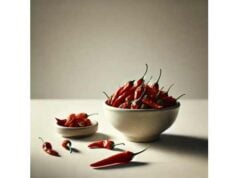
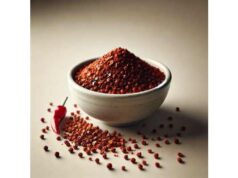
Gochugaru is the Korean term for red chili pepper flakes or powder made from specific varieties of red peppers. The peppers are typically ripened to a deep red, deseeded to reduce bitterness and excessive heat, then dried and ground. Traditional production often uses sun-drying, which concentrates flavor and color, though modern methods may also employ controlled dehydrators to ensure consistent results.
Unlike generic “chili powder” blends that combine several spices and salt, gochugaru is usually a single ingredient. This makes its flavor clean and focused: moderately hot, slightly sweet, and often described as fruity or smoky without being heavily roasted. The heat level ranges from mild to moderately hot depending on the pepper variety and regional style, which is why some brands are labeled as “mild” or “hot.”
In Korean cooking, gochugaru is absolutely central:
- It colors and flavors kimchi, the iconic fermented cabbage and vegetable dishes. The characteristic red hue and gentle heat of many kimchi styles come from generous amounts of gochugaru.
- It seasons stews and soups, such as spicy tofu stews, kimchi stews, and seafood broths, where it is often sautéed briefly with aromatics before liquid is added.
- It forms the backbone of marinades for grilled meats, tofu, fish, and vegetables, combined with garlic, ginger, fermented pastes, and a touch of sweetness.
- It brightens side dishes such as cucumber salad, seasoned spinach, and dressed radish, where small amounts go a long way.
Outside Korea, home cooks and chefs use gochugaru to add gentle heat to roasted vegetables, scrambled eggs, grain bowls, and even non-Korean stews or sauces. Many people appreciate that it is less sharp than cayenne and more complex than simple paprika, making it approachable for those who enjoy spice but do not want intense burn.
From a culinary standpoint, one of gochugaru’s strengths is flexibility. Because it is available as coarse flakes and finer powders, you can decide whether you want visible flecks and texture or a smooth, fully integrated color. You can layer heat by adding a bit early in cooking for depth, then adjusting at the end for brightness.
Understanding its role in traditional Korean dishes also helps explain why nutrition researchers pay attention to gochugaru. In many Korean diets, it is not an occasional seasoning but a daily presence, especially in kimchi and stews. That makes its contribution to overall nutrient intake and health relevant, even in the small amounts used.
Gochugaru Nutrition and Active Compounds
While gochugaru is used in teaspoon amounts, it is nutritionally dense for its weight. Most of its calories come from carbohydrates, including natural sugars and fiber, with smaller contributions from protein and fat. A teaspoon serving usually contributes only a few kilocalories, but per 100 grams the spice is a concentrated source of nutrients. In practical terms, this means you get a modest nutritional boost each time you season with it, especially if you use it regularly.
The most notable nutrient is fiber. Dried peppers retain much of their plant cell structure, so gochugaru provides meaningful dietary fiber even in small quantities. This fiber adds slightly to daily intake and, together with other fiber-rich foods, supports digestive health and more stable blood sugar responses.
Gochugaru also supplies minerals such as potassium, magnesium, and small amounts of iron and zinc. Potassium helps maintain normal blood pressure and fluid balance, while magnesium supports muscle function, energy metabolism, and nerve signaling. Though the absolute amounts in a single serving are small, they contribute to overall intake when gochugaru is used frequently in dishes like kimchi and stews.
Visually, the deep red color tells you that gochugaru is rich in carotenoids. Compounds such as beta-carotene and capsanthin act as antioxidants and can be converted, to varying degrees, into vitamin A in the body. These carotenoids help protect cells from oxidative damage and support immune function and healthy eyes. The presence of vitamin E adds to this antioxidant profile, offering additional protection for cell membranes.
Beyond conventional vitamins and minerals, gochugaru contains capsaicinoids, most notably capsaicin and dihydrocapsaicin. These molecules are responsible for the sensation of heat and interact with sensory receptors in the mouth and digestive tract. Their influence extends beyond perception: they can modestly increase energy expenditure, affect appetite signals, and influence blood vessel function and pain perception in certain contexts.
Gochugaru also contains various polyphenols and flavonoids. These plant compounds have antioxidant and potential anti-inflammatory actions, contributing to the total “phytonutrient load” of meals that include the spice. As with other colorful plant foods, the exact mix of these compounds depends on the pepper variety, growing conditions, and processing.
Processing and storage can change this profile. Excessive heat and prolonged storage in bright light can degrade carotenoids and diminish color, while exposure to air and humidity can dull aroma and, over very long periods, reduce some antioxidant capacity. Storing gochugaru in opaque, well-sealed containers in a cool, dry place helps preserve these beneficial compounds.
In summary, gochugaru is not a primary source of any single nutrient, but it is a concentrated way to add fiber, minerals, carotenoids, capsaicinoids, and polyphenols to your diet. When combined with vegetables, legumes, whole grains, and fermented foods, it strengthens the overall nutritional quality of meals.
Health Effects Linked to Gochugaru
Most scientific work examines chili peppers and capsaicin as a group, rather than gochugaru specifically. However, because gochugaru is simply a form of dried red chili pepper, many of the same mechanisms and findings are relevant.
One area of interest is metabolic health. Capsaicin, the compound responsible for heat, activates receptors involved in sensing temperature and pain. When consumed in small to moderate amounts, it appears to slightly increase energy expenditure and may enhance fat oxidation for a short period after a meal. Over time, regular intake of capsaicin-containing foods could contribute to easier weight maintenance when combined with balanced nutrition and physical activity. The effect is modest, not dramatic, and should be viewed as supportive rather than primary.
Blood lipid levels and cardiovascular markers are another focus. Some human studies have reported small reductions in total and LDL cholesterol and improvements in triglycerides when people consume capsaicin-rich foods or supplements consistently. Mechanisms may include improved fat metabolism, changes in bile acid handling, and reduced oxidative modification of lipids. These changes are typically modest and depend on many factors, including dose, overall diet, and baseline health.
Blood pressure may also be influenced by chili intake. Capsaicin can promote vasodilation, the widening of blood vessels, through effects on nitric oxide and other signaling pathways. In some studies, regular intake of spicy foods has been associated with slightly lower blood pressure. However, these benefits can be overshadowed if spicy dishes are very high in sodium, so the overall recipe pattern is crucial.
Gochugaru is especially interesting when considered alongside kimchi and other fermented dishes. Kimchi combines vegetables, fiber, beneficial bacteria, and gochugaru into a single food. Fermentation transforms the nutrients and adds probiotic microbes that can influence the gut microbiome. The combination of fermented vegetables and chili-derived compounds may help support digestive function, immune responses, and metabolic health, although individual tolerances vary.
Antioxidant and anti-inflammatory effects are also relevant. The carotenoids, vitamin E, and polyphenols in gochugaru can help neutralize reactive molecules that damage cells. In experimental systems, chili extracts have been shown to reduce markers of oxidative stress and dampen inflammatory signaling. In humans, such effects are generally subtle but meaningful when part of a long-term pattern of eating plenty of colorful plant foods and minimizing highly refined, pro-inflammatory items.
It is important to clarify that gochugaru, like other spices, is not a magic ingredient. Its contributions are best understood as part of a broader pattern that includes vegetables, fruits, whole grains, legumes, healthy fats, and adequate sleep and movement. Within that context, using gochugaru to season dishes can make nutrient-dense meals more appealing, which in turn makes it easier to maintain beneficial habits.
For many people, the most immediate “health benefit” of gochugaru is that it makes nutritious foods more enjoyable. A simple bowl of vegetables, tofu, or fish becomes vivid and exciting with the right seasoning. If spicy food helps you choose home-cooked, minimally processed meals more often, that practical effect may matter as much as any measured change in biomarkers.
Gochugaru Risks, Sensitivities and Interactions
Even though gochugaru is safe for most people when used in usual culinary amounts, it is still a concentrated chili product. That means certain individuals need to pay attention to dose and context.
The most common issue is digestive irritation. Capsaicin stimulates receptors in the mouth and digestive tract. In moderate amounts, this produces pleasant warmth, but in larger amounts it can cause burning sensations, cramping, or discomfort. People with the following conditions are more likely to experience problems:
- Gastroesophageal reflux disease (GERD) or frequent heartburn
- Gastritis or peptic ulcers
- Irritable bowel syndrome, particularly if spicy foods are known triggers
- Active inflammatory bowel disease
For these individuals, even a small amount of gochugaru may trigger symptoms. If you are in this group and wish to try gochugaru, it is wise to start with a tiny amount in a well-balanced meal and observe your body’s response. If symptoms worsen, it is safer to avoid hot chili products.
Chili allergy is less common but can occur. Symptoms may include itching or swelling in the mouth, hives, or, in more serious cases, breathing difficulty. People who react strongly to bell peppers or other nightshade plants may be at higher risk of reacting to gochugaru. Any possible allergic reaction warrants medical evaluation, and those with a confirmed allergy should avoid chili-derived spices completely.
Another consideration is the possibility of contaminants. Like many dried spices, chili powders can carry trace amounts of heavy metals or mycotoxins if peppers are grown in contaminated soil or dried and stored in poor conditions. While most commercial products remain well within safety thresholds, isolated surveys have found samples exceeding recommended levels. Choosing gochugaru from reputable producers, avoiding suspiciously cheap or unlabelled products, and using a variety of spices rather than relying heavily on a single one can help minimize any long-term risk.
Interactions with medications are less common at food-level intakes but not impossible. Very hot meals can transiently affect heart rate and blood pressure, which may be relevant for people with unstable cardiovascular conditions. Additionally, because capsaicin influences the digestive tract, very high chili intake might alter how some medications are absorbed in sensitive individuals. These effects are usually modest, and normal culinary use is rarely problematic, but anyone on multiple or critical medications should mention significant chili intake to their healthcare team.
Children, older adults, and people recovering from gastrointestinal surgery may be more sensitive to spicy foods. In these groups, starting with very small amounts or avoiding hot chili until digestion is stable is prudent. For children, introducing gochugaru in tiny amounts mixed into family meals allows you to gauge tolerance gradually.
Overall, for healthy adults without specific conditions, gochugaru in moderate culinary quantities is low risk. Problems tend to arise when intake is very high, when underlying digestive diseases are present, or when product quality is poor. Respecting your own tolerance and choosing high-quality spices are the best safeguards.
Buying Quality Gochugaru and Storing It
The flavor, nutritional value, and safety of gochugaru all depend on how it is produced and stored. A few practical guidelines can help you select products that perform well in your kitchen and align with your standards.
When shopping, start with appearance and aroma. Open the container if possible, or gently press the package to release a hint of fragrance. High-quality gochugaru should be a vivid red, not brown or grayish. The scent should be fresh, slightly sweet, and chili-like, without musty or dusty notes. A very faint smoky tone can be normal, but strong burnt or acrid odors suggest overprocessing or age.
Grind size matters, too. Coarse gochugaru flakes are ideal for kimchi and dishes where you want visible flecks and a textured appearance. Fine gochugaru powder disperses more evenly in sauces, marinades, and dressings. Many cooks keep both on hand, using flakes for traditional Korean preparations and powder for more general seasoning.
Check the ingredient list. Ideally, gochugaru should contain only chili pepper. Some products may include a small amount of anti-caking agent; if you need to avoid certain additives, it is worth reading labels carefully. Avoid products that contain added salt, sugar, or artificial colors if your goal is a pure, versatile spice that you can control in recipes.
Origin labelling can be helpful. Some packages specify that the peppers are grown and processed in Korea, while others blend Korean and non-Korean peppers or are entirely produced elsewhere but in a Korean style. Authenticity is not only about geography, but clear labelling indicates that the manufacturer is paying attention to sourcing, which is a good sign for quality overall.
Packaging should protect the spice from light and moisture. Opaque, sealed bags or dark jars are preferable to clear containers that allow light to bleach the pigment. If you buy gochugaru in a large bag, consider transferring some into a smaller, airtight jar for daily use while keeping the rest sealed and stored in a cool, dark place.
At home, store gochugaru away from heat and humidity—ideally in a cupboard rather than near the stove. Once opened, keep it tightly sealed to slow oxidation and moisture uptake. Under typical conditions, gochugaru maintains good flavor for about 6–12 months. After that, it may still be safe but increasingly bland. If you do not use chili often, buy smaller quantities more frequently rather than a very large bag that lingers for years.
If you live in a hot or humid climate, refrigeration or freezing can extend shelf life. Place gochugaru in an airtight container to prevent moisture condensation and odor transfer, then store it in the refrigerator or freezer. Allow it to come to room temperature briefly before opening to minimize clumping.
Finally, trust your senses. If the color is faded, the aroma is weak or off, or you see visible mold or insect damage, discard the product. Good gochugaru is intensely fragrant and richly colored; that same vividness signals preserved nutrients and active compounds.
Cooking with Gochugaru and Preserving Benefits
How you use gochugaru in the kitchen affects not only flavor but also the integrity of its heat, color, and beneficial compounds. With a few simple techniques, you can get the most from this spice.
A key principle is balance. Gochugaru is best when it enhances, not overwhelms, a dish. Start with small amounts—perhaps 1/4 teaspoon in a dish serving two to four people—and build from there. This is especially important if you are new to Korean cooking or do not regularly eat spicy foods. Over time, you can adjust to your own and your family’s preferences.
In many Korean recipes, gochugaru is briefly “bloomed” in oil. This means adding it to warm but not smoking oil along with aromatics such as garlic, ginger, or green onions. Gently heating the mixture releases fat-soluble flavors and helps distribute color evenly throughout the dish. It is important not to scorch the chili; if the oil is too hot, gochugaru can darken quickly and develop bitterness.
For soups and stews, gochugaru is often added early to build depth and then adjusted toward the end for brightness. Adding a small amount in the final minutes of cooking or just before serving can refresh the color and aroma that may have softened during a long simmer.
In marinades and dressings, combining gochugaru with acidic ingredients (like vinegar or rice wine) and a modest amount of fat (such as sesame oil) can create a flavorful medium that clings to vegetables, proteins, and grains. Acid helps sharpen flavor and may also support the stability of some pigments and polyphenols. Oil improves coating and can enhance absorption of carotenoids and vitamin E.
Kimchi preparation offers a good example of using gochugaru in a health-supportive way. The spice is mixed into a paste with garlic, ginger, sometimes onion, and a small amount of sugar or sweetener, then massaged into salted vegetables. During fermentation, the environment becomes acidic, friendly bacteria multiply, and the matrix of fiber and phytochemicals evolves. Gochugaru in this context is not just a flavoring but part of a fermented food that provides live microbes and a complex mixture of bioactive molecules.
Gochugaru also works well outside traditional dishes. You can sprinkle it over roasted vegetables, mix it into hummus, dust it on popcorn with a bit of oil, or stir it into scrambled eggs. In each case, consider pairing it with nutrient-dense ingredients and healthy fats rather than heavily processed foods, so its presence nudges your overall choices in a positive direction.
From a nutrient preservation standpoint, the main concerns are excessive heat and prolonged exposure to light and air, which can fade color and degrade some antioxidants. In practical cooking, moderate sautéing, simmering, and baking are unlikely to eliminate all beneficial compounds, especially if you use gochugaru as part of a dish rather than to an extreme.
Ultimately, the best way to “preserve benefits” is to use gochugaru regularly but reasonably in the context of a mostly home-cooked, plant-forward diet. When it helps vegetables, legumes, and lean proteins taste better, its role becomes far greater than its small weight in the recipe.
Gochugaru Portions, Comparisons and Answers
Portion size questions come up often with spicy foods because people want to balance enjoyment, potential benefits, and comfort. While exact needs vary, some practical ranges can guide you.
For most healthy adults, a reasonable per-meal amount of gochugaru is about 1 teaspoon (2–2.5 g) in a serving that includes plenty of other ingredients. In family-style dishes, that might translate to 1–2 tablespoons for a pot that serves four to six people. For kimchi, recipes often use larger total amounts, but each serving of kimchi contains only a fraction of the batch’s chili.
Across a day, many people tolerate 1–3 teaspoons spread over different dishes without issue. Those who are very accustomed to spicy food may tolerate more; those with sensitive digestion may need significantly less. Children and older adults often do better with small amounts mixed into food rather than obvious, concentrated pockets of chili.
Comparing gochugaru with other chili products can help frame choices:
- Versus generic chili powder: Gochugaru is typically a pure chili product with a rounded, fruity heat, while many generic chili powders include other spices and salt. If you substitute gochugaru in recipes calling for a blend, you may need to add herbs and adjust salt separately.
- Versus cayenne pepper: Cayenne is usually hotter and more one-dimensional in flavor. If substituting cayenne for gochugaru, use less and consider adding sweet paprika for color and to soften the heat.
- Versus smoked paprika: Smoked paprika is usually mild and very smoky. Combining it with a small amount of gochugaru can approximate both smokiness and heat if gochugaru is unavailable.
Common questions include:
Is gochugaru “healthier” than other chili flakes?
Nutritionally, most dried red peppers share similar broad features: fiber, carotenoids, capsaicinoids, and minerals. What makes gochugaru distinctive is its particular pepper varieties, processing traditions, and culinary context. It is not necessarily better or worse than other pure chili flakes; the key is whether you use it in balanced recipes rather than in highly processed foods.
Can I use gochugaru every day?
If you have no significant digestive disease, allergies, or conditions aggravated by spicy foods, daily use in modest culinary amounts is generally acceptable. Your own comfort and any advice from your healthcare professional should guide you. If you notice new or worsening heartburn, stomach pain, or bowel changes, consider reducing intake or pausing and discussing this with a clinician.
Is it suitable for people with high blood pressure?
Pure gochugaru is low in sodium, so it can be part of a blood pressure–friendly diet, especially if it replaces salty sauces or processed seasonings. However, spicy foods can temporarily raise heart rate in some individuals, and some spicy dishes are still very salty. People managing high blood pressure should focus on the entire recipe and their personal response, not just the spice.
Is it safe during pregnancy or breastfeeding?
Many people continue to eat spicy foods, including gochugaru, during pregnancy and breastfeeding without problems. The main limitation is digestive comfort; if heartburn or nausea worsen with spicy meals, reducing chili makes sense. As always, those with complications or questions should follow the advice of their healthcare team.
Who should limit or avoid gochugaru?
Anyone with active ulcers, severe reflux, significant irritable bowel or inflammatory bowel disease, or confirmed allergy to chili should avoid or strictly limit gochugaru. For others with milder sensitivities, cautious experimentation with very small amounts in gentle dishes can help determine a personal threshold.
Used thoughtfully, gochugaru can be a colorful, flavorful, and nutritionally supportive addition to a wide range of meals. The key is to treat it as one tool among many for building enjoyable, health-forward dishes rather than as a health fix on its own.
Disclaimer
The information in this article is intended for general educational purposes and does not replace individualized medical advice, diagnosis, or treatment. Nutrition needs and tolerances vary from person to person, especially in the presence of digestive disorders, allergies, cardiovascular disease, pregnancy, or other medical conditions. Always consult a qualified healthcare professional or registered dietitian before making significant changes to your diet, increasing your intake of spicy foods, or using any ingredient with the goal of treating or managing a health condition. Never disregard professional medical advice or delay seeking it because of information you have read online.
If you found this article useful, you are welcome to share it with others on Facebook, X (formerly Twitter), or any platform you prefer. Thoughtful sharing helps more people access balanced nutrition information and supports the continued creation of high-quality educational content.