Garlic powder is one of those quiet pantry staples that does far more than boost the flavor of soups, rubs, and sauces. Made from carefully dried and finely ground garlic cloves, it delivers concentrated taste, long shelf life, and many of the same bioactive compounds that give fresh garlic its reputation for supporting heart, immune, and metabolic health. At the same time, garlic powder behaves differently in cooking and digestion, and its health impact depends on how much you use, how it is processed, and whether you rely on culinary amounts or supplements.
This guide walks you through what garlic powder actually is, how drying affects its nutrients and sulfur compounds, what research suggests about potential benefits, and where the limits and risks lie. You will also find practical strategies for choosing high-quality products, storing them correctly, cooking to preserve flavor and key compounds, and deciding how much garlic powder fits into a balanced, sustainable eating pattern.
Garlic Powder Key Insights
- Regular culinary use of garlic powder may modestly support heart and metabolic health when combined with an overall healthy diet.
- Sulfur compounds and antioxidants in garlic powder appear to contribute to cholesterol, blood pressure, and oxidative stress improvements in clinical studies.
- A typical culinary portion is about 1–2 grams (roughly ½–1 teaspoon) once or twice per day within meals.
- People with garlic or allium allergy, sensitive digestion (especially IBS or FODMAP intolerance), or on blood-thinning or diabetes medications should be cautious.
- Those preparing for surgery, pregnant people using supplements, and anyone taking multiple medications should discuss regular or high-dose garlic products with a healthcare professional.
Table of Contents
- Garlic Powder Origin and Forms
- Garlic Powder Nutrients and Compounds
- Health Benefits of Garlic Powder
- Risks, Side Effects and Interactions
- Buying and Storing Garlic Powder
- Cooking with Garlic Powder Wisely
- Portions, Comparisons and Common Questions
Garlic Powder Origin and Forms
Garlic powder starts as the same familiar bulbs used in everyday cooking. Cloves are peeled, sliced or minced, then dehydrated and milled into a fine, free-flowing powder. This drying process dramatically reduces water content while preserving much of the intense flavor and a significant portion of garlic’s organosulfur compounds and antioxidants when carried out under controlled conditions.
In the kitchen, garlic powder is prized because it is:
- Shelf-stable and easy to store.
- Fast to use, with no peeling, chopping, or pressing.
- More evenly distributed in dry rubs, spice blends, and marinades than fresh minced garlic.
- Less likely to burn than fresh garlic when used correctly, especially in low-moisture applications.
It is useful to distinguish garlic powder from related products:
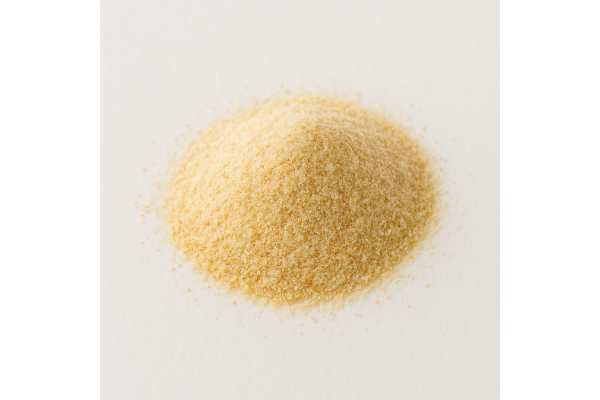
- Garlic powder: Finely ground dried garlic, usually a uniform, talc-like powder.
- Granulated garlic: Coarser grind, similar to fine sand, which can provide slightly different texture and a slower release of flavor.
- Garlic salt: A mixture of garlic powder and salt (often with anti-caking agents). It is primarily a seasoning salt, not a pure garlic product.
- Dehydrated garlic flakes or chips: Larger pieces of dried garlic, sometimes later ground into granules or powder.
The drying method matters. Air-drying, infrared drying, vacuum-microwave technologies, and freeze-drying can all be used. Gentle processes at controlled temperatures tend to keep more of garlic’s volatile sulfur compounds intact, while very high heat or prolonged drying can degrade them. Modern processing increasingly aims to strike a balance between food safety, flavor, allicin-forming potential, and practical shelf life.
From a culinary perspective, garlic powder does not perfectly mimic the sharp, fresh bite of raw garlic. Instead, it offers a rounder, slightly sweeter, deeply savory aroma that blends smoothly into dishes. It works well in:
- Dry spice rubs for meat, poultry, fish, and tofu.
- Seasoning blends for roasted vegetables and potatoes.
- Snack coatings (popcorn, roasted nuts, chickpeas).
- Soups, stews, sauces, and dressings where an even distribution of garlic flavor is desired.
- Breadings and batters for baked or fried foods.
Because garlic powder is more concentrated by weight than fresh garlic, only small amounts are needed. Understanding this concentration is key for both flavor control and health effects.
Garlic Powder Nutrients and Compounds
Garlic powder is not a major source of calories or macronutrients, but it does provide concentrated flavor along with a range of biologically active compounds.
A typical 1-teaspoon (about 3 grams) serving of pure garlic powder provides approximately:
- Energy: 9–10 kcal
- Carbohydrates: around 2–2.5 g
- Protein: about 0.5–0.7 g
- Fat: negligible
- Fiber: small but meaningful amount (often 0.2–0.5 g)
- Trace minerals: small contributions of manganese, vitamin B6, selenium, and others, though not usually enough to rely on as a primary nutrient source.
The more important features for health are its bioactive compounds, mainly organosulfur molecules and antioxidants:
- Alliin: A stable sulfur compound stored in intact garlic cloves.
- Alliinase: An enzyme that converts alliin into allicin when garlic is crushed, cut, or rehydrated.
- Allicin: A reactive thiosulfinate regarded as one of the key contributors to garlic’s antimicrobial, antioxidant, and cardiometabolic effects.
- Other sulfur compounds: Including diallyl disulfide, diallyl trisulfide, S-allyl cysteine, and related molecules that have been associated with antioxidant, anti-inflammatory, and cholesterol-modulating actions.
- Phenolic compounds and flavonoids: Contribute additional antioxidant activity.
Drying changes the profile of these compounds, but does not eliminate them. Research on dried and dehydrated garlic suggests:
- Carefully controlled drying can preserve a large fraction of total thiosulfinates and phenolic compounds.
- Some drying methods, especially those using moderate temperatures and appropriate airflow or vacuum techniques, can retain over half to around three-quarters of garlic’s antioxidant activity and allicin-forming capacity compared with fresh garlic.
- Very high temperatures or extended drying times may degrade alliinase and allicin more rapidly, but can sometimes increase the formation of other stable sulfur compounds.
One nuance with garlic powder is that the conversion of alliin to allicin depends on moisture and time. When garlic powder is added to a wet environment (like a sauce, stew, or marinade) and allowed to hydrate for a few minutes, more allicin can form. When it is exposed to very high heat in a dry pan, fragile compounds may degrade more quickly before they can act.
Commercial garlic powders may also be standardized for specific sulfur contents in supplement form. For example, some tablet formulations specify an alliin content designed to deliver a certain theoretical allicin yield. Culinary powders used as seasonings are rarely standardized, so their bioactive content can vary by garlic variety, growing conditions, and processing method.
Finally, it is important to note that while these compounds are biologically active, they are present in relatively small amounts at typical culinary doses. Health effects in clinical research often involve higher, standardized doses delivered as supplements, though regular food-based intake may still provide meaningful, long-term support when combined with overall healthy habits.
Health Benefits of Garlic Powder
Most of what is known about the health effects of garlic comes from studies that include several forms: fresh garlic, aged extracts, oils, and standardized garlic powder tablets. Garlic powder appears especially well represented in research on cholesterol, blood pressure, and broader cardiovascular risk.
Key areas where garlic powder and related garlic preparations have shown potential include:
1. Cholesterol and blood lipids
Across multiple clinical trials, garlic interventions have generally led to modest reductions in total and LDL (“bad”) cholesterol, especially in people with elevated baseline levels. Meta-analyses focused specifically on garlic powder have found average reductions in total and LDL cholesterol roughly equivalent to a small dose of a mild lipid-lowering drug, though responses vary widely between individuals.
Triglyceride responses are less consistent. Some pooled analyses suggest garlic products can lower triglycerides slightly, while others find little effect. HDL (“good”) cholesterol may increase modestly in some studies.
For garlic powder supplements, typical tested doses often range from about 600 to 1,800 mg per day of dehydrated garlic powder, usually divided into two or three doses, over several weeks to months. Culinary amounts (like 1–2 teaspoons per day) may contribute similar compounds but have not been studied as rigorously in isolation.
2. Blood pressure and cardiovascular risk
Garlic has been studied for its potential to modestly lower blood pressure, likely via several mechanisms, including improved nitric oxide signaling, mild vasodilation, and possible effects on arterial stiffness. In people with hypertension or multiple cardiovascular risk factors, garlic powder tablets have, on average, reduced systolic blood pressure by a few millimeters of mercury, with somewhat smaller reductions in diastolic pressure.
When these blood pressure changes are combined with improvements in cholesterol and fasting blood glucose, overall estimated cardiovascular risk appears to decline. One longer-term trial using time-released garlic powder tablets in people with coronary artery disease reported a meaningful drop in calculated 10-year risk of cardiovascular events alongside reductions in LDL cholesterol.
3. Glucose metabolism and metabolic health
Recent systematic reviews of randomized trials indicate that garlic interventions can modestly improve fasting blood glucose and glycated hemoglobin (HbA1c), especially in individuals with type 2 diabetes or metabolic syndrome. Garlic powder is one of the commonly used forms in these trials.
The magnitude of these effects is usually modest and should be seen as supportive rather than primary treatment. Still, when garlic powder is incorporated into an overall eating pattern that emphasizes high-fiber foods, balanced carbohydrates, and healthy fats, it may contribute to better glycemic control and improved metabolic markers over time.
4. Antioxidant, anti-inflammatory, and immune support
Garlic’s sulfur compounds and phenolics exhibit measurable antioxidant activity in experimental settings. Clinical studies often show reductions in markers of oxidative stress and mild anti-inflammatory effects when garlic supplements are used for several weeks or months. These changes may partly explain observed benefits for blood vessels, liver health, and possibly immune resilience.
In everyday terms, including garlic powder as part of a varied diet rich in vegetables, fruits, whole grains, and other spices is a practical way to increase overall intake of protective phytochemicals.
5. Culinary use and acrylamide mitigation
Beyond systemic health, garlic powder has been explored as an ingredient that may help reduce the formation of acrylamide, a compound that can form in carbohydrate-rich foods during high-temperature cooking such as frying or baking. Experimental work suggests that garlic powder and its allicin-rich components can reduce acrylamide formation in model systems and certain fried foods, though the real-world significance depends on recipe, temperature, and exact usage.
Overall, evidence points to garlic powder as a supportive component for heart and metabolic health, not a stand-alone solution. Benefits are most likely when it is used regularly in reasonable amounts, within a balanced lifestyle that addresses diet, movement, sleep, and conventional medical care where needed.
Risks, Side Effects and Interactions
Despite its long history of culinary and traditional use, garlic powder is not entirely risk-free. Most people tolerate moderate food amounts without difficulty, but certain groups need to be cautious, especially with supplements or high intake.
1. Digestive discomfort and FODMAP sensitivity
Garlic is rich in fructans, a type of fermentable carbohydrate. In people with irritable bowel syndrome (IBS) or known FODMAP sensitivity, even small amounts of garlic powder can trigger:
- Bloating
- Gas
- Abdominal discomfort or cramping
- Loose stools or, less commonly, constipation
Because garlic powder is concentrated, it can be particularly problematic for those sensitive to fructans. For such individuals, garlic-infused oil (where the fructans do not dissolve in oil) is often better tolerated than garlic powder, but any change should be guided by dietary advice tailored to individual tolerance.
2. Allergies and contact reactions
True garlic allergy is relatively uncommon but can occur. Reactions may include:
- Skin rashes, hives, or contact dermatitis (for those handling large amounts).
- Oral itching, throat tightness, or swelling after ingestion.
- Respiratory symptoms in rare, more severe cases.
People with known allergy to garlic or other allium vegetables (onion, leek, chive) should avoid garlic powder unless evaluated and cleared by an allergy specialist.
3. Bleeding risk and surgical considerations
Garlic has mild antiplatelet properties and may slow blood clotting, particularly in higher doses or supplement form. This can become relevant if you:
- Take anticoagulant or antiplatelet medications (such as warfarin, certain direct oral anticoagulants, or drugs like clopidogrel).
- Use other herbs or supplements that affect clotting.
- Have a bleeding disorder.
- Are planning surgery or an invasive dental or medical procedure.
Many clinicians advise stopping high-dose garlic supplements at least a week before elective surgery and discussing regular heavy culinary use as well. Normal food-level intake in home cooking is generally considered low risk, but it is still wise to mention it to your healthcare team if you consume garlic heavily.
4. Interactions with medications
Garlic products, particularly concentrated supplements, can interact with:
- Blood-thinning medications, increasing bleeding risk.
- Certain blood pressure or cholesterol medications, potentially enhancing their effects.
- Some drugs processed through liver enzymes (including select antivirals and other specialized medications), though data are more limited and context-dependent.
- Diabetes medications, by modestly enhancing glucose-lowering effects.
Anyone taking prescription medicines should treat regular high-dose garlic powder supplements as a medicinal product rather than a simple food and consult a healthcare professional beforehand.
5. Low blood pressure, pregnancy, and special populations
High intakes of garlic supplements may, in susceptible individuals, contribute to lower blood pressure. For people who already have low blood pressure or take antihypertensives, this may cause lightheadedness or dizziness.
For pregnancy and breastfeeding, culinary amounts of garlic powder in food are generally considered acceptable. High-dose supplements, however, should only be used under professional guidance, as safety data are more limited.
Children can usually consume small amounts of garlic powder as part of family meals, but concentrated supplement products are rarely necessary and should not be given without medical advice.
6. Quality concerns
As with many dried spices, potential issues include:
- Adulteration with fillers or garlic flavorings rather than real garlic.
- Presence of undeclared salt, starches, or gluten-containing ingredients.
- Microbial contamination or poor storage conditions leading to spoilage.
- Residues of pesticides or heavy metals if sourcing and testing are inadequate.
Choosing reputable brands that disclose ingredient details and emphasize quality control helps reduce these risks.
Buying and Storing Garlic Powder
Selecting a high-quality garlic powder and storing it correctly makes a real difference in both flavor and potential health value.
1. Reading ingredient lists
When you pick up a jar or packet, look closely at the ingredient panel:
- Prefer products that list simply “garlic” or “garlic powder” as the main ingredient.
- Be aware that “garlic salt” contains significant sodium and is not interchangeable with pure garlic powder.
- If you need to avoid gluten, starches, or particular additives, check for any anti-caking agents or carriers.
Organic or sustainably certified products can be appealing, but the most crucial aspect is that the powder is primarily made from real, well-processed garlic rather than flavorings.
2. Origin and sustainability considerations
Garlic and garlic powder are produced worldwide, with large volumes coming from a few major growing regions. Sustainability issues to consider include:
- Agricultural practices: Responsible use of water, soil management, and limited reliance on harsh pesticides support long-term soil and ecosystem health.
- Processing efficiency: Modern drying technologies can reduce energy use while preserving quality.
- Transportation and storage: Garlic powder’s reduced weight and volume compared with fresh bulbs can lower food waste and emissions associated with spoilage, especially when distributed globally.
While detailed sustainability data may not appear on a typical spice jar, choosing brands that communicate about responsible sourcing and environmental initiatives is one way to align garlic powder purchases with broader values.
3. Packaging and shelf life
Garlic powder is sensitive to:
- Light
- Heat
- Moisture
- Oxygen
To protect it:
- Choose packaging that is opaque or stored away from direct light.
- Prefer well-sealed containers with tight-fitting lids.
- Avoid buying very large volumes unless you will use them within a reasonable timeframe.
Most garlic powder retains good flavor and aroma for around 2–3 years when unopened and stored properly. Once opened, flavor gradually fades, and volatile compounds can dissipate more quickly. It is common to use garlic powder well beyond the “best by” date, but potency will be reduced.
Signs that garlic powder may be past its prime include:
- Weak or flat aroma when you open the jar.
- Faded or dull color.
- Clumping from moisture exposure, especially if the powder forms hard lumps.
- Any musty or off smells suggesting contamination or spoilage.
In these cases, it is best to replace the product.
4. Storage tips at home
For optimal quality:
- Keep garlic powder in a cool, dry cupboard away from the stove, dishwasher steam, or direct sunlight.
- Avoid transferring it into unlabelled containers, which makes it hard to track age and may expose it to more air.
- Never shake the jar directly over steaming pots; instead, shake into a spoon away from moisture and then add to the dish.
These small habits preserve both flavor and the integrity of sensitive sulfur compounds.
Cooking with Garlic Powder Wisely
Using garlic powder effectively is about more than just shaking it into a recipe. How and when you add it influences both flavor and the preservation of delicate compounds.
1. Timing and technique
Garlic powder is versatile, but it can behave differently depending on the cooking method:
- In liquid dishes (soups, stews, sauces): Add it earlier in cooking for a mellow, integrated flavor, or later for a slightly sharper edge. Allow at least a few minutes of contact with moisture so that alliin and alliinase can interact and form allicin before prolonged heating.
- In dry rubs and spice blends: Combine with other spices and a bit of salt, then rub onto meats, tofu, or vegetables. The moisture from the food will gradually hydrate the powder as it cooks.
- For sautéing: Instead of sprinkling garlic powder directly into very hot oil, “bloom” it gently by stirring it into a small amount of fat at moderate heat, then quickly adding liquid or other ingredients to prevent scorching.
- In baked or roasted dishes: Toss vegetables or potatoes with a little oil, garlic powder, and other seasonings before roasting. The coating provides moisture and fat to protect the powder during cooking.
Avoid burning garlic powder; burnt garlic develops bitter flavors and offers little nutritional benefit.
2. Flavor calibration and equivalents
Garlic powders vary in strength, so conversions are approximate. A common rough guide is:
- 1 small fresh garlic clove ≈ 1/8 teaspoon garlic powder
- 1 medium clove ≈ 1/4 teaspoon garlic powder
For strongly flavored powders or very fresh jars, you may need less. Start with smaller amounts and adjust over time to match your preference.
3. Enhancing nutrient retention
While high cooking temperatures can degrade allicin and some other sulfur compounds, you can still make the most of garlic powder’s potential by:
- Allowing the powder to hydrate briefly in a small amount of water, stock, or lemon juice before adding it to very hot dishes.
- Favoring moderate rather than extremely high cooking temperatures where possible.
- Avoiding very long cooking times when garlic powder is added early; instead, consider splitting the dose, with some early for depth and a little more near the end for aroma.
Even when allicin levels decrease during cooking, other stable sulfur compounds may still provide benefits, and the overall dietary pattern is more important than preserving any single molecule perfectly in every dish.
4. Culinary creativity and pairings
Garlic powder pairs well with:
- Herbs: oregano, thyme, rosemary, parsley, dill.
- Spices: paprika, black pepper, cumin, coriander, chili powders.
- Acidic ingredients: lemon juice, vinegar, tomatoes.
- Umami-rich components: nutritional yeast, miso, soy sauce, aged cheeses.
It can be used to:
- Create savory popcorn or roasted chickpea snacks.
- Season homemade salad dressings or dips when fresh garlic would feel too sharp.
- Add depth to plant-based dishes that might otherwise lean on salt alone for flavor.
- Build complex dry rubs for grilling or roasting.
Used thoughtfully, garlic powder allows you to achieve consistent flavor with little effort, supporting both enjoyment and adherence to healthier eating patterns.
Portions, Comparisons and Common Questions
Portion size is a central question for anyone trying to use garlic powder for both flavor and health while avoiding unwanted side effects.
1. Typical culinary portions
For most adults without specific contraindications:
- A practical culinary portion of garlic powder is about 1–2 grams at a time, roughly ½–1 teaspoon, in a dish that serves one or two people.
- Across a day, many people comfortably consume up to 1–2 teaspoons spread across meals when they enjoy garlicky flavors.
These amounts are generally in line with traditional culinary patterns and are unlikely to cause problems in otherwise healthy individuals.
2. How this compares to supplement doses
Standardized garlic powder supplements often provide:
- About 300–600 mg of dehydrated garlic powder per tablet or capsule, sometimes standardized for a specified alliin or allicin potential.
- Common regimens in clinical studies use 600–1,800 mg per day, divided into several doses.
That means a single day of supplement use at the higher end can roughly correspond to a teaspoon or more of culinary garlic powder in terms of dry weight, though the exact bioactive content may differ because of standardization and tablet design.
Supplements are more concentrated, more consistent, and more likely to influence medication effects, so they should be treated as therapeutic products rather than simple spice equivalents.
3. Garlic powder versus fresh garlic
Fresh garlic and garlic powder share many overlapping properties but are not identical:
- Fresh garlic provides intense aroma, higher moisture, and some vitamin C that is reduced in dried products. Crushing fresh cloves activates alliinase immediately.
- Garlic powder is more convenient, less perishable, and easier to dose precisely in small increments. It still contains significant allicin-forming capacity when properly processed and hydrated.
- For people with digestive sensitivity, both forms can cause symptoms because the fructan content is similar on an equivalent-garlic basis.
In general, rotating between fresh garlic and garlic powder according to recipe needs is entirely reasonable; both can fit into a health-conscious pattern.
4. Garlic powder versus garlic salt and other preparations
- Garlic salt substantially increases sodium intake and should be used more sparingly, especially for those monitoring blood pressure or salt intake.
- Aged garlic extracts, oils, and other specialized preparations are often designed and studied as supplements, with distinct compound profiles and dosing patterns.
For everyday cooking, pure garlic powder or granulated garlic is usually the most flexible choice.
5. Common questions
Is garlic powder safe to eat every day?
For most healthy adults, using garlic powder in normal culinary amounts every day is considered acceptable. If you notice digestive symptoms, bruising, or changes in bleeding, or if you take blood thinners, blood pressure, or diabetes medications, discuss your intake with a healthcare professional.
Does garlic powder cause bad breath or body odor?
It can, though often to a slightly lesser degree than large amounts of raw garlic. Sulfur compounds are metabolized and can be excreted via breath and sweat. Spreading intake throughout the day, using smaller portions, and emphasizing good oral hygiene can help.
Is garlic powder suitable for low FODMAP diets?
Generally, no. Garlic powder is concentrated in fructans, which are restricted on strict low FODMAP protocols. Garlic-infused oils are usually better tolerated for those needing strict FODMAP control.
Can children have garlic powder?
In small culinary amounts within family meals, garlic powder is usually fine for children who do not have allergy or digestive conditions aggravated by garlic. Supplements designed for adults are not appropriate for children unless a healthcare professional specifically recommends them.
References
- Garlic powder intake and cardiovascular risk factors: a meta-analysis of randomized controlled clinical trials 2014 (Systematic Review and Meta-analysis)
- Effects of Garlic on Glucose Parameters and Lipid Profile: A Systematic Review and Meta-Analysis on Randomized Controlled Trials 2024 (Systematic Review and Meta-analysis)
- Garlic bioactive substances and their therapeutic applications for improving human health: a comprehensive review 2024 (Systematic Review)
- Optimization of dried garlic physicochemical properties using a self-organizing map and the development of an artificial intelligence prediction model 2025 (Experimental Study)
- Allicin Promoted Reducing Effect of Garlic Powder through Acrylamide Formation Stage 2022 (Experimental Study)
Disclaimer
The information in this article is intended for general educational purposes and is not a substitute for individualized medical advice, diagnosis, or treatment. Garlic powder and related products can influence health conditions and interact with medications, especially at higher intakes or in supplement form. Always consult a qualified healthcare professional before making significant changes to your diet, starting new supplements, or altering prescribed treatments, particularly if you have existing medical conditions, are pregnant or breastfeeding, are planning surgery, or take blood thinners, blood pressure, diabetes, or other long-term medications.
If you found this article helpful, you are warmly invited to share it with others—on Facebook, X (formerly Twitter), or any platform you prefer. Thoughtful sharing helps more readers access reliable information and supports the ongoing work involved in creating in-depth, evidence-informed content like this.