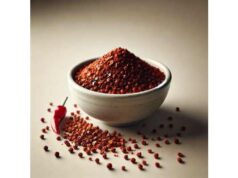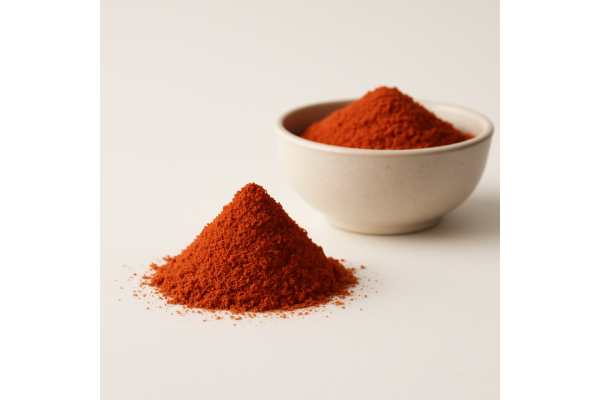
The Carolina Reaper is famous for being one of the hottest chili peppers ever cultivated. With an average heat level measured in the millions of Scoville Heat Units, this small, bumpy red pepper delivers a level of burn that goes far beyond typical hot sauce. For many people, it is less an everyday ingredient and more a controlled experiment in how much heat the body can tolerate.
Beneath the intensity, however, the Carolina Reaper is still a chili pepper. It contains capsaicin, vitamins, minerals, and a range of plant compounds that are being studied for effects on metabolism, vascular health, pain perception, and inflammation. At the same time, its extreme pungency makes safety and portion control far more critical than with milder peppers.
This article explains what makes the Carolina Reaper unique, how its nutrition compares with other chilies, what is known about potential health benefits and risks, and how to select, handle, and cook with it in a way that respects both its power and your health.
Core Points for Carolina Reaper
- Carolina Reaper peppers are extremely hot chilies that deliver concentrated capsaicin along with small amounts of vitamin C, carotenoids, and other plant compounds.
- Capsaicin from superhot peppers may support metabolic health, circulation, and pain modulation, but most evidence comes from studies using milder chilies or purified capsaicin rather than Carolina Reaper specifically.
- A cautious culinary amount for most adults is usually no more than a few small flakes or a toothpick smear of Reaper paste per meal, used at most a few times per week.
- People with reflux, ulcers, irritable bowel conditions, gallbladder disease, heart rhythm problems, or a history of severe reactions to spicy foods should use very small amounts or avoid Carolina Reaper entirely.
- Large quantities or “pepper challenge” contests using whole raw Reaper pods significantly increase the risk of intense pain, prolonged vomiting, dangerous spikes in blood pressure, and rare but serious complications.
Table of Contents
- Carolina Reaper background and uses
- Carolina Reaper nutrition and active compounds
- Health benefits of Carolina Reaper chili
- Carolina Reaper safety risks and interactions
- Selecting and storing Carolina Reaper peppers
- Cooking Carolina Reaper and retaining nutrients
- Carolina Reaper portions comparisons and FAQs
Carolina Reaper background and uses
The Carolina Reaper was developed in the United States by crossing particularly hot chili varieties to produce an “ultra-hot” pepper. It was recognized as the world’s hottest chili pepper for several years, with an average heat level around 1.6 million Scoville Heat Units and some individual peppers testing over two million. For comparison, a typical jalapeño ranges from about 2,000 to 8,000 Scoville units.
The Reaper’s appearance reflects its intensity. Pods are small to medium sized, bright red when ripe, and often have a characteristic tail or stinger at the bottom. The surface is usually rough and wrinkled, hinting at the high concentration of capsaicin and related compounds within the inner membranes (the pith) and seeds. Even brushing these parts with bare fingers can leave enough capsaicin on the skin to cause burning if it contacts the eyes, nose, or lips.
Culinary use of the Carolina Reaper is very different from that of everyday chilies. Because of the extreme heat, most people do not use whole pods in family meals. Instead, Reaper is typically:
- Dried and ground into powders or flakes, then added in pinhead amounts to spice blends.
- Infused into hot sauces, where it is diluted with vinegar, fruits, vegetables, or other peppers.
- Mixed into chili oils or pastes, which can be measured by the drop.
- Used as a novelty ingredient in “challenge” foods, such as extra-hot snacks, sauces, or pepper-eating contests.
In the kitchen, the primary role of Carolina Reaper is to deliver intense heat in very small doses. Its flavor has fruity, slightly sweet notes similar to some habanero-type chilies, but these nuances are easily overwhelmed by its burn if used too generously. Many experienced chili enthusiasts therefore treat Reaper as a “concentrate” and often combine it with milder peppers to achieve a more balanced profile.
Beyond culinary interest, the Carolina Reaper has symbolic value. It represents the upper limit of what most people can reasonably tolerate in a pepper, and it has helped bring broader attention to the diversity of chili varieties and their potential roles in health research. However, this notoriety also encourages risky behavior, such as contests or stunts where participants eat whole raw peppers without preparation or supervision.
From a health perspective, it is important to recognize that the Carolina Reaper is not required to obtain the potential benefits of chili peppers. Many of the same compounds are present in milder varieties at lower but still meaningful levels, often with less risk of severe discomfort or complications. For most people, the Reaper is best regarded as an optional, high-intensity ingredient rather than a dietary staple.
Carolina Reaper nutrition and active compounds
Nutritionally, the Carolina Reaper is a chili pepper first and a fiery novelty second. Like other fresh chilies, it is low in calories, contains water, fiber, and small amounts of carbohydrates and protein, and provides several vitamins and minerals. The difference is that realistic serving sizes are extremely small.
Per 100 g of fresh superhot chili peppers (a quantity far larger than most people would eat), the approximate nutritional profile includes:
- Energy: around 35–45 kcal.
- Carbohydrates: roughly 8–10 g, including some natural sugars and fiber.
- Protein: about 1–2 g.
- Fat: less than 1 g.
- Vitamin C: often exceeding the daily requirement in that amount.
- Vitamin A precursors (carotenoids): present in notable amounts, contributing to eye and immune health.
- Smaller amounts of vitamin B6, vitamin K, folate, and minerals such as potassium and manganese.
In practical terms, a few slivers or drops of Carolina Reaper contribute very little to daily macro- or micronutrient totals. The nutritional significance lies more in its concentration of bioactive compounds, particularly capsaicin and related capsaicinoids.
Key components include:
- Capsaicin and capsaicinoids: The primary pungent compounds. Superhot peppers like the Reaper contain exceptionally high capsaicin levels, which activate sensory receptors (TRPV1) involved in pain and heat perception. Activation of these receptors triggers a range of local and systemic responses, including increased circulation in affected tissues, release of certain neurotransmitters, and changes in gut motility.
- Carotenoids: Pigments such as beta-carotene and capsanthin contribute to the red color and function as antioxidants. They help neutralize free radicals and support immune and eye health.
- Phenolic compounds and flavonoids: These plant compounds also provide antioxidant and potential anti-inflammatory activity.
- Vitamin C: A water-soluble antioxidant important for collagen formation, immune function, and protection against oxidative stress.
Because capsaicin is fat-soluble and relatively stable to heat, it can survive cooking and infusion into oils or sauces. Vitamin C is more heat-sensitive and may be reduced with prolonged cooking, while carotenoids are often preserved or even made more available when chilies are gently cooked with some fat.
An important characteristic of the Carolina Reaper is how capsaicin is distributed in the pod. The highest concentrations are typically found in the white internal membranes and near the seeds. Removing or minimizing these portions can substantially reduce heat, although with the Reaper even the remaining flesh remains extremely hot.
From a functional standpoint, it is helpful to see Carolina Reaper as a concentrated capsaicin delivery system. A very small amount can provide capsaicin levels similar to, or higher than, what might be obtained from much larger servings of milder peppers. This magnifies both potential benefits and potential risks, depending on dose, individual tolerance, and overall health status.
Health benefits of Carolina Reaper chili
Most scientific research on health benefits of chili peppers does not focus specifically on the Carolina Reaper but on capsaicin and spicy food intake more broadly. However, because capsaicin is the same compound across pepper varieties, and the Reaper is especially rich in it, many of the findings are still relevant when intake is carefully controlled.
Several lines of evidence suggest that regular consumption of chili peppers, in moderate amounts and within a balanced diet, may be associated with:
- Lower risk of death from cardiovascular causes and some other diseases in large population studies.
- Modest improvements in certain metabolic markers, such as body weight regulation or energy expenditure.
- Better circulation and vascular function, at least in some groups.
These observations are often linked to the actions of capsaicin on TRPV1 receptors and related pathways, which can influence:
- Thermogenesis and energy expenditure (slight increases in calorie burning).
- Appetite and satiety (some people feel more satisfied or eat slightly less when foods are spicy).
- Blood vessel behavior (short-term vasodilation and complex long-term effects).
- Gut microbiota composition and low-grade inflammation.
Beyond metabolic and cardiovascular markers, capsaicin is widely recognized for its role in pain modulation. In creams and patches applied to the skin, higher concentrations of capsaicin can temporarily deplete certain pain-related neurotransmitters, leading to reduced pain in conditions such as neuropathic pain or joint discomfort. This topical use operates through similar receptor pathways but does not require eating the pepper.
Carolina Reaper, used with restraint, can contribute to these potential benefits through:
- Delivering capsaicin in extremely small portions of food.
- Encouraging slower eating and mindfulness around portion size because of its intense heat.
- Adding flavor that allows some people to rely less on salt or sugar to enjoy their meals.
However, there are important caveats:
- Many studies use moderate amounts of capsaicin or typical spicy foods, not ultra-high doses of superhot peppers.
- Benefits often appear in the context of diets with regular but not extreme chili intake.
- Individual responses vary widely; some people feel energized and comfortable with spicy food, while others experience significant discomfort.
For most adults who already tolerate spicy food, incorporating tiny amounts of Carolina Reaper into meals a few times a week can be one way—though not the only way—to participate in the broader pattern of chili consumption associated with certain health benefits. It should not be viewed as a shortcut to weight loss, a replacement for medical treatment, or a therapy to be self-prescribed in large doses.
A practical approach is to focus on an overall healthy diet rich in vegetables, fruits, whole grains, legumes, nuts, seeds, and moderate amounts of lean proteins, then use chili peppers—including milder varieties and occasional Reaper in very small amounts—as flavoring elements that may also bring modest functional advantages.
Carolina Reaper safety risks and interactions
Because the Carolina Reaper is an ultra-hot pepper, safety deserves special attention. In most healthy people, very small amounts will cause intense but self-limited burning in the mouth and upper digestive tract. However, larger amounts or underlying medical conditions can significantly increase the risk of serious problems.
Immediate and short term effects
Common reactions to eating too much Carolina Reaper include:
- Severe burning in the mouth, throat, and stomach.
- Profuse sweating, flushing, and a sense of panic or discomfort.
- Nausea, vomiting, diarrhea, and cramping.
- Temporary increases in heart rate and blood pressure.
These responses arise from the activation of pain and heat receptors and the body’s attempts to cope with that stress. While they are usually self-limiting, they can be extremely unpleasant and may lead to complications when vomiting or blood pressure spikes are very intense.
Case reports have described rare but serious events after eating ultra-hot peppers, including Carolina Reaper, such as:
- Thunderclap headaches linked to reversible constriction of brain blood vessels.
- Stroke-like events in young individuals after pepper-eating contests.
- Esophageal rupture following forceful vomiting after consuming extreme chilies (reported with other superhot peppers as well).
These events are rare but emphasize why whole raw Reaper pods and competitive eating challenges should not be taken lightly.
Gastrointestinal and liver concerns
Capsaicin can irritate the lining of the stomach and intestines, especially at higher doses or when the gut is already inflamed. People with conditions such as:
- Gastroesophageal reflux disease (GERD).
- Peptic ulcer disease.
- Inflammatory bowel diseases such as Crohn’s disease or ulcerative colitis.
- Irritable bowel syndrome with strong sensitivity to spicy foods.
may find that even small amounts of superhot peppers worsen their symptoms. In some individuals, regular high-intensity chili intake can contribute to chronic heartburn or bowel discomfort.
Liver function is generally not harmed by modest chili consumption in healthy people, and some research suggests potential benefits for metabolic liver conditions at appropriate doses. However, those with existing liver disease or complex metabolic conditions should be cautious with concentrated capsaicin supplements and very spicy foods, and seek personalized advice.
Cardiovascular and neurological issues
Most people will experience only temporary increases in heart rate and blood pressure after eating very spicy foods. In susceptible individuals—such as those with unstable angina, uncontrolled hypertension, or certain heart rhythm disorders—these changes could be more risky.
The rare neurological complications reported after Carolina Reaper ingestion, such as thunderclap headaches and reversible cerebral vasoconstriction syndrome, appear to be linked to intense, sudden sympathetic activation and changes in blood vessel tone, often in the setting of challenge contests. While these events are uncommon, they show that ultra-hot peppers can act as a significant physiological stressor.
Medication interactions and special populations
Carolina Reaper and high-dose capsaicin products should be used cautiously or avoided in:
- People taking blood pressure, heart rhythm, or anticoagulant medications, especially if they plan to increase spicy food intake significantly.
- Pregnant or breastfeeding individuals, where safety data for large amounts of capsaicin is limited. Small culinary amounts in mixed dishes are usually acceptable, but concentrated products and challenges should be avoided.
- Children and adolescents, who may be more vulnerable to pain, dehydration from vomiting, and extreme blood pressure responses.
- Older adults with multiple chronic conditions or frailty.
Carolina Reaper can also trigger true allergic reactions in rare cases, with symptoms ranging from hives and swelling to difficulty breathing. Anyone who suspects an allergy to chilies should seek medical evaluation and avoid exposure until a professional gives clear guidance.
In general, culinary quantities of milder chilies are safe for most people. The Carolina Reaper sits at the very top of the heat spectrum, and should be approached with much more caution, respect, and moderation.
Selecting and storing Carolina Reaper peppers
If you decide to work with Carolina Reaper in your kitchen, choosing high-quality product and storing it safely will improve both flavor and control. Because the pepper is so strong, even small variations in quality and handling can translate into big differences in perceived heat.
Fresh Carolina Reaper peppers
When buying fresh pods:
- Look for bright, even red color without dark or soft spots.
- The skin should be firm and slightly glossy, not shriveled.
- The characteristic “stinger” tail may be present but is not essential; shape varies.
- Avoid pods with mold, cracks, or signs of rot, especially near the stem.
Always handle fresh Reaper peppers with respect:
- Wear disposable gloves when cutting or deseeding them.
- Avoid touching your face, eyes, nose, or contact lenses during handling.
- Work in a well-ventilated area, and consider wearing glasses or goggles if you are especially sensitive.
- Wash cutting boards, knives, and utensils thoroughly with hot soapy water afterwards.
Fresh peppers can be kept in the refrigerator in a breathable bag for several days. Because even a single pod can flavor many dishes, you may want to freeze extras. Freezing whole or sliced Reapers in airtight containers or bags preserves their heat and much of their flavor for months.
Dried pods, flakes, and powders
Many home cooks and sauce makers prefer dried forms of Carolina Reaper:
- Whole dried pods retain heat well and can be crumbled or ground as needed.
- Flakes and powders offer convenience but can lose aroma over time, especially if exposed to light and air.
When buying dried products:
- Choose suppliers that store peppers away from moisture and direct sunlight.
- Look for vibrant color; very dull or brownish powder may be old or oxidized.
- Avoid products with clumping, visible moisture, or off smells.
Store dried Reaper in airtight containers in a cool, dark place. Heat, light, and humidity accelerate degradation of both flavor and capsaicin content. For long term use, consider keeping most of the supply sealed and only refilling a small working container as needed.
Sauces, oils, and blended products
Hot sauces, chili oils, and spice blends that include Carolina Reaper vary widely in intensity. Some are designed to be used by the drop, others are blended with milder peppers or fruits for more balanced flavor.
To choose wisely:
- Read ingredient lists and any heat scale or usage instructions on the label.
- Start with small bottles if trying a new brand, and test cautiously with tiny amounts.
- Note the presence of preservatives, salt, sugar, and other ingredients that may affect health or dietary needs.
Once opened, store sauces and oils according to manufacturer instructions, usually in the refrigerator for perishable products and in a cool dark cupboard for shelf stable items.
Sustainability and sourcing
Carolina Reaper production is more niche than mass-market peppers, often involving small growers or specialized farms. Some considerations for more sustainable choices include:
- Supporting producers who prioritize good agricultural practices, soil health, and fair treatment of workers.
- Choosing products with clear origin labeling and transparent supply chains.
- Using the pepper efficiently, given its potency, to avoid unnecessary waste.
Careful selection and storage, combined with an appreciation for how powerful even a small amount can be, help you treat Carolina Reaper as a precise seasoning rather than a hazardous novelty.
Cooking Carolina Reaper and retaining nutrients
Cooking with Carolina Reaper is a balance between harnessing its unique flavor and avoiding overwhelming heat. At the same time, your cooking methods influence how capsaicin and delicate nutrients behave in the final dish.
Basic handling principles in the kitchen
Because Reaper is so concentrated, recipes rarely need more than:
- A tiny sliver of fresh pepper, finely minced.
- A small pinch (literally a few grains) of dried flakes or powder.
- A toothpick dipped into Reaper paste or sauce and stirred into a larger volume of food.
When experimenting:
- Start with less than you think you need. You can always add more heat, but you cannot easily remove it.
- Mix the pepper into a portion of the dish first; taste cautiously and then dilute into the entire batch if the heat level is acceptable.
- Keep dairy, starchy foods, or mild sauces nearby to dilute intensity if necessary.
Heat, capsaicin, and vitamins
Capsaicin is relatively stable under typical cooking conditions. Boiling, simmering, or baking with Carolina Reaper will not substantially reduce its heat unless the pepper is removed from the dish before serving. Instead, capsaicin disperses into cooking fats and liquids, spreading the burn more evenly.
Other nutrients behave differently:
- Vitamin C is sensitive to prolonged high heat and water. Quick cooking methods, such as adding small amounts of fresh pepper or Reaper-containing sauce near the end of cooking, help preserve more vitamin C.
- Carotenoids, being fat-soluble, often become more bioavailable when peppers are cooked gently with oil or other fats.
- Phenolic compounds may be partially preserved or transformed depending on cooking time and temperature.
For most people, nutrient retention is a secondary consideration with the Reaper, since realistic intake is so small. However, combining it with milder fresh peppers, onions, tomatoes, and herbs can produce dishes that deliver both flavor and a broader nutrient profile.
Flavor strategies to make superhot usable
Because the Reaper’s heat can dominate easily, successful recipes often rely on:
- Dilution: Combining a tiny amount of Carolina Reaper with milder chilies such as jalapeños, serranos, or medium-heat varieties spreads out the burn and allows more of the fruity flavor to show.
- Balancing components: Sweet (fruit, roasted peppers, a little honey), sour (vinegar, citrus), salty, and umami-rich ingredients (tomatoes, soy sauce, miso) can help make the heat feel more integrated.
- Creamy or fatty elements: Coconut milk, yogurt, cheese, or nut butters can “cushion” the burn, making dishes more approachable while still quite hot.
Examples include:
- A large pot of chili or stew where a tiny amount of Reaper powder is combined with several milder peppers.
- Fruit-based hot sauces featuring mango, pineapple, or peach plus a small dose of Reaper.
- Spicy marinades or rubs diluted across a large volume of meat, fish, or vegetables.
Safety during cooking
Heating chili oils or frying pepper pieces can release aerosolized capsaicin into the air. With a pepper as strong as Carolina Reaper, this can irritate eyes and lungs.
To reduce risk:
- Use good ventilation, such as exhaust fans or open windows.
- Keep heat moderate when toasting or frying pepper pieces.
- Avoid leaning directly over pans when adding Reaper powder or flakes.
- If coughing or eye irritation occurs, step away from the kitchen until the air clears.
Approached thoughtfully, cooking with Carolina Reaper can add depth and excitement to specific dishes. The key is precision: using very small measured amounts, pairing the pepper with complementary flavors, and maintaining clear safety habits.
Carolina Reaper portions comparisons and FAQs
Given its intensity, understanding appropriate portions of Carolina Reaper is crucial. What counts as a “serving” for such a pepper is very different from serving sizes for vegetables or even typical chilies.
Practical portion guidance
For most adults without major digestive or cardiovascular issues, reasonable culinary ranges might include:
- A few small flakes or grains of Reaper powder sprinkled into a dish that serves several people.
- A toothpick-tip smear of Reaper sauce or paste stirred into a pot of soup, stew, or chili.
- For experienced chili enthusiasts, perhaps up to 1/32–1/16 teaspoon of Reaper powder in a meal, diluted through the entire dish.
As a rough guide, for most people it is sensible to keep Carolina Reaper intake to very small amounts on the order of a few milligrams to tens of milligrams per meal, and to use it at most a few times per week rather than daily until personal tolerance and health responses are well understood.
Comparison with other chilies
To put things in perspective:
- Jalapeño peppers are roughly 20 to 200 times milder than Carolina Reaper, depending on exact measurements.
- Habanero and Scotch bonnet chilies are extremely hot but still usually several-fold less intense than a typical Reaper.
- Ghost peppers and Trinidad Scorpion types are closer in intensity, but the Reaper often reaches higher average heat levels.
From a health standpoint, milder peppers can provide many of the same nutrients and capsaicin-related mechanisms with lower risk of acute distress. For most people interested in health benefits rather than thrill-seeking, building a foundation of moderate chili intake from milder varieties is a more sustainable strategy.
Frequently asked questions
Can the Carolina Reaper be part of a healthy diet?
Yes, in theory, very small amounts of Carolina Reaper can fit into a healthy eating pattern, especially if used to season nutrient-dense dishes based on vegetables, legumes, lean proteins, and whole grains. The key is moderation and attention to individual tolerance. You do not need superhot peppers to obtain the potential advantages associated with chili consumption; milder varieties are often sufficient.
Does Carolina Reaper help with weight loss?
Capsaicin can slightly increase energy expenditure and may influence appetite and food intake in some people. However, these effects are modest. Carolina Reaper should not be viewed as a weight loss tool. Sustainable weight management still depends on overall eating patterns, physical activity, sleep, and other lifestyle factors.
Is it safe to do Carolina Reaper eating challenges?
From a health perspective, eating whole raw Reaper pods, especially multiple peppers, is not advisable. While many people survive such challenges, they can cause extreme pain, prolonged vomiting, dehydration, dangerous blood pressure spikes, and, in rare cases, serious complications. There is no health benefit to such extremes, and they carry disproportionate risk.
Who should avoid or be very cautious with Carolina Reaper?
Extra care or avoidance is appropriate for:
- Individuals with reflux, ulcers, inflammatory bowel disease, or very sensitive digestion.
- Those with poorly controlled hypertension, heart disease, or a history of stroke or severe headache syndromes.
- People on complex medication regimens, especially involving heart, blood pressure, or clotting.
- Pregnant or breastfeeding individuals, unless using only tiny amounts in shared dishes and cleared by a healthcare provider.
- Children, adolescents, and older adults with frailty, where even temporary severe distress can have more serious consequences.
For people in these groups, milder peppers or non-spicy flavor strategies are usually safer choices.
How can I safely try Carolina Reaper for the first time?
If you are generally healthy and curious:
- Make sure you already tolerate moderately spicy foods comfortably.
- Choose a reputable Reaper sauce or powder with clear labeling.
- Start with a very small amount mixed into a large volume of food, such as a stew or sauce.
- Eat slowly, paying attention to your body’s response, and have cooling foods (milk, yogurt, bread) available.
- Stop immediately if you experience severe pain, chest discomfort, difficulty breathing, or neurological symptoms such as intense sudden headache, and seek medical care if symptoms are concerning.
Used this way, Carolina Reaper can be an occasional accent in an otherwise balanced and enjoyable diet.
References
- Spicy Food and Chili Peppers and Multiple Health Outcomes 2022 (Systematic Review)
- Capsaicin, the Spicy Ingredient of Chili Peppers: Effects on the Gastrointestinal Tract and Mechanisms 2022 (Review)
- Dietary Capsaicin: A Spicy Way to Improve Cardio-Metabolic Health 2022 (Review)
- Meta-analysis Evaluating the Impact of Chili-Pepper Intake on All-Cause and Cause-Specific Mortality 2021 (Meta-Analysis)
- Fear the Reaper: Reversible Cerebrovascular Vasoconstriction Syndrome After Hot Pepper Ingestion 2020 (Case Report)
Medical Disclaimer
The information presented in this article is for general educational purposes only and is not intended to provide medical advice, diagnosis, or treatment. Carolina Reaper peppers and other ultra-hot chilies can cause significant discomfort and, in rare cases, serious health complications, especially in people with underlying medical conditions or when consumed in large quantities. Always consult a qualified healthcare professional before making changes to your diet, using chili peppers or capsaicin-containing products for health purposes, or participating in pepper-eating challenges. If you experience severe pain, breathing difficulty, chest discomfort, neurological symptoms, or prolonged vomiting after eating very spicy foods, seek urgent medical attention.
If this article was helpful, you are kindly invited to share it on Facebook, X (formerly Twitter), or any platform you prefer. Sharing thoughtful, evidence-informed nutrition content helps more people make informed decisions and supports the continued creation of high-quality educational resources.