Green cardamom has a way of transforming a dish with just a few pods. The small, pale green capsules from the plant Elettaria cardamomum hold intensely aromatic seeds that taste citrusy, floral, and slightly sweet. They lift the flavor of chai, coffee, rice dishes, stews, pastries, and ice creams, and are central to many South Asian, Middle Eastern, and Scandinavian recipes.
Nutritionally, green cardamom is used in small amounts, yet its seeds are rich in fiber, minerals, and a concentrated mix of essential oils and plant compounds. These include aromatic terpenes and antioxidant molecules that are now being studied for effects on blood pressure, metabolic health, digestion, and oral freshness. At the same time, cardamom is a potent spice, and very high intakes or concentrated supplements may not suit everyone.
This article walks you through how green cardamom is grown and used, what its nutrition and active components look like, what current evidence suggests about benefits, and how to use it safely and confidently in everyday cooking.
Key Takeaways for Green Cardamom
- Green cardamom pods and seeds add bright, sweet-aromatic flavor to sweet and savory dishes while contributing small amounts of fiber, minerals, and plant antioxidants.
- Essential oils and phenolic compounds in cardamom may support digestive comfort, antioxidant defenses, and metabolic and cardiovascular markers when used regularly.
- A practical range for most adults is around 1–6 g ground seeds per day (about ½–2 teaspoons), spread across foods and drinks as tolerated.
- People with gallbladder disease, significant reflux, or suspected spice allergy should increase cardamom intake gradually and avoid concentrated supplements unless advised otherwise.
- High-dose cardamom capsules, tinctures, or essential oils during pregnancy, breastfeeding, or in complex chronic illness should only be used under professional medical guidance.
Table of Contents
- Green cardamom background and key uses
- Green cardamom nutrition and components
- Evidence based benefits of green cardamom
- Risks allergies and interactions with cardamom
- Choosing sustainable high quality green cardamom
- Preparing green cardamom and preserving nutrients
- Portions comparisons and green cardamom FAQs
Green cardamom background and key uses
Green cardamom comes from Elettaria cardamomum, a perennial herb in the ginger family. It thrives in warm, humid, shaded environments, traditionally in the mountain forests of southern India and now in other tropical regions as well. The plant produces slender spikes that carry many small pods close to the ground. When ripe, these pods are harvested by hand, carefully dried, and sorted by size and color.
Each pod contains several tiny, sticky black or dark brown seeds. The thin, papery husk helps protect the seeds’ essential oils and aroma. High quality pods are usually harvested before they fully mature to preserve a bright green color, then dried at controlled temperatures to avoid scorching or fading. Because much of the work is manual and yields can vary with weather, cardamom remains one of the more expensive spices by weight.
Culinary traditions around the world use green cardamom in distinctive ways:
- In South Asian cooking, lightly crushed pods are simmered in chai, added to rice dishes, curries, and lentils, or ground into spice blends like garam masala.
- In Middle Eastern and North African cuisines, cardamom flavors coffee, milk puddings, sweets, and some meat dishes.
- In Scandinavian baking, ground cardamom is essential in sweet breads, buns, and cookies, where it pairs with butter and warm dough.
- In contemporary kitchens, cardamom appears in chocolate desserts, granola, smoothie bowls, cocktails, and flavored yogurts.
Cardamom works in both sweet and savory contexts because its flavor profile is multifaceted: it has the freshness of citrus peel, the sweetness of flowers, and a gentle warmth that echoes other spices without overlapping them exactly. A small amount can make simple ingredients, such as porridge or stewed fruit, feel unusually special.
Beyond flavor, green cardamom has traditional roles as a digestive and a breath freshener. Chewing on the seeds after a meal or including cardamom in strong coffee has long been used to improve the feeling of digestion and reduce lingering odors. In some traditional systems, cardamom is considered a balancing spice that can soften the heaviness of rich foods, especially dishes that combine fat and sugar.
The pods are typically used in three forms:
- Whole pods, cracked just before use and simmered in liquids.
- Seeds extracted from the husks and used whole or lightly crushed.
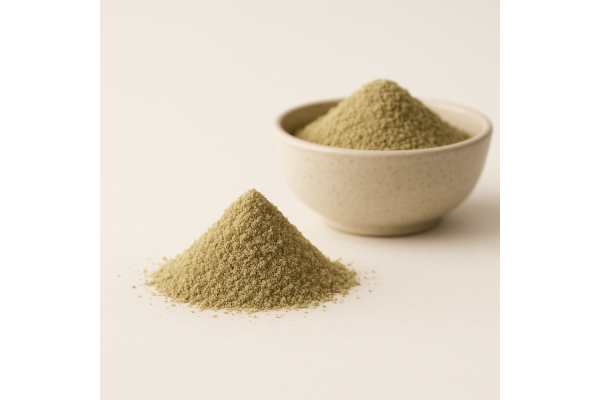
- Ground cardamom, made by grinding seeds (with or without husks) into a fine powder, most often for baking and spice blends.
Understanding these forms and the ways cardamom is woven into different cuisines helps frame the rest of its story: despite being used in tiny amounts, it carries a concentrated package of nutrients and bioactive compounds that are increasingly being explored in nutrition and medical research.
Green cardamom nutrition and components
From a nutritional standpoint, green cardamom is best described as a high-impact spice used in low doses. Per 100 g, cardamom seeds provide several hundred kilocalories, primarily from carbohydrates and fats, along with a meaningful amount of protein and a substantial quantity of dietary fiber. In practical daily use, however, most people consume only a gram or two at a time, so its contribution to total energy intake is modest.
That said, even these small amounts add detail to the diet. Cardamom seeds are relatively rich, by weight, in:
- Dietary fiber, both soluble and insoluble, which supports stool bulk and may assist gut microbial diversity when combined with other plant foods.
- Minerals such as potassium, magnesium, calcium, iron, manganese, and zinc, all of which play roles in nerve function, muscle activity, enzyme systems, and bone health.
- B vitamins, including thiamin, riboflavin, niacin, and vitamin B6, which participate in energy metabolism and nervous system function.
At typical culinary serving sizes, these nutrients make small contributions to daily totals, but they do help diversify the sources of minerals and vitamins in a spice-rich diet.
The more distinctive features of cardamom lie in its phytochemistry—the aromatic and non-aromatic plant compounds that provide fragrance, taste, and many of the physiological effects studied in experimental settings. Key groups include:
- Essential oils: Cardamom seeds contain several percent of volatile oils by weight. Major components often include α-terpinyl acetate, 1,8-cineole, linalool, limonene, sabinene, and related terpenes. These molecules are responsible for the characteristic scent and flavor of cardamom, and they have demonstrated antioxidant, antimicrobial, and functional effects in laboratory models.
- Phenolic compounds and flavonoids: Cardamom contains various phenolic acids and flavonoid glycosides that contribute to measured antioxidant capacity and may modulate inflammatory pathways. Although present in small absolute amounts relative to larger plant foods, they are quite concentrated per gram of spice.
- Fixed oils (non-volatile fats): Seeds also hold a small percentage of fatty acids, including oleic, linoleic, and α-linolenic acids, along with saturated fats such as palmitic and stearic acid. These contribute minor energy and may play modest roles in how cardamom influences lipid-related pathways.
Processing and storage strongly affect this profile. The essential oils are sensitive to light, heat, and oxygen. Whole pods protect the seeds and slow down loss of aroma, while pre-ground cardamom, especially if stored in warm or bright conditions, can lose a significant fraction of its volatile components over months. Drying temperature and speed after harvest also influence the final composition, which is one reason why cardamom from different regions or seasons can taste noticeably different.
It is helpful to view cardamom as a “functional garnish.” A teaspoon or two does not transform the macro-level nutrition of a meal, but it can:
- Add a small amount of fiber and micronutrients.
- Introduce a concentrated mix of essential oils and phenolic compounds.
- Potentially modulate how the body experiences and processes that meal, especially when consistently paired with other healthful foods.
These characteristics underpin the research linking cardamom to digestion, cardiovascular markers, and metabolic health.
Evidence based benefits of green cardamom
Research on green cardamom has expanded notably in recent years, especially in the areas of metabolic health, blood pressure, and antioxidant status. While this work is still evolving, several themes are reasonably well supported by controlled human trials and experimental studies.
Digestive comfort and oral freshness
Traditionally, cardamom has been used to ease indigestion, gas, and a sense of fullness after meals. Experimental data show that cardamom extracts can influence smooth muscle behavior in the digestive tract and possess antimicrobial activity against certain bacteria and fungi associated with food spoilage and oral health concerns. In everyday life, many people report that cardamom-spiced tea or chewing seeds after a meal feels soothing and refreshing, especially following rich or strongly scented foods.
Cardamom’s aromatic essential oils help mask odors and may reduce levels of odor-causing compounds in the mouth. This is one reason cardamom is included in some natural breath fresheners and herbal mouth formulations.
Blood pressure and cardiovascular markers
Several randomized controlled trials have examined the effect of green cardamom on blood pressure and related cardiovascular markers in adults with hypertension, prehypertension, or other metabolic risk factors. In many of these studies, participants consumed a defined daily dose of ground cardamom—often around 3 g per day—for several weeks or months.
Reported outcomes have included:
- Reductions in systolic and sometimes diastolic blood pressure.
- Improvements in selected markers of oxidative stress and antioxidant capacity.
- Modest favorable changes in certain blood lipid parameters in some groups.
When pooled in systematic reviews and meta-analyses, these trials suggest that green cardamom can contribute to better blood pressure control and improved inflammation-related markers in adults at higher cardiovascular risk, especially when used alongside conventional care and lifestyle measures. The size of the effect is generally moderate rather than dramatic, but it is consistent enough to be considered meaningful at the population level.
Metabolic and liver health
Cardamom has also been studied in people with overweight, obesity, or non-alcoholic fatty liver disease. In these trials, daily cardamom intake has been associated with:
- Improved measures of insulin sensitivity.
- More favorable liver enzyme profiles, suggesting reduced liver stress.
- Shifts in certain signaling proteins and genes linked to metabolism and inflammation.
These findings point to a possible supportive role for cardamom in the dietary management of metabolic syndrome and fatty liver, again as part of a broader approach that includes diet quality, physical activity, sleep, and medical care where needed.
Antioxidant and anti-inflammatory actions
In cell and animal models, cardamom extracts and oils have shown robust antioxidant activity, the ability to influence key inflammatory pathways, and potential protective effects in models of oxidative stress. While it is not yet possible to translate all of these findings directly into specific health claims for humans, they support the idea that using green cardamom regularly can contribute to the overall antioxidant and anti-inflammatory capacity of a diet rich in herbs, spices, and plant foods.
Practical context
Most human trials use standardized doses and controlled preparations, not simply a pinch of cardamom in occasional dishes. However, the amounts used—on the order of a teaspoon of ground seeds per day—are still within the realm of realistic culinary use for people who enjoy the flavor and incorporate it regularly.
In practice, adding green cardamom to tea, coffee, milk-based drinks, porridges, stews, and baked goods can be a pleasant way to align everyday cooking with the ranges used in research, provided that overall diet and lifestyle patterns also support health.
Cardamom should not replace prescribed medications or other evidence-based treatments. Instead, it is best viewed as a complementary spice that can modestly enhance digestive comfort and cardiometabolic profiles when used thoughtfully over time.
Risks allergies and interactions with cardamom
Green cardamom is generally safe for most healthy adults when used in normal culinary amounts, but certain risks and cautions become more relevant with higher doses, concentrated supplements, and specific medical situations.
Digestive and biliary concerns
In customary food use, cardamom rarely causes digestive problems and may even ease discomfort for some people. However, strong cardamom teas, capsules, or extracts taken in large quantities can irritate sensitive digestive systems. Possible symptoms include nausea, abdominal cramping, or reflux, particularly in those with pre-existing gastritis, peptic ulcers, or very reactive digestion.
Cardamom may influence intestinal motility and bile-related processes. People with gallstones, bile duct obstruction, or acute gallbladder inflammation should be cautious with concentrated cardamom products. While a small amount of cardamom used to season shared meals is unlikely to provoke serious issues in most cases, high-dose supplements or medicinal formulas are not advisable without medical supervision in these conditions.
Allergy and sensitivity
Spice allergies are relatively uncommon but can be serious. Cardamom can cause allergic reactions in susceptible individuals. Symptoms may include:
- Itching, tingling, or swelling in the mouth and throat.
- Hives or other skin reactions.
- Gastrointestinal distress.
- In rare cases, more severe systemic reactions.
Some people discover cardamom sensitivity through reactions to mixed spices, chai blends, or flavored sweets. Anyone who suspects a cardamom allergy should seek evaluation from an allergy specialist and follow their recommendations, which may include complete avoidance of cardamom and products that contain it.
Pregnancy and breastfeeding
In pregnancy and breastfeeding, small culinary amounts of cardamom in normal foods and drinks are generally considered acceptable for most individuals. However, robust safety data for high-dose cardamom supplements, extracts, or essential oils in these life stages are limited.
Because essential oils and concentrated herbal products can have strong physiological effects, general precautions include:
- Avoiding self-prescribed high-dose cardamom preparations during pregnancy and lactation.
- Treating herbal products marketed for these periods with the same seriousness as medications.
- Discussing any plan to use cardamom medicinally with a qualified healthcare professional who understands both conventional and herbal medicine.
Children and older adults
For older children and adults, cardamom-flavored dishes are usually safe, as long as there is no known allergy. For infants and very young children, cardamom should remain a flavoring used in modest amounts as part of family foods, rather than a separate remedy in strong teas or capsules. Essential oils should never be given directly by mouth to children and should not be applied undiluted to their skin.
In older adults, cardamom’s potential benefits for digestion and cardiovascular markers may be attractive, but this group often takes multiple medications. That raises the importance of monitoring for interactions and avoiding abrupt introduction of high-dose cardamom supplements without medical input.
Medication interactions
Cardamom’s influence on digestive transit, bile flow, and some enzyme systems means that, in principle, it could affect how certain medicines are absorbed or metabolized, especially when used in concentrated forms. Clinical trials to date have not reported major safety problems, but participants are typically monitored closely and selected carefully.
Anyone using medicines for blood pressure, blood sugar, cholesterol, blood clotting, or serious chronic conditions should:
- Inform their healthcare provider about regular use of herbal supplements that include cardamom.
- Avoid starting high-dose cardamom capsules or tinctures on their own.
- Watch for unexpected changes in health markers or symptoms if cardamom intake changes significantly.
In summary, green cardamom is low risk for most people when sprinkled into food, but it deserves the same respect as any other bioactive substance when used in larger, medicinal amounts, particularly in vulnerable groups or in combination with complex medication regimens.
Choosing sustainable high quality green cardamom
The experience you have with green cardamom depends heavily on the quality of the pods or powder you buy. High-quality cardamom offers a vivid, nuanced aroma; lower-quality or stale product can taste flat, woody, or slightly musty. In addition, cardamom production has environmental and social footprints, so thoughtful selection supports both better flavor and better practices.
Assessing quality in whole pods
Whole pods are generally the best form to buy for both flavor and shelf life. Signs of good quality include:
- Color: Pods should look bright to medium green, sometimes with a slight yellow tone from drying but not brown or gray. Very faded or brown pods often indicate age or poor handling.
- Shape and feel: Pods ought to be plump and firm rather than collapsed or brittle. When squeezed gently, they should resist a bit rather than crumble.
- Aroma: If you can, gently crush a pod. The scent should be unmistakably cardamom—sweet, fresh, and penetrating. A weak or dusty smell suggests significant loss of volatile oils.
- Cleanliness: Good cardamom is free from visible mold, insect damage, or foreign plant material.
When you open a pod at home, the seeds inside should be dark and sticky rather than pale and dry. A small amount of surface oiliness is normal and can reflect aromatic richness.
Ground cardamom
Ground cardamom is convenient, especially for baking, but it loses potency quickly. If you buy ground cardamom:
- Choose small containers that you can finish within a few months.
- Keep it well sealed and away from light and heat.
- Check aroma regularly; if it no longer smells clearly of cardamom, it is past its prime.
Many home cooks prefer to grind seeds themselves from whole pods using a mortar or spice grinder. This gives a stronger and more complex flavor and may better preserve functional compounds.
Origin, farming methods, and ethics
Cardamom farming is concentrated in specific regions, often involving smallholder farmers. When available, it can be helpful to look for:
- Clear origin labeling, which increases transparency.
- Organic certification, which suggests reduced use of synthetic pesticides and may be associated with more careful soil and shade management.
- Programs that support fair payment, local processing, and sustainable farming practices.
No certification system is perfect, but paying attention to these signals can nudge the market in a better direction and support growers who invest in quality and environmental care.
Storage at home
Once purchased, cardamom should be stored carefully to protect its volatile oils and prevent spoilage:
- Keep whole pods in airtight containers in a cool, dry, dark place, away from stove heat and sunlight.
- Avoid frequent exposure to steam and humidity, which can encourage mold growth.
- Do not leave containers open near boiling water or dishwashers, where moisture can enter.
- Inspect periodically for mold, insects, or off odors, and discard any compromised pods.
By combining careful selection with proper storage, you maintain both the sensory qualities and the potential health-supportive properties of green cardamom, making it a reliable and enjoyable ingredient in your kitchen.
Preparing green cardamom and preserving nutrients
How you handle green cardamom in the kitchen strongly influences both its flavor and the integrity of its aromatic and phenolic compounds. Because the essential oils are volatile and sensitive to heat, a few simple techniques help you get the most from every pod.
Working with whole pods and seeds
For many recipes, whole pods are used at the beginning of cooking:
- Lightly crush the pod to crack the husk and expose some seeds, without grinding it to powder.
- Add the cracked pods to warm oil or ghee along with other whole spices and allow them to sizzle gently until fragrant.
- Add onions, garlic, or other base ingredients, then proceed with the recipe so the aroma infuses the dish.
This approach, often called “blooming” spices, helps dissolve essential oils into the cooking fat, allowing them to spread throughout the food. It works especially well for rice dishes, stews, and curries.
When a smoother texture is needed, such as in cakes, cookies, or custards, seeds are removed from the pods and ground. Crushing them just before use preserves the fullest aroma:
- Split the pods and scrape out the seeds.
- Grind seeds in a small mortar or dedicated spice grinder until fine.
- Use immediately or store briefly in a tightly sealed container.
Freshly ground cardamom has a brighter, more layered fragrance than pre-ground versions and may also retain more of the delicate compounds studied in research.
Balancing heat and extraction
Most cardamom components tolerate typical cooking temperatures, but the longer and hotter you cook, the more of the lightest aromatic notes you lose. Practical tips include:
- For deep integration of flavor, use cardamom early in slow-cooked dishes.
- For a more vivid top note, add a small pinch of freshly ground cardamom near the end of cooking or just before serving.
- When making chai or other infusions, steep cracked pods in hot liquid for about 10–15 minutes with the pot or cup covered to trap volatile oils, rather than boiling vigorously for extended periods.
This balance allows you to enjoy both the comforting depth and the fresh brightness cardamom can offer.
Pairing with other ingredients
Cardamom rarely appears alone. Its interactions with other flavors can also influence how it is perceived and possibly how its compounds behave in the body. Some successful pairings include:
- With cinnamon, cloves, and ginger in chai and spiced coffees.
- With citrus zest, vanilla, and nuts in baked goods and desserts.
- With cumin, coriander, bay leaf, and black pepper in savory rice dishes and stews.
- With cocoa, dark chocolate, or coffee in drinks and sweets where a small amount of cardamom can add floral lift.
These combinations can encourage the use of less sugar or salt while maintaining a strong sense of flavor, which indirectly supports healthier eating patterns.
Infusions and cold preparations
Cardamom can be used in cold preparations as well:
- Crushed seeds steeped in cool or room-temperature milk or plant-based drinks, then chilled, create subtly flavored beverages.
- Lightly crushed pods left overnight in water in the refrigerator give a delicate cardamom-infused water that some people enjoy as an alternative to plain water or sweet drinks.
In these cases, gentle extraction avoids excessive bitterness and keeps the flavor refreshing.
By treating green cardamom as a fresh, aromatic ingredient that deserves careful handling, you honor both its sensory potential and its subtle contributions to the nutritional and functional quality of your meals.
Portions comparisons and green cardamom FAQs
Because cardamom is used as both a culinary spice and a functional ingredient in research, it is helpful to understand realistic portion sizes, how they compare with related spices, and when to exercise extra caution.
Practical serving sizes
For most adults, reasonable daily ranges of green cardamom are:
- Around ¼–½ teaspoon of ground seeds (roughly 0.5–1.5 g) in a recipe that serves four people.
- Approximately ½–1 teaspoon of crushed seeds or ground cardamom in a pot of chai, coffee, or spiced milk shared by one or two people.
- A total of about 1–6 g of seeds or powder per day (roughly ½–2 teaspoons), if you enjoy cardamom-rich cooking or are aiming to align with ranges used in clinical research.
These amounts are not strict rules, but they illustrate a spectrum from occasional flavoring to regular, meaningful use. Individuals with sensitive digestion, reflux, or a tendency toward heartburn may prefer the lower end of the spectrum.
How often can you use green cardamom?
In cuisines where cardamom is a staple, it may appear in food and drink daily, often in small amounts spread across meals. For most people, using cardamom several times per week is entirely reasonable, and daily use is acceptable as long as overall intake stays within modest culinary limits and there are no contraindications.
Comparison with black cardamom and other spices
Green and black cardamom differ in important ways:
- Green cardamom is smaller, green, and dried without smoke. Its flavor is bright, sweet, and floral.
- Black cardamom uses larger, dark pods that are smoke-dried, giving a robust, smoky, menthol-like profile better suited to slow-cooked savory dishes.
From a health perspective, both types contain essential oils and phenolic compounds, but their exact compositions differ. Green cardamom has been more widely studied in human trials for metabolic and cardiovascular outcomes, whereas black cardamom appears more often in experimental and regional studies.
Compared to other spices:
- Cardamom is more aromatic and less hot than chili peppers.
- It is sweeter and more floral than cloves or allspice.
- It shares some gentle warmth with cinnamon and nutmeg but has a distinctly fresher, lighter profile.
Frequently asked questions
Can green cardamom help with weight or blood sugar control?
Cardamom on its own is not a weight loss solution, but research suggests that regular intake in defined amounts may support certain metabolic markers, such as blood sugar control, insulin sensitivity, and lipid profiles, especially when combined with an overall balanced diet and active lifestyle. Using cardamom to flavor unsweetened or lightly sweetened foods and drinks can also make healthier choices more appealing.
Is green cardamom suitable for people with high blood pressure?
Trials in adults with elevated blood pressure have found that daily cardamom intake can contribute to modest reductions in blood pressure and improvements in antioxidant markers. For most people with hypertension, including cardamom as a seasoning is compatible with management plans. Those considering concentrated cardamom supplements should consult their healthcare provider to ensure they fit safely alongside prescribed medications.
Does cardamom add many calories to the diet?
Although cardamom is energy-dense by weight, it is used in such small quantities that it contributes very few calories per serving. The main nutritional impact comes from its fiber, minerals, and phytochemicals, not from its energy content.
Who should limit or avoid green cardamom?
It is prudent to be cautious, and to seek personalized advice, if you:
- Have a known or suspected cardamom allergy or unexplained reactions to spice blends, chai, or cardamom-flavored foods.
- Have gallstones, bile duct obstruction, or significant gallbladder disease and are considering high-dose cardamom products.
- Are pregnant or breastfeeding and thinking about cardamom as a supplement rather than a simple food seasoning.
- Take multiple medications for cardiovascular, metabolic, or clotting conditions and are considering concentrated cardamom capsules, tinctures, or essential oils.
For most healthy adults, using green cardamom in modest culinary amounts is a safe and enjoyable way to add flavor and potentially supportive plant compounds to everyday meals.
References
- The Effect of Elettaria cardamomum on the Metabolic Syndrome: A Clinical Review 2021 (Narrative Review)
- Cardamom Consumption May Improve Cardiovascular Metabolic Biomarkers in Adults: A Systematic Review and Meta-Analysis of Randomized Controlled Trials 2024 (Systematic Review)
- Effect of Cardamom Consumption on Inflammation and Blood Pressure in Adults: A Meta-Analysis of Randomized Clinical Trials 2024 (Systematic Review)
- Green Cardamom Increases Sirtuin-1 and Reduces Inflammation in Overweight or Obese Patients with Non-Alcoholic Fatty Liver Disease 2018 (RCT)
- Cardamom – Drugs and Lactation Database (LactMed) 2025 (Safety Monograph)
Medical Disclaimer
The information in this article is intended for general educational purposes only and is not a substitute for professional medical advice, diagnosis, or treatment. Green cardamom can influence digestion, blood pressure, metabolic markers, and other aspects of health, and its effects may vary depending on your medical history, medications, and life stage. Always consult a qualified healthcare professional before using cardamom or any herbal product in medicinal quantities, changing prescribed treatments, or relying on spices and supplements to prevent or manage disease. If you experience troubling symptoms after consuming cardamom, seek timely medical evaluation.
If you found this article helpful, you are warmly invited to share it on Facebook, X (formerly Twitter), or any platform you prefer. Thoughtful sharing helps more readers access balanced, evidence-informed nutrition content and supports the continued creation of high-quality educational resources.