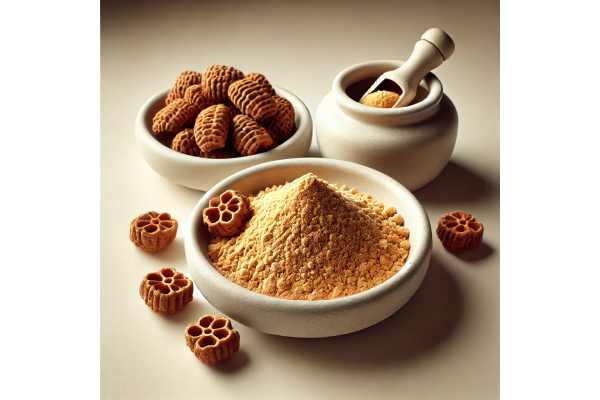
Asafoetida, better known as hing in many Indian kitchens, is one of those spices where a tiny pinch changes everything. Made from the dried resin of Ferula species, it brings a deep, savory, almost onion-garlic aroma to food, especially lentil dishes and vegetable curries. Beyond flavor, traditional systems of medicine have long used asafoetida for digestion, gas, and respiratory complaints. Modern research is beginning to explore these uses more systematically, especially its effects on gut motility, inflammation, and microbes.
At the same time, asafoetida is potent. It’s highly concentrated, often blended with flour in commercial powders, and can interact with medications or underlying conditions when taken in large amounts or as a supplement. This guide walks you through what hing actually is, how it’s made, what we know (and do not yet know) about its health effects, how to buy and cook with it, and who needs to be careful.
Asafoetida at a Glance
- Tiny culinary amounts of asafoetida may help reduce gas, bloating, and heaviness after bean or lentil-based meals.
- The resin contains sulfur compounds and phenolics that show antioxidant, antispasmodic, and antimicrobial activity in lab and animal studies.
- A typical culinary use is about 1/8 teaspoon (roughly 0.25–0.5 g) per dish, up to around 1–2 g per day for most healthy adults through food.
- Pure resin is naturally gluten free, but many commercial hing powders include wheat flour or other carriers that matter for people with celiac disease.
- People who are pregnant or breastfeeding, infants and young children, and those with bleeding or seizure disorders or on blood-thinning or blood-pressure drugs should avoid medicinal doses and use only under medical guidance, if at all.
Table of Contents
- Asafoetida Background and Culinary Role
- Asafoetida Nutrition Profile and Actives
- Asafoetida Health Benefits and Evidence
- Risks, Allergies and Medication Interactions
- Buying Quality Hing and Storing It
- Cooking with Hing for Best Benefit
- Portions, Comparisons and Common Questions
Asafoetida Background and Culinary Role
Asafoetida is an oleo-gum-resin obtained from the roots of Ferula plants, which are tall, fennel-like herbs native to regions of Iran, Afghanistan, and surrounding areas. Harvesters cut the root crown of mature plants and allow the milky sap to exude and dry into irregular, tan-brown masses. These chunks of resin are then sold as whole “tears,” crushed granules, or further processed into powders.
The name “asafoetida” literally refers to a fetid resin, and the nickname “devil’s dung” hints at its penetrating odor. Yet, when briefly fried in hot fat, the harsh sulfur notes transform into a smooth, savory, almost leek-like aroma. This makes hing a powerful stand-in for onion and garlic, particularly in cuisines or religious traditions that limit allium use.
In Indian cooking, asafoetida is almost always used in tempered fat (tadka) at the beginning of cooking. A pinch is added to hot ghee, oil, or butter just before spices like cumin or mustard seeds. This step dissolves the resin, tames the sharp smell, and disperses flavor throughout the dish. Because the spice is so intense, home cooks rarely measure more than a pinch or a scant 1/8 teaspoon per pot.
Traditional uses extend beyond flavor. Asafoetida has long been added to lentils, chickpeas, and certain vegetables believed to cause gas, with the idea that it “expels wind” and eases abdominal discomfort. It also appears in herbal formulas and folk remedies for respiratory complaints, menstrual cramps, and various digestive troubles, although these uses rely heavily on tradition and anecdote.
There are two main culinary forms:
- Pure or nearly pure resin: Strongest flavor, used in tiny amounts, often by grating or crushing.
- Compounded hing powder: Resin blended with carriers such as wheat flour, rice flour, or gum arabic to dilute the strength and make dosing easier.
Understanding which form you have is essential, both for flavor control and for people with gluten intolerance or celiac disease.
Asafoetida Nutrition Profile and Actives
From a standard nutrition-label standpoint, asafoetida is not eaten in large enough amounts to be a major calorie or micronutrient source. Per 100 g of resin, it provides mostly carbohydrates, a small amount of protein, minimal fat, and notable minerals like calcium and iron. However, a typical pinch in cooking is far under 1 g, so these numbers don’t translate into significant daily intake.
More interesting than its macronutrients are the bioactive compounds in the resin:
- Resin fraction (roughly 40–65%)
This includes ferulic acid, various coumarins (such as umbelliferone and related sesquiterpene coumarins), and asaresinotannols. Many of these molecules show antioxidant, anti-inflammatory, and antispasmodic effects in lab models. - Gum fraction (about 25%)
Composed largely of polysaccharides such as arabinogalactans and other plant gums. These may act as soluble fiber and could influence gut microbiota, but their impact at culinary doses is unclear. - Volatile oil (typically 3–17%)
This is where the characteristic smell resides. The oil is rich in organosulfur compounds, especially disulfides and polysulfides such as 2-butyl-3-propenyl disulfide and related molecules. These are chemically distinct from, but conceptually similar to, the sulfur compounds responsible for the aromas of onion and garlic.
These components are believed to underlie several reported actions:
- Digestive support: Antispasmodic effects on smooth muscle and modulation of digestive enzyme activity in experimental models.
- Antioxidant activity: Scavenging of reactive oxygen species and protection of lipids or proteins from oxidative damage in cell and animal studies.
- Antimicrobial properties: Inhibition of various bacteria and fungi in vitro, sometimes at relatively low concentrations of essential oil.
- Vascular and metabolic effects: Experimental data suggest blood-pressure lowering and lipid-modulating actions at higher doses in animals, though this has not been firmly translated into clinical practice.
Commercial hing powders complicate the nutritional picture. They often contain:
- Carbohydrate carriers: Wheat flour, rice flour, or tapioca starch, which contribute most of the calories.
- Gum arabic or other stabilizers: Improve flow and reduce clumping.
- Salt or other spices: Occasionally added for flavor balance.
For most people, the nutritional impact of typical hing use is minimal, but those who are gluten free or monitoring sodium or carbohydrate intake should read labels carefully and, when needed, choose pure resin or certified gluten-free formulations.
Asafoetida Health Benefits and Evidence
Many traditional claims for asafoetida have circulated for centuries, ranging from relief of gas to support for respiratory, menstrual, and even nervous system complaints. Modern research is attempting to separate plausible mechanisms from folklore. Overall, the evidence is promising but still limited, and most data come from lab or animal studies rather than large human trials.
Digestive comfort and gas
The most widely accepted use of hing is for digestive comfort, especially gas, bloating, and a feeling of heaviness after eating legumes. Experimental studies suggest:
- Relaxation of intestinal smooth muscle, which can reduce spasms that contribute to cramping and pain.
- Modulation of digestive enzymes such as lipase and amylase, potentially improving breakdown of fats and carbohydrates.
- Carminative effects, helping trapped gas move through the gut more easily.
At least one small clinical trial using an enteric-coated asafoetida preparation in people with irritable bowel syndrome reported reductions in bloating and abdominal discomfort compared with placebo. However, sample sizes were small, and formulations differ from what home cooks use in the kitchen.
Anti-inflammatory and antioxidant actions
Asafoetida’s resin and essential oil contain ferulic acid, flavonoids, and sulfur-containing compounds that show antioxidant and anti-inflammatory effects in cell and animal models. These include:
- Reducing oxidative stress markers.
- Modulating inflammatory mediators that are involved in chronic gut and metabolic disorders.
While encouraging, these findings don’t yet prove that culinary amounts of hing meaningfully change disease risk in humans. They do, however, support its continued study as part of dietary and herbal approaches to gut and metabolic health.
Antimicrobial and potential immune effects
In vitro studies show that asafoetida extracts can inhibit a range of bacteria and fungi, including some pathogens. The essential oil’s antimicrobial activity has led to interest in using it as a natural preservative or adjunct in managing mild infections, though this remains experimental.
These antimicrobial and antioxidant properties may help explain why traditional cuisines pair hing with ingredients that are more prone to spoilage, such as lentils, legumes, and certain vegetables in warm climates. As part of a dish, it may contribute modestly to microbial balance rather than acting as a stand-alone “antibiotic.”
Respiratory, cardiovascular, and metabolic effects
Traditional texts describe asafoetida as an expectorant and remedy for cough or asthma. Animal studies have shown bronchodilatory, antispasmodic, and hypotensive actions. Some experiments also suggest lipid-lowering and blood-sugar-modulating effects at relatively high doses.
However:
- Human data are sparse, often uncontrolled, and use varying preparations.
- The doses in experimental settings are typically far higher than those used in everyday cooking.
At present, asafoetida should not replace prescribed treatment for respiratory, cardiovascular, or metabolic conditions. Its best-validated role remains as a culinary spice that may make heavy meals more comfortable for some people.
Risks, Allergies and Medication Interactions
Despite being used for centuries, asafoetida is not risk-free. The key distinction is between small culinary amounts and larger, supplement-level doses taken with medicinal intent.
Common side effects
In sensitive individuals or at higher intakes, asafoetida may cause:
- Digestive upset (nausea, loose stools, cramping).
- Excessive burping, gas, and a lingering sulfur taste.
- Headache, dizziness, or a sense of irritability.
- Local irritation if applied directly to the skin or mucosa.
Most people using a pinch in cooking will never notice these effects, but they become more relevant with concentrated extracts or capsules.
Allergies and intolerance
True allergy to asafoetida is uncommon but reported. Possible signs include:
- Itching, rash, hives, or swelling of the lips and face.
- Wheezing or difficulty breathing.
- Severe abdominal pain or vomiting shortly after exposure.
More frequently, people react to the carriers in compounded hing powders rather than the resin itself. Wheat flour, in particular, is a standard diluent. Anyone with celiac disease or non-celiac gluten sensitivity should:
- Read labels carefully and assume that “hing powder” contains gluten unless clearly marked otherwise.
- Consider using pure resin or certified gluten-free products instead.
Pregnancy, breastfeeding, and children
High oral doses of asafoetida are generally discouraged in:
- Pregnancy: Traditional sources and modern safety reviews warn that large or medicinal doses may stimulate uterine activity or increase bleeding risk. Culinary pinches in cooked food may be lower risk but should still be discussed with a healthcare professional.
- Breastfeeding: There is concern that active compounds could pass into breast milk and theoretically contribute to bleeding problems or other adverse effects in infants.
- Infants and very young children: Concentrated forms are considered unsafe, particularly because of potential effects on blood and nervous system function.
For these groups, it is safest to avoid supplements and stick, if at all, to tiny culinary amounts under professional guidance.
Medication interactions and medical conditions
Asafoetida contains coumarin-like compounds and can influence blood vessels and smooth muscle, which raises several concerns:
- Bleeding risk: It may slow blood clotting. Combining high intakes or supplements with anticoagulant or antiplatelet drugs (such as warfarin, certain antithrombotics, or even frequent high-dose NSAIDs) could increase bruising or bleeding risk.
- Blood pressure medications: In animal studies, asafoetida lowered blood pressure. In theory, it might add to the effects of antihypertensive drugs, contributing to dizziness, lightheadedness, or excessive drops in pressure.
- Seizure disorders: Some references caution against use in people with epilepsy or a history of convulsions because of possible effects on nervous system excitability.
- Gastrointestinal disease: Active ulcers, inflammatory bowel disease flares, or acute GI infections may all be aggravated by strong spices and herbal resins, including hing.
If you take prescription medication, have a chronic health condition, or are planning surgery, discuss asafoetida supplements with your clinician and stop any high-dose products well before procedures, as advised by your medical team.
Buying Quality Hing and Storing It
Choosing good-quality asafoetida is partly about safety and partly about flavor. Because it is a powerful, relatively niche product, adulteration and confusing labeling do occur.
Forms and labeling
When shopping, you will usually encounter:
- Pure resin tears or blocks: Often sold in small jars or wrapped pieces. The ingredient list should be just asafoetida (sometimes specified as Ferula asafoetida or Ferula species).
- Compounded hing powder: The most common supermarket form. Labels typically list gum arabic or other gums, wheat or rice flour, and a smaller percentage of asafoetida resin.
- Blended spice mixes: Some “hing masala” blends contain asafoetida plus salt, chili, and other spices. These are not simple replacements for plain hing.
Look for clear ingredients, batch numbers, and best-before dates. Vague labeling, undisclosed carriers, or very low prices for “pure” hing are warning signs.
Quality cues
Good asafoetida should:
- Smell strong but clean—sulfurous, onion-garlic-like, slightly medicinal, not musty or rancid.
- Have a uniform color for pure resin chunks (usually beige to amber) without visible mold or dark, slimy patches.
- Flow reasonably freely in powder form, with minimal caking if properly stored.
Organic certification can provide some reassurance about pesticide use, but it does not guarantee absence of adulterants. Reputable brands that specialize in Indian or Middle Eastern spices, and that provide full ingredient disclosure, are often a safer choice than generic “mystery” jars.
Sustainability and sourcing
Most asafoetida still comes from wild or semi-wild Ferula stands in central and western Asia. While detailed sustainability data are limited, there are concerns about:
- Overharvesting and damage to plant populations if resin is taken too aggressively.
- Economic pressure on smallholder harvesters.
When possible, supporting brands that discuss ethical sourcing, fair compensation, and sustainable harvesting practices can help. Because this information is not always available, moderating your usage and avoiding waste are practical steps.
Storage
Asafoetida is extremely pungent and can easily scent an entire cupboard if not sealed properly. To preserve quality:
- Keep it in an airtight container, ideally double-sealed (jar inside a lidded box).
- Store in a cool, dark place away from heat and moisture.
- Avoid leaving the lid off during cooking; open briefly, scoop your pinch, and close it again.
Properly stored, hing powder can stay aromatic for 1–2 years, while pure resin can keep its strength even longer. If the aroma fades significantly or the product smells stale, it’s time to replace it.
Cooking with Hing for Best Benefit
Using asafoetida well is about balance: enough to bring depth and digestive comfort, not so much that it overwhelms a dish.
Foundational technique: blooming in fat
The classic method is to “bloom” hing in hot fat:
- Heat ghee, oil, or another cooking fat over medium heat.
- Add whole spices such as mustard seeds, cumin, or dried chilies if the recipe uses them.
- Once the seeds begin to splutter, add a pinch of hing (about 1/16–1/8 teaspoon).
- Stir for just a few seconds until the aroma changes from harsh and sulfurous to warm and savory.
- Immediately add lentils, vegetables, or liquids to prevent scorching.
This quick heating step volatilizes sharp compounds, spreads aroma, and may also influence how easily certain actives are absorbed.
Pairing with foods
Asafoetida works particularly well with:
- Lentils and beans (dal, sambar, chickpea curries).
- Cruciferous vegetables (cabbage, cauliflower, Brussels sprouts).
- Potato dishes and dry vegetable stir-fries.
- Pickles and tangy relishes in some regional cuisines.
Many low-FODMAP and Jain cooking adaptations use hing to recreate the savory depth of onion and garlic without actually using those ingredients. For this purpose, a little more hing may be used, but it’s still wise to increase gradually and taste as you go.
Managing strength and flavor
Because formulations differ, a useful approach is:
- Start with the smallest reasonable amount (a scant pinch) per pot.
- Note the brand and form you’re using; pure resin is far stronger than diluted powder.
- Adjust over several cooks based on the dish and your family’s tolerance.
Overuse leads to bitterness and an unpleasant lingering taste, and may also increase the likelihood of heartburn or digestive discomfort in sensitive people.
Nutrient and active retention
Asafoetida’s main astringent and aromatic constituents are relatively heat stable compared with delicate herbs. Brief frying in fat is unlikely to destroy its key actives. Some practical tips:
- Avoid burning: blackened hing becomes acrid and may generate unwanted breakdown products. If it turns very dark immediately, discard the fat and start again.
- Prefer moderate heat: medium to medium-low is usually enough for blooming.
- Add early for flavor, late for aroma: using a small amount in the initial tadka and, if desired, an extra tiny pinch near the end (briefly fried) can layer flavor without overloading the dish.
If you are experimenting with asafoetida for digestive comfort, focus less on squeezing maximum milligrams of actives out of the spice and more on consistent, modest use in meals that you already find heavy or gas-forming.
Portions, Comparisons and Common Questions
Because asafoetida is so concentrated, “dose” is measured in pinches rather than tablespoons.
Practical serving guidelines
For most healthy adults:
- Per dish: About 1/16–1/8 teaspoon (roughly 0.25–0.5 g) of compounded hing powder for a pot serving 3–4 people is typical. Pure resin or very strong powders may require even less.
- Per day: Total intake from food of up to around 1–2 g for most people is considered within a culinary range, though not a formal medical recommendation.
- Supplements: Standardized capsules often contain higher amounts per dose than you could realistically eat through food. These should only be used under professional supervision.
Children, older adults with multiple conditions, and people on complex medication regimens should generally stay at the lower end of culinary use and avoid concentrated preparations unless their clinician explicitly approves them.
How does asafoetida compare with onion and garlic?
Functionally:
- Flavor: Hing can mimic some of the savory depth of onions and garlic when used correctly, especially in dishes with lentils and spices. It won’t replicate their texture or sweetness but can give a similar base note.
- Digestive effects: Some people who find onions and garlic hard to tolerate, particularly those with IBS on a low-FODMAP plan, do better with tiny amounts of asafoetida instead. Others remain sensitive to any strong spice.
- Nutrition: Onions and garlic contribute more vitamins, minerals, and fiber at typical portion sizes than hing does. Asafoetida’s value is more in its concentrated actives and culinary efficiency.
Frequently asked questions
- Is asafoetida safe every day?
In small culinary amounts within meals, it appears generally safe for most healthy adults. Daily heavy use, large “medicinal” doses, or supplement use is a different situation and should be discussed with a healthcare professional. - Can I use it if I’m gluten free?
Yes, but only if you choose pure resin or a certified gluten-free product. Many standard hing powders contain wheat flour. - Does hing help with weight loss or blood sugar?
Experimental models suggest potential effects on lipids and glucose, but there is not enough high-quality human evidence to rely on asafoetida for weight or diabetes management. Think of it as a flavorful spice that might modestly support digestion, not a stand-alone metabolic solution. - Can I give asafoetida to my baby for colic?
No. Concentrated asafoetida products are considered unsafe for infants, and even small amounts are not recommended without professional guidance. There are better-studied options for infant colic. - Should I switch from onion and garlic to hing for health reasons?
Not necessarily. Onions and garlic have their own well-supported cardiovascular and immune benefits. Asafoetida is most helpful as an alternative or complement when you need to manage digestion, flavor preferences, or dietary rules.
Used thoughtfully, hing is a powerful tool: a way to boost flavor, possibly ease heavy meals, and connect with culinary traditions. The key is respect for its strength, awareness of who should avoid it, and a willingness to experiment slowly in your own kitchen.
References
- Ferula asafoetida: Traditional uses and pharmacological activity 2012 (Review)
- Biological activities and medicinal properties of Asafoetida 2017 (Systematic Review)
- Ferula asafoetida: chemical composition, thermal behavior, antimicrobial and antioxidant activity of leaf and gum extracts 2020 (Experimental Study)
- Chemical Composition, Antioxidant Properties, and Antimicrobial Activity of Ferula assa-foetida L. Essential Oil against Pathogenic Bacteria 2024 (Experimental Study)
- Asafoetida: Health Benefits, Side Effects, Uses, Dose & Precautions 2025 (Clinical Safety Summary)
Disclaimer
The information in this article is intended for general educational purposes only and is not a substitute for personalized medical advice, diagnosis, or treatment. Asafoetida can interact with medications and underlying health conditions, and safety considerations are especially important for people who are pregnant or breastfeeding, children, and those with bleeding, blood-pressure, seizure, or gastrointestinal disorders. Always speak with your physician, pharmacist, or another qualified health professional before starting, stopping, or significantly changing your use of asafoetida or any other herb, supplement, or dietary pattern.
If you found this article helpful, you are warmly invited to share it with others—on Facebook, X (formerly Twitter), or any platform you prefer. Thoughtful sharing helps more readers make informed choices and supports the ongoing work of creating clear, trustworthy nutrition content.