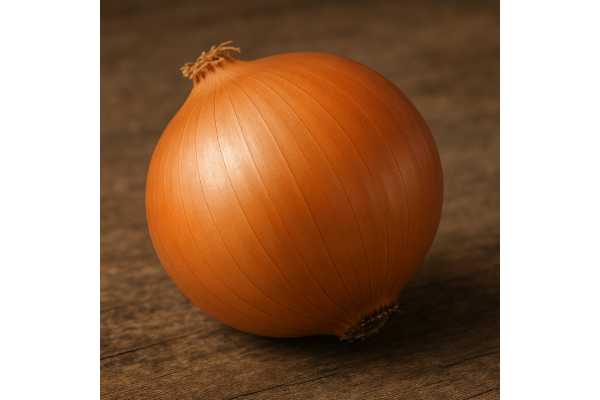
Onion may be one of the most ordinary foods in your kitchen, but nutritionally and biologically it is anything but simple. Bulbs of Allium cepa bring layered flavour to almost every cuisine, from slow-cooked stews and sautés to quick salads, salsas, and pickles. Beneath that sharp aroma, onions are low in calories and provide vitamin C, vitamin B6, folate, potassium, and small amounts of manganese and other minerals. They also deliver a notable mix of flavonoids, including quercetin, and sulfur-containing compounds that give onions their characteristic bite and much of their functional interest.
Research on onions and other allium vegetables suggests possible benefits for cardiovascular health, blood sugar control, body weight, and gut microbiota, especially when they are eaten regularly as part of a plant-forward pattern of eating. At the same time, onions contain fermentable carbohydrates that can aggravate symptoms in people with irritable bowel syndrome, and concentrated supplements deserve the same caution you would give to any active preparation. This article walks through the nutrition facts, evidence-based benefits, safety considerations, and practical ways to buy, cook, and portion onions in everyday life.
Core Points
- Raw onion provides about 40 kcal, ~9 g carbohydrate, and meaningful vitamin C, vitamin B6, folate, potassium, and flavonoids per 100 g.
- Regular onion intake is linked to modest improvements in blood lipids, body fat, and other cardiometabolic markers in clinical trials using onion-based interventions.
- A typical culinary portion is 50–80 g raw onion (about half a medium bulb) per meal, several times per week, within a varied vegetable intake.
- High FODMAP content can trigger digestive symptoms in people with irritable bowel syndrome; these individuals may need to limit onion or use infused oils instead.
- People with significant gastrointestinal disease, recurrent kidney stones, or on certain medications (especially for blood clotting or blood sugar) should discuss high or supplemental onion intake with their healthcare team.
Table of Contents
- Onion Varieties Roles and Culture
- Onion Nutrition Numbers in Context
- Evidence-Backed Health Effects of Onions
- Onion Sensitivities Risks and Interactions
- Buying Onions Quality Storage Sustainability
- Preparing Onions and Preserving Nutrients
- Onion Portions Practical Comparisons FAQs
Onion Varieties Roles and Culture
Onions have been cultivated for thousands of years and now grow on every continent. Allium cepa includes common bulb onions and close relatives such as shallots and certain spring onions. Within bulb onions, everyday varieties fall broadly into yellow or brown, white, and red onions, along with sweet types like Vidalia or Walla Walla. Each has a slightly different balance of sugars, sulfur compounds, and pigments, which affects flavour, sweetness, pungency, and phytochemical profile.
Yellow onions are the classic all-purpose choice for sautés, soups, and stews. Their relatively high sulfur content and balanced sweetness make them ideal for browning and building savoury bases. White onions tend to have a sharper bite and are common in Latin American cuisines, where they are used raw in salsas and pickled garnishes. Red onions bring mild heat, crisp texture, and anthocyanin pigments that add colour to salads, sandwiches, and quick pickles.
In daily cooking, onions function as more than flavour. When slowly cooked, their natural sugars caramelize, contributing sweetness and umami that can reduce the need for added salt or sugar. Finely chopped onion helps retain moisture in meat and plant-based patties; sliced onions can bulk out stews, curries, and stir-fries for relatively few calories.
Onion is also a key contributor to cultural food identity. Classic dishes such as French onion soup, South Asian bhaji, Turkish and Middle Eastern kebab accompaniments, and many Creole and Cajun recipes rely on onions as a core structural ingredient. Dried onion powder and flakes extend shelf life and provide a convenient way to add flavour where fresh storage is limited.
From a health perspective, eating onions in this routine culinary way is what most epidemiological and clinical research assumes: regular, moderate amounts integrated into meals, rather than extreme doses. The same qualities that make onions so versatile in the kitchen—low energy density, high flavour, and compatibility with legumes, whole grains, and vegetables—also help them support overall dietary patterns that are associated with lower chronic disease risk.
Onion Nutrition Numbers in Context
Standard nutrition data are usually reported for 100 g raw onion, roughly equivalent to a small to medium bulb or about one cup of chopped onion. Values vary somewhat by variety and growing conditions, but the pattern is consistent across yellow, white, and red types.
Macros and Electrolytes (per 100 g raw onion)
| Nutrient | Amount per 100 g | Approx. % Daily Value* |
|---|---|---|
| Energy | 40 kcal | 2% |
| Water | 89 g | – |
| Protein | 1.1 g | 2% |
| Total fat | 0.1 g | <1% |
| Carbohydrates (total) | 9.3 g | 3% |
| Dietary fiber | 1.7 g | ~6% |
| Sugars (mostly sucrose, fructose, glucose) | 4.2 g | – |
| Sodium (naturally occurring) | 4–7 mg | <1% |
| Potassium | ~146 mg | 4% |
*Percent Daily Values are approximate for a typical adult.
Onions are low in calories and fat while providing modest amounts of carbohydrate and fibre. Most carbohydrate is simple sugar, but because onions are usually eaten in small to moderate amounts and alongside other foods, the glycemic load of a typical portion remains low.
Vitamins and Minerals (per 100 g raw onion)
| Vitamin or Mineral | Amount per 100 g | Approx. % Daily Value |
|---|---|---|
| Vitamin C | 7–8 mg | ~8–10% |
| Vitamin B6 | 0.12 mg | ~7–9% |
| Folate (Vitamin B9, DFE) | 19–24 µg | ~5–6% |
| Thiamin (Vitamin B1) | 0.05–0.06 mg | ~4–5% |
| Manganese | 0.13 mg | ~6–7% |
| Potassium | ~146 mg | ~4% |
| Calcium | 23–25 mg | ~2–3% |
| Magnesium | 10 mg | ~2–3% |
While onions are not nutritionally dense in every category, they contribute meaningfully to vitamin C and vitamin B6 intake and provide small amounts of folate, manganese, and minerals that add up across meals.
Bioactives, Phytonutrients, and Glycemic Metrics
Where onions stand out is in their content of bioactive compounds:
- Flavonoids, especially quercetin and its glycosides, concentrated particularly in the outer layers and in red and yellow onions.
- Organosulfur compounds, including S-alk(en)yl-L-cysteine sulfoxides and their derivatives, responsible for the pungent aroma, tearing effect, and many of the observed biological actions.
- Prebiotic fibres, such as inulin-type fructans and fructo-oligosaccharides, which can influence gut microbiota composition.
A medium onion (around 100 g) can provide a notable dose of quercetin, though values vary widely.
From a glycemic perspective, onions have:
- Low glycemic index when eaten in normal amounts.
- Low glycemic load per portion, because the absolute carbohydrate content per everyday serving is modest.
The prebiotic fibres and viscous components can slow carbohydrate absorption somewhat and support beneficial microbes that produce short-chain fatty acids, which may help metabolic health.
Allergens and Intolerance Markers
Onions are high in FODMAPs, specifically fructans, which are poorly absorbed short-chain carbohydrates. These can trigger bloating, gas, and pain in people with irritable bowel syndrome or fructan sensitivity, even at relatively small intakes.
Onion also contains low to moderate levels of oxalate and sulfur-containing compounds, which are generally safe in normal amounts but may be relevant in people with specific sensitivities or kidney stone risk, discussed later.
Evidence-Backed Health Effects of Onions
Onions and other allium vegetables have a long history of use in traditional medicine systems. Modern research has begun to examine their impact on measurable health outcomes, particularly in cardiometabolic diseases. Much of the strongest evidence comes from randomized controlled trials and meta-analyses using onion extracts, powders, juices, or specified dietary interventions.
Cardiovascular Risk and Blood Lipids
Meta-analyses of randomized controlled trials have found that onion supplementation can produce modest but significant improvements in lipid profiles, including reductions in total cholesterol and low-density lipoprotein cholesterol and, in some studies, improved high-density lipoprotein cholesterol.
Other systematic reviews focusing on subjects with obesity report that onion-based interventions may lead to small but meaningful reductions in body mass index, waist circumference, and low-density lipoprotein cholesterol, while improving some markers of inflammation.
Observational studies of allium vegetable intake as part of overall diet generally associate higher onion and garlic consumption with lower risk of certain cardiovascular events and better surrogate markers, although isolating onion-specific effects is challenging.
Blood Sugar, Weight, and Metabolic Syndrome
Evidence from clinical trials suggests that onion extracts and powders can support:
- Lower fasting blood glucose and modest reductions in glycated haemoglobin in people with type 2 diabetes, particularly when used alongside standard care.
- Improved insulin sensitivity in some intervention protocols.
- Reduced body fat percentage and waist circumference in participants with obesity or metabolic syndrome.
Comprehensive reviews on Allium cepa in metabolic syndrome management conclude that onions show potential antidiabetic, anti-obesity, and cardioprotective actions, mediated through antioxidant effects, modulation of glucose transporters and enzymes, improvements in lipid metabolism, and beneficial changes in endothelial function.
It is important to note that:
- Doses in trials are often higher and more standardized than typical dietary use (for example, quercetin-rich onion powder or onion peel extract).
- Benefits appear additive to, rather than a replacement for, established lifestyle changes and medication.
Gut Microbiota and Digestive Health
Prebiotic fructans and other fermentable fibres in onion selectively feed certain gut bacteria, promoting production of short-chain fatty acids such as butyrate and propionate. These compounds support colonic cell health, may modulate immune responses, and influence metabolic pathways related to blood sugar and lipid regulation.
However, the same fermentable fibres that benefit many people can provoke symptoms in those with FODMAP sensitivity; tolerable amounts can vary considerably between individuals.
Antioxidant, Anti-inflammatory, and Cancer-Related Effects
Onion flavonoids and sulfur compounds have demonstrated:
- Strong antioxidant activity in vitro and in animal models.
- Modulation of inflammatory signalling pathways and reduction in some inflammatory markers.
- Potential contributions to reduced risk of certain cancers, especially some digestive tract cancers, in observational studies of allium vegetable intake, although results are not entirely consistent.
These findings are promising but do not justify using onion as a stand-alone cancer therapy. The most realistic interpretation is that regular onion intake, as part of a diverse plant-rich diet, can contribute to a lower overall risk profile for chronic inflammatory and neoplastic diseases.
Bone, Cognitive, and Other Emerging Areas
Smaller clinical and observational studies suggest potential benefits of onion consumption for:
- Bone health, particularly in perimenopausal and postmenopausal women, where higher onion intake has been associated with better bone density and reduced fracture risk.
- Cognitive ageing, where quercetin-rich onion preparations have shown early signals for supporting certain aspects of cognitive function, though research remains preliminary.
Overall, onions are best understood as a supportive food with multiple modest, overlapping effects rather than a single “magic bullet.” Combining regular onion intake with other healthy behaviours is what delivers meaningful benefit over time.
Onion Sensitivities Risks and Interactions
For most people, culinary amounts of onion are safe. Problems arise primarily with digestive sensitivities, high FODMAP intake, and, less commonly, allergies or interactions with medication.
Digestive Tolerance and FODMAP Concerns
Onion is one of the most concentrated dietary sources of fructans, which are fermentable carbohydrates. In people with irritable bowel syndrome or functional bloating, even small amounts of onion can trigger:
- Abdominal pain or cramping
- Bloating and visible distension
- Excess gas
- Loose stools
Low-FODMAP dietary protocols often remove onion entirely during an initial elimination phase, then reintroduce small amounts in a structured way to determine individual tolerance. In such cases, alternatives like garlic or onion-infused oils (without the actual fragments) can provide some flavour without the offending carbohydrates.
Allergies and Intolerances
True onion allergy is uncommon but documented. Symptoms can include:
- Oral itching and swelling
- Hives, rash, or eczema
- Respiratory symptoms such as sneezing or wheeze
- Rarely, more severe reactions
People with pollen-food allergy syndrome may experience cross-reactivity between onion and certain pollen allergens. In milder cases, cooking can reduce allergenicity, but anyone with suspected onion allergy should undergo evaluation by an allergy specialist.
Non-allergic intolerance is more common and may include heartburn or reflux, likely due to sulfur compounds and their effects on the lower oesophageal sphincter in susceptible individuals.
Kidney Stones and Oxalate
Onions contain modest levels of oxalate, which can contribute to calcium oxalate kidney stones in predisposed individuals. The contribution from typical onion intakes appears small compared with higher-oxalate foods such as spinach or rhubarb, but people with recurrent oxalate stones may still want to moderate very high onion consumption and ensure adequate hydration and calcium intake with meals.
Medications and Medical Conditions
Several aspects merit attention:
- Anticoagulant and antiplatelet therapy: Onion flavonoids and sulfur compounds have mild antiplatelet effects in some studies. While normal culinary intake is unlikely to cause significant problems, people on warfarin, direct oral anticoagulants, or antiplatelet drugs should avoid large, sudden increases in onion-based supplements without medical advice.
- Blood pressure and lipid-lowering medication: Onion interventions that impact blood pressure and lipids may enhance the effect of antihypertensive or lipid-lowering drugs; this is usually desirable but should be monitored, especially when using concentrated supplements.
- Diabetes medications: Emerging evidence suggests that onion extracts can modestly lower blood glucose and improve insulin sensitivity. This could theoretically increase the risk of hypoglycaemia when combined with insulin or insulin secretagogues if not monitored.
People with chronic kidney disease, advanced liver disease, or significant gastrointestinal pathology should generally review major dietary changes, including high or supplemental onion intake, with their medical team.
Pets and Household Safety
Onions (raw, cooked, powdered, or in leftovers) are toxic to cats and dogs even in relatively small amounts, because organosulfur compounds can damage their red blood cells. Keep onions and onion-rich dishes away from pets and avoid sharing table scraps containing onion with them.
Buying Onions Quality Storage Sustainability
Choosing good onions and storing them well improves flavour, reduces waste, and preserves nutritional value.
Selecting High-Quality Onions
When shopping for bulb onions:
- Look for firm, heavy bulbs with dry, papery skins.
- Avoid onions with soft spots, obvious mould, or moist areas under the skin.
- Sprouting at the top indicates age; sprouted onions are safe but less ideal for long storage and can be bitter.
- For red onions, choose bulbs with vibrant colour without extensive greying or dark patches.
Sweet onions often have higher water content and thinner skins, which makes them more perishable; buy these closer to when you plan to use them.
Processed onion products vary widely:
- Frozen chopped onion is convenient and retains most minerals and some flavour compounds, though texture softens when cooked.
- Dried onion flakes and powders are useful pantry staples; choose products without unnecessary additives.
- Fried onion toppings and chips can be high in fat and salt, so treat them as occasional condiments rather than core vegetable servings.
Storage and Shelf Life
For whole dry onions:
- Store in a cool, dark, well-ventilated place, ideally between 4–10°C but not in a moist environment.
- Keep them away from potatoes; both produce moisture and gases that accelerate sprouting and spoilage when stored together.
- Under good conditions, dry onions can keep for several weeks to months, depending on variety.
Once cut:
- Wrap the remaining portion tightly or place it in an airtight container and refrigerate.
- Use cut onion within 3–5 days for best flavour and quality.
Spring onions and fresh pearl onions should be refrigerated and used sooner, typically within a week.
Sustainability and Environmental Aspects
Onions are relatively efficient to grow and store:
- They have a moderate water and land footprint compared with many other crops.
- Their good storability reduces post-harvest losses and allows long-term distribution without heavy energy inputs beyond controlled storage.
To further support sustainable choices:
- Favour seasonal, locally grown onions when possible.
- Use both bulbs and, when edible, green tops (for example, from spring onions) to reduce waste.
- Consider whole onions and simple processed forms over heavily packaged ultra-processed snacks.
Preparing Onions and Preserving Nutrients
How you cut, handle, and cook onions affects not only flavour and texture but also their nutrient and phytochemical profile.
Cutting and the “Tear Factor”
When an onion is cut, enzymes in the cells convert sulfur-containing precursors into volatile compounds, including the “lachrymatory factor” that irritates eyes. A few practical tips:
- Use a sharp knife to minimize cell damage and reduce release of volatiles.
- Chill the onion briefly before cutting, which can slow the enzymatic reaction.
- Cut near an open window or use gentle ventilation to disperse vapours.
- Work quickly and avoid placing your face directly over the cutting board.
Allowing chopped onions to rest for several minutes before cooking can give enzymes time to generate beneficial sulfur compounds before heat inactivates them.
Cooking Methods and Nutrient Retention
Onions are rarely eaten entirely raw, but cooking changes their nutritional profile:
- Light sautéing in a small amount of oil retains much of the vitamin C and flavonoids while developing sweetness and flavour.
- Long, moist cooking (as in deeply caramelised onions or slow-cooked stews) can significantly reduce vitamin C content but preserves minerals and much of the flavonoid content; some studies suggest that baking or certain cooking methods can even increase the measured concentration of some flavonols by reducing water content.
- Boiling onions in large volumes of water can leach water-soluble vitamins and minerals into the cooking liquid; using that liquid in soups helps retain these nutrients.
- Grilling or roasting whole or halved onions concentrates flavour and sugars but should be done carefully to avoid heavy charring.
The prebiotic fructans and other fibres are relatively heat-stable, though some degradation occurs with prolonged high-temperature cooking.
Practical Uses in Everyday Meals
To incorporate onions regularly without overwhelming meals:
- Add finely diced onion to the base of soups, stews, and sauces, allowing it to soften and sweeten before adding other ingredients.
- Use thin slices of raw red onion sparingly in salads, salsas, and sandwiches for crunch and colour.
- Prepare quick pickled onions with vinegar, a pinch of salt, and optional spices; they add acidity and brightness to rich dishes.
- Combine onions with pulses and whole grains—for example, lentil stews, bean chilis, grain bowls—to reinforce plant-based patterns associated with lower chronic disease risk.
For people who are sensitive to onion’s FODMAP content but can tolerate small amounts, techniques like cooking onion in oil and then removing the solids can transfer some flavour without all of the fermentable carbohydrates.
Onion Powders, Extracts, and Supplements
Commercial onion supplements concentrate specific components, such as quercetin or sulfur compounds. Clinical trials suggest benefits for lipids, blood pressure, and obesity when using certain preparations, but these products are pharmacologically active and not equivalent to culinary onions.
If you are considering onion-based supplements:
- Review them with a clinician or dietitian, especially if you have chronic conditions or take prescription medications.
- Use standardized products from reputable manufacturers.
- Avoid assuming that more is better; follow trial-aligned or label doses rather than self-escalating.
Onion Portions Practical Comparisons FAQs
Practical Portions and Frequency
In everyday terms:
- Half a medium onion (around 50–60 g) in a cooked dish is a common portion per person.
- One medium onion (~100 g) spread across a dish that serves two to three people is very typical.
For most adults without special medical considerations, including onion:
- Several times per week, in cooked and raw forms, is reasonable.
- Daily use in modest amounts is consistent with epidemiological patterns in populations where onions are staples.
People at higher cardiometabolic risk who tolerate onion well may choose to use it more frequently, alongside other vegetables, whole grains, and legumes, to build a heart-healthy pattern.
How Onions Compare with Other Vegetables
Per 100 g:
- Onions provide fewer vitamins A and K than dark leafy greens but compare favourably for vitamin C and vitamin B6.
- They contain less fibre than some high-fibre vegetables (such as artichokes or Brussels sprouts) but still contribute meaningfully, especially given how often they appear in meals.
- Their quercetin and organosulfur content is notably higher than many non-allium vegetables, giving them a distinctive role in delivering these compounds.
Compared with garlic, onions are eaten in larger amounts but usually have slightly lower concentrations of some sulfur constituents; both contribute to the health associations seen with allium vegetables.
Frequently Asked Questions
Are raw onions healthier than cooked onions?
Raw onions retain maximum vitamin C and certain heat-sensitive compounds. However, cooking can increase the availability of some flavonoids and makes onions easier to digest for many people. A mix of raw and cooked onions, according to taste and tolerance, is a pragmatic approach.
Can onions really help lower cholesterol?
Meta-analyses of randomized controlled trials show that onion-based interventions can modestly improve total and low-density lipoprotein cholesterol, and sometimes high-density lipoprotein cholesterol, especially in people with dyslipidaemia or obesity. The effect size is modest compared with prescription medication but meaningful as part of a broader lifestyle strategy.
Do onions prevent cancer?
Higher intakes of allium vegetables, including onion, have been associated in some observational studies with reduced risk of certain cancers, particularly in parts of the digestive tract. However, evidence is not uniform, and confounding by overall diet and lifestyle is likely. Onions should be seen as one helpful component of a plant-rich diet rather than a cancer-preventing intervention on their own.
Is onion safe during pregnancy and breastfeeding?
Culinary amounts of onion are generally safe and can contribute vitamin C, folate, and fibre. Very high doses of concentrated supplements have not been adequately studied in pregnancy or lactation and should only be used under medical advice.
What if onions always upset my digestion?
If onions consistently cause discomfort, you may have fructan sensitivity or another intolerance. Options include limiting onion, trialling low-FODMAP alternatives, using infused oils for flavour, or working with a dietitian trained in gastrointestinal nutrition to map out your personal tolerance threshold.
References
- Effect of onion on blood lipid profile: A meta-analysis of randomized controlled trials, 2021 (Systematic Review and Meta-analysis)
- Antiobesity effects of onion (Allium cepa) in subjects with obesity: Systematic review and meta-analysis, 2023 (Systematic Review and Meta-analysis)
- A Comprehensive Review of Allium cepa in Metabolic Syndrome Management, 2024 (Systematic Review)
- Allium cepa: A Treasure of Bioactive Phytochemicals with Potential Therapeutic Applications, 2022 (Review)
- Exploring the Therapeutic Potential of Allium cepa and Allium sativum Extracts: Current Strategies, Emerging Applications, and Sustainability Utilization, 2025 (Review)
Disclaimer
The information in this article is intended for general educational purposes and does not replace personalized medical advice, diagnosis, or treatment. Individual responses to onion, especially in people with digestive disorders, kidney disease, bleeding risks, or diabetes, can vary. Do not start, stop, or change any medication or prescribed dietary plan based solely on this content. Always consult a qualified healthcare professional or registered dietitian before making substantial changes to your diet, using onion-based supplements, or managing any health condition.
If you found this article useful, you are welcome to share it on Facebook, X (formerly Twitter), or any platform you prefer. Thoughtful sharing helps support our work so we can continue producing careful, evidence-informed nutrition resources for more readers.