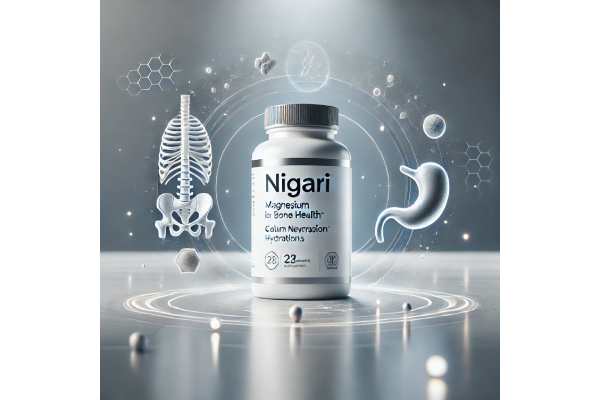
Nigari is a concentrated mineral brine left after sea salt is harvested. Traditionally used in Japan to coagulate tofu, it has become popular as a natural source of magnesium and trace minerals, often marketed as a gentle, “sea-based” supplement. Behind the marketing, though, nigari is essentially a solution rich in magnesium chloride with varying amounts of other salts such as potassium, calcium, and sulfate.
Because magnesium is involved in hundreds of enzyme reactions, people reach for nigari to support energy production, muscle function, blood pressure, and blood sugar balance. At the same time, it is a potent electrolyte solution: doses that are too high or used in the wrong context can cause serious problems, especially in people with kidney or heart disease.
This guide explains what nigari actually is, how it compares with other magnesium forms, how to use it in food and as a supplement, how much may be appropriate, and who should avoid it or use it only under medical guidance.
Quick Overview for Nigari
- Nigari is a concentrated seawater “bittern” solution rich in magnesium chloride plus smaller amounts of other minerals.
- When used correctly, nigari can help cover magnesium intake and support muscle function, nerve signaling, and healthy blood pressure.
- Typical supplemental elemental magnesium intake from nigari is about 100–300 mg per day for adults, adjusted to the product strength and individual needs.
- High doses can cause diarrhea, low blood pressure, and in extreme cases dangerous electrolyte imbalances, especially in people with kidney problems.
- People with kidney disease, significant heart disease, severe digestive disorders, or those taking certain medications (such as magnesium-containing antacids or laxatives) should avoid self-supplementing with nigari.
Table of Contents
- What is nigari and how it is made?
- Nigari mineral content and potential benefits
- How to use nigari in food and supplements
- How much nigari and magnesium per day?
- Side effects of nigari and who should avoid it
- What science says about nigari and magnesium
What is nigari and how it is made?
Nigari is the Japanese name for “bittern,” the concentrated liquid that remains after most of the sodium chloride (table salt) is crystallized out of seawater. When seawater is evaporated in salt pans, solid salt crystals form and are removed. The leftover brine is rich in magnesium chloride and still contains other dissolved minerals such as potassium, calcium, sulfate, and trace elements. That brine, sometimes further concentrated or purified, is sold as nigari.
Chemically, nigari is not a single standardized substance. It is a mixture whose exact mineral content depends on the source seawater, how far the producer evaporates it, and whether they partially remove or add back certain salts. In most commercial products, magnesium is the dominant cation, often present at very high concentrations, while sodium is relatively lower than in ordinary seawater. This strong magnesium content is what gives nigari its slightly bitter taste and its ability to coagulate soy proteins during tofu making.
Traditionally, nigari was used almost exclusively in food production, especially for tofu and certain pickles. In recent decades, it has also been bottled as a dietary supplement. Some products are sold as liquid drops to be diluted into drinking water, while others are dried to crystals or flakes that resemble coarse salt. Lab testing of commercial nigari shows wide variation: some products are mostly magnesium chloride; others include more sulfate or other ions. Quality and purity (for example, levels of heavy metals or bromide) also differ among manufacturers.
This variability has two key implications. First, the taste, bitterness, and behavior in recipes or drinks can differ from brand to brand. Second and more important, the amount of elemental magnesium per milliliter or per gram is not the same across products. For safe and effective use, you cannot rely on generic dosage advice alone; you need to check the specific product label or, ideally, independent testing data to estimate how much magnesium you are actually taking from your nigari.
Nigari mineral content and potential benefits
The central reason people use nigari as a supplement is its magnesium content. Magnesium participates in energy production, DNA and protein synthesis, nerve conduction, and muscle contraction and relaxation. It also influences insulin action, blood vessel tone, and electrolyte balance. Many diets fall short of recommended magnesium intake, particularly when they are low in whole grains, nuts, seeds, and leafy vegetables. Nigari offers a way to increase intake in liquid form.
Analyses of different nigari products show that magnesium content can vary by almost an order of magnitude. Some preparations contain less than 1 mol/L of magnesium ions, while others approach or exceed 6 mol/L. In practical terms, that can translate to anything from tens to several hundred milligrams of elemental magnesium in just a small teaspoon of liquid. Nigari may also contribute modest amounts of potassium, calcium, and trace minerals, though usually at much lower levels than magnesium.
Potential benefits of adequate magnesium intake, whether from nigari or other sources, include:
- Support for normal nerve and muscle function, helping to reduce cramps or twitching in some people.
- Contribution to normal blood pressure, particularly in those with marginal magnesium status.
- Support for glucose metabolism and insulin sensitivity, which may slightly improve fasting blood sugar in people with type 2 diabetes when combined with standard care.
- Participation in bone health, alongside calcium and vitamin D, through its role in bone matrix and hormone regulation.
Nigari’s non-magnesium minerals may play small supporting roles. Potassium and calcium are important for heart rhythm and muscle function, and trace elements may influence antioxidant reactions. However, nigari is not a balanced multivitamin or trace-mineral formula; it is primarily a magnesium delivery system, and its benefits largely mirror those of magnesium chloride.
It is important to distinguish dietary correction of magnesium insufficiency from treatment of disease. Evidence suggests that raising low magnesium intake to recommended levels can support overall metabolic and cardiovascular health. This does not mean nigari alone can cure hypertension, diabetes, or other chronic conditions. Instead, it should be viewed as one possible tool within a broader nutrition and lifestyle strategy, ideally chosen and monitored with professional guidance when used regularly at supplemental doses.
How to use nigari in food and supplements
There are two common ways people use nigari: as a traditional food ingredient and as a direct magnesium supplement.
1. Nigari in cooking
- Tofu making: Nigari is one of the classic coagulants for soy milk. The magnesium ions neutralize charges on soy proteins, allowing them to clump into curds. Home tofu makers typically dissolve a small, measured amount of nigari in water and stir it gently into hot soy milk, then let curds form and drain. The amount needed depends strongly on the nigari strength and volume of soy milk.
- Baking and fermented foods: Some bakers and fermenters add very small amounts of nigari to doughs or brines to provide minerals that may support yeast or bacterial activity. Doses are tiny to avoid harsh bitterness and excessive salinity.
- Seasoning: A few drops of well-diluted nigari may be used to “mineralize” drinking water or broth, contributing a subtle savory-bitter note. Because nigari is concentrated, it is easy to overdo the taste, so gradual adjustment is essential.
When used in food, magnesium is usually spread over several servings. This makes the risk of acute overdose lower, though cumulative intake can still be significant if nigari is used frequently and heavily.
2. Nigari as a magnesium supplement
Many people use nigari as a cheap, flexible magnesium supplement. Typical patterns include:
- Drops in water: Diluting a manufacturer-specified number of drops or milliliters into a large glass or bottle of water and sipping it through the day.
- Pre-measured ampoules or sachets: Some products are sold in fixed-dose units to make elemental magnesium intake more predictable.
- Combination with other magnesium sources: People may pair nigari with diet changes or with tablets and capsules of other magnesium salts.
Best practices for supplement-type use include:
- Start low: Begin with a small fraction (for example one quarter to one half) of the manufacturer’s suggested serving, especially if you have never used magnesium supplements before or have a sensitive digestive system.
- Dilute well: Always dilute nigari in plenty of water. Undiluted drops can be extremely bitter and may irritate the mouth or stomach.
- Spread intake: Splitting the total daily amount into two or three portions can reduce digestive side effects and keep serum magnesium levels steadier.
- Coordinate with meals and medications: Many people tolerate magnesium better with food. At the same time, magnesium can interfere with the absorption of some medications (such as certain antibiotics and thyroid hormone), so it is often recommended to separate dosing by at least two hours.
Because nigari strength varies, the most important step is to translate the volume you use into actual elemental magnesium based on the label information. If this is not clear, contacting the manufacturer or choosing a more transparent product is safer than guessing.
How much nigari and magnesium per day?
Nutrient recommendations are usually given for elemental magnesium, not for specific products like nigari. For most healthy adults, recommended dietary intake from all sources (food plus supplements) typically falls around 300–420 mg of elemental magnesium per day, depending on age and sex. Many people meet most of this through food and only need a modest supplemental amount to close the gap.
Health agencies often set a tolerable upper intake level for supplemental magnesium (from supplements and fortified foods, not from food naturally containing magnesium) at about 350 mg per day for adults. This limit is based mainly on gastrointestinal side effects such as diarrhea, though individuals vary in their tolerance. Some clinical trials safely use higher supplemental doses for limited periods under medical supervision.
Translating this into nigari use requires several steps:
- Find the elemental magnesium content. The label may state something like “X mg magnesium per Y mL” or give concentrations such as “Z% magnesium chloride.” If only magnesium chloride is listed in milligrams, you can estimate elemental magnesium as roughly 25–28% of the magnesium chloride amount, but using label data is more reliable.
- Set a target supplemental range. For someone with average diet quality and normal kidney function, a reasonable target might be 100–300 mg per day of elemental magnesium from nigari, on top of dietary intake. People with diagnosed deficiency or specific conditions may need individual recommendations from a clinician.
- Calculate the volume. For example, if your nigari provides 50 mg elemental magnesium per mL, then:
- 2 mL per day would give about 100 mg magnesium.
- 4–6 mL per day would give about 200–300 mg magnesium.
These amounts should still be split across the day and diluted in ample water.
Special situations:
- Children: Magnesium needs are lower, and nigari is not typically used as a pediatric supplement. Children should not receive nigari as a magnesium source without explicit medical guidance.
- Pregnancy and breastfeeding: Magnesium requirements rise slightly, but safety margins also become more important. Pregnant or lactating people should rely primarily on dietary magnesium and prenatal formulations rather than self-dosing concentrated nigari.
- High-dose clinical use: Some trials in metabolic syndrome and diabetes use around 250–400 mg of elemental magnesium daily for several months, but always under controlled conditions with monitoring. This kind of dosing should not be replicated without supervision.
If you already take other magnesium supplements, magnesium-containing antacids, or laxatives, you must count their contribution toward your total. When in doubt, aim for the lower end of the range and assess tolerance and any changes in digestion, energy, or sleep, while keeping your healthcare provider informed.
Side effects of nigari and who should avoid it
Because nigari is highly concentrated in magnesium and other salts, it can cause side effects when used in excessive amounts or by people with certain underlying conditions.
Common, usually mild effects
At modest supplemental doses, the most frequent side effects are digestive:
- Loose stools or diarrhea
- Abdominal cramping or discomfort
- Nausea or a feeling of fullness
These symptoms often improve when the dose is reduced, divided into smaller portions, or taken with food. They are signals that your gut is receiving more osmotic load than it can comfortably handle.
More serious risks with high doses
In larger quantities, especially when someone has impaired kidney function, nigari can cause:
- Hypermagnesemia (excess magnesium in the blood), which may lead to weakness, flushing, low blood pressure, slow heart rate, or confusion.
- Worsening of existing electrolyte imbalances, including high sodium or altered potassium levels, due to the mixture of salts in bittern.
- In extreme overdose, potentially dangerous heart rhythm disturbances, respiratory depression, or even cardiac arrest.
There are documented cases where individuals consumed significant amounts of bittern and developed life-threatening hypermagnesemia and severe cardiovascular complications. While this is rare, it underscores that nigari is not “just seawater” and should not be consumed in large, undiluted quantities or used as a drastic purgative.
Drug interactions
Magnesium salts, including nigari, can interact with:
- Certain antibiotics (for example, some quinolones and tetracyclines) by binding the drug in the gut and reducing absorption.
- Thyroid hormone replacement, when taken too close together.
- Some osteoporosis medications taken orally.
- Additional magnesium from antacids, laxatives, or other supplements, which can raise the total dose beyond safe limits.
Spacing nigari and critical medications by at least two hours, and reviewing your full supplement and drug list with a clinician, helps reduce these risks.
Who should avoid or only use nigari under medical supervision
- People with moderate to severe kidney disease or significantly reduced kidney function.
- Individuals with known hypermagnesemia or a history of magnesium handling disorders.
- Those with major heart rhythm problems, severe low blood pressure, or unstable heart failure.
- Infants and young children, unless specifically directed by a pediatrician.
- Anyone planning to use doses above typical supplemental ranges, or to combine nigari with multiple other magnesium-containing products.
If you experience symptoms such as marked muscle weakness, difficulty breathing, extreme drowsiness, or an irregular or very slow heartbeat after taking nigari, emergency medical care is required.
What science says about nigari and magnesium
Research on nigari itself is more limited than research on magnesium in general. However, several strands of evidence can guide how we think about its benefits and risks.
1. Composition and variability
Laboratory analyses of commercial seawater bittern products show that magnesium is the major cation, but its concentration, along with that of other ions, varies widely among brands. Some products are dominated by magnesium chloride, while others contain more sulfate or mixed salts. This variation influences both taste and physiological effects, such as how strongly a given dose acts as a laxative or electrolyte load. It also means that label transparency and quality control matter a great deal for consistent dosing.
2. Functional properties in food
Studies examining nigari in food systems, particularly in model Maillard reactions and tofu production, focus on how its mineral composition influences browning and antioxidant activity. High magnesium content and the types of accompanying anions (such as chloride versus sulfate) can alter color development and radical-scavenging properties. These findings explain some of the differences in flavor and appearance between tofu or baked goods made with different nigari preparations.
3. Magnesium supplementation and metabolic health
Most of what we know about potential systemic benefits comes from research on magnesium supplements as a whole, including magnesium chloride. Clinical trials and pooled analyses suggest that:
- In individuals with low magnesium status and conditions such as metabolic syndrome or type 2 diabetes, supplemental magnesium in the range of roughly 250–400 mg per day can modestly improve fasting blood glucose, triglycerides, and blood pressure over several weeks to months in some studies.
- Other trials are neutral, and overall results are mixed, which means magnesium is better viewed as a supportive factor rather than a stand-alone treatment.
- The form of magnesium and its solubility influence absorption, but dose and duration also matter. Highly soluble forms like magnesium chloride tend to be well absorbed but can be more likely to cause diarrhea at high doses.
Since nigari is essentially a concentrated magnesium chloride solution, it is reasonable to infer that, at equivalent magnesium doses, its physiological effects will resemble those seen with other oral magnesium chloride supplements, provided that other ions in the solution do not significantly alter tolerance.
4. Safety signals from case reports
Case reports of bittern intoxication highlight what can go wrong when concentrated nigari is ingested in large amounts. In such cases, patients developed very high blood magnesium levels, hypernatremia, and serious cardiac conduction changes, requiring intensive treatment. While these scenarios usually involve intentional overdose or accidental consumption of large volumes, they demonstrate that nigari has strong pharmacologic effects and is not inherently harmless by virtue of being “natural” or “from the sea.”
5. Gaps and practical conclusions
There is little high-quality research specifically testing nigari as a daily supplement in the general population. Therefore, best practice is to:
- Base dosing on established magnesium guidelines and trial experience rather than speculative megadose protocols.
- Treat nigari as one of several possible magnesium options, chosen for its liquid form or cultural familiarity rather than presumed superiority.
- Pair nigari with dietary improvements, physical activity, and appropriate medical care rather than using it as a substitute for evidence-based treatments.
Used thoughtfully, nigari can help many people meet magnesium needs. Used carelessly, it can cause avoidable side effects or, in rare cases, serious harm.
References
- Magnesium – Health Professional Fact Sheet 2022 (Guideline)
- Mineral composition of seawater bittern nigari products and their effects on changing of browning and antioxidant activity in the glucose/lysine maillard reaction 2014 (Research Article)
- A case report of bittern intoxication 2015 (Case Report)
- Oral Magnesium Supplementation and Metabolic Syndrome: A Randomized Double-Blind Placebo-Controlled Clinical Trial 2018 (RCT)
- Magnesium Supplements and Type 2 Diabetes Mellitus Control: A Narrative Review 2023 (Narrative Review)
Disclaimer
The information in this article is intended for general educational purposes and does not replace personalized medical advice, diagnosis, or treatment. Nigari and other magnesium products can interact with medical conditions and prescription medications, and appropriate dosage depends on individual health status, kidney function, and overall diet. Always consult a qualified healthcare professional before starting, changing, or stopping any supplement, including nigari, especially if you are pregnant, breastfeeding, living with chronic illness, or taking regular medications. Never ignore or delay seeking professional medical advice because of information you have read online.
If you found this guide helpful, you are welcome to share it with others on Facebook, X (formerly Twitter), or any platform you prefer, and to follow our work on social media. Your thoughtful sharing helps support the ongoing creation of clear, evidence-informed health content.