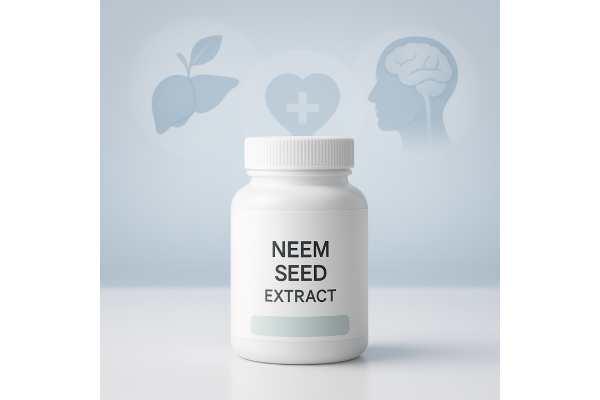
Neem seed extract comes from the seeds of the neem tree (Azadirachta indica), a bitter evergreen native to the Indian subcontinent and now grown across the tropics. The seeds are rich in limonoids such as azadirachtin, nimbin, and related compounds that give neem many of its pesticidal and antimicrobial properties. In practice, neem seed extract is used far more often in agriculture and pest control than as an internal supplement, because some seed-derived products have been linked with serious toxicity when swallowed in large amounts.
Still, standardized neem extracts are marketed for skin health, oral care, and as a natural insect deterrent. This guide walks you through what is actually known about neem seed extract: how it works, where it may be helpful, how products differ, and why safety deserves particular attention. You will also see why many experts recommend limiting neem seed preparations to carefully diluted topical or external use unless a health professional supervises you.
Key Insights for Neem Seed Extract
- Neem seed extract contains limonoids such as azadirachtin that show strong insecticidal and antimicrobial activity.
- Topical use in diluted form may help with minor skin issues and as a natural insect repellent.
- Dietary supplements often provide about 250–500 mg standardized neem extract per day, but human safety data for long-term oral use are limited.
- Serious poisoning, including seizures and metabolic acidosis, has been reported after ingesting neem seed oil or concentrated seed preparations.
- Children, pregnant or breastfeeding people, and individuals with liver or kidney disease should generally avoid neem seed extract unless their clinician specifically recommends it.
Table of Contents
- What is neem seed extract and how does it work?
- Neem seed extract main benefits
- How to use neem seed extract in practice
- Neem seed extract dosage and forms
- Side effects, risks and who should avoid neem seed extract
- Research evidence on neem seed extract
What is neem seed extract and how does it work?
Neem seed extract is a concentrated preparation made from the kernels inside the fruits of Azadirachta indica. These kernels contain a complex mixture of bioactive compounds, especially limonoids such as azadirachtin, salannin, nimbin, nimbidin, and related molecules. When the seeds are pressed, they yield neem seed oil; when they are extracted with solvents such as ethanol or supercritical CO₂, the result is a more refined neem seed extract that can be standardized for specific constituents.
Many people first meet neem through gardening: azadirachtin-rich neem seed extracts are widely sold as natural insecticides. They work by disrupting insect feeding and growth, interfering with hormonal signaling that regulates molting and reproduction. This selective toxicity is part of why neem became popular in organic agriculture. However, the same potent activity explains why careful dosing and safety evaluation are important when humans use seed-derived products.
In human and microbial systems, neem seed constituents show several actions in laboratory and animal models:
- Antimicrobial: activity against bacteria, fungi, and some viruses.
- Antiparasitic: effects on certain protozoa and helminths.
- Anti-inflammatory and antioxidant: modulation of inflammatory mediators and reduction of oxidative stress markers in some models.
- Cytotoxic and antiproliferative: effects on cancer cell lines at higher concentrations.
It is crucial to distinguish between different neem parts. Leaves and bark tend to be milder; seed oil and seed extracts are more concentrated in limonoids and have been more frequently associated with toxicity. Commercial “neem extract” supplements may be leaf-based, seed-based, or mixed; labels are often unclear. For safety, you should regard seed-based products as stronger and potentially riskier, especially by mouth.
Neem seed extract main benefits
Because neem seed extract is pharmacologically active and relatively strong, most of its meaningful benefits relate to topical or external use rather than oral supplementation. Evidence in humans is still limited, but several potential benefits are supported by mechanistic and preclinical work.
- Support for skin health
Neem seed oil and seed extracts are commonly used in creams, ointments, and soaps aimed at acne, eczema-prone skin, and minor fungal issues like athlete’s foot. In vitro and animal work suggests that seed limonoids can inhibit growth of common skin pathogens, including certain Staphylococcus and Candida strains, and may calm inflammatory signaling in the skin. For mild, localized problems, diluted preparations may help as part of a broader skincare plan. - Natural insect repellent and insect control
Seed-derived azadirachtin is one of the best-studied botanical insect regulators. When used in sprays, lotions, or shampoos, neem seed extract can help repel or reduce biting insects such as mosquitoes and ticks, and is sometimes used in natural head-lice products. In agriculture and household use, seed extracts are favored as “soft” pesticides because they degrade relatively quickly and have lower environmental persistence compared with many synthetic insecticides. - Oral care applications
Traditional practices have long used neem twigs as “chewing sticks.” Modern formulations sometimes include seed oil or seed extract in toothpastes or mouth rinses. Laboratory studies show neem components can reduce adherence of certain oral bacteria and disrupt biofilms, which may support plaque control when combined with standard dental hygiene. - Metabolic and immune effects (mostly experimental)
Early experimental work suggests neem seed constituents may influence blood glucose regulation, lipid metabolism, or certain immune pathways. However, such findings come mainly from cell or animal studies using defined extracts; there is little robust human data, and seed-derived products can be toxic at higher doses. These potential benefits should not be a primary reason to take neem seed extract orally without specialist guidance.
Overall, when thinking about benefits, neem seed extract is best seen as a strong topical antimicrobial and insect-active botanical with niche uses rather than a general-purpose wellness supplement.
How to use neem seed extract in practice
If you decide to use neem seed extract, the safest approach is to prioritize external and localized applications with appropriate dilution. Because of documented toxicity from concentrated seed oil ingestion, internal use requires particular caution and, ideally, professional supervision.
Common practical uses include:
- Topical skincare
- Neem creams or ointments: Often contain 1–5% neem oil or seed extract in a neutral base. These may be used for small patches of dry, irritated, or acne-prone skin, one to two times daily.
- Neem soaps and body washes: Typically used like regular cleansers, but they may be drying for some people. Patch-test on a small area first.
- Scalp and hair care
- Neem-based shampoos or hair oils sometimes combine seed extract with other botanicals. People use them for dandruff, itchy scalp, or as a supportive step in managing head lice alongside mechanical removal (combing). These are usually rinsed off after a short contact time.
- Insect repellent
- Diluted neem seed oil can be combined with a carrier oil or used in prepared lotions to help repel insects. Concentrations are typically low (often 1–3% in cosmetic products). Neem-based agricultural sprays for plants may contain higher azadirachtin levels and are not formulated for use on human skin.
- Household and garden pest control
- Neem seed extract sprays are used on plants to control chewing and sucking insects. Follow product labels closely regarding dilution, spray intervals, and protective measures; these formulations are not meant to be ingested or applied to the body.
Internal use (capsules, tinctures, or drops) is much more controversial. While some traditional and alternative practices use neem seed preparations internally, modern toxicology data show that excessive or concentrated seed oil ingestion can be dangerous. If you are considering internal use, it is vital to:
- Confirm that the product is designed for oral intake and clearly standardized.
- Avoid using neem seed extract in children, pregnancy, or breastfeeding.
- Speak with a qualified clinician, especially if you have liver, kidney, or metabolic conditions.
For many people, safer options such as neem leaf extracts or entirely different botanicals may offer similar proposed benefits with a wider safety margin.
Neem seed extract dosage and forms
Unlike vitamins or minerals, there is no universally accepted “standard dose” of neem seed extract for humans. Most dosing guidance comes from manufacturer suggestions and traditional use, while modern safety reviews highlight that seed-based products are responsible for many reported cases of neem-related toxicity.
Typical commercial forms
- Softgels or capsules
- Often contain neem seed oil or a mixed neem extract (sometimes combined with leaf).
- Labeled doses commonly fall around 250–500 mg per capsule, once or twice daily.
- Standardization may be to total bitters, azadirachtin content, or not standardized at all.
- Liquid extracts or tinctures
- May be seed-only or combined plant parts.
- Dosing directions usually involve small volumes (for example, 0.5–1 ml up to three times per day), but actual active compound exposure can vary widely.
- Topical oils, creams, and gels
- Neem seed oil for cosmetic use is usually labeled for external use only.
- Concentrations in finished skin products may range from about 0.5–5% neem oil or extract.
General dosage considerations
Because of toxicity reports from relatively modest ingested volumes of seed oil in children, a cautious stance is warranted:
- Many clinicians recommend avoiding internal use of neem seed oil altogether, especially undiluted oil.
- For standardized oral seed extracts, staying within manufacturer limits (for example, 250–500 mg per day in adults) should be considered an upper boundary rather than a target dose.
- Long-term daily use has not been well studied. It is prudent to limit any self-directed course to short periods (for instance, a few weeks) and to monitor for symptoms such as nausea, fatigue, abdominal pain, or dark urine, which could signal liver or systemic stress.
Practical dosing tips
- Choose products that clearly state whether they use leaf, seed, or a combination, and whether any constituents are standardized.
- Start at the lower end of any suggested dose to see how your body responds.
- Do not give neem seed extract to children or use it during pregnancy or breastfeeding.
- Stop use and seek medical advice immediately if you experience neurological symptoms (confusion, drowsiness, seizures), severe vomiting, or signs of liver or kidney problems.
Given the potency of seed-derived limonoids and available case reports of poisoning, neem seed extract is best treated as a powerful, potentially risky plant medicine rather than a benign everyday supplement.
Side effects, risks and who should avoid neem seed extract
The most serious safety concerns around neem involve seed oil and seed-derived preparations. Many reported poisonings are linked to ingestion of neem oil or “margosa oil” (another name for seed oil), particularly in infants and young children. Symptoms in severe cases have included vomiting, drowsiness, seizures, metabolic acidosis, and toxic encephalopathy. Fatal outcomes have been documented in small children after doses measured in milliliters.
Even in adults, case reports describe significant neurological and metabolic disturbances after accidental ingestion of relatively modest volumes of neem oil. These findings underline that seed-derived products are not harmless, especially when taken by mouth.
Possible side effects
- Gastrointestinal: nausea, vomiting, diarrhea, stomach cramps.
- Nervous system: drowsiness, confusion, seizures in severe toxicity.
- Metabolic: acidosis and electrolyte disturbances in serious poisonings.
- Liver and kidney: laboratory abnormalities and organ stress in some animal toxicity studies and human reports.
- Skin: local irritation, redness, or rash when topical products are used on sensitive skin or at high concentrations.
Who should avoid neem seed extract or seek specialist advice
- Children and infants – An especially vulnerable group; neem seed oil has been associated with severe poisoning and death in infants.
- Pregnant people – Animal and traditional data raise concerns about potential abortifacient and embryotoxic effects of neem seed products. These should be avoided unless a specialist explicitly prescribes them.
- Breastfeeding individuals – Safety data are lacking, and there is theoretical risk of transfer to the infant; avoidance is prudent.
- People with liver or kidney disease – Because neem compounds are metabolized and cleared through these organs, any additional burden could be problematic.
- People with seizure disorders – Given reports of seizures in poisoning cases, individuals with epilepsy or lowered seizure threshold should be very cautious and generally avoid seed-derived neem products internally.
Interactions and combined risks
Neem seed extract may theoretically enhance the effects of other substances that stress the liver, kidneys, or nervous system. Combining it with multiple herbal or pharmaceutical agents without coordination increases uncertainty. People taking medications such as anticonvulsants, immunosuppressants, or drugs with narrow safety windows should consult their clinician before using neem seed extract.
In summary, while topical and external uses at low concentrations are often well tolerated, internal use of seed-based neem products carries real risk. A conservative approach is to reserve internal use for carefully supervised situations and to prioritize safer alternatives for self-care.
Research evidence on neem seed extract
Modern research on neem covers a broad range of topics, including antimicrobial potential, cancer biology, metabolic effects, and environmental use as a biopesticide. However, much of this work uses isolated compounds or mixed plant parts rather than precisely defined neem seed extracts, and human clinical trials are still relatively scarce.
Toxicity and safety data
Recent comprehensive reviews have examined in vivo toxicity of Azadirachta indica, including seed oil and seed extracts, in animal models and collated human case reports. These reviews emphasize that:
- Neem’s toxicity profile depends strongly on the plant part, extraction method, dose, and species tested.
- Seed oil and seed limonoid-rich extracts show higher acute toxicity compared with leaf extracts in several animal systems.
- Mammalian studies have reported effects on liver enzymes, reproductive parameters, and other organ systems at higher doses or prolonged exposure.
Human case reports of neem oil and margosa oil poisoning offer real-world confirmation that seed-derived preparations can cause serious adverse events when ingested, even in traditional settings where neem use is common.
Antimicrobial and biofilm research
Systematic evaluations of neem’s antimicrobial activity demonstrate that neem extracts, including seed-derived preparations, can inhibit a wide range of bacteria and fungi in vitro. Studies have explored:
- Effects on oral pathogens and dental biofilms, supporting the use of neem-containing oral-care products as adjuncts to standard hygiene.
- Activity against skin pathogens such as Staphylococcus aureus and certain dermatophytes, lending mechanistic support to traditional topical uses for minor skin conditions.
- Synergistic or additive effects when neem components are combined with other antimicrobials or used in integrated pest-management systems.
It is important to remember that laboratory antimicrobial potency does not automatically translate into clinical effectiveness at doses that are safe and practical for human use. Nonetheless, these findings help explain neem’s long history as a cleansing and protective plant in traditional medicine.
Chemical and quality characterization
Recent work on neem oil has focused on characterizing its fatty acid profile, limonoid content, and markers of authenticity and quality. These studies show that:
- Neem seed oil typically contains high levels of oleic, stearic, palmitic, and linoleic acids, along with variable concentrations of limonoids such as azadirachtin.
- Processing methods (cold pressing versus solvent extraction, refining, storage conditions) markedly influence both the beneficial compounds and possible degradation products.
- Reliable quality control is essential, particularly when neem seed oil or extracts are used in products intended for human contact or consumption.
Taken together, current evidence paints a nuanced picture: neem seed extract is chemically rich and biologically active, with real potential as an antimicrobial and insect-active agent, but its toxicity profile demands respect. Further human studies, especially well-designed clinical trials and pharmacokinetic work, would be needed before neem seed extract could be confidently recommended as a routine internal supplement.
References
- Azadirachta indica A. Juss. In Vivo Toxicity-An Updated Review 2021 (Systematic Review)
- The Antimicrobial Potential of the Neem Tree Azadirachta indica 2022 (Systematic Review)
- Neem Oil: A Comprehensive Analysis of Quality and Identity Parameters 2025 (Review)
- Neem oil poisoning: Case report of an adult with toxic encephalopathy 2013 (Case Report)
- Margosa oil poisoning as a cause of toxic encephalopathy 1990 (Case Report)
Disclaimer
The information in this article is intended for general educational purposes and does not replace personalized medical advice, diagnosis, or treatment. Neem seed extract, especially in oil or concentrated form, can cause serious side effects when used incorrectly. Always consult a qualified healthcare professional before starting, stopping, or changing any supplement or herbal product, particularly if you are pregnant, breastfeeding, taking prescription medicines, or living with chronic health conditions. Never disregard professional medical advice or delay seeking it because of something you have read here.
If you found this guide helpful, you are welcome to share it with others on Facebook, X (formerly Twitter), or any platform you prefer, and to follow our work on social media. Your thoughtful sharing helps our team continue providing careful, evidence-informed content for readers like you.